
Millions of Americans may be eligible for a payment estimated at up to $1,745 per household, though married couples are being advised that their filing status could affect both eligibility and the amount they might receive.
President Donald Trump has repeatedly insisted tariffs benefit the U.S. economy, arguing they protect domestic industries.
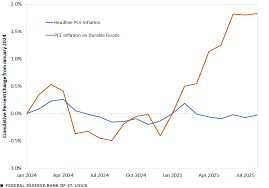
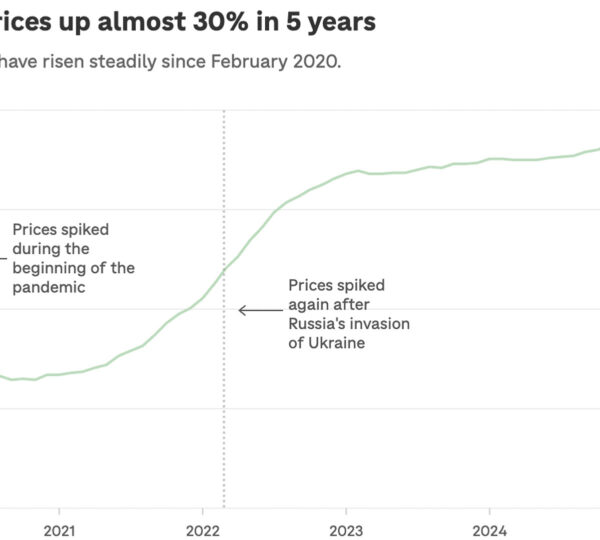
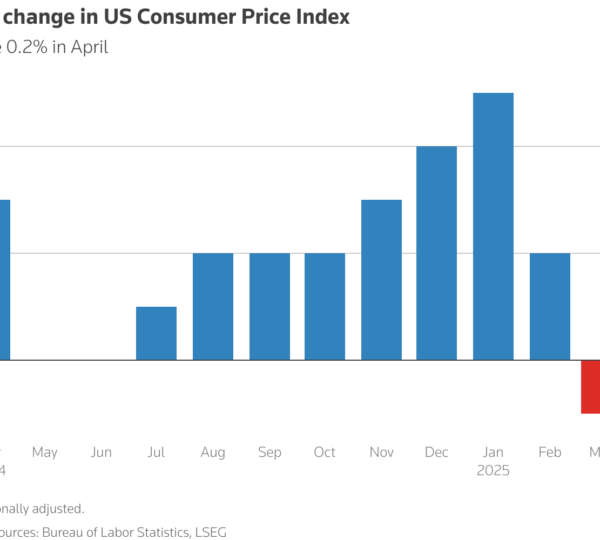
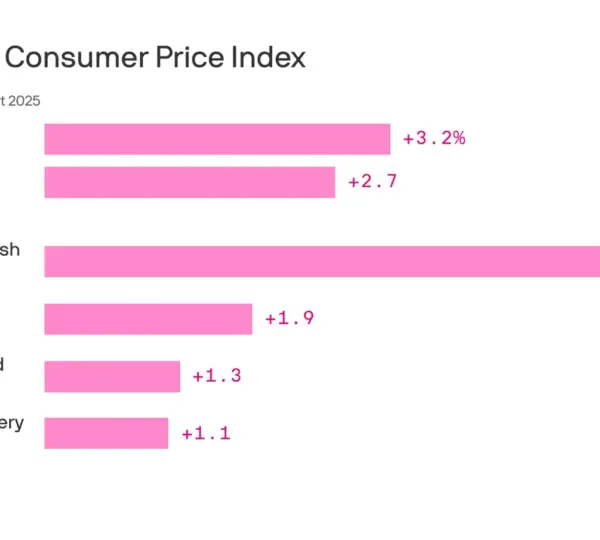
However, economic analyses indicate tariffs have contributed to rising costs across a wide array of essential goods for American consumers.
Reports released recently suggest that the average U.S. household absorbed approximately $1,745 in additional expenses due to tariffs between February 2025 and January 2026, highlighting the financial strain many families experienced during this period.
Since mid-2025, Trump promoted a so-called “tariff dividend,” proposing that revenue from import taxes could be partially redistributed to the public, providing relief from the increased costs that consumers incurred on everyday items.
In a November 9, 2025 post on Truth Social, he claimed, “People that are against tariffs are FOOLS! We are now the richest, most respected country in the world. A dividend of at least $2,000 per person (excluding high-income individuals) will be paid to everyone.”
The concept was framed as a means to counterbalance the financial pressures that tariffs imposed, essentially offering a method to offset the higher prices resulting from increased import taxes affecting millions of households.
Trump clarified the following day that any surplus funds left after issuing payments to low- and middle-income Americans would be allocated to reduce the national debt substantially, presenting the proposal as both relief and fiscal responsibility.
Despite these statements, early in 2026, questions arose about whether Trump remembered his own tariff dividend proposal, leaving the public and reporters uncertain about timelines and details regarding potential payments.
When New York Times reporter Katie Rogers asked about the promised $2,000 checks, Trump hesitated, stating, “I did do that? When did I do that?” before attempting to recall his prior statements regarding government distributions.
He continued, “Yeah, I’m thinking… well, I did $1,776 for the military,” revealing some confusion about his earlier plans and highlighting the lack of clarity surrounding the implementation of the tariff dividend proposal.
Pressed further by reporters, Trump noted, “Well, I am going to—the tariff money is substantial. That will allow me to do $2,000 sometime. I would say toward the end of the year,” without committing to a firm timeline for payments.
By February 2026, after legal and administrative developments, including a Supreme Court decision, the structure of Trump’s tariff policy changed, transforming the originally proposed dividend into something more akin to a stimulus check for American households.
Estimates from the Joint Economic Committee (JEC) suggest U.S. consumers paid roughly $231 billion in tariff-related costs during the one-year period from February 2025 through January 2026, reinforcing calls for compensation to offset increased household expenditures.
Averaging across U.S. households, this sum corresponds to about $1,745 per family, illustrating the potential magnitude of relief that a well-designed redistribution program could offer to low- and moderate-income Americans.
Policymakers have described the proposed payment as a method to ease financial pressures caused by tariffs, with advocates emphasizing that it could provide meaningful compensation for costs already absorbed by households nationwide.
Despite comparisons to previous federal stimulus-style payments, critical aspects remain unresolved, particularly concerning eligibility thresholds, calculation methods, and whether married couples will be treated differently for payment purposes.
Income limits have been a central focus of the debate, with discussions addressing what constitutes a “moderate income” and how payments would scale for households earning above or below established thresholds.
SSA expert known online as Blind to Billionaire explained eligibility in a recent YouTube video: “It’s based on your income—that’s it. If your annual earnings are below $75,000 as an individual, you are likely eligible for a payment.”
Married taxpayers may face a slightly different framework, since prior stimulus programs applied higher combined thresholds for couples filing jointly, often doubling the individual amount to account for shared household expenses.
The same rules could apply to any tariff dividend program, meaning couples earning under $150,000 together could potentially qualify for full payments, though exact details will depend on final legislation and implementation decisions.
Analysts caution that married households must carefully consider combined income, as exceeding thresholds by even a small margin could reduce payment amounts or render the family ineligible under certain proposed formulas.
Officials are also reviewing household composition, including dependents and other taxable factors, to ensure that the distribution is equitable while still targeting those most affected by tariff-related cost increases.
Financial experts note that while the average individual might see $1,745, variations in payment amounts could occur, reflecting both regional economic differences and household-specific expenditures impacted by tariffs on imported goods.
The proposed payment is being framed as part of a broader economic relief package aimed at offsetting costs of essential items such as food, clothing, electronics, and household goods, all affected by prior tariff increases.
Though Trump touted tariffs as beneficial, many economists argue that the additional costs were passed down to consumers rather than being absorbed by foreign producers or U.S. importers, creating a tangible financial impact on everyday families.
In addition to immediate relief, the proposed payment structure could also have longer-term implications, influencing consumer spending, household budgets, and even broader economic confidence if implemented successfully.

As debates continue, questions remain about how payments would be delivered, whether as direct deposits, paper checks, or credits applied to tax returns, and what verification processes would ensure eligibility compliance.
Policymakers are also considering whether retroactive payments would be issued to account for expenses already incurred or if future payments would only reflect ongoing tariff-related costs, further complicating implementation planning.
Observers note that transparency will be critical, particularly given the political attention surrounding tariffs and potential dividends, with accurate communication essential to prevent confusion and ensure public confidence in any payment program.
The idea of a tariff dividend has drawn comparisons to previous economic stimulus measures, yet officials stress that precise guidelines will determine eligibility, amounts, and timing to avoid inequities or unintended consequences.
Married couples should anticipate careful scrutiny of their combined income, including wages, investment earnings, and other taxable revenue, as authorities define eligibility and structure payment amounts according to household financial circumstances.
Experts recommend that taxpayers maintain accurate records of income, filing status, and relevant deductions to ensure proper calculation and receipt of any potential payments linked to the tariff dividend initiative.
While the administration has emphasized that low- and middle-income Americans are the primary focus, high-income households are expected to be excluded or receive reduced payments, reflecting policy intentions to target those most impacted.
In addition to household relief, some proposals have suggested that leftover tariff revenue could be applied to national debt reduction, a strategy aimed at both stimulating spending and improving federal fiscal stability.
The program’s dual goals—providing consumer relief while supporting fiscal responsibility—reflect ongoing debates over optimal uses of tariff revenue in balancing economic stimulus and national financial health.
With legislation still pending, officials are analyzing models for calculating payments, including flat-rate amounts, income-tiered systems, and combined household formulas to ensure fairness and accuracy across diverse economic situations.
The Joint Economic Committee continues to study distribution impacts, assessing how payments could offset inflationary pressures and restore purchasing power eroded by the additional cost burden imposed by prior tariff policies.
Policymakers are also exploring methods to streamline payment delivery, leveraging existing IRS infrastructure while minimizing administrative overhead and ensuring rapid distribution to those eligible under income-based thresholds.
Economic analysts stress that public awareness and education will be essential to ensure that eligible recipients understand eligibility criteria, application processes, and timelines for receiving payments tied to tariff relief.
Some observers argue that effective communication will prevent misunderstandings among taxpayers, particularly married couples whose joint earnings may complicate qualification and necessitate careful calculation before any funds are released.
Additional considerations include potential interactions with existing tax credits, stimulus programs, and social assistance benefits, requiring policymakers to design the payment framework to complement rather than conflict with ongoing financial support measures.
Ultimately, the proposed tariff dividend is intended as both compensation for tariff-related expenses and a method to bolster household finances, particularly for low- and moderate-income Americans who face heightened cost pressures.
While questions remain, the discussion underscores the complex interplay between trade policy, taxation, and consumer impact, highlighting the ways government revenue measures can have direct consequences on everyday life.
Eligible households will need to monitor official guidance from the Treasury, IRS, and other relevant agencies to ensure they are prepared to claim payments and understand any documentation or verification required.
As implementation plans continue to develop, married couples and individual taxpayers alike are advised to remain attentive to updates, as the final structure may determine exact payment amounts and eligibility criteria for all households.
If successfully enacted, the payment could offset significant household expenses accrued over the past year, effectively reducing the financial strain imposed by tariffs on imported goods, ranging from electronics to clothing and groceries.
Financial advisors note that even partial payments could provide meaningful relief, especially for families managing tight budgets, monthly bills, and other routine expenditures, demonstrating how policy tools can directly impact domestic economic stability.
The Joint Economic Committee’s analysis reinforces the importance of accurately assessing household exposure to tariff costs, ensuring that any payment distribution reflects both fairness and proportionality relative to financial impact.
Public interest in the proposed dividend remains high, with media outlets, advocacy groups, and taxpayer associations following developments closely to understand how payments will affect diverse income groups across the United States.
As discussions progress, clear communication and transparent policy decisions will be essential to maintain confidence in the program and ensure equitable treatment for households most affected by tariff-related increases.
The tariff dividend initiative illustrates the broader economic principle that policy interventions, when carefully designed and targeted, can mitigate unintended consumer costs and provide meaningful financial support to the population.
Experts emphasize that close coordination between Treasury, IRS, and legislative bodies will be necessary to implement the program efficiently, avoiding delays, errors, or inequities in payment distribution across eligible households.
Ultimately, the proposed payment reflects an attempt to balance trade policy goals with consumer welfare, providing relief for additional costs while reinforcing public confidence in government responsiveness to household financial challenges.
