
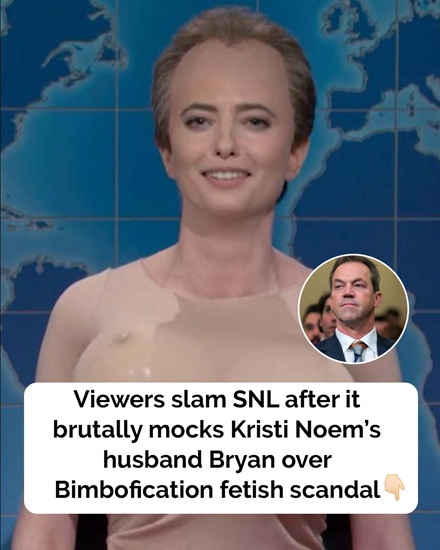
After news reports about Kristi Noem’s husband, Bryon Noem, surfaced online, the controversy quickly gained attention.
The media scrutiny focused on allegations regarding his participation in fetish communities, sparking widespread discussion on social media and among journalists.
Saturday Night Live, known for satirizing current events, responded immediately. During the April 4 episode, the show featured a Weekend Update segment referencing the allegations, using comedy to address the scandal in its typical over-the-top style.
Comedian Sarah Sherman appeared dressed as Bryon Noem, wearing tight pink biker shorts and exaggerated prosthetic breasts.
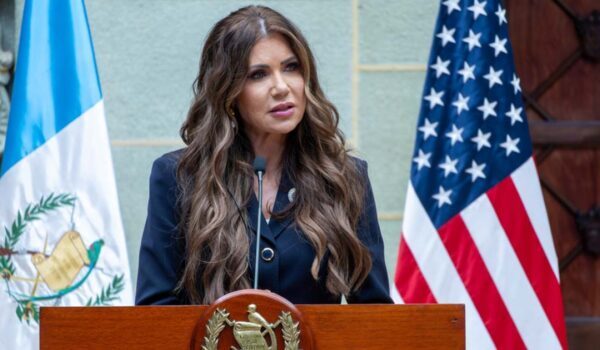
The costume mirrored the reports that Bryon had been involved in so-called “bimbofication” fetish communities, which some sources claimed he participated in online.
In character, Sherman quipped to co-host Michael Che, “My eyes are up here, my n*pples are out here,” before adding, “I dare you to kink shame me on national TV,” poking fun at the alleged online activities.
The sketch drew from investigative reporting, including claims from the Daily Mail. They reported that Bryon allegedly posted images of himself in women’s clothing and expressed an interest in having “huge, huge ridiculous b*obs,” reflecting themes of certain fetish communities.
Reports also suggested he spent substantial amounts of money interacting with models in online spaces associated with these fetishes. While the details circulated widely, it is important to note that Bryon Noem has not publicly confirmed these claims.
The comedy segment did not leave Kristi Noem out of the jokes. Another cast member portrayed her holding a rifle, referencing a past controversy involving her dog, and humorously asked, “Did someone say puppies?” in a nod to past headlines.
Some reports claimed Bryon allegedly used pseudonyms online and engaged in discussions referencing rumors about Kristi’s personal life, including her alleged relationship with Corey Lewandowski. These claims, however, have been consistently denied by those involved.
Following the initial revelations, a spokesperson for Kristi Noem told the New York Post that the governor was “devastated” and that the family had been “blindsided” by the allegations. They requested privacy as the situation continued to develop in public discourse.
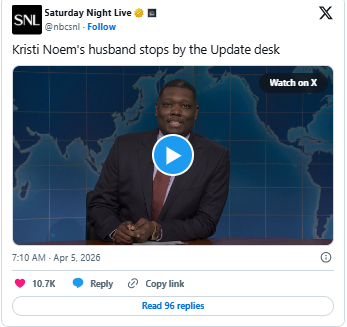
Once the SNL sketch aired, the public reaction was swift. Many viewers took to social media platforms such as X (formerly Twitter) to express their opinions, with a large portion criticizing the segment as insensitive or inappropriate.
One user wrote on X, “WOW, SATURDAY NIGHT LIVE FINALLY HIT THE BOTTOM, VERY SAD TIME,” expressing frustration and disappointment with the show’s handling of the sensitive topic.
Other reactions focused on perceived hypocrisy. A second commenter stated, “The Left is all about LGBTQ+ and tolerance so cosplay should be okay, no? Liberal views and their total hypocrisy day after day is disgusting,” voicing disapproval of SNL’s approach.
Some viewers highlighted concerns about targeting personal identities. One person added, “I thought the left said you aren’t supposed to make fun of people’s ‘true selves,’” questioning whether the sketch contradicted broader progressive values around inclusivity.
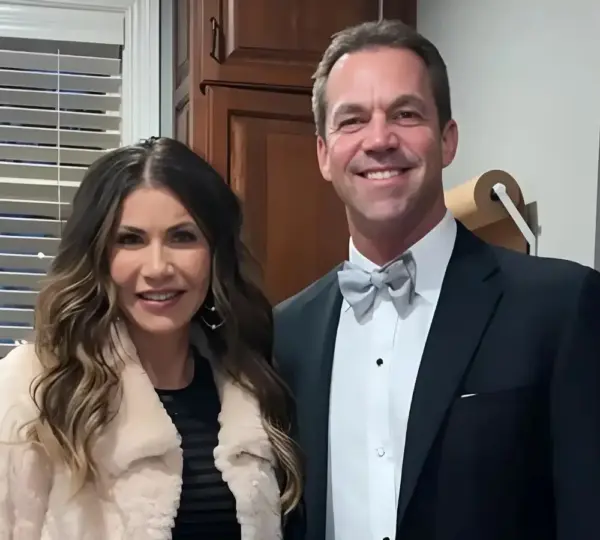
Several individuals pointed out a perceived inconsistency in how the show approaches satire. One user wrote, “Hmm, something about this seems very hypocritical, can’t quite put my finger on it……..” reflecting frustration with what they saw as double standards.
Another social media user referenced past political coverage, writing, “Never made fun of ‘Rachel’ Levine or all the other troons during the Biden/Obama era. So brave,” highlighting perceived selective targeting in SNL’s humor.
The sketch also sparked broader debate about the ethics of comedy. Observers questioned whether satirical programs should focus on private individuals’ alleged online behavior or concentrate on public political actions and policy decisions.
SNL has a long history of blending real-world events with exaggerated comedy. However, the combination of sexualized costume elements and sensitive allegations made this particular sketch especially controversial among viewers with diverse opinions.
Some defended the sketch as fair satire, arguing that public figures’ families and spouses often become part of political narratives, particularly when allegations are widely reported. They suggested comedy can provide commentary while highlighting media coverage trends.

Critics argued that the segment blurred the line between humor and harassment. By emphasizing personal fetishes allegedly associated with Bryon Noem, some felt the sketch ventured into territory that could be considered exploitative or invasive.
Social media commentary showed a generational divide in perception. Younger audiences often reacted with memes and humor, while older or more politically engaged viewers expressed serious concern about potential personal attacks masked as comedy.
Observers also noted that SNL’s cast choices, including Sarah Sherman’s over-the-top costume, amplified the sexualized aspect of the sketch. Many felt that exaggeration overshadowed the intended commentary on media coverage or political scandal.
Despite criticism, some commentators praised the segment for drawing attention to online communities and behaviors often hidden from mainstream awareness. They argued the sketch could spark conversations about internet culture and privacy.
Kristi Noem’s office did not issue an official response to the sketch itself. Their prior statements focused on privacy and the emotional impact of the allegations, emphasizing the family’s desire to handle the matter away from public scrutiny.

The controversy also reignited conversations about the responsibilities of late-night comedy. Discussions emerged about whether programs like SNL should prioritize social commentary, entertainment, or sensitivity toward those inadvertently involved in political satire.
SNL’s approach reflects broader trends in political comedy, where personal lives of politicians or their spouses are often fodder for humor. This raises ethical questions about boundaries between satire and personal privacy, particularly when allegations remain unverified.
The public reaction on social media demonstrated the polarizing nature of combining politics, personal scandals, and humor. Many expressed that the sketch may have alienated longtime fans who prefer political satire without explicit sexualization or targeting.
The timing of the sketch, immediately following news reports, heightened its impact. By responding quickly to breaking stories, SNL emphasizes current events, but this immediacy can also amplify controversy and prompt criticism before facts are fully verified.
The debate surrounding the sketch illustrates the challenge comedy faces in the digital age. Social media allows instant public feedback, creating a dynamic where creators must balance timeliness, humor, and sensitivity to audience perception.
While some defended SNL’s comedic freedom, others noted potential implications for public discourse. By highlighting alleged online behavior, the show risks influencing public perception of individuals involved, regardless of the accuracy or context of reports.
In conclusion, the SNL sketch about Bryon and Kristi Noem sparked mixed reactions, with viewers divided over its humor, ethical implications, and approach to sensitive allegations. The conversation reflects ongoing tension between satire, politics, and personal privacy in modern media.
Overall, the controversy demonstrates the complexity of public satire. Balancing comedic expression, social commentary, and respect for privacy remains a challenge, especially when allegations involve personal or sexualized content that is widely reported but not confirmed.

