
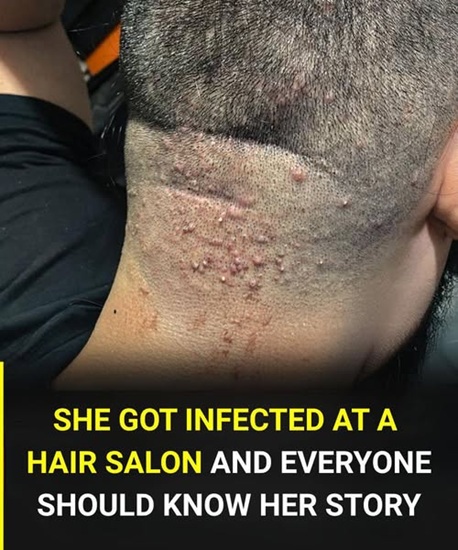
What started as a routine haircut for a 27-year-old man quickly turned into a worrying medical situation he could not have anticipated. Initially, everything seemed perfectly normal, as most haircuts do.
A few days after leaving the barbershop, he noticed a faint irritation along the freshly shaved area. At first, it was subtle, a mild burning sensation that he assumed would naturally fade on its own.
He tried not to think much of it, believing it was a minor inconvenience common after shaving. Many people experience small irritations, but he didn’t expect that his would gradually worsen over the following days.
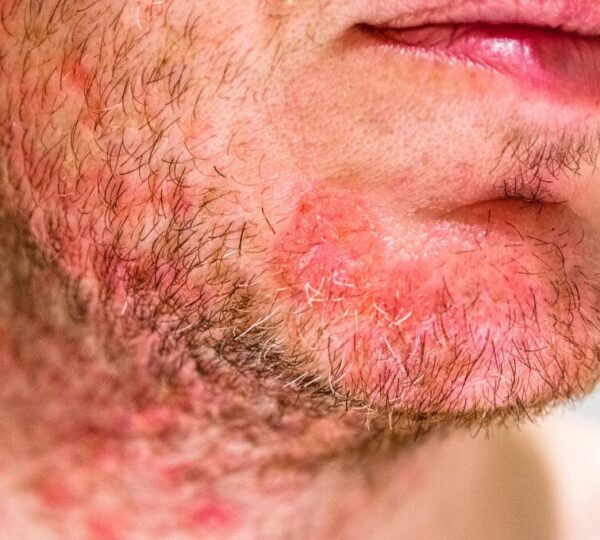
By the third day, the discomfort began to intensify noticeably. Tiny, red bumps started appearing where the razor had made contact, signaling that something more serious might be developing underneath the skin.
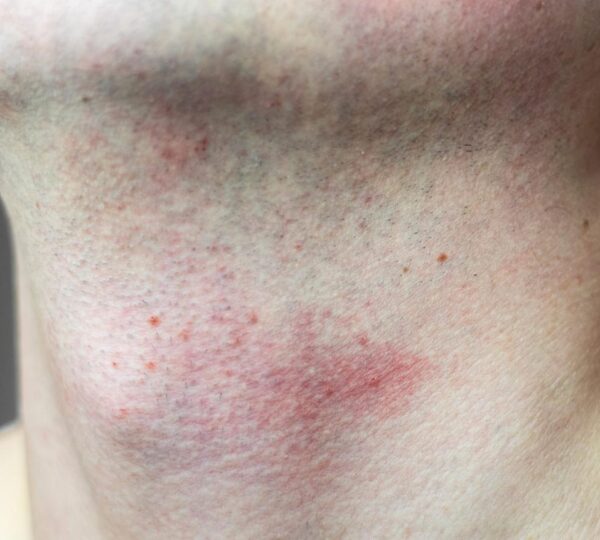
These bumps gradually multiplied and became tender to the touch. The once barely noticeable irritation was now accompanied by swelling, heat, and an unmistakable sensitivity that he could no longer ignore.
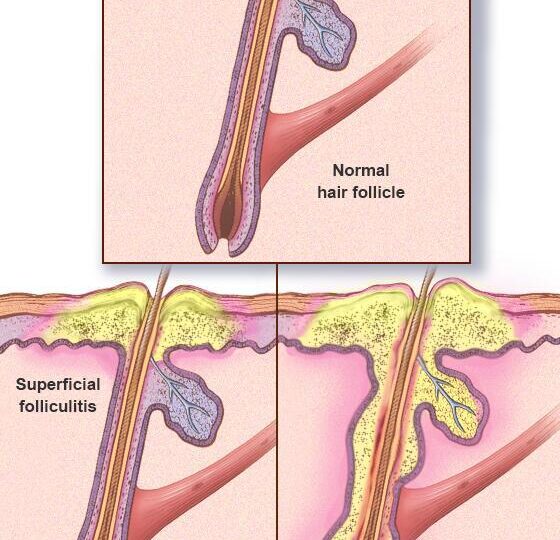
The increasing pain prompted him to seek medical attention. Upon examination, the doctor confirmed a diagnosis of bacterial folliculitis, a condition that develops when bacteria enter hair follicles through tiny cuts.
Folliculitis is often caused by common bacteria such as Staphylococcus aureus, which can inhabit the skin or be transmitted through contact with contaminated tools or surfaces, especially in high-traffic environments like barbershops.
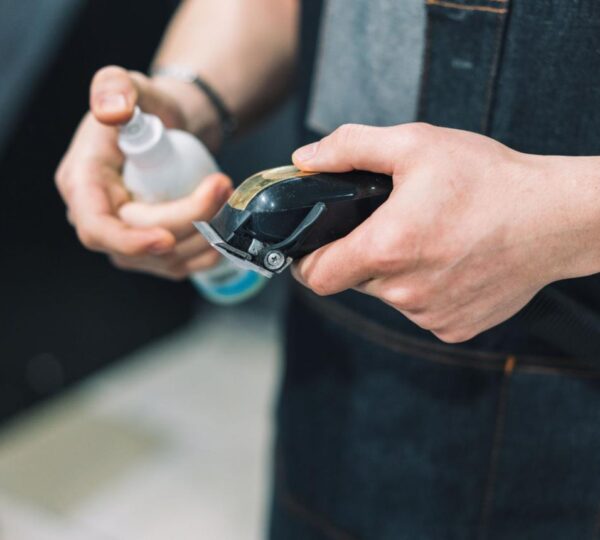
Barbershops, in particular, can be a risk factor if hygiene protocols are not strictly maintained. Clippers, razors, and scissors are frequently used on multiple clients, creating opportunities for bacteria to transfer from one person to another.
Even minor lapses, such as insufficiently disinfected clippers or repeated use of disposable razors without replacement, can create pathways for infection. These small oversights are often invisible but carry significant consequences.
The early symptoms of folliculitis—red bumps, tenderness, or mild burning—may be mistaken for simple shaving irritation. This often leads to delayed treatment and allows the infection to progress further across the skin.
If left untreated, folliculitis can become painful and persistent, spreading to a wider area. In rare cases, deeper infections may form, causing abscesses or scarring, making early recognition and treatment crucial.
Proper hygiene is the first and most important preventive measure. Tools must be thoroughly disinfected between clients, and disposable items should be discarded after single use to minimize bacterial transmission.
Clients can also take steps to protect themselves. Observing sanitation practices, asking questions about tool cleaning, and choosing salons with visible hygiene protocols significantly reduce the likelihood of infection.
Even seemingly minor actions, like ensuring razors are single-use or watching clippers being sanitized, can make a meaningful difference. Being aware of small details often prevents large consequences.
Once symptoms appear, immediate and proper care is essential. Attempting home remedies or ignoring early warning signs can allow the infection to worsen, prolonging recovery and increasing discomfort.
Medical treatment often involves topical or oral antibiotics, depending on the severity of the infection. Maintaining clean, dry skin and avoiding scratching or picking at the area are also critical steps for healing.
Folliculitis can affect anyone, but people with weakened immune systems, pre-existing skin conditions, or frequent exposure to communal grooming tools are at higher risk of infection. Awareness and prevention become even more vital in these cases.
This incident highlights how ordinary routines can unexpectedly become health risks. A simple haircut, often performed without a second thought, became the trigger for a preventable medical condition.
It’s important to emphasize that barbershops and salons are generally safe, and most maintain high standards of hygiene. Nonetheless, vigilance and awareness remain essential for personal safety.
Preventing bacterial infections is not difficult, but it requires mindful attention. Clients should be aware of tool sterilization and avoid establishments that appear to disregard basic sanitation practices.
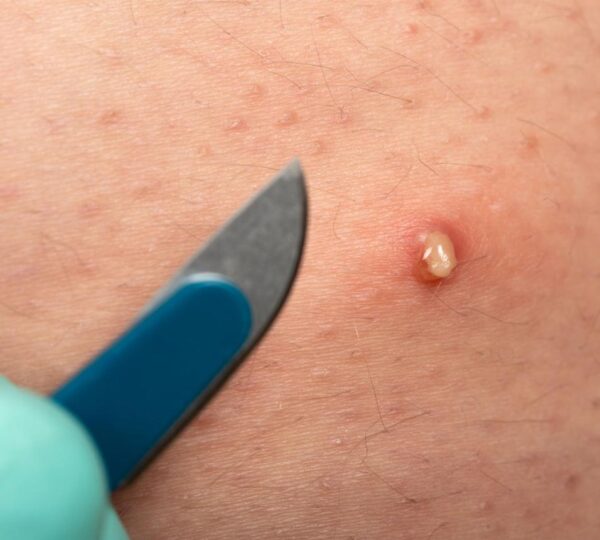
Early recognition of symptoms is equally important. Persistent redness, swelling, pain, or the appearance of pus-filled bumps should prompt immediate consultation with a healthcare professional.
Ignoring these signs may lead to unnecessary complications, including secondary infections or permanent scarring. Prompt treatment minimizes risk and accelerates recovery, reducing both discomfort and anxiety.
Education on safe grooming practices is increasingly recognized as essential. Public health agencies often recommend proper tool disinfection, hand hygiene, and responsible client behavior to reduce infection risks.
Bacterial folliculitis is common but largely preventable. Understanding its causes—tiny cuts, contaminated tools, and bacterial exposure—empowers clients to make informed choices when selecting a barbershop or salon.
Simple, proactive habits, such as washing hands before touching the face or freshly shaved areas, can further reduce infection risk. Combining personal and professional hygiene offers the most effective protection.
For barbers and salon staff, consistent sterilization practices, frequent cleaning of surfaces, and training on hygiene standards help safeguard clients and maintain trust in professional grooming services.
Clients should also avoid sharing personal grooming items like razors, clippers, or towels, as bacteria can linger on these surfaces and easily spread to others, increasing the chance of infection.
Regular skin monitoring after shaving or haircuts is crucial. Noticing small changes early—such as redness, irritation, or bumps—allows individuals to seek medical advice before the condition worsens.
While folliculitis is often mild, even small infections can become uncomfortable or emotionally distressing. Pain, swelling, and visible bumps may affect confidence, making timely care essential.
In some cases, chronic folliculitis may develop, requiring long-term management. Recurrent infections emphasize the importance of hygiene, early treatment, and avoidance of known triggers like contaminated grooming tools.
Medical professionals may recommend antibacterial washes, topical creams, or oral medications depending on severity. In rare cases, deeper follicle infections may need minor procedures to drain abscesses safely.
Recovery involves more than just medication. Proper aftercare, including keeping the area clean, avoiding irritation, and monitoring for further symptoms, ensures effective healing and minimizes scarring.
Awareness and education are the most powerful preventive tools. By understanding how small lapses in hygiene can lead to bacterial infections, individuals can protect themselves without changing normal routines drastically.
The story reminds us that ordinary activities, like haircuts, carry small but real risks. Attention to detail, responsible choices, and early medical consultation can prevent minor issues from escalating into serious problems.
Ultimately, the message is simple: hygiene matters. Both professionals and clients share responsibility for preventing infections, and small, consistent steps are highly effective at keeping everyone safe.
In summary, a routine haircut transformed into a cautionary tale due to bacterial folliculitis. Awareness, proper hygiene, and early medical care remain key in preventing such avoidable health issues.
By staying vigilant and mindful, people can enjoy grooming services safely. Small habits, like checking tool sanitation and recognizing early symptoms, protect health and ensure a positive experience at any salon or barbershop.

