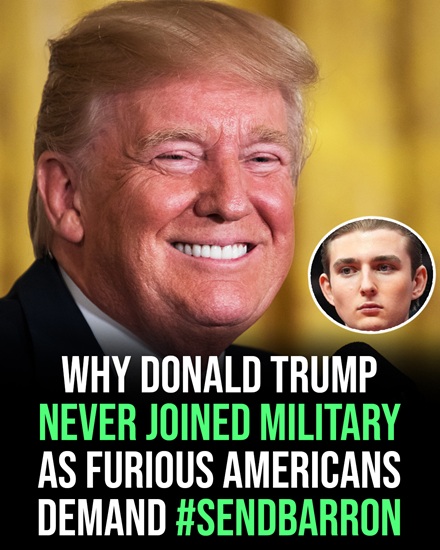
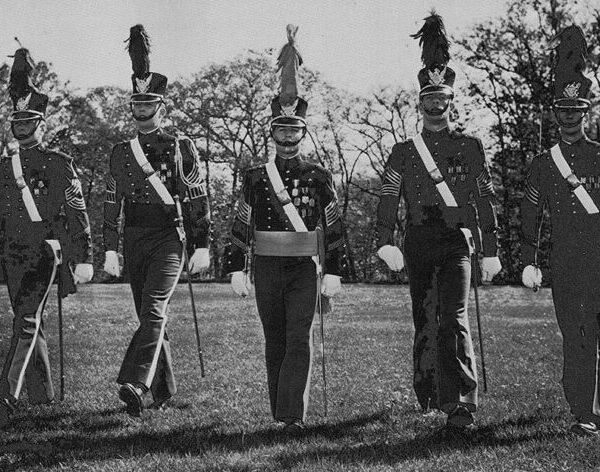
President Donald Trump reignited online discussions about his personal history with military service after posting a nostalgic throwback photo from his teenage years at the New York Military Academy.
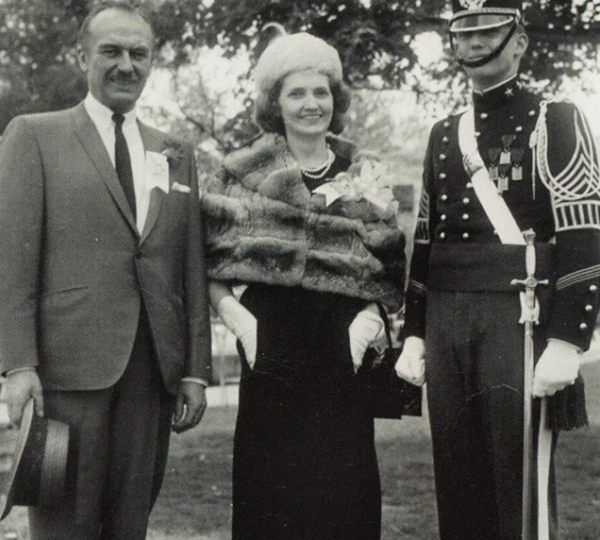
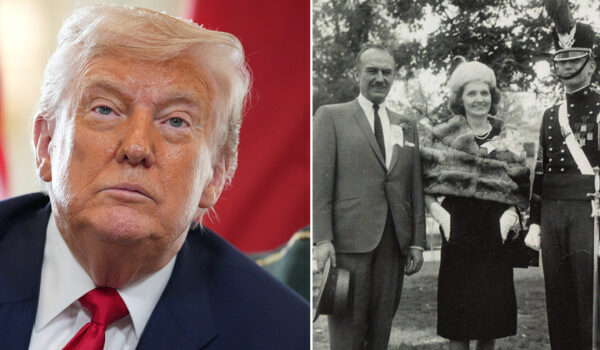
The post sparked reactions from supporters and critics alike. The image, shared on Truth Social last week, depicts a young Trump in full military-style uniform standing beside his parents.
Fred and Mary Trump, at the academy in Cornwall-on-Hudson, New York. He attended from age 13 until 18. Trump captioned the photo: “At Military Academy with my parents, Fred and Mary!” The post coincided with heightened global tension, coming just hours after U.S. Central Command reported a military refueling aircraft had gone down in western Iraq.
The timing of the post drew attention as U.S. and Israeli strikes in the Middle East escalated following tensions with Iran. Social media users quickly connected the nostalgic military image to Trump’s controversial past regarding the Vietnam draft.
During the Vietnam War, which lasted from 1955 to 1975, all American men aged 18 to 26 were eligible for conscription. Trump, born in 1946, was of draft age during the height of U.S. involvement in the conflict.
Trump reportedly received a total of five draft deferments during the Vietnam era. Four were student deferments, granted while he attended Fordham University and later transferred to the Wharton School at the University of Pennsylvania.
While at Fordham University, Trump briefly participated in the Reserve Officers’ Training Corps, or ROTC. The program prepares college students for commissioning as officers, which could have led to deployment to Vietnam after graduation.
Trump left the ROTC program in his second year as the war intensified. Participation in ROTC required a long-term commitment to military service, which he ultimately did not pursue, avoiding potential deployment to a conflict zone.
Reports indicate some professors at the time encouraged students to maintain high academic performance to avoid being drafted. While Trump did not make the dean’s list during his first year, he was advised to improve grades for draft deferment purposes.
Later, Trump received a medical exemption after being diagnosed with bone spurs in both heels. This condition, known medically as osteophytes, rendered him unfit for military service according to U.S. Selective Service standards.
Bone spurs are bony projections that develop along joint margins or the spine, often causing pain or mobility limitations. The Mayo Clinic notes that treatment may include medication, physical therapy, or surgery in severe cases.
Dr. Larry Braunstein, a podiatrist from Queens, reportedly diagnosed Trump with the condition, allegedly as a favor to Trump’s father, Fred. This diagnosis was key to securing deferment from military service during the Vietnam War.
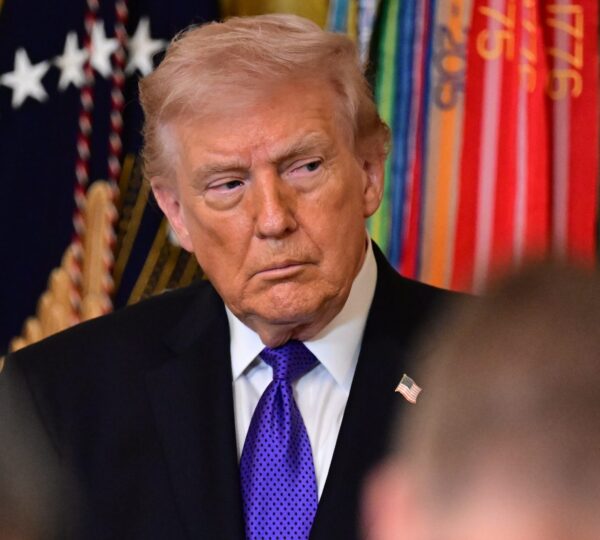
The draft exemption ultimately allowed Trump to avoid conscription, a fact that has fueled criticism and debate for decades. Critics argue that this history contrasts with his nostalgic posts highlighting his military academy background.
After Trump shared the military academy photo, journalist Aaron Rupar described the post as “unspeakably pathetic.” Political advocacy groups such as The Lincoln Project called the image “stolen valor,” implying a misrepresentation of military service.
Some online outlets mocked Trump, referring to him as “Cadet Bone Spurs” in reference to his medical deferment. The viral response demonstrates the enduring public scrutiny of Trump’s Vietnam-era draft history and military associations.
Trump has addressed the issue in prior interviews, describing the bone spur condition as temporary and minor. He claimed that the condition healed over time, emphasizing that it was not a permanent disability.
He also stated that he personally opposed the Vietnam War, describing it as distant and unnecessary, unlike conflicts such as World War II. Despite opposing the war, he did not participate in protests or public demonstrations.
In a 2019 interview, Trump said he would have been “honored” to serve, framing his avoidance of military service as a combination of medical exemption and personal opposition to the conflict, rather than a lack of patriotism.
Approximately 2.7 to 2.8 million Americans served during the Vietnam War, with 58,220 U.S. service members killed, more than 300,000 injured, and over 1,500 listed as missing in action for years after the war ended.
Trump’s military academy post resurfaced amid concerns over potential global conflict following U.S. and Israeli strikes on Iran. The international tensions reignited debates about conscription and military service eligibility in the United States.
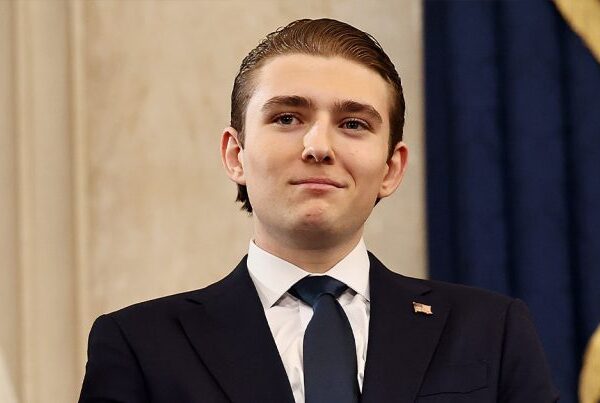
Discussions online also involved Trump’s youngest son, Barron, who is currently 19 and within the Selective Service registration age range. Users speculated whether he would be called if a draft were ever enacted.
Under current U.S. law, all male citizens and male immigrants between ages 18 and 25 must register with the Selective Service System. Failure to register can result in legal penalties and ineligibility for certain federal benefits.
If a draft were activated, men turning 20 during the lottery year would be called first, followed by those aged 21 through 25. This framework has led to debate over Barron Trump’s potential eligibility and prioritization.
Social media users made numerous jokes and comments about Barron serving first if a draft were imposed. Posts suggested he should be at the top of the list, blending humor with political commentary about the Trump family.
Some users wrote, “I am not joking about drafting Barron, send him in first,” while others added, “Barron should be the first one to be drafted,” highlighting the viral nature of the debate on platforms like Twitter and Facebook.
However, Barron’s potential military service eligibility may be limited by his height. At 6’7”, he may exceed the optimal height range for certain military roles, particularly in confined spaces such as tanks or armored vehicles.
The U.S. Army and other branches set height limits for positions requiring physical fit in restricted environments. Barron’s tall stature could effectively disqualify him from specific roles, though many positions remain open to taller individuals.
The debate reflects broader public engagement with military history, current draft laws, and the Trump family’s political profile. Nostalgic posts, combined with global conflict concerns, amplify scrutiny of personal military history and family eligibility.
Trump’s nostalgic image contrasts sharply with public memory of his Vietnam-era deferments. While the academy post emphasizes discipline and tradition, critics highlight the ways in which he legally avoided military service.
Online reactions demonstrate the polarized nature of public discourse. Supporters praised the military academy image as a reflection of youth, discipline, and family pride, while detractors used it to critique draft avoidance and perceived hypocrisy.
Social media commentators have repeatedly used the Vietnam War as a benchmark for patriotism and public service, comparing Trump’s deferments with the sacrifices made by millions of American men who served during that era.
The timing of Trump’s post also sparked debate regarding its juxtaposition with real-world military incidents, such as the downing of a U.S. military refueling aircraft in Iraq, linking online discussion to contemporary military tensions.
Analysts noted that discussions about Barron Trump entering the military highlight public fascination with the intersection of family legacy, political power, and national service, particularly in the context of a prominent political figure.
Military experts have pointed out that height, physical fitness, and specific role requirements can influence draft eligibility. Barron’s stature may prevent assignment to certain combat or technical positions, though many other roles in the military remain possible.
Public debate surrounding Trump’s military service history also underscores ongoing national conversations about the draft, Selective Service compliance, and the role of personal medical exemptions during periods of conscription.
Vietnam-era draft deferments, like those Trump received, remain a point of discussion for historians, journalists, and political commentators examining fairness, social privilege, and the application of medical or student deferments.
Social media posts often blend political critique with humor, as seen in jokes about Barron and Trump’s nickname “Cadet Bone Spurs.” This reflects the way political discussion increasingly incorporates meme culture and viral commentary.
Trump’s own statements about Vietnam demonstrate a combination of personal opinion, historical context, and self-defense. He framed his opposition to the war as principled but did not engage in activism or public protest during the conflict.
Historical context indicates that student deferments and medical exemptions were common among draft-age men, particularly those attending college. These policies affected thousands of young Americans, influencing perceptions of fairness and service.
Public discussion about Trump’s draft history often intersects with broader political debates, including questions of privilege, socioeconomic status, and the influence of family connections in avoiding military service.
The controversy illustrates the enduring importance of military service in American cultural and political discourse. Images from Trump’s youth at a military academy evoke nostalgia, discipline, and tradition, which can conflict with historical scrutiny.
Trump’s nostalgic post also coincided with global security concerns, underscoring how personal histories of political figures are often discussed in tandem with current events, particularly military conflicts involving the U.S. and allies.
The debate about Barron Trump reflects contemporary concerns about military readiness, national service, and draft eligibility, demonstrating how family members of high-profile figures can become part of public discourse on military obligations.
Height, physical suitability, and role requirements are essential considerations for military recruitment. While Barron may face limitations in certain positions, these factors do not automatically exempt him from service if registration requirements are enforced.
Critics of Trump’s Vietnam-era deferments often contrast his experience with that of individuals who served on the frontlines, emphasizing the risks, sacrifices, and losses endured by millions of Americans during the war.
Supporters argue that Trump’s deferments were legal, medically justified, and consistent with policies available to many draft-age men. They point out that deferments did not prevent him from expressing patriotic values or later serving the country in public office.
The discussion surrounding Trump’s military academy photo illustrates the broader intersection of social media, political critique, and historical memory, showing how personal history is continually reexamined in light of current events.
