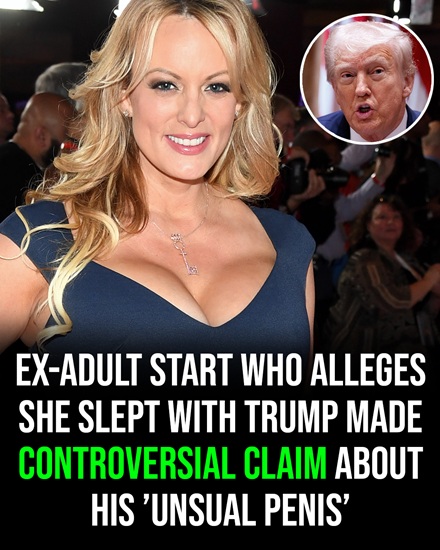
Stormy Daniels, born Stephanie Clifford, is a former adult film actress who gained international attention for claiming to have had a sexual encounter with Donald Trump in 2006. She later detailed this alleged meeting in her memoir, Full Disclosure.
In Full Disclosure, Daniels provides a blunt and highly personal account of the encounter. She describes the situation in unflattering terms, sparking public debate, media coverage, and widespread discussion about the former president’s private conduct.
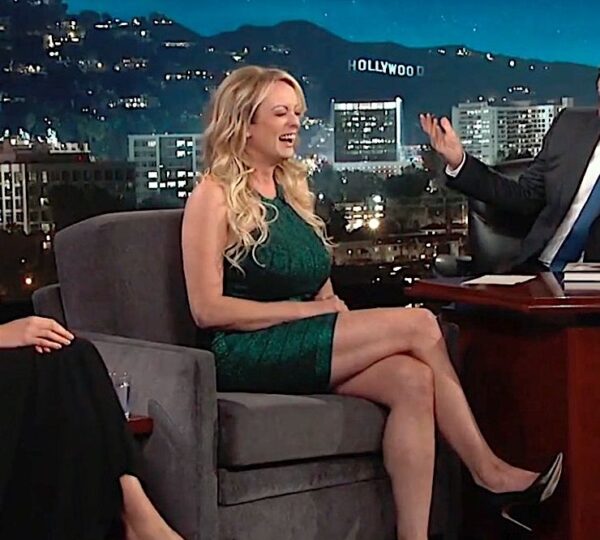
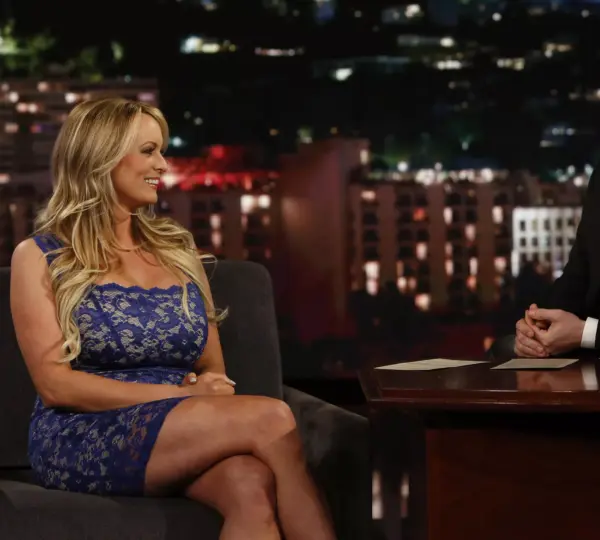
Her account gained renewed attention in 2018 during an appearance on Jimmy Kimmel Live. During the interview, Daniels elaborated on passages from her memoir, highlighting details that many found provocative, unusual, or humorous.
One particularly memorable segment involved Daniels comparing Trump’s anatomy to a mushroom character from the popular video game Mario Kart. The comparison, she joked, captured her experience in a humorous and exaggerated way.
Kimmel played along with the segment by presenting multiple mushrooms on stage, asking Daniels to select which one most resembled the object of her comparison. She ultimately chose one of the smallest mushrooms as a joke.
Daniels commented on the reaction her remarks received. She said, “Do you know how much hate mail I’ve gotten from people who love Mario Kart? In one day, I managed to ruin half of America’s childhood and mushroom farming everywhere.”
The alleged encounter itself, according to Daniels, began after a chance meeting at a golf tournament. She claims that Trump later invited her to his hotel suite for what he described as dinner and conversation.
Daniels described the initial impression of Trump’s attire during the meeting. She recalled that he wore silky black pajamas when opening the hotel room door, comparing the outfit to a less glamorous version of Hugh Hefner’s signature style.
According to Daniels, the dinner Trump had promised never materialized. She commented that she had been motivated by the prospect of food, joking about staying longer than she might have otherwise simply because she expected snacks.
Daniels’ memoir includes vivid descriptions of interactions that, if true, paint a detailed picture of their alleged private encounter. She often uses humor to convey her experience, including exaggerated gestures and metaphors.
During her Jimmy Kimmel Live appearance, Daniels reenacted moments from the memoir, including a scene in which she allegedly spanked Trump using a magazine featuring his own image on the cover, blending performance with narrative storytelling.
These claims later became a key part of a significant legal case. In New York, Trump was convicted on 34 counts related to falsifying business records connected to payments made to Daniels prior to the 2016 election.
The payments were arranged through Trump’s former attorney, Michael Cohen, who provided Daniels with $130,000 in exchange for her silence about the alleged sexual encounter. This agreement was central to the prosecution’s argument.
During the trial, Daniels provided testimony about the alleged 2006 meeting in a Lake Tahoe hotel suite. She described her interactions with Trump, his attire, and questions he asked prior to the encounter, providing details to corroborate her claims.
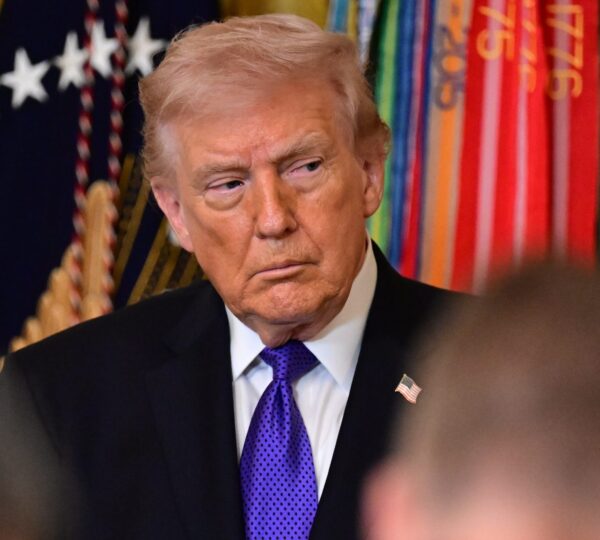
Trump has consistently denied that any sexual relationship occurred. His public statements and legal filings maintain that the allegations are false and politically motivated, emphasizing his denial in multiple interviews and official statements.
Following the conviction, Trump’s legal team filed an appeal arguing that the prosecution was politically charged. Lawyers claimed the case was unprecedented in its timing and scope, framing it as influenced by partisan considerations.
The appeal argued that some evidence should have been excluded under a Supreme Court precedent protecting presidents from prosecution for actions deemed “official acts.” The defense contended that the case improperly conflated personal behavior with presidential conduct.
Legal analysts noted that the case represented a complex intersection of personal allegations, election law, and the legal boundaries surrounding a sitting president or former president. The appeal raised broader questions about political and legal accountability.
Daniels’ public comments and her memoir contributed to ongoing media discourse about the former president, his behavior, and the role of journalism in covering political figures’ private lives. Her narrative became both widely discussed and controversial.
Media coverage of Daniels’ claims included interviews, op-eds, and investigative reporting. Outlets examined the credibility of her statements, the legal context of the payment, and broader implications for political accountability during and after the 2016 election.
Public reactions to Daniels’ accounts were polarized. Supporters of Trump dismissed her statements as false or exaggerated, while others viewed her claims as serious, shedding light on ethical and legal questions surrounding the former president’s actions.
The “mushroom” comparison, while humorous, became a viral moment on social media, prompting memes, news coverage, and commentary across platforms. The anecdote demonstrated the blend of pop culture and political controversy that often surrounds Daniels’ public appearances.
In addition to describing the alleged encounter, Daniels’ memoir includes reflections on her career, personal experiences, and challenges in navigating public attention, particularly after making high-profile allegations against a sitting or former president.

Daniels’ appearance on Jimmy Kimmel Live in 2018 allowed her to reach a wide audience. The combination of humor, personal anecdote, and candid reflection made the segment widely shared and discussed in mainstream media.
The legal case stemming from the payment involved careful examination of Cohen’s role, the timing of the payment relative to the election, and the nature of record-keeping that led to falsification charges against Trump in New York.
Trump’s defense emphasized that the legal process was politically motivated. Attorneys framed the prosecution as part of an attempt to influence public perception, arguing that legal action should not have been undertaken based on campaign-related payments.
Experts analyzing the case noted the unusual nature of prosecuting a former president for financial record falsification tied to personal conduct allegations. The trial became a precedent-setting event in U.S. legal history.
During the trial, Daniels provided detailed testimony about the alleged meeting, describing events in a hotel suite and recounting interactions in a neutral, matter-of-fact tone that underscored her credibility to prosecutors and the court.
Observers noted that Daniels’ public persona and career in adult film did not disqualify her from being taken seriously as a witness. Courts considered corroborating evidence, including payment records and communications with legal representatives.
The case also prompted discussion about nondisclosure agreements in political contexts. Analysts debated the ethical, legal, and public policy implications of payments intended to prevent disclosure of alleged personal conduct by public figures.
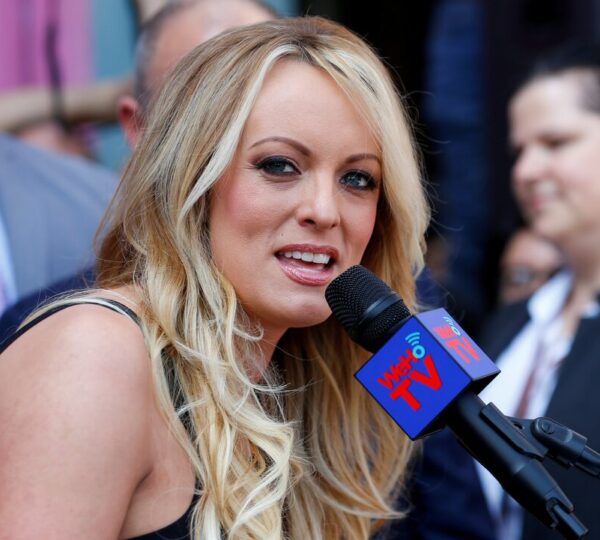
Social media amplified Daniels’ accounts. Clips of interviews, television appearances, and book excerpts circulated widely, generating discussion on platforms including Twitter, Facebook, and Instagram, increasing both public scrutiny and media coverage of the allegations.
Daniels’ recollection of the dinner and the silk pajamas contributed to a narrative that blended personal humor with serious allegations, illustrating the complexities of combining storytelling, personal experience, and legal testimony.
The trial highlighted the intersection of politics, law, and media coverage, with Daniels’ testimony providing first-hand insight into the events that led to the conviction and the broader public discussion surrounding the case.
Trump’s appeal argued procedural issues, including timing, jurisdiction, and the nature of the charges. His legal team claimed prosecutorial overreach and presented arguments that certain evidence should have been excluded due to presidential immunity considerations.
Despite the legal proceedings, Daniels remained a central figure in public conversation. Interviews, media appearances, and book promotions kept the story in the national consciousness, illustrating the long-term impact of high-profile allegations on political figures.
The combination of humor, personal narrative, and legal testimony in Daniels’ accounts created a complex public perception, with audiences engaging with both the entertainment aspects and the serious legal implications of her claims.
Daniels’ detailed recollections, including anecdotes about magazines, jokes, and personal observations, were presented alongside more serious claims regarding meetings, communications, and payment arrangements, highlighting the multifaceted nature of the story.
Media coverage examined the broader implications for presidential accountability. Analysts discussed how payments intended to suppress personal allegations intersected with election law, record-keeping, and public transparency expectations in the U.S.
The viral aspects of Daniels’ interviews, including the mushroom comparison, served to humanize her narrative while simultaneously drawing attention to the legal and political significance of her allegations against Trump.
Public discourse also considered gender dynamics. Female journalists, authors, and commentators analyzed how Daniels’ status as a woman in the adult entertainment industry affected public perception, legal scrutiny, and media coverage of her claims.
The trial and subsequent appeal involved multiple layers of evidence, including testimony, written agreements, and financial records. Each element was carefully examined by courts to determine the legitimacy and implications of the payments and related claims.
Daniels’ candid recollections, humor, and media appearances underscored her willingness to openly discuss sensitive topics, providing insight into both her personal experiences and the legal ramifications surrounding Trump’s conviction.
Observers noted that the case illustrated challenges in separating personal allegations from political implications, demonstrating how individual narratives can influence public opinion, media coverage, and legal proceedings simultaneously.
Daniels’ continued public engagement, including interviews, panels, and book discussions, reinforced her role in shaping the discourse around the allegations, maintaining focus on both personal experiences and broader societal implications.
The narrative surrounding the alleged encounter, legal proceedings, and public commentary demonstrates the intersection of celebrity, politics, and law, highlighting how individual accounts can become central to national discussion and legal precedent.
Ultimately, Daniels’ memoir, media appearances, and testimony provide a comprehensive account that combines personal storytelling with factual, legally relevant details, illustrating the enduring complexity and public interest in the story.
