
Most of us approach laundry as a routine task: toss our clothes into the washing machine, pour in detergent, press a button, and hope that our garments emerge clean, bright, and fresh.
For the first few weeks after purchase, shirts, jeans, towels, and other everyday essentials often live up to that expectation.
Whites appear dazzling, colors seem vibrant, and even fabrics that are prone to wear feel soft. However, as months and years pass, many people notice that their clothes no longer look as crisp or vibrant as they once did.
Whites can begin to take on a dull, grayish tint; colors may appear muted, and even freshly washed fabrics can retain a slight odor, despite regular laundering.

It’s a subtle but frustrating shift — one that leads many people to mistakenly assume their clothes are simply “old” or “worn out,” when in reality, the culprit is often an invisible buildup of residue that standard washing alone struggles to remove.
Why Clothes Lose Their Freshness Over Time
Understanding why clothes lose their luster helps explain why adding one small extra step to your laundry routine can make such a big difference.
Clothing fibers, whether natural or synthetic, attract and trap oils from our skin, sweat, lotions, and even hair products.
Over repeated washes, detergent may not fully break down or rinse away these residues, especially when washing machines are overloaded, water temperatures are low, or cycles are too short.
In addition, fabric softeners, dryer sheets, and even certain detergents can leave behind microscopic coatings on fibers.
These layers may make fabrics feel smooth temporarily, but over time, they contribute to dullness by trapping additional grime. Hard water is another factor.
Minerals such as calcium and magnesium can cling to fabrics during washing, leaving whites slightly gray and colors less vibrant.
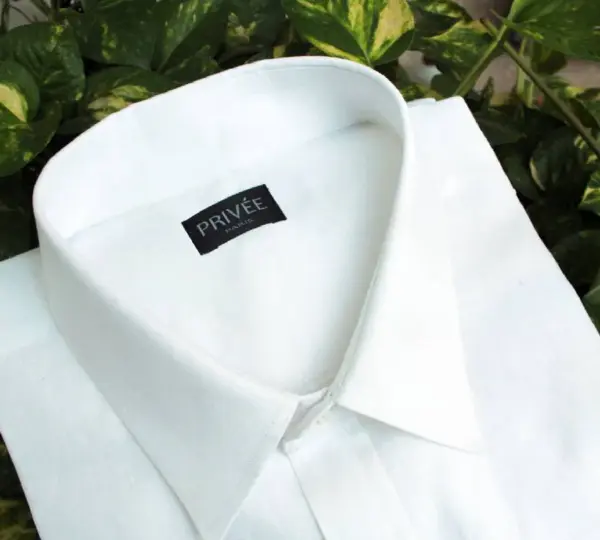
Even if you’re conscientious about sorting laundry and using the correct water temperature, these unseen buildups accumulate silently, robbing garments of brightness and freshness.
The Power of a Simple Household Booster
The good news is that combating this buildup doesn’t require expensive specialty detergents, high-end laundry gadgets, or hours of extra effort.
Experts consistently recommend a straightforward, affordable solution: adding a small amount of a natural household ingredient — such as white vinegar or baking soda — to your regular wash cycle.
While these ingredients will not replace detergent or magically erase all stains, they can amplify the cleaning power of your existing routine, restore softness, and enhance color brightness without harsh chemicals.
White Vinegar
White vinegar is slightly acidic, which gives it the ability to break down alkaline residues left behind by detergents, sweat, and body oils.
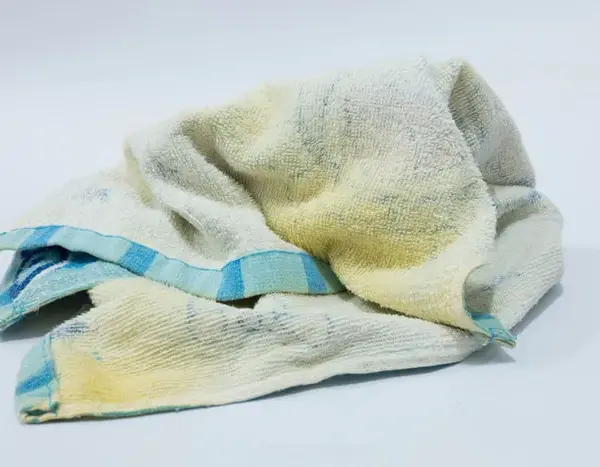
By neutralizing these deposits, vinegar helps fabric fibers release trapped dirt and restore a naturally clean feel. When used in laundry, vinegar can:
-
Brighten colors: The acidity helps lift dulling buildup from colored fabrics, making reds, blues, and other hues appear more vivid.
-
Whiten whites: For whites that have begun to appear gray, vinegar helps dissolve mineral deposits from hard water, leaving fabrics brighter.
-
Soften fabrics naturally: Vinegar acts as a gentle fabric softener, reducing stiffness without leaving a chemical coating.
-
Neutralize odors: Lingering smells from sweat or food spills can be minimized, leaving garments smelling fresh without artificial fragrances.
To use vinegar effectively, add about half a cup to a full cup of white vinegar to the washing machine during the rinse cycle.
This ensures that the acid primarily interacts with fibers after detergent has lifted dirt and oils, enhancing cleaning without interfering with soap performance.
Baking Soda
Baking soda, or sodium bicarbonate, works differently but is equally effective. As a mild alkaline, it helps balance water pH, making detergents more efficient at breaking down oils and dirt.

It also acts as a gentle deodorizer, helping to neutralize odors rather than just mask them with fragrance. Benefits of adding baking soda to laundry include:
-
Improved detergent performance: Baking soda enhances the cleaning ability of regular detergent by softening water and allowing the soap to penetrate fibers more effectively.
-
Odor control: Garments that retain smells, like athletic wear or towels, can emerge noticeably fresher.
-
Fabric softening: Similar to vinegar, baking soda can make clothes feel softer without relying on commercial fabric softeners.
-
Brightening effect: Whites and light-colored fabrics regain a subtle brightness, helping to reverse the dull, washed-out appearance caused by buildup.
To use baking soda, simply add half a cup to your detergent compartment or directly into the drum along with your usual detergent. For heavily soiled or odor-prone items, increasing the amount slightly can provide extra cleaning power without harming fabrics.
How to Integrate This Step into Your Routine
Incorporating vinegar or baking soda into your laundry routine is straightforward, quick, and inexpensive. Here is a simple approach:
-
Sort your laundry as usual: Keep whites, darks, and colors separate to prevent color transfer.
-
Add detergent: Use your standard detergent based on load size and fabric type.
-
Add your booster: For vinegar, use the rinse cycle addition. For baking soda, mix it in with the detergent at the beginning.
-
Choose the correct water temperature: Warm water is generally sufficient for most loads, helping dissolve residues without shrinking fabrics.
-
Avoid overloading: Overfilled machines prevent proper agitation and rinsing, reducing the effectiveness of both detergent and your natural booster.
-
Optional extra rinse: If desired, an extra rinse cycle ensures complete removal of residues and enhances softness further.
By integrating this small extra step just once per load, many people notice improvements immediately. Garments feel softer, colors appear brighter, and whites regain a subtle brilliance that had faded over months of regular washing.
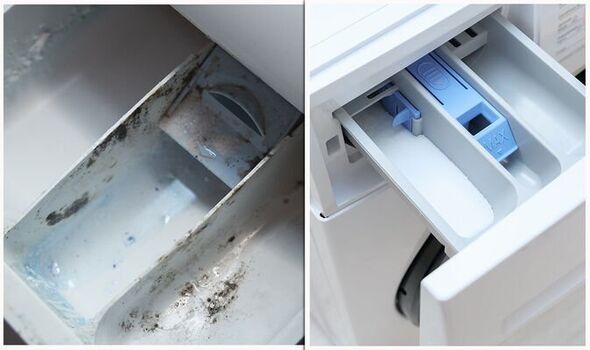
Special Considerations
While vinegar and baking soda are gentle and safe for most fabrics, a few precautions help maintain garment quality:
-
Delicate fabrics: Silk, wool, or hand-stitched items may require a specialized gentle cycle. While small amounts of vinegar are usually safe, excessive use may affect natural fibers over time.
-
Sealed machines: Some washing machines recommend limiting vinegar usage to avoid potential rubber seal degradation. Check manufacturer guidelines if uncertain.
-
Stubborn stains: Vinegar and baking soda enhance routine cleaning but are not a substitute for targeted stain treatment. For example, tomato, blood, or ink stains may still require pre-treatment or specialty stain removers.
-
Fabric softeners: When using vinegar, it’s best to avoid traditional fabric softeners simultaneously, as the chemical interaction may reduce effectiveness. Baking soda, however, can be used alongside most softeners without issue.
Why It Works
The science behind vinegar and baking soda is straightforward. Laundry detergents primarily work by using surfactants to loosen dirt and oils from fabrics and suspend them in water.
Over time, though, surfactants themselves can leave behind a thin film, particularly when washing frequently or in hard water.
Vinegar’s acidity breaks down that film, releasing trapped dirt, while baking soda’s alkaline properties neutralize odors and soften water for more effective cleaning.
The combined result is cleaner, brighter, and fresher-feeling clothing, achieved without harsh chemicals or aggressive scrubbing.
Beyond Cleanliness: The Joy of Refreshed Clothes
There’s something psychologically satisfying about pulling a freshly cleaned and revived shirt from the dryer. Clothes carry memories: the first shirt you wore to an important meeting, your favorite jeans on a weekend hike, the towels you use to wrap up after a relaxing shower.
Restoring fabrics’ brightness and softness can subtly enhance daily routines, making tasks like getting dressed or folding laundry more pleasant.
The extra step of adding a simple booster becomes a tiny act of care, a way to respect and extend the life of your clothing while minimizing waste.
Moreover, natural boosters like vinegar and baking soda are eco-friendly alternatives. Commercial additives often contain synthetic fragrances, dyes, and softening agents that can impact the environment when washed into waterways.
Using simple household ingredients reduces chemical exposure, minimizes environmental impact, and still achieves excellent results.
A Small Adjustment with Big Impact
The beauty of this laundry tip lies in its simplicity. You don’t need to overhaul your routine, purchase expensive detergents, or invest in specialized equipment.
A half-cup of white vinegar in the rinse cycle, or a half-cup of baking soda with your detergent, is all it takes to unlock a noticeable difference in how your clothes look and feel.
Over time, these small adjustments compound: fabrics last longer, maintain vibrancy, and remain comfortable to wear.
Even more, this principle extends beyond laundry. It’s a reminder that minor tweaks in our daily routines — whether in cleaning, cooking, or organization — often provide outsized benefits. Small, deliberate interventions can improve results dramatically without increasing effort or cost.
A Practical Summary
To summarize:
-
Clothing loses brightness over time due to oils, sweat, detergent residue, and minerals from water.
-
White vinegar and baking soda are gentle, effective, and inexpensive boosters that help reverse these effects.
-
Vinegar is slightly acidic, breaking down residue, neutralizing odors, softening fabrics, and brightening whites and colors.
-
Baking soda is mildly alkaline, enhances detergent efficiency, neutralizes odors, softens fabrics, and brightens clothing subtly.
-
Both can be integrated easily into a normal wash cycle, requiring only small adjustments.
-
Careful use ensures safety for most fabrics while avoiding harsh chemicals.
By adopting these practices, even well-worn shirts, towels, and everyday essentials can regain freshness, softness, and vibrancy — sometimes making them look and feel almost like new again.
Final Thoughts
Laundry is more than a chore; it is part of daily life and personal care. When clothes feel clean and comfortable, they positively influence our mood and confidence.
Adding one small, inexpensive step to your routine — a half-cup of vinegar or baking soda — is an easy, effective way to enhance the outcome without complicating the process.
Rather than accepting dull, lifeless fabrics as inevitable, this small adjustment offers a practical solution that keeps your favorite garments looking their best.
It’s a simple, accessible reminder that attention to detail, even in routine tasks, can produce remarkable results. With minimal effort, you can restore the look, feel, and scent of your clothing, proving that small changes often yield the greatest rewards.
Next time you load your washer, consider this extra step. Your clothes will thank you with renewed softness, brighter colors, and the subtly refreshing feeling of garments that feel truly clean — the way laundry was meant to feel.
