Across the political spectrum, there is ongoing public interest in the health of national leaders — especially when they are older, highly visible, and regularly scrutinized on the world stage.
The conversation is not unique to any one figure; questions about stamina, cognition, and physical condition often arise during extended terms in office.
These discussions tend to intensify when prominent public moments draw attention, or when observers note changes they perceive over time.
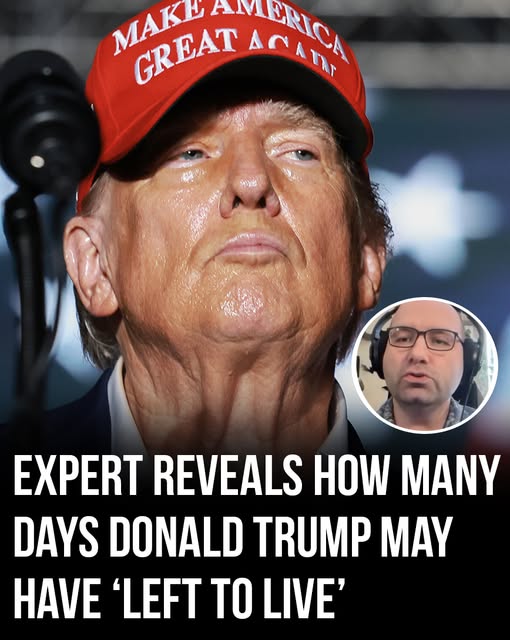
Recently, that conversation has focused again on President Donald Trump, especially following his attendance at the World Economic Forum in Davos and other public appearances.
While the president and his medical team have maintained that he is in good health, some professionals and commentators have raised questions about age, communication patterns, and general physical condition.
This article explores the broader context of these concerns, what is publicly known, how experts talk about aging and health more generally, and why transparent health reporting matters in leadership.
Age and the Presidency: A Historical Perspective
Donald J. Trump holds a historical age record: as of 2026, he is the oldest person to serve as President of the United States.
Born on June 14, 1946, he was 70 when first inaugurated in 2017, and would be approaching 80 during his current term. This contrasts with previous presidents, most of whom have tended to be younger at the outset of their service.
Age alone, however, does not determine health. Many individuals in their late 70s and beyond maintain robust physical and cognitive function.
Still, aging does coincide with increased risk for cardiovascular conditions, neurologic changes, and other chronic health issues that merit attention — particularly in roles with high cognitive and physical demands.
For comparison, President Ronald Reagan, who left office at age 77, is often referenced in discussions about presidential age and health.
Other leaders internationally have also faced scrutiny over age‑related health questions. In every case, public interest is driven by the seriousness of the job and the potential impact of health on leadership.
Public Health Reporting: What Is Officially Known
Official health information about U.S. presidents typically comes from statements released by White House physicians following periodic physical examinations. These reports may include:
Vital statistics (blood pressure, heart rate, weight)
Results of cardiac tests
Laboratory findings
Cognitive screening outcomes (when performed)
Physician commentary on overall condition
For President Trump specifically, his medical records have historically been released in summary form after annual exams, noting conditions like elevated cholesterol, an exercise regimen, and routine medication use.
None of these reports, as of the most recent public disclosures, include diagnoses of serious neurological diseases such as dementia.
It is also important to note that health privacy regulations prevent doctors from disclosing detailed medical records without consent, and that public summaries are voluntarily released by the administration — not mandated by law.
The Davos Appearance and Public Observations
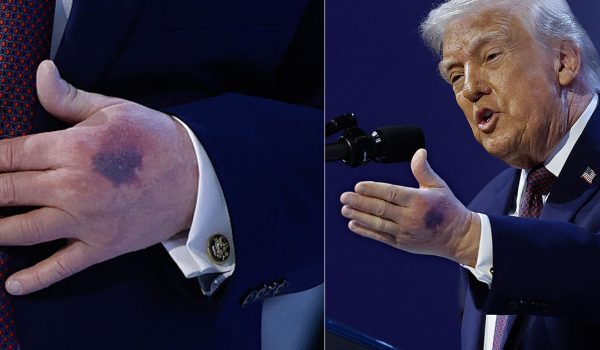
In January 2026, President Trump attended the World Economic Forum in Davos, Switzerland, a widely covered international event. Observers and some media outlets noted visible bruising on his hands.
Initial explanations from the White House attributed the marks to a minor incident involving a bird, and officials characterized the injuries as superficial.
Beyond physical marks, public focus on facial expression, speech patterns, and gait has grown in recent years — not just for Trump but for other senior leaders globally.
Such observations, when made by non‑medical observers (including journalists and internet commentators), may reflect subjective impressions rather than clinical findings.
Expert Commentary and the Limits of Public Observation
Following the Davos trip and subsequent public appearances, some commentators — including licensed health practitioners — have weighed in with their interpretations.
In a video on The David Pakman Show, a licensed physical therapist with years of clinical experience discussed age‑related health and raised general questions about neurological health based on publicly available footage.
It is critical to understand a few guiding points about such commentary:
Non‑physicians cannot diagnose medical conditions. Licensed physical therapists are highly trained in musculoskeletal function and rehabilitation, but diagnosing neurological disease (such as dementia) requires comprehensive medical evaluation, including clinical history, cognitive testing, imaging, and laboratory studies.

Video observation alone is not sufficient for diagnosis. Health professionals caution against drawing definitive medical conclusions based solely on selected public appearances, especially when the context, lighting, task demands, and individual variability are unknown.
Age‑related changes are common and not synonymous with disease. Variations in walking gait, speech cadence, reaction time, and facial expressivity can be influenced by factors such as fatigue, stress, environment, and normal aging.
Patterns matter more than individual moments. Clinicians generally emphasize that diagnosing cognitive or neurological disorders requires consistent, documented changes over time, informed by objective assessment tools — not isolated clips from media appearances.
For these reasons, major health organizations and credentialed medical professionals urge caution whenever interpreting public behavior as evidence of specific disease processes.
Frontotemporal Dementia and Neurological Conditions: General Facts
Some commentators have referenced conditions like frontotemporal dementia (FTD) when discussing neurological decline.
FTD is a rare form of dementia that affects the frontal and temporal lobes of the brain and can lead to changes in behavior, personality, and language. However:
FTD is clinically diagnosed, often involving neurologists, neuropsychologists, and imaging specialists.
Its average progression timeline (often cited loosely as seven to 12 years) varies widely and cannot be accurately predicted without detailed evaluation.
Public appearances alone cannot confirm or refute the presence of FTD or any specific neurological disease.
Health experts emphasize that speculation about specific diagnoses without clinical data is inappropriate and can misinform the public.
Why Public Interest in Leader Health Persists
Health transparency in leadership matters for several reasons:
Governance demands cognitive and physical stamina. Heads of state often make high‑stakes decisions under pressure, which makes public confidence in health a matter of national interest.
Trust and transparency. Openness about health status can strengthen public trust, particularly when leaders are older than the historical average.
Evolving societal norms. As life expectancy increases and older adults remain active in public life, societies are navigating how to balance privacy with the public’s interest in capacity.
Consistency and context. Observers often compare current leaders’ performance with past leaders, interpreting behavior through cultural and historical lenses.
At the same time, experts emphasize that a delicate balance must be maintained between legitimate public interest and respecting individual privacy and dignity.
What Medical Experts Actually Say About Age and Cognitive Health
When medical professionals speak generally about aging and cognitive health, several well‑supported points emerge:
Aging affects everyone differently. Some individuals remain sharp and physically robust well into advanced age, while others may experience typical age‑related changes in memory or processing speed.
Normal aging is not the same as dementia. Common age‑related memory lapses (like forgetting a word) do not necessarily indicate a degenerative condition.
Cognitive health screening is a multi‑step clinical process. Tools such as the Montreal Cognitive Assessment (MoCA) or Mini‑Mental State Exam (MMSE), combined with clinical evaluation, are used by neurologists and geriatricians.
Chronic conditions can influence function. Conditions like hypertension, diabetes, or cardiovascular disease can affect brain health over decades, which is why many clinicians advocate preventive care and regular screenings.
Regular health reporting helps inform public understanding. When health reports include results of blood measures, functional tests, and physician interpretation, they provide a fuller picture than isolated media clips.
These principles guide clinicians in discussing age and cognitive function at a population level — but they do not support diagnosing specific individuals without direct evaluation.
The Role of Media, Commentary, and Public Dialogue
In the digital age, audio and video clips spread rapidly, and social media amplifies commentary from a wide range of voices — from credentialed professionals to amateur observers. This environment has benefits and challenges:
Benefit: It encourages public engagement on topics like health, science, and leadership capacity.
Challenge: It can blur the line between fact, opinion, and speculation, especially when emotionally charged topics are involved.
Responsible reporting and commentary distinguish clearly between:
What is observed (e.g., “the president’s visible bruise was explained as accidental”);
What has been publicly disclosed (e.g., official health summaries from White House physicians);
What is scientifically established (e.g., how aging can affect general health); and
What is opinion or speculation (e.g., individual assessments not backed by clinical data).
Letters, tweets, and videos may reflect professional insight — but without full clinical context, they remain opinion.
Aging Leaders Around the World: A Broader Context
Questions about age and leadership are not unique to the U.S. In many countries, leaders in their 70s or 80s hold high office. For example:
UK Prime Ministers have often served into their 70s.
Leaders in European and Asian nations have similarly led well past conventional retirement ages.
These examples show that advanced age alone does not preclude effective governance. What matters is functional ability, which can only be assessed through careful, comprehensive evaluation and candid health reporting.
Why Verifiable Health Reporting Matters
The most constructive path forward combines:
Transparent, periodic health evaluations by qualified physicians;
Regular public summaries of key findings (as has been customary for U.S. presidents);
Clear communication about age‑related norms versus concerning clinical findings;
Professional restraint from unsupported diagnosis in media commentary.
This approach respects individual privacy while satisfying legitimate public interest in the capacity of those in leadership positions.
Conclusion: A Balanced, Informed Conversation
Public curiosity about a leader’s health is understandable — especially when the leader is among the oldest in the nation’s history and frequently in the global spotlight.
What is not appropriate is to leap from observation to medical diagnosis without direct clinical evidence.
Responsible discourse distinguishes between:
Known facts (age, official health summaries, public appearances);
General medical understanding of aging and cognition (age‑related changes vs. disease);
Expert opinion offered with appropriate caveats; and
Unsupported speculation.
By grounding public discussion in verified information, clear context, and respect for privacy, the conversation about age and health in leadership can remain constructive, informative, and respectful — while still addressing the questions many people care about.
