Optical illusions have long fascinated humans. They engage the brain in ways that feel simultaneously playful and perplexing.
Forcing viewers to reconsider what they see and challenging the way perception interacts with reality. Among the most intriguing illusions are those that hide figures within natural scenes or cleverly integrate human elements into seemingly ordinary backgrounds.
These illusions test not only eyesight but also patience, attention to detail, and cognitive flexibility. A new wave of optical illusions has taken the internet by storm, captivating viewers worldwide with images that reward those who slow down, look closer, and think outside the box.
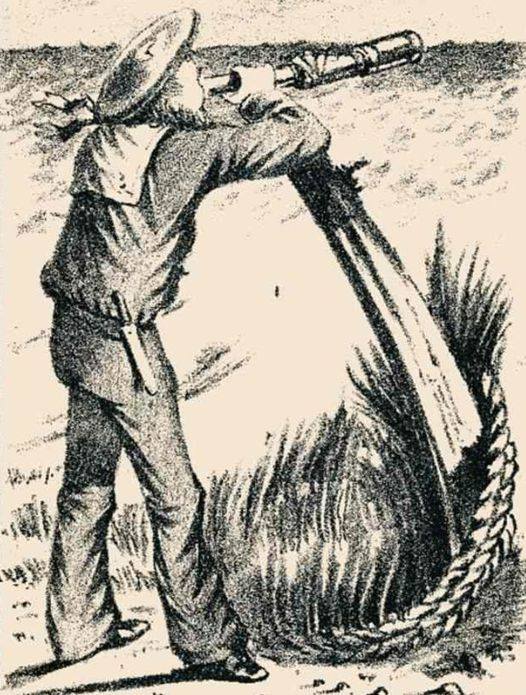
One such image involves a classic sailor scene, which has become a viral sensation for its clever design and the challenge it presents: spotting a hidden figure that most people initially overlook.
The Sailor and the Hidden Wife Illusion
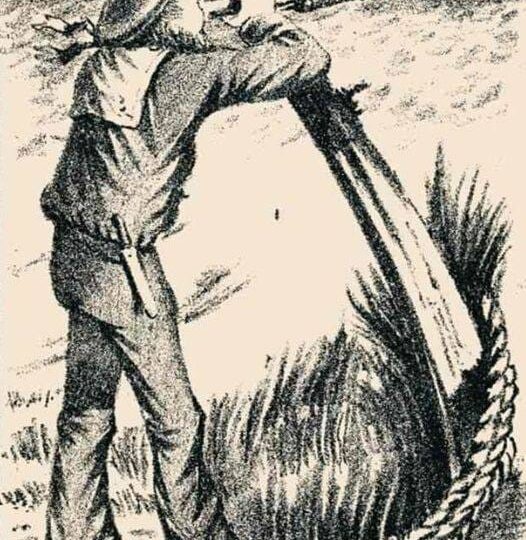
At first glance, the photograph appears simple: a young man stands on the shoreline, holding a telescope as he gazes toward the horizon. The sea stretches infinitely before him, with gentle waves lapping at the shore.
The setting seems peaceful, evoking the timeless imagery of sailors scanning the seas for ships, whales, or distant islands.
However, as anyone who has attempted to solve this viral illusion knows, things are rarely as straightforward as they appear.
This is not just a picture of a sailor with a telescope — it is an expertly crafted optical puzzle designed to hide an important figure in plain sight. In this case, the figure is the sailor’s wife, cleverly camouflaged within the composition.
What makes this illusion particularly challenging is how the human brain processes faces versus shapes. Our minds are hardwired to detect human faces quickly, even when they are partially obscured or blended with their surroundings.
This phenomenon, known as pareidolia, is why many people instinctively see faces in clouds, tree bark, or inanimate objects. Yet, in this image, the wife’s face is masked so subtly that it requires deliberate, careful observation to detect.
Spotting the Wife
For viewers attempting to solve the puzzle, the key is to look beyond the obvious. The sailor’s wife is not standing openly; rather, she is hidden between the telescope stand and the sailor’s legs, her features blending seamlessly with the background. At first, it may seem impossible to discern her from the surrounding shapes, shadows, and textures.
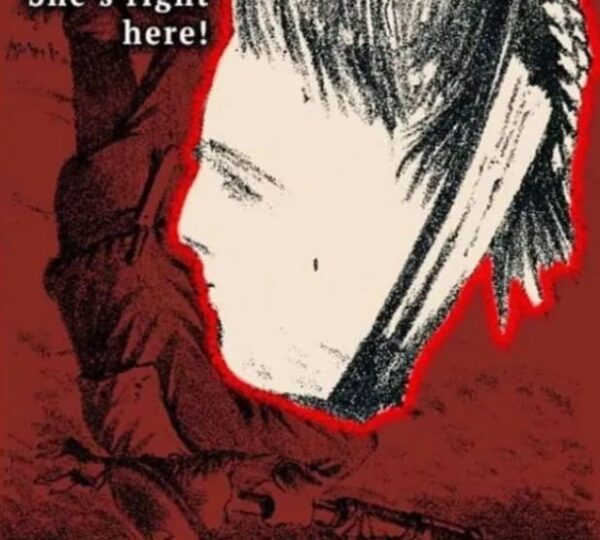
This type of illusion demonstrates the brain’s struggle to balance top-down and bottom-up processing. Bottom-up processing relies on raw visual data, such as colors, lines, and textures, while top-down processing involves expectations and knowledge, such as recognizing a human face in the scene.
In this case, the bottom-up cues — like the lines of the telescope and the sailor’s posture — obscure the figure, making the brain work harder to detect what the mind expects to find.
Only about 1% of viewers reportedly spot the wife without guidance, making it a rare visual achievement. For those who do, the satisfaction comes not merely from identifying the hidden figure but also from the appreciation of the creator’s skill in manipulating perception and composition.
Why These Illusions Captivate
Images like this sailboat illusion resonate so strongly online because they combine visual challenge, narrative, and social engagement.
People are naturally drawn to puzzles that seem impossible, sharing their attempts and successes with friends or social media followers. The satisfaction of “cracking the code” releases dopamine in the brain, creating a pleasurable feedback loop that encourages further engagement.
Moreover, these illusions tap into our inherent desire to uncover hidden truths. In everyday life, humans constantly seek patterns and connections — in nature, in social interactions, and even in abstract images.
Optical illusions, particularly those that hide figures within a larger scene, mimic this search, challenging viewers to refine their observational skills.
Another Classic Illusion: The Frog and the Horse
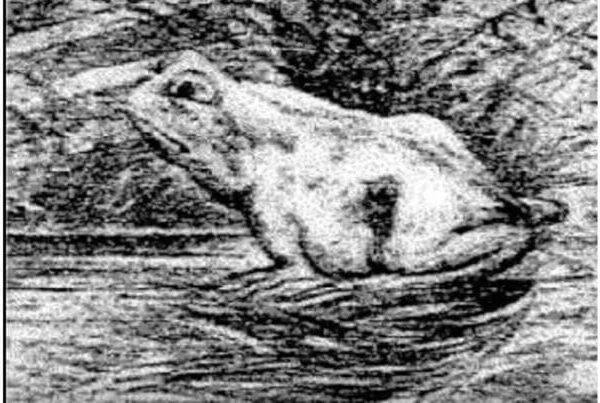
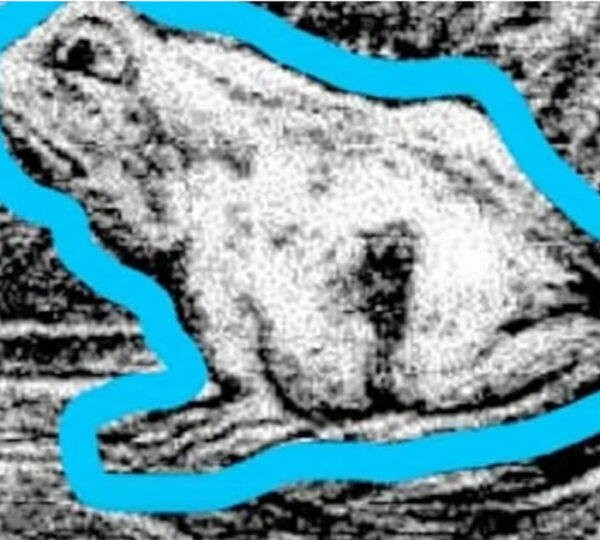
The sailor image is just one example. Another viral optical illusion features an ambiguous nature scene in which both a frog and a horse are cleverly hidden within the same image.
At first glance, many viewers see only a frog, resting peacefully among lily pads and reeds. The frog is the dominant visual cue, its recognizable shape and color immediately capturing attention.
However, the cleverness of the illusion lies in the secondary figure: a horse, which is almost entirely camouflaged within the frog’s body and surrounding environment.
The horse is not shown in full; only the head and neck are discernible if one examines the textures and lines carefully.
Finding both figures requires more than just keen eyesight — it demands cognitive flexibility and a willingness to reinterpret what one thinks is obvious.
Once the horse is located, however, the illusion becomes dramatically more satisfying: viewers are often amazed at how their brain initially filtered out the second figure, demonstrating the selective nature of perception.
Hints for Spotting Hidden Figures
For those struggling with these types of illusions, there are several strategies that can improve success:
Tilt Your Head or Change Perspective: Some illusions are designed so that a different viewing angle reveals hidden elements. Slight tilts or even viewing on different screens can make subtle features more visible.
Focus on Textures, Not Just Shapes: Hidden figures often blend into the surrounding environment by mimicking textures. Look for unusual lines or shapes that break the natural flow of the scene.
Relax Your Eyes: Rather than staring directly at one point, allow your peripheral vision to scan the entire image. Sometimes the hidden figure emerges when you stop concentrating too intensely.
Break the Scene Into Segments: Mentally divide the image into sections and examine each carefully. Hidden elements are often placed in specific areas to avoid detection through broad scanning.
The Psychology Behind Optical Illusions
Optical illusions like the sailor and frog/horse images are fascinating not just for their aesthetic appeal but also for what they reveal about human cognition and perception.
The brain does not passively record visual information; it actively interprets, predicts, and filters sensory input based on past experience, expectations, and learned patterns.
This explains why the wife in the sailor illusion and the horse in the frog image can go unnoticed for so long. Our brains rely on shortcut heuristics, quickly identifying dominant shapes and familiar patterns while filtering out subtle or unexpected cues.
The skill of illusion creators lies in manipulating these heuristics, guiding viewers toward one interpretation while hiding another.
Neurologically, this involves areas like the visual cortex (processing shapes, colors, and motion) and the fusiform face area, which is specialized in recognizing human faces. Illusions exploit these systems, highlighting the gaps between perception and reality, and reminding us that what we see is not always the complete truth.
Why People Love Hidden Figures
The fascination with hidden figures in optical illusions is universal, spanning cultures and ages. These images:
Stimulate curiosity and problem-solving skills.
Reward patience and careful observation.
Encourage social interaction, as people share puzzles and compare discoveries.
Create a sense of achievement once the hidden figure is found.
In fact, optical illusions are so compelling that they are often used in education, therapy, and cognitive training.
Teachers use them to enhance attention to detail and observational skills, psychologists use them to study perception and visual cognition, and even marketing professionals use illusion-like techniques to capture consumer attention.
A Social Media Phenomenon
The sailor and frog/horse illusions also demonstrate the viral power of social media. Platforms like Reddit, TikTok, and Instagram are perfectly suited to share these brain-teasing images, as users can post, comment, and challenge friends to “find the hidden figure.”
These challenges encourage community engagement, turning solitary observation into a shared experience. Users often post screenshots marking where they found the hidden figure, creating guides, hints, and discussions that further amplify the puzzle’s reach.
Interestingly, the shareability of such illusions is often tied to difficulty level. The harder it is to spot the hidden figure, the more likely people are to share it, brag about their success, or express frustration — all of which increases the image’s viral potential.
The Art and Science of Illusions
The creators of these illusions often combine artistic skill with scientific understanding. Color gradients, line placement, and shading are used not just for aesthetics but to influence visual attention and perception.
Even the tiniest variation in texture or color can determine whether a hidden figure is immediately noticeable or entirely invisible at first glance.
For example, in the sailor illusion, the wife’s face is obscured by elements of clothing, shadow, and object lines, demonstrating precise control over both foreground and background elements.
In the frog/horse image, the horse’s head emerges from the frog’s body only when the viewer recognizes the unusual textural cues.
These illusions highlight the intersection of psychology, biology, and art, showing that our perception of reality is an active process shaped by multiple factors.
Conclusion: A Test of Perception and Patience
Whether it’s a sailor hiding his wife in plain sight or a frog concealing a horse, optical illusions like these offer a fascinating glimpse into the complexity of human perception.
They are more than just visual tricks; they are educational tools, sources of entertainment, and prompts for social interaction.
These illusions remind us that:
The first thing we see may not always be the whole truth.
Patience and careful observation can reveal hidden details.
Our brains are powerful but selective, emphasizing some cues while ignoring others.
Shared experiences around puzzles foster connection, discussion, and engagement.
For those who have solved the sailor and frog/horse illusions, there is a special satisfaction in knowing they are among the small percentage of people who noticed what others did not.
For those still searching, the challenge itself is rewarding, inviting viewers to slow down, refocus, and engage more deeply with the world around them.
Ultimately, optical illusions like these are more than just a pastime; they are a celebration of the intricacy of human perception, the cleverness of visual design, and the joy of discovery.
So the next time you come across an image that seems simple at first glance, remember: there may be hidden figures waiting for you to see them, and solving the puzzle may be as much about patience and perspective as it is about eyesight.
