Nail clippers are one of the most ubiquitous personal care tools found in homes across the globe. Compact, affordable, and straightforward to use, they are primarily designed to trim fingernails and toenails.
Yet, despite their presence in millions of households, most people never stop to consider their design beyond the basic mechanics of cutting nails.
At first glance, a nail clipper is deceptively simple: two metal blades, a lever, and a hinge. But upon closer inspection, even the smallest details reveal thoughtful engineering.
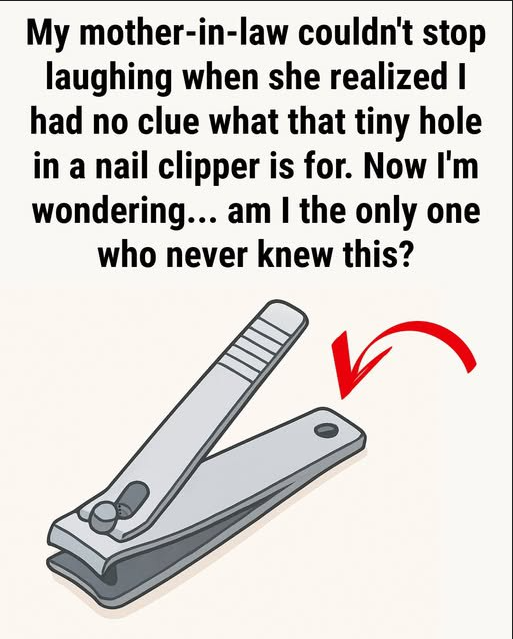
One feature, in particular, is often overlooked — the small round hole typically located at the end of the lever or body of the clipper.
While some might assume it is purely decorative or structural, this tiny opening serves multiple practical purposes that extend far beyond its original intent.
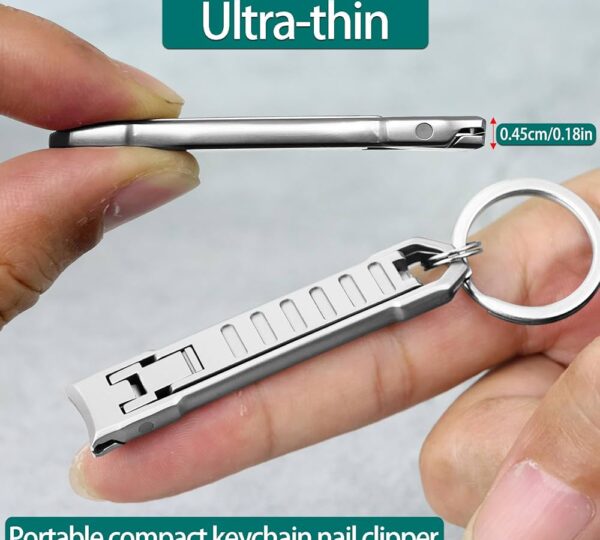
Over decades, users and designers alike have discovered ways to transform this small feature into a multifunctional tool, illustrating how everyday objects can possess hidden versatility.
In this article, we’ll explore in detail the origins, design logic, and multiple applications of the small round hole on nail clippers. We’ll also show how understanding this small feature can improve portability, safety, and convenience in everyday life.
A Brief History of Nail Clippers and Their Design
Nail clipping as a practice dates back centuries, with ancient civilizations using knives, chisels, and even seashells to trim fingernails and toenails. The modern nail clipper, however, traces its roots to the late 19th and early 20th centuries.
Patents for lever-type nail clippers appeared in the United States in the 1870s and 1880s, offering a compact, self-contained tool designed for both efficiency and portability.
The inclusion of the small round hole was not a random decision. Early designers realized that a small opening could add structural balance, reduce metal usage without sacrificing strength, and provide a mounting point for attachments.
Today, most standard nail clippers feature this hole as a nod to both functionality and versatility. While millions of people use clippers daily, only a few truly appreciate the hidden advantages this tiny detail provides.
Keychain Compatibility: Making Your Clippers Portable
One of the most well-known and straightforward applications of the round hole is keychain attachment. By threading a standard key ring through the hole, the clipper can be carried alongside house keys, car keys, or even a wallet chain.
This feature is particularly valuable for travelers or individuals who prioritize preparedness. For example, frequent flyers, hikers, and office workers often carry small grooming tools to maintain personal care routines on the go.
Having the nail clipper attached to a keychain ensures that it is always within reach. Unlike clips or thin plastic chains that sometimes come with clippers, threading a key ring directly through the metal hole creates a secure and durable connection that can withstand daily handling.
This application also reduces the likelihood of losing the tool. Keychains are generally high-traffic items that people notice quickly if misplaced, unlike a small clipper stored loosely in a drawer or purse.
In essence, a nail clipper becomes a portable, multifunctional tool simply by leveraging its built-in attachment point.
Using the Hole to Bend Wire
While clipping nails is the primary function, the nail clipper can serve other practical household purposes. One particularly clever use involves bending thin wire.
By inserting the wire through the small round hole, the clipper acts as a leverage point. This allows users to bend or twist wires safely without directly straining their fingers.
This is especially helpful when working with small-gauge wires used in crafts, electronics, or minor household repairs.
Attempting to bend such wires by hand can result in cuts or blisters if the wire snaps or resists movement. The nail clipper absorbs the pressure, reducing the risk of injury while providing more precise control.
The small hole effectively transforms the clipper into a miniature tool, demonstrating how everyday objects can be repurposed for lightweight, practical tasks beyond their original intent. For DIY enthusiasts, this function can be a convenient addition to their toolkit, especially when larger pliers or wire-bending tools are unavailable.
A Mini Screwdriver in Disguise
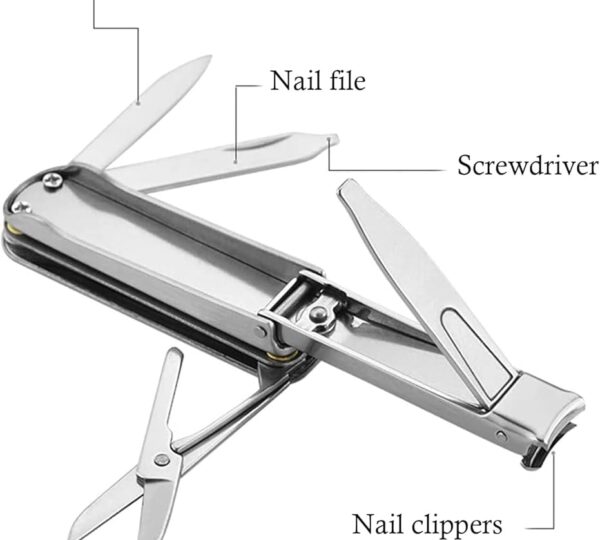
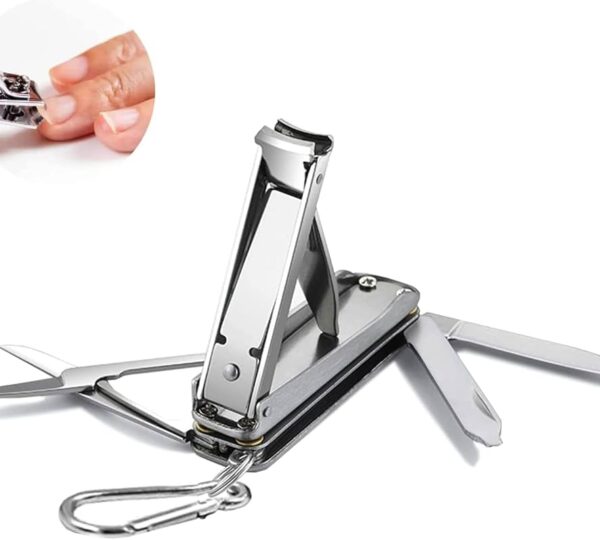
Many nail clippers also feature a small metal attachment near the round hole. Originally designed as a nail file or a cuticle cleaner, this thin metal piece can double as an emergency flathead screwdriver.
In situations where a small screwdriver is not immediately available — for instance, adjusting eyeglass screws, battery compartments, or small household gadgets — the clipper’s metal attachment can provide a temporary solution.
While it cannot replace a professional screwdriver for high-torque tasks, it is perfect for loosening or tightening minor screws with precision.
Travelers and minimalists will find this feature particularly useful. In hotels, on flights, or during quick trips, carrying a compact nail clipper with a built-in screwdriver function is far more convenient than transporting a bulky toolkit.
Even in everyday life, a small household adjustment — like tightening a loose cabinet handle or a toy’s battery compartment — becomes easier with a clipper at hand.
Opening Packages With Ease
In the era of online shopping, households are frequently inundated with shipping boxes and parcels. Scissors or box cutters are often used to open packages, but these tools are not always within reach.
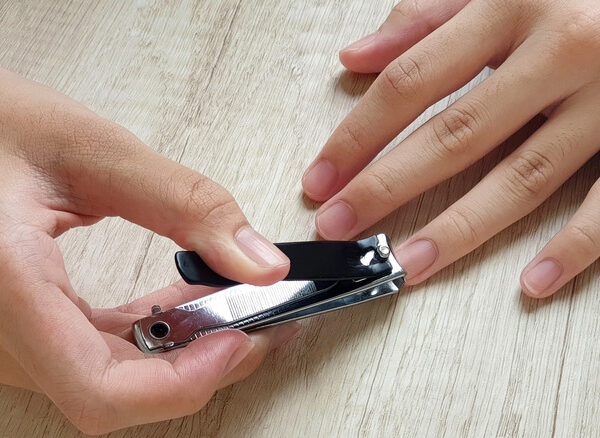
The nail clipper’s sharp nail file or pointed edge offers a surprisingly safe and precise alternative.
By carefully sliding the pointed tip along a tape seam, users can cut through adhesive without risking damage to the contents inside.
This method also minimizes the hazards associated with larger knives or box cutters, reducing the likelihood of injury. For those who receive packages daily — from groceries to personal orders — this simple tool can significantly improve convenience.
Cleaning and Personal Maintenance Beyond Nails
The round hole also contributes indirectly to hygiene applications. Some multi-functional nail clippers allow attachments like a small brush or pick to fit through the hole.
This enables users to clean debris from under nails or from the tool itself efficiently. Proper maintenance of grooming tools is essential to prevent the spread of bacteria, and the small hole can serve as an anchoring point for cleaning implements, enhancing both cleanliness and safety.
Additionally, the clipper’s design, when combined with the hole, allows for better leverage and control when performing delicate trimming tasks. Those with arthritis or reduced hand strength can find this particularly helpful, making nail care safer and more accessible.
Why the Small Hole Matters in Design
Though easily overlooked, the small round hole in nail clippers exemplifies thoughtful engineering. It balances form and function, providing strength while creating opportunities for additional applications.
Designers intentionally incorporated the hole to:
Increase structural efficiency: Removing small portions of metal reduces material costs without compromising durability.
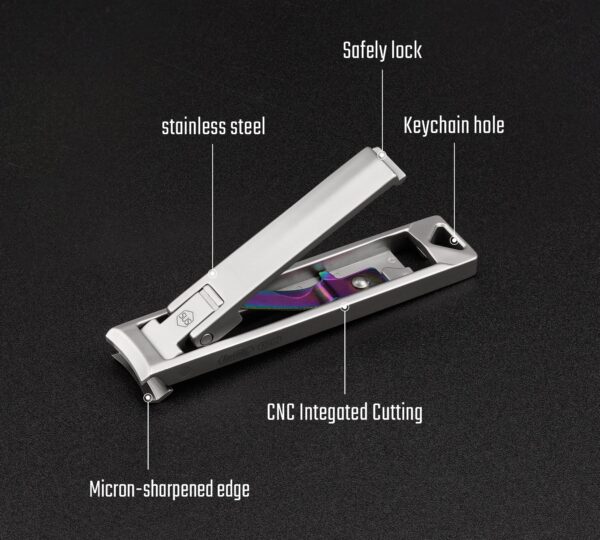
Enable multi-functional attachments: From keychains to cleaning tools, the hole allows for additional utility.
Enhance portability: It gives users a reliable way to carry the tool on the go.
This small feature highlights how even the simplest tools can include hidden engineering that enhances their usefulness and user experience.
Creative and Unexpected Uses
Beyond the conventional applications described above, resourceful users have found additional ways to leverage the small hole on nail clippers:
Threading Aid for Sewing: Small sewing threads can be passed through the hole to hold threads securely when performing delicate stitching.
Miniature Hook: The hole can act as a hook for hanging the clipper on bathroom racks or inside tool kits.
Emergency Keychain Repair: In a pinch, a small nail clipper attached to a broken key ring can temporarily hold keys together.
Camping and Outdoor Utility: When hiking or camping, the clipper can be attached to backpacks or gear as a multipurpose survival tool for cutting, scraping, or adjusting small components.
These creative uses underscore the nail clipper’s role as a versatile tool rather than merely a personal care item.
Safety and Best Practices
While these applications are convenient, users should always practice safety. The clipper’s sharp edges and pointed metal attachments can cause injury if misused. Recommendations include:
Always direct sharp edges away from skin or delicate surfaces.
Avoid using the clipper on wires or screws that exceed its strength.
Ensure proper hygiene by cleaning the tool after use in non-nail applications.
Supervise children if they are using a nail clipper for any non-standard tasks.
By combining awareness with creative thinking, this small household tool can be both safe and multifunctional.
The Larger Lesson: Everyday Tools Can Surprise Us
The small round hole on a nail clipper is a reminder that even the most mundane objects are often designed with unexpected versatility.
What may appear to be a minor feature can enhance portability, enable multiple practical applications, and increase convenience in ways most users never imagine.
In today’s fast-paced, minimalist lifestyle, tools that serve multiple purposes are increasingly valuable. The humble nail clipper, with its simple design and tiny hole, exemplifies the principle of doing more with less.
From grooming to household repairs, from opening packages to emergency adjustments, it stands as a testament to thoughtful, efficient design.
Even a small feature like a round hole can make the difference between a single-purpose tool and a reliable, multifunctional companion in daily life.
Conclusion
Nail clippers, found in nearly every home, are often underestimated in their utility. Their compact size, affordability, and core function are already impressive.
Yet, the small round hole at the end of most clippers unlocks additional capabilities: keychain portability, safe wire bending, emergency screwdriver use, precise package opening, and even creative solutions for hobbies and travel.
Understanding the purpose and potential of this tiny hole transforms a simple grooming tool into an indispensable part of daily life. Recognizing these features encourages a broader appreciation for design, utility, and innovation in everyday objects.
Next time you reach for your nail clipper, pause for a moment and consider its hidden possibilities. That small, unassuming hole may just be the gateway to a world of practical uses you never imagined — a reminder that sometimes, the simplest tools are the most versatile.
