
There is something timeless about beginning the day with a warm cup of coffee and ending it with a calming cup of tea. This simple ritual brings comfort, structure, and a sense of pause.
For many people, preparing tea in the evening becomes more than just a habit. It turns into a quiet moment of reflection, where the warmth of the drink signals a transition from activity to rest.
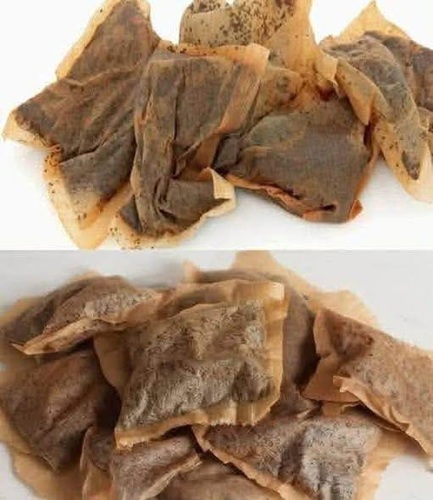
Like most households, used tea bags are often discarded immediately after brewing. However, with a little creativity, they can be reused in practical and environmentally friendly ways.
Reusing tea bags is not only a cost-effective habit but also supports sustainability by reducing waste and making the most of natural resources already available in everyday routines.
One of the most well-known uses of used tea bags involves soothing mild skin discomfort caused by sun exposure. Black tea contains tannins that may help provide a cooling sensation.
When a used tea bag is cooled and gently applied to sun-exposed skin, it can offer temporary relief by reducing the feeling of heat and dryness on the affected area.
This method is commonly used as a home remedy, though it is important to note that it is intended for mild irritation and not as a substitute for medical treatment.
Similarly, cooled tea bags may be used on minor, superficial burns. The natural compounds found in tea can help calm the skin and provide a soothing effect.
Care should always be taken to ensure that the burn is minor, as more serious injuries require professional medical attention rather than home-based remedies.
Another popular use involves placing cooled tea bags over closed eyes to reduce puffiness and tired appearance after a long day or insufficient sleep.

The mild caffeine content and cool temperature may help temporarily reduce swelling and refresh the delicate skin around the eyes.
This practice is widely used in home care routines because it is simple, accessible, and does not require additional products or ingredients.
Used tea bags can also be helpful in household cleaning, particularly when dealing with greasy dishes or cookware that require extra effort to clean.
Soaking dishes with a few tea bags in warm water may help loosen grease, making it easier to wash without excessive scrubbing or harsh cleaning agents.
This method works due to natural compounds in tea that interact with oils, helping to break them down in a gentle and practical way.
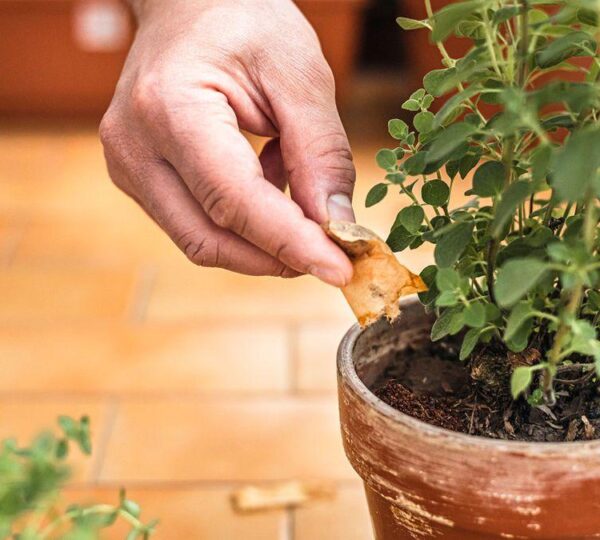
In gardening, used tea leaves or tea bags can be repurposed as a natural addition to compost, contributing organic matter that supports soil health.
When added to compost, tea leaves break down over time and release nutrients that can benefit plant growth and overall soil structure.
Some gardeners also place used tea bags directly near plant roots, where they gradually decompose and enrich the surrounding soil environment.
Plants that thrive in slightly acidic soil conditions may benefit from the addition of tea-based compost materials, though moderation is always recommended.
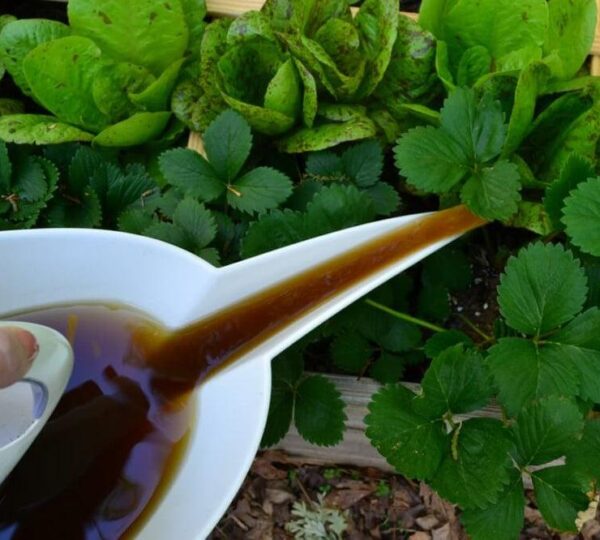
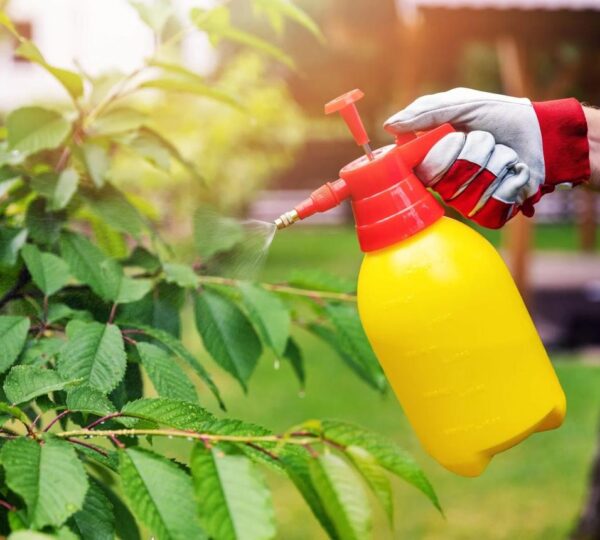
Used tea bags can also be incorporated into natural weed control solutions when combined with other household ingredients such as vinegar and citrus peels.
This mixture can be applied carefully to unwanted weeds, offering a gentler alternative to chemical-based weed control products commonly found in stores.
While results may vary depending on conditions, this approach aligns with eco-conscious gardening practices that prioritize sustainability and reduced chemical use.
Another lesser-known use of tea bags involves neutralizing odors in small spaces such as refrigerators, shoes, or storage areas.
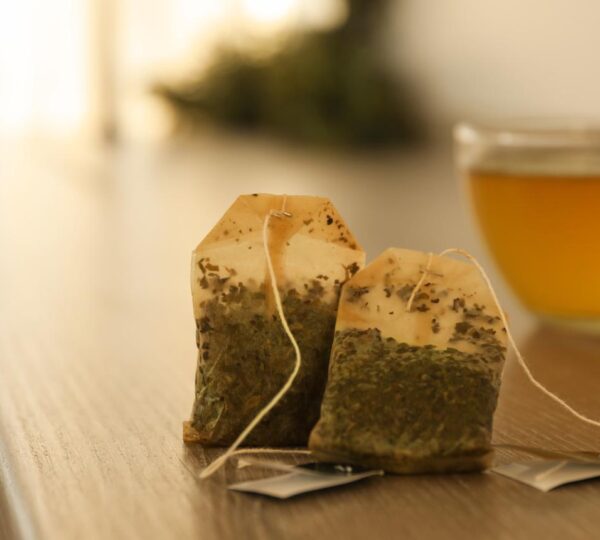
Dried tea bags can absorb moisture and odors, helping to maintain a fresher environment without the need for synthetic air fresheners.
This makes them a convenient option for households looking to reduce reliance on chemical-based products while still maintaining cleanliness and freshness.
In addition to practical uses, reusing tea bags encourages a more mindful approach to consumption by extending the usefulness of everyday items.
It reflects a broader trend toward sustainability, where small changes in daily habits contribute to reduced waste and more efficient use of resources.
Tea itself has a long history across cultures, valued not only for its taste but also for its calming and restorative properties.
By reusing tea bags, individuals can continue benefiting from the natural qualities of tea even after the initial brewing process is complete.
It is important, however, to store used tea bags properly if they are intended for reuse, ensuring they are kept in clean conditions to avoid spoilage.
Refrigeration is often recommended for short-term storage, especially when tea bags are used for skin care or other personal applications.
Proper hygiene is essential when applying tea bags to the skin, as cleanliness helps prevent irritation or unwanted reactions.
While many of these uses are based on traditional practices and general observations, they should be approached as complementary rather than primary solutions.
For medical concerns or persistent conditions, professional advice should always be sought instead of relying solely on home remedies.
Reusing tea bags is a simple way to combine practicality with environmental awareness, turning something often considered waste into a useful household resource.
These small actions can contribute to a larger mindset shift toward sustainability and thoughtful living in everyday routines.
Whether used for relaxation, cleaning, gardening, or simple home care, tea bags offer more value than many people initially realize.
By exploring these options, individuals can discover new ways to reduce waste while enhancing daily life with natural and accessible solutions.
Ultimately, the practice of reusing tea bags reflects a balance between tradition and modern awareness, showing how simple habits can evolve into meaningful, sustainable choices.

