
For many families, the first symptoms of meningitis can seem almost impossible to distinguish from an ordinary viral illness. A headache, a fever, body aches, and extreme tiredness are common complaints during cold and flu season, especially among university students who are exposed to new environments and large groups of people. Unfortunately, in some cases, those seemingly harmless symptoms can be the first warning signs of a life-threatening medical emergency.
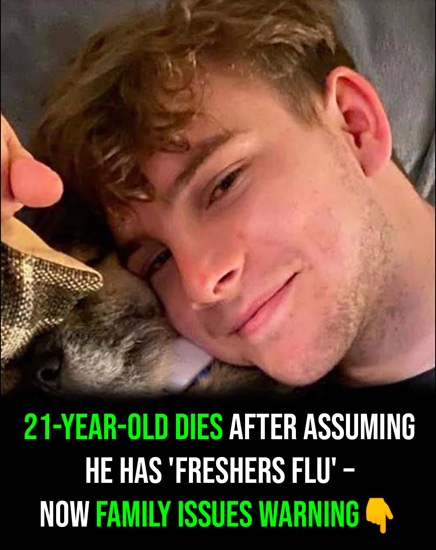
The heartbreaking story of Lucas Martin has become an important reminder of how quickly meningitis can progress and why recognizing its warning signs may help save lives. Lucas Martin was a 21-year-old graduate of the University of Liverpool who had recently completed a degree in International Business. Friends and family described him as energetic, ambitious, and deeply caring, someone who approached every opportunity with enthusiasm and determination.
Like many young graduates, he was excited about the future and looking forward to building a successful career. No one around him imagined that within only a few days, his life would be tragically cut short by a disease that initially appeared to be nothing more than a severe viral infection. In early September 2023, Lucas began feeling unwell. His symptoms included headaches, fever, tiredness, and general fatigue.
These symptoms are extremely common among young adults, particularly during the beginning of the university academic year when many students experience what is often referred to as “freshers’ flu.” Although the name suggests influenza, freshers’ flu is not actually a specific medical diagnosis. Instead, it describes a collection of viral illnesses that frequently spread among students who are adjusting to new living arrangements, crowded classrooms, and increased social interaction.
Because Lucas’ symptoms closely resembled those of a common viral illness, neither he nor his family immediately suspected something more serious. According to his brother Connor Martin, everyone believed Lucas was simply dealing with a particularly severe virus that required rest and time to recover. Looking back after the tragedy, Connor later explained that greater awareness of meningitis symptoms might have changed the family’s response. However, at the time, there appeared to be no obvious reason to suspect that a rapidly progressing bacterial infection was developing.
One of the most challenging aspects of meningitis is that its earliest symptoms often overlap with many common illnesses. Fever, headache, muscle aches, nausea, fatigue, and chills can all occur with influenza, COVID-19, seasonal viruses, or other relatively minor infections. This similarity makes early diagnosis especially difficult. Medical experts emphasize that meningitis cannot always be identified based solely on its initial symptoms, particularly during the first stages of the illness when classic warning signs may not yet have developed.
Lucas’ case was especially difficult because he reportedly did not display several of the symptoms that many people commonly associate with meningitis. According to his family, he never developed the distinctive rash that often appears in public awareness campaigns. He also did not experience significant sensitivity to bright light, another symptom frequently mentioned in discussions about meningitis. Without these recognizable warning signs, the illness continued to resemble what appeared to be a severe viral infection, delaying recognition of the seriousness of his condition.
Over the following five days, however, Lucas’ health steadily deteriorated. His family noticed that he was becoming increasingly weak and exhausted. Although they continued monitoring his condition, nothing initially suggested that he was facing a life-threatening medical emergency. It was not until September 10 that his father observed a dramatic change that immediately raised alarm. According to Connor Martin, Lucas suddenly began struggling to form complete sentences and was mumbling incoherently, signs that indicated something far more serious than an ordinary viral illness.
Recognizing that his condition had become critical, the family rushed Lucas to the hospital for emergency medical treatment. Doctors quickly diagnosed meningitis and immediately began intensive care. Because of the severity of his condition, Lucas was placed into a medically induced coma while specialists worked to control the infection and reduce inflammation affecting his brain. Despite the efforts of the medical team, his condition continued to worsen. Tragically, Lucas never regained consciousness and passed away on September 12, only a short time after arriving at the hospital.
The sudden loss devastated everyone who knew him. Family members described Lucas as someone who possessed remarkable determination and an entrepreneurial spirit. Connor Martin remembered his younger brother as a “force of nature,” explaining that Lucas constantly pursued new ideas, enjoyed helping others, and approached challenges with optimism. Friends similarly described him as someone whose positive attitude and kindness left a lasting impression on everyone he met. His unexpected death left an enormous void in the lives of those closest to him.
In the months following Lucas’ passing, his family made the difficult decision to transform their grief into action. Rather than allowing his story to fade from public attention, they chose to speak openly about what had happened in the hope that greater awareness might prevent other families from experiencing similar heartbreak. Their message has focused not on assigning blame but on encouraging people to recognize that meningitis can sometimes present without the classic symptoms many expect.
To honor Lucas’ memory, the Martin family established Looky’s Aid, a charitable organization named after Lucas’ nickname. The charity aims to support young people facing illness through scholarships, community initiatives, and awareness campaigns while continuing to educate the public about meningitis and other serious health conditions. Through fundraising events, educational outreach, and social media campaigns, the organization hopes Lucas’ legacy will inspire greater awareness among students, parents, educators, and healthcare professionals alike.
Connor Martin has repeatedly emphasized that one of the family’s most important messages is simple: if someone becomes seriously ill and their symptoms worsen unexpectedly, medical advice should be sought promptly rather than assuming it is “just the flu.” He has encouraged people not to ignore persistent headaches, increasing confusion, difficulty speaking, or sudden changes in mental status. While many illnesses resolve without complications, rapidly worsening symptoms should always be evaluated by healthcare professionals because early treatment can be crucial in serious infections such as meningitis.
Although Lucas’ story is deeply tragic, it has already helped educate thousands of people about the importance of recognizing serious illness early. His family’s willingness to share their experience has encouraged conversations about meningitis that may ultimately save lives. Their hope is that by increasing awareness, other young adults experiencing similar symptoms will receive medical attention sooner, improving the chances of successful treatment and preventing more families from facing the devastating loss they continue to endure.
The heartbreaking loss of Lucas Martin has become more than a personal family tragedy. His story has encouraged thousands of people to learn more about meningitis and to recognize that serious illnesses do not always appear the way people expect. Medical professionals have long warned that meningitis can progress rapidly, especially in bacterial cases, making early diagnosis extremely important. Unfortunately, because its initial symptoms often resemble those of common viral infections, many patients do not seek emergency medical attention until the disease has already become severe.
Meningitis is an inflammation of the protective membranes that surround the brain and spinal cord. The condition can be caused by bacteria, viruses, fungi, or other less common organisms. Viral meningitis is generally less severe and many patients recover completely with supportive care. Bacterial meningitis, however, is considered a medical emergency because it can progress within hours and may lead to permanent disability or death if treatment is delayed. Early diagnosis and prompt administration of antibiotics are critical in cases of bacterial meningitis.
One reason meningitis remains difficult to recognize is that its symptoms vary from person to person. While many people associate the disease with a distinctive rash or severe sensitivity to light, these signs do not appear in every patient. Health experts explain that early symptoms may include fever, headache, neck stiffness, nausea, vomiting, confusion, extreme sleepiness, muscle pain, or difficulty concentrating. In some individuals, especially during the earliest stages, only a few nonspecific symptoms may be present, making the illness difficult to distinguish from influenza or another common viral infection.
Lucas’ family has openly acknowledged that they never suspected meningitis because he did not show the classic warning signs often highlighted in awareness campaigns. Instead, he experienced what seemed to be a severe viral illness that gradually worsened over several days. It was only when his speech became affected and he struggled to communicate that the seriousness of his condition became unmistakable. His family’s experience demonstrates why healthcare professionals encourage people to seek medical advice whenever symptoms rapidly worsen or unusual neurological changes appear.
University students are considered one of the groups with an increased risk for certain forms of meningitis. Living in shared accommodation, attending crowded lectures, participating in social events, and coming into close contact with many new people may increase exposure to bacteria or viruses capable of causing infection. This increased exposure is one reason why several countries recommend meningococcal vaccination for adolescents or young adults before they begin university studies. Vaccination has significantly reduced cases of several forms of bacterial meningitis, although no vaccine protects against every possible cause.
Medical experts also emphasize that vaccination should not create a false sense of security. Even vaccinated individuals who develop severe symptoms should still seek prompt medical evaluation because meningitis can result from organisms not covered by certain vaccines or from viral causes that require different management. Public health officials continue encouraging students and families to remain informed about symptoms and to understand when emergency care may be necessary.
Following Lucas’ passing, his family established Looky’s Aid, an organization dedicated to preserving his memory while helping others. Rather than allowing grief to define their lives, they decided to create something positive that reflects Lucas’ personality and values. Through scholarships, fundraising initiatives, educational campaigns, and community support programs, the charity seeks to encourage young people to pursue their goals while also promoting awareness of serious illnesses that may otherwise go unnoticed.
The organization has received support from many individuals who were inspired by Lucas’ story. Friends, classmates, university staff, local businesses, and members of the wider community have participated in fundraising events and awareness campaigns. The family’s message has reached audiences far beyond their hometown, reminding countless people that even healthy young adults can become seriously ill and that paying attention to worsening symptoms may make an important difference.
Connor Martin has repeatedly explained that one of the family’s main goals is not to cause fear but to encourage awareness. He has urged families not to dismiss severe illness simply because someone is young and healthy. Instead, he encourages people to trust their instincts if something appears unusual or if symptoms suddenly worsen. While most headaches and fevers are caused by relatively minor illnesses, rapid deterioration, confusion, difficulty speaking, seizures, or changes in consciousness should always be treated as medical emergencies.
The story has also highlighted the emotional impact that sudden illness can have on families. Losing a loved one unexpectedly leaves relatives searching for answers and wondering whether anything could have been done differently. Lucas’ family has spoken honestly about these emotions while encouraging others not to focus on blame. They have explained that they made decisions based on the information available at the time and simply did not recognize how dangerous the situation had become.
Healthcare professionals continue to remind the public that meningitis is relatively uncommon compared with seasonal viral infections, but because bacterial meningitis can become life-threatening so quickly, awareness remains essential. Prompt medical assessment is especially important when severe symptoms appear suddenly or continue to worsen despite rest and supportive care. Early treatment greatly improves the chances of recovery and reduces the risk of serious complications.
Today, Lucas Martin is remembered not only for the tragedy that ended his life but also for the positive influence he had on those around him. Family members describe him as ambitious, compassionate, determined, and full of energy. Friends remember his enthusiasm, kindness, and willingness to encourage others. Through Looky’s Aid, those qualities continue to inspire new projects that support students and raise awareness about health conditions affecting young people.
His story has become an important reminder that awareness can save lives. While no family expects a healthy young adult to become critically ill within days, recognizing that serious diseases sometimes resemble common infections may encourage earlier medical evaluation when symptoms change unexpectedly. Lucas’ legacy now extends far beyond his university years, helping educate people about meningitis and encouraging families to seek prompt medical advice whenever serious warning signs appear.
Although nothing can erase the pain experienced by those who loved him, Lucas’ family hopes that sharing his story will help protect others. Every conversation about meningitis awareness, every educational event organized through Looky’s Aid, and every person who learns to recognize the warning signs represents another step toward honoring his memory. Their message is ultimately one of compassion, awareness, and hope—that increased understanding of meningitis may help prevent future tragedies and ensure that more young people receive the timely care they need.

