In 2001, in a quiet, modest village tucked within the rugged landscapes of Afghanistan, a nine-year-old girl named Zubaida Hasan lived a life defined by simplicity, innocence, and the small joys of childhood.
Her world revolved around playing in dusty courtyards.
Tending to family chores, and helping her mother prepare meals over the family’s gas-powered stovetop.
Life was challenging at times, as it often is in rural communities, but it was familiar, predictable, and filled with the kind of ordinary moments that make childhood feel timeless.
But one ordinary evening changed everything.
As Zubaida leaned over the stove to light it — something she had done many times before — a sudden, violent explosion shattered the air.
In an instant, flames engulfed her small body, wrapping around her like a deadly cloak.
The blast was so powerful and unexpected that neighbors rushed from their homes, shaken by the sound and the smoke rising into the sky.
The fire burned with horrifying intensity, leaving her screaming and writhing in unimaginable pain.
Her family acted quickly, smothering the flames and trying desperately to save her. But the injuries she suffered were catastrophic.
What the fire left behind was a level of trauma that most doctors believed no child could survive.
When she was finally examined by a local doctor, he delivered a devastating verdict: the burns were too severe, the damage too extensive.
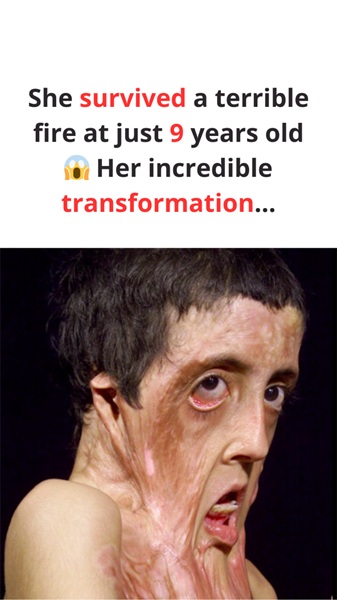
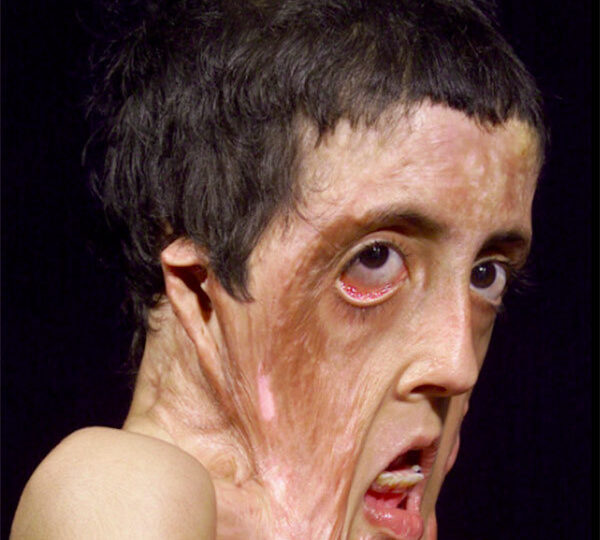
Her face had fused to her chest. Her right arm was melted against her torso.
Her neck was immobilized. Skin had tightened and scarred to such an extent that normal movement, breathing, and even basic functioning were becoming difficult.
The doctor told her father — gently, but firmly — that nothing could be done.
The kindest choice, he said, was to take her home and let her pass peacefully, surrounded by her family.
But Zubaida’s father could not accept that answer.
He looked at his daughter — trembling, in agony, barely able to speak — and refused to believe this was the end. Something inside him, stronger than despair, urged him to keep fighting.
So he made a decision that would alter the course of his daughter’s life forever: he would not give up.
Desperate and with no clear plan, he carried Zubaida in his arms and traveled to a U.S. military base in Kabul.
It was a long, exhausting journey, and he was fully aware that civilians were rarely admitted. But hope pushes people to attempt the impossible.
When he arrived, he pleaded with the guards to help his daughter. At first, he was told politely that the base hospital did not treat local civilians except in very specific circumstances.
Still, he begged — not with anger, but with genuine desperation. He explained her injuries, her suffering, and the prognosis the doctor had given.
Moved by the severity of the situation, the medical staff agreed to at least examine her. The moment they saw her, everything changed. The doctors knew immediately that Zubaida could not be turned away.
The condition she was in was unlike anything they typically encountered, and yet the spark of determination in her eyes — even through the pain — made them want to help her.
To give her a chance at survival, the U.S. military arranged for her to be flown to the United States for specialized treatment.
That decision set into motion one of the most miraculous recoveries ever recorded in pediatric burn care.
When Zubaida arrived in America, she came under the care of Dr. Peter Grossman, a world-renowned burn specialist known for his compassion as much as his expertise.
The first time he examined her, he understood immediately that her injuries required not just medical intervention but a long, carefully coordinated series of reconstructive surgeries.
He also knew the journey would be painful — emotionally, physically, and psychologically.
But he also saw something else in her: extraordinary strength.
As her treatments began, Zubaida faced weeks of intense medical procedures. She underwent multiple surgeries, skin grafts, contracture releases, and reconstructive work that required immense precision.
Despite the immense pain she experienced daily, what stunned everyone around her was her courage. She rarely complained.
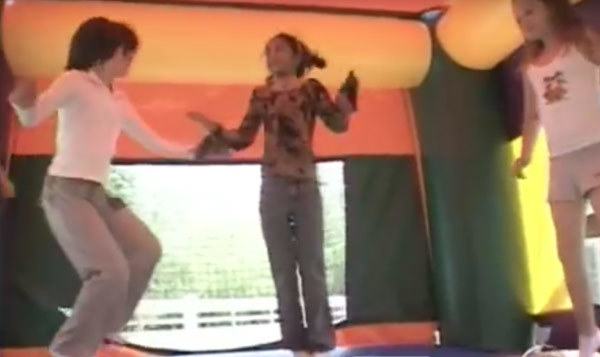
She listened to doctors carefully, followed instructions with determination, and showed an emotional resilience far beyond her age.
The Grossmans quickly formed a deep connection with her. Dr. Grossman and his wife decided to welcome Zubaida into their home while she healed, giving her not only the medical care she needed but also emotional warmth, stability, and the kind of nurturing environment she had never experienced before.
What happened next left even her medical team amazed.
Within just 12 weeks of arriving in the United States, Zubaida did something extraordinary: She learned English.
Not just basic phrases — she learned to speak fluently enough to hold conversations, express her feelings, and bond with her new community.
She enrolled in school, made friends, laughed again, and discovered talents she never knew she had. Her transformation wasn’t just medical — it was emotional, social, and deeply personal.
The little girl who had once been told to go home and die was now thriving in ways that no one could have predicted.
Over the next year, she continued undergoing surgeries that gradually restored her ability to move her face, lift her arm, and turn her neck. Her face, once fused to her chest, was reconstructed with remarkable skill.
Each procedure required bravery, but she approached every challenge with a spirit so bright that nurses often described her as “a light in the room.”
As she healed, she reclaimed the joys of childhood.
She learned to sing again.
She rediscovered her love for dancing.
She learned to play the guitar, strumming simple melodies that brought smiles to everyone around her.
Her transformation was so profound that it became a symbol of resilience — a living testament to what can happen when courage meets compassion.
Doctors who had initially thought survival was unlikely now watched her grow into a vibrant, expressive, and joyful young girl.
The Grossmans, who had become like second parents to her, often spoke about her determination and optimism, saying she taught them as much about the human spirit as they had taught her about healing.
The story of Zubaida Hasan is now remembered as one of the most extraordinary recoveries in modern burn treatment history.
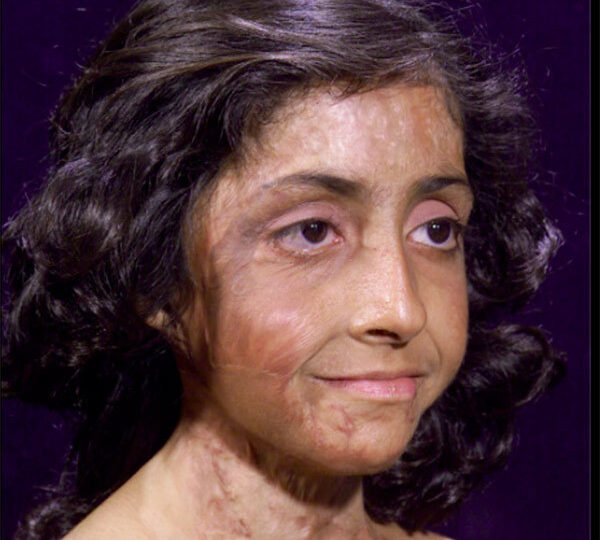
What makes her journey so powerful is not only the medical miracle she experienced but also the humanity behind it: a father’s refusal to give up, a team of doctors willing to stretch beyond their limits, and a little girl whose courage changed everyone she met.
Today, Zubaida’s life stands as a reminder that even in the darkest moments, hope can emerge in ways no one expects
Her survival is more than a medical triumph — it is proof of what compassion, resilience, and the will to survive can achieve.
A child once considered a “hopeless case” went on to live, to heal, to learn, to laugh, and to inspire countless people around the world.
Her journey continues to be a beacon of light for anyone facing overwhelming hardship, reminding us all that miracles are real — sometimes born not from magic, but from courage, kindness, and unwavering faith in the possibility of a better tomorrow.
In 2001, in a quiet, modest village tucked within the rugged landscapes of Afghanistan, a nine-year-old girl named Zubaida Hasan lived a life defined by simplicity, innocence, and the small joys of childhood.
Her world revolved around playing in dusty courtyards.
Tending to family chores, and helping her mother prepare meals over the family’s gas-powered stovetop.
Life was challenging at times, as it often is in rural communities, but it was familiar, predictable, and filled with the kind of ordinary moments that make childhood feel timeless.
But one ordinary evening changed everything.
As Zubaida leaned over the stove to light it — something she had done many times before — a sudden, violent explosion shattered the air.
In an instant, flames engulfed her small body, wrapping around her like a deadly cloak.
The blast was so powerful and unexpected that neighbors rushed from their homes, shaken by the sound and the smoke rising into the sky.
The fire burned with horrifying intensity, leaving her screaming and writhing in unimaginable pain.
Her family acted quickly, smothering the flames and trying desperately to save her. But the injuries she suffered were catastrophic.
What the fire left behind was a level of trauma that most doctors believed no child could survive.
When she was finally examined by a local doctor, he delivered a devastating verdict: the burns were too severe, the damage too extensive.
Her face had fused to her chest. Her right arm was melted against her torso.
Her neck was immobilized. Skin had tightened and scarred to such an extent that normal movement, breathing, and even basic functioning were becoming difficult.
The doctor told her father — gently, but firmly — that nothing could be done.
The kindest choice, he said, was to take her home and let her pass peacefully, surrounded by her family.
But Zubaida’s father could not accept that answer.
He looked at his daughter — trembling, in agony, barely able to speak — and refused to believe this was the end. Something inside him, stronger than despair, urged him to keep fighting.
So he made a decision that would alter the course of his daughter’s life forever: he would not give up.
Desperate and with no clear plan, he carried Zubaida in his arms and traveled to a U.S. military base in Kabul.
It was a long, exhausting journey, and he was fully aware that civilians were rarely admitted. But hope pushes people to attempt the impossible.
When he arrived, he pleaded with the guards to help his daughter. At first, he was told politely that the base hospital did not treat local civilians except in very specific circumstances.
Still, he begged — not with anger, but with genuine desperation. He explained her injuries, her suffering, and the prognosis the doctor had given.
Moved by the severity of the situation, the medical staff agreed to at least examine her. The moment they saw her, everything changed. The doctors knew immediately that Zubaida could not be turned away.
The condition she was in was unlike anything they typically encountered, and yet the spark of determination in her eyes — even through the pain — made them want to help her.
To give her a chance at survival, the U.S. military arranged for her to be flown to the United States for specialized treatment.
That decision set into motion one of the most miraculous recoveries ever recorded in pediatric burn care.
When Zubaida arrived in America, she came under the care of Dr. Peter Grossman, a world-renowned burn specialist known for his compassion as much as his expertise.
The first time he examined her, he understood immediately that her injuries required not just medical intervention but a long, carefully coordinated series of reconstructive surgeries.
He also knew the journey would be painful — emotionally, physically, and psychologically.
But he also saw something else in her: extraordinary strength.
As her treatments began, Zubaida faced weeks of intense medical procedures. She underwent multiple surgeries, skin grafts, contracture releases, and reconstructive work that required immense precision.
Despite the immense pain she experienced daily, what stunned everyone around her was her courage. She rarely complained.
She listened to doctors carefully, followed instructions with determination, and showed an emotional resilience far beyond her age.
The Grossmans quickly formed a deep connection with her. Dr. Grossman and his wife decided to welcome Zubaida into their home while she healed, giving her not only the medical care she needed but also emotional warmth, stability, and the kind of nurturing environment she had never experienced before.
What happened next left even her medical team amazed.
Within just 12 weeks of arriving in the United States, Zubaida did something extraordinary: She learned English.
Not just basic phrases — she learned to speak fluently enough to hold conversations, express her feelings, and bond with her new community.
She enrolled in school, made friends, laughed again, and discovered talents she never knew she had. Her transformation wasn’t just medical — it was emotional, social, and deeply personal.
The little girl who had once been told to go home and die was now thriving in ways that no one could have predicted.
Over the next year, she continued undergoing surgeries that gradually restored her ability to move her face, lift her arm, and turn her neck. Her face, once fused to her chest, was reconstructed with remarkable skill.
Each procedure required bravery, but she approached every challenge with a spirit so bright that nurses often described her as “a light in the room.”
As she healed, she reclaimed the joys of childhood.
She learned to sing again.
She rediscovered her love for dancing.
She learned to play the guitar, strumming simple melodies that brought smiles to everyone around her.
Her transformation was so profound that it became a symbol of resilience — a living testament to what can happen when courage meets compassion.
Doctors who had initially thought survival was unlikely now watched her grow into a vibrant, expressive, and joyful young girl.
The Grossmans, who had become like second parents to her, often spoke about her determination and optimism, saying she taught them as much about the human spirit as they had taught her about healing.
The story of Zubaida Hasan is now remembered as one of the most extraordinary recoveries in modern burn treatment history.
What makes her journey so powerful is not only the medical miracle she experienced but also the humanity behind it: a father’s refusal to give up, a team of doctors willing to stretch beyond their limits, and a little girl whose courage changed everyone she met.
Today, Zubaida’s life stands as a reminder that even in the darkest moments, hope can emerge in ways no one expects
Her survival is more than a medical triumph — it is proof of what compassion, resilience, and the will to survive can achieve.
A child once considered a “hopeless case” went on to live, to heal, to learn, to laugh, and to inspire countless people around the world.
Her journey continues to be a beacon of light for anyone facing overwhelming hardship, reminding us all that miracles are real — sometimes born not from magic, but from courage, kindness, and unwavering faith in the possibility of a better tomorrow.