...

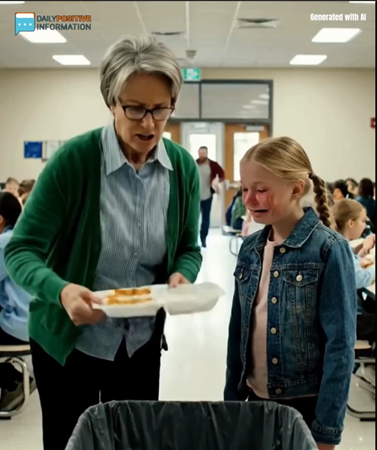
“You Don’t Deserve to Eat,” Her Teacher Said — Until She Found Out Who I Actually Am

I stood there for a moment, staring through the tall office windows at the long strip of pine trees lining the back of the property.

The night pressed against the glass like a heavy curtain, the kind of darkness that absorbs every sound.

Inside, the quiet of the house felt unnaturally dense — not peaceful, not comforting, but charged. Loaded. Deceptive.

It was the kind of quiet you hear right before tornado sirens scream awake, when the world holds its breath before it breaks.

Downstairs, my daughter was finally asleep after hours of trembling silence. Upstairs, I was replaying the cafeteria incident in my mind — over and over — the way trauma loops when your body is still trying to understand what your mind already knows.

A woman who had publicly belittled my child on camera was now painting me as the villain.

And by morning, I knew exactly what the headlines would look like: “Billionaire Tech CEO Attacks Teacher in Lunchroom Meltdown.”

Because to some people, truth doesn’t matter. Integrity doesn’t matter. Children don’t matter. Only self-preservation does.

And Marlene Gable had decided that to save her collapsing career, she would burn mine down.

Cold Strategy in a Warm Room I took a slow breath, the kind you take to steady your pulse, not because you’re scared — but because you’re calculating.

I had built an empire over twenty years. I survived smear campaigns, cyberattacks, hostile takeovers, political enemies, and journalists who would sell their own passwords for a headline.

I knew how to kill stories, flip narratives, bury misinformation, and expose truth so decisively it left scorch marks. This battlefield wasn’t new.

But this time, it was personal. And anything personal is dangerous. I opened my secured internal chat server, the one only a handful of my analysts had clearance to access.

I closed the chat and leaned back in my chair. There was no thrill in what I had set in motion. No spike of adrenaline.
No righteous fire. Just cold clarity — the kind that comes after witnessing your child cry harder than you ever have. And then— Footsteps. Light ones, almost hesitant.

The Softest Voice in the Hardest Moment I turned toward the door. Bella stood there, a small silhouette in the faint hallway light.

Her hair was tangled, her sleeves swallowed by the oversized hoodie she’d stolen from the laundry basket a week ago. She dragged her faded unicorn plush by the tail, the way she always did when she was exhausted or scared.

“Daddy?” she whispered, rubbing her eyes. My entire posture softened. “Hey, Bells. You’re awake. Want some dinner?” She shook her head slowly. “Not hungry.”

She walked toward me, the unicorn plush bumping softly against the hardwood floor. “Can I sit with you?” I lifted her onto my lap.

She curled into me instantly, tucking her head under my chin like she did when she was little enough to fit on one arm.

Her breathing was slow but uneven — the breathing of a child who was holding back fear. A minute passed. Then two.

Then, barely audible: “Is that lady gonna hurt someone else?” The question tore through me — far worse than anything that had happened in that cafeteria. “No,” I said.

My voice was low, controlled, steady. “She’s never going to hurt another kid again.

I promise you.” She nodded, but her small fingers curled tighter into my shirt, like she was still bracing for something bad. “Did I do something wrong?” she whispered. “No.”

“Was I bad?” “No.” “Was she right?” “No, sweetheart,” I said, leaning down so she could hear every word. “She was wrong. All the way wrong.”
She looked up at me, eyes glassy, searching my face for something she could trust. “Then why did she say it?” A thousand truths pressed against my tongue.

Because some adults prey on quiet kids. Because power makes some people cruel. Because broken people break others. Because she thought no one would protect you.

But I didn’t put that weight on her small shoulders. Instead, I said gently: “Because she’s the kind of person who shouldn’t be around children.

And none of it — not a single thing — was your fault.” Finally, her shoulders loosened. The last tension melted from her body. “Can we watch a movie?” she asked.

“Any one you want,” I said. “Even the long one?” “The long one,” I promised, “twice if you want.” For the first time since before lunch, she smiled.

Silence After the Storm Later, when she fell asleep again — this time curled against me on the couch, breathing softly in the glow of the TV — I carried her to her room.

I tucked her in, brushed her hair from her forehead, and kissed her goodnight. Then I went back to my study. Three new messages were waiting.

The File That Changed Everything OPS-1: Employment file is unusual. Gaps. Terminations marked “mutual separation,” but flagged. OPS-3: She has two sealed complaints in another district.

One about emotional mistreatment. One about food withholding. Both settled quietly. Ops Lead: Ethan… you’re going to want to see this. A fourth message arrived.

A link. I clicked it. A grainy video loaded. A different cafeteria. A different school. A different child.

And the same woman — Marlene Gable — snatching a boy’s plate out of his hands and dumping his meal into the trash while the child sobbed uncontrollably.

Timestamp: 2019. My pulse shifted from steady to sharp. From contained to focused. From controlled to lethal.

This wasn’t a momentary lapse. This wasn’t stress. This wasn’t a misunderstanding. This was a pattern. A history.

A predator hiding behind a staff badge and the phrase “school policy.” And she was going on national television in the morning to call me the monster.

I took one long, deliberate breath. The kind of breath you take before dismantling someone’s entire narrative — piece by piece.

I stood there for a moment, staring through the tall office windows at the long strip of pine trees lining the back of the property.

The night pressed against the glass like a heavy curtain, the kind of darkness that absorbs every sound.

Inside, the quiet of the house felt unnaturally dense — not peaceful, not comforting, but charged. Loaded. Deceptive.

It was the kind of quiet you hear right before tornado sirens scream awake, when the world holds its breath before it breaks.

Downstairs, my daughter was finally asleep after hours of trembling silence. Upstairs, I was replaying the cafeteria incident in my mind — over and over — the way trauma loops when your body is still trying to understand what your mind already knows.

A woman who had publicly belittled my child on camera was now painting me as the villain.

And by morning, I knew exactly what the headlines would look like: “Billionaire Tech CEO Attacks Teacher in Lunchroom Meltdown.”

Because to some people, truth doesn’t matter. Integrity doesn’t matter. Children don’t matter. Only self-preservation does.

And Marlene Gable had decided that to save her collapsing career, she would burn mine down.

Cold Strategy in a Warm Room I took a slow breath, the kind you take to steady your pulse, not because you’re scared — but because you’re calculating.

I had built an empire over twenty years. I survived smear campaigns, cyberattacks, hostile takeovers, political enemies, and journalists who would sell their own passwords for a headline.

I knew how to kill stories, flip narratives, bury misinformation, and expose truth so decisively it left scorch marks. This battlefield wasn’t new.

But this time, it was personal. And anything personal is dangerous. I opened my secured internal chat server, the one only a handful of my analysts had clearance to access.

I closed the chat and leaned back in my chair. There was no thrill in what I had set in motion. No spike of adrenaline.

No righteous fire. Just cold clarity — the kind that comes after witnessing your child cry harder than you ever have. And then— Footsteps. Light ones, almost hesitant.

The Softest Voice in the Hardest Moment I turned toward the door. Bella stood there, a small silhouette in the faint hallway light.

Her hair was tangled, her sleeves swallowed by the oversized hoodie she’d stolen from the laundry basket a week ago. She dragged her faded unicorn plush by the tail, the way she always did when she was exhausted or scared.

“Daddy?” she whispered, rubbing her eyes. My entire posture softened. “Hey, Bells. You’re awake. Want some dinner?” She shook her head slowly. “Not hungry.”

She walked toward me, the unicorn plush bumping softly against the hardwood floor. “Can I sit with you?” I lifted her onto my lap.

She curled into me instantly, tucking her head under my chin like she did when she was little enough to fit on one arm.

Her breathing was slow but uneven — the breathing of a child who was holding back fear. A minute passed. Then two.

Then, barely audible: “Is that lady gonna hurt someone else?” The question tore through me — far worse than anything that had happened in that cafeteria. “No,” I said.

My voice was low, controlled, steady. “She’s never going to hurt another kid again.

I promise you.” She nodded, but her small fingers curled tighter into my shirt, like she was still bracing for something bad. “Did I do something wrong?” she whispered. “No.”

“Was I bad?” “No.” “Was she right?” “No, sweetheart,” I said, leaning down so she could hear every word. “She was wrong. All the way wrong.”

She looked up at me, eyes glassy, searching my face for something she could trust. “Then why did she say it?” A thousand truths pressed against my tongue.

Because some adults prey on quiet kids. Because power makes some people cruel. Because broken people break others. Because she thought no one would protect you.

But I didn’t put that weight on her small shoulders. Instead, I said gently: “Because she’s the kind of person who shouldn’t be around children.

And none of it — not a single thing — was your fault.” Finally, her shoulders loosened. The last tension melted from her body. “Can we watch a movie?” she asked.

“Any one you want,” I said. “Even the long one?” “The long one,” I promised, “twice if you want.” For the first time since before lunch, she smiled.

Silence After the Storm Later, when she fell asleep again — this time curled against me on the couch, breathing softly in the glow of the TV — I carried her to her room.

I tucked her in, brushed her hair from her forehead, and kissed her goodnight. Then I went back to my study. Three new messages were waiting.

The File That Changed Everything OPS-1: Employment file is unusual. Gaps. Terminations marked “mutual separation,” but flagged. OPS-3: She has two sealed complaints in another district.

One about emotional mistreatment. One about food withholding. Both settled quietly. Ops Lead: Ethan… you’re going to want to see this. A fourth message arrived.

A link. I clicked it. A grainy video loaded. A different cafeteria. A different school. A different child.

And the same woman — Marlene Gable — snatching a boy’s plate out of his hands and dumping his meal into the trash while the child sobbed uncontrollably.

Timestamp: 2019. My pulse shifted from steady to sharp. From contained to focused. From controlled to lethal.

This wasn’t a momentary lapse. This wasn’t stress. This wasn’t a misunderstanding. This was a pattern. A history.

A predator hiding behind a staff badge and the phrase “school policy.” And she was going on national television in the morning to call me the monster.

I took one long, deliberate breath. The kind of breath you take before dismantling someone’s entire narrative — piece by piece.