
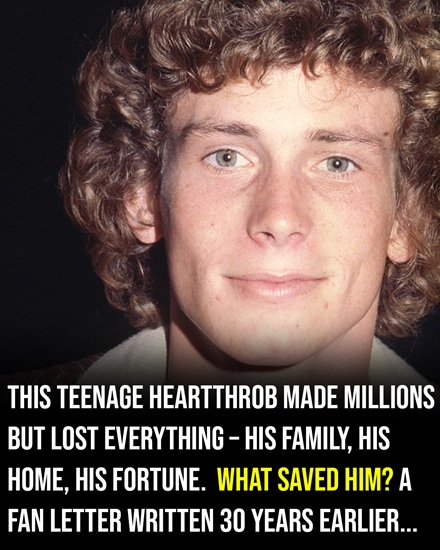
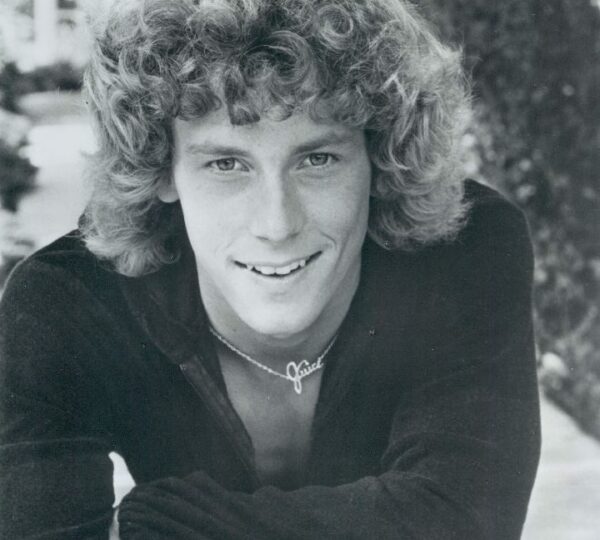
At just nineteen years old, Willie Aames had already become one of television’s most recognizable faces, earning more than $1 million annually at the peak of his fame, a remarkable achievement for someone so young.
Born in Newport Beach, California, in 1960, Aames was the son of a firefighter. From a young age, he demonstrated a natural talent for performance, appearing in commercials as early as nine years old.
By the early 1970s, he began securing guest roles on popular television programs such as Gunsmoke, The Odd Couple, and The Wonderful World of Disney, steadily building a reputation as a promising young actor in Hollywood.
His breakthrough arrived when he was cast as Tommy Bradford on the family drama Eight Is Enough, starring alongside Dick Van Patten. The series quickly drew massive viewership, sometimes reaching nearly 20 million viewers per episode.
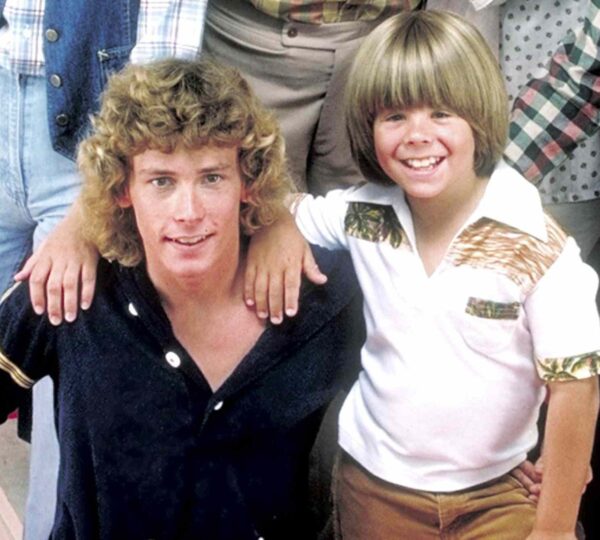
The show’s success turned Aames into a household name almost overnight, inspiring fan letters, posters in teenagers’ bedrooms, and a sense of adoration that few actors experience, especially at such a formative age.
Despite the external glamour, Aames struggled privately with the challenges of sudden fame, acknowledging later that he received little guidance on managing his newfound success or the pressures associated with a demanding television schedule.
During his years on Eight Is Enough, he began experimenting with alcohol and gradually developed a dependency that would later intensify, eventually including marijuana and cocaine, creating hidden struggles behind the smiling young star image.
Few fans knew that Aames had also been considered for the lead role in the 1980 film The Blue Lagoon. Scheduling conflicts with Eight Is Enough prevented him from accepting, an early sign of the sacrifices demanded by television commitments.
After the series concluded in 1981, he continued acting in projects such as the teen comedy film Zapped!, showing his versatility while still appealing to a youthful audience eager to follow his career trajectory.
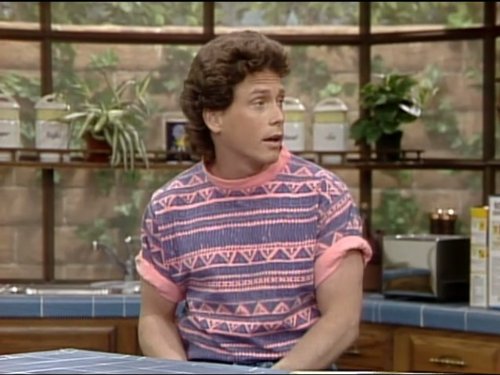
In 1984, he found another major role as Buddy Lembeck in the sitcom Charles in Charge, a series that aired until 1990 and further solidified his standing as a beloved television actor during the 1980s.
Behind the camera, however, Aames’ life remained turbulent. His first marriage ended in 1984, and financial difficulties began accumulating due to unwise investments and persistent personal struggles, marking the beginning of a challenging chapter.
Despite outward appearances of success, Aames’ private life was increasingly unstable. Emotional stress, substance use, and the pressures of maintaining public approval contributed to a growing sense of personal and financial vulnerability.
By the mid-2000s, Aames faced severe financial hardship and ultimately filed for bankruptcy. His second marriage also ended in divorce, further compounding the difficulties he experienced during a period of intense uncertainty.
He lost his home through foreclosure and, in 2009, held a garage sale in Olathe, Kansas, attempting to raise funds by selling scripts, awards, and memorabilia from his earlier television work, yet still struggled to regain financial stability.
At one point, he reportedly had only about ten dollars in his possession. For brief periods, he stayed in the foreclosed home, unsure of how to rebuild his life, while sometimes sleeping outdoors to get by.
At age 48, Aames resolved to start over. He applied for work with Dish Network as a satellite installer, earning $8.60 per hour, a humble position that required him to embrace a drastically different lifestyle from his previous celebrity life.
Initially, the company hesitated to hire him due to his celebrity background, fearing complications, yet his persistence and willingness to work diligently ultimately earned him the position, marking the beginning of a slow, deliberate recovery.
This job became a turning point in Aames’ life, providing structure, routine, and the opportunity to rebuild confidence through steady work, small achievements, and the satisfaction of tangible progress after years of personal struggle.
Soon after, he accepted employment on a cruise ship, starting with modest responsibilities, such as organizing onboard activities. His dedication and ability to adapt quickly allowed him to rise through the ranks in a short period.
Within six months, he was promoted to cruise director, a position that enabled him to travel to more than 120 countries, broaden his horizons, and regain a sense of purpose and accomplishment far removed from his earlier Hollywood pressures.
Another crucial aspect of Aames’ story began decades earlier with a fan letter he received during his Eight Is Enough fame. This letter would unexpectedly play a pivotal role in his personal and emotional recovery later in life.
The letter was from Winnie Hung, a devoted fan. Curious, Aames called the phone number included in the letter. Hung initially thought it was a prank, yet repeated contact eventually fostered a genuine correspondence.

Over the next thirty years, they maintained their connection through letters and phone calls, keeping in touch even as both navigated marriages, divorces, and the unpredictable demands of professional and personal life.
When Aames’ hardships became publicly known, Hung reached out through LinkedIn. Their bond rekindled, and they met in person when Aames’ cruise ship docked in Vancouver, a meeting that quickly deepened into a meaningful relationship.
On March 21, 2014, Aames and Hung married, formalizing a relationship that had been nurtured through decades of shared correspondence, patience, and mutual respect, highlighting the long-term power of human connection and persistence.
Their unique love story later inspired a Hallmark Channel film, dramatizing their decades-spanning connection and offering audiences a glimpse into the ways relationships can endure challenges and time before flourishing.
Following this personal renewal, Aames gradually re-entered the entertainment world, focusing on creative projects such as filmmaking. His film Bottle Monster, released in 2020, represented both a professional return and a personal achievement.
Now in his mid-sixties, Aames reflects on the choices and events that reshaped his life. He emphasizes perseverance, gradual progress, and the importance of rebuilding step by step after periods of significant setbacks.
Rather than viewing himself as a victim of circumstances, he recognizes that resilience, determination, and openness to new opportunities were critical in transforming both his career and personal life after years of struggle.

From teenage television star to financial collapse, and eventually a fresh start in a new field, his story illustrates the importance of second chances, the human capacity for reinvention, and the value of enduring connections.
Aames often credits small, steady steps as the foundation for his recovery, highlighting that meaningful change rarely occurs overnight and that rebuilding self-esteem and purpose requires patience and practical effort.
The role of work in his revival cannot be understated. Jobs with Dish Network and later on a cruise ship provided both routine and tangible progress, enabling him to regain independence, financial stability, and confidence gradually.
Throughout this journey, the unwavering support of Winnie Hung remained a critical factor, reinforcing the emotional and relational foundation needed to thrive after years of instability, loss, and personal challenges.
Aames’ story also underscores the dangers that can accompany early fame, including substance use, financial mismanagement, and the psychological pressures of public scrutiny, particularly for young performers with little guidance.
Yet his eventual recovery demonstrates that even after extreme hardship, it is possible to rebuild life and purpose through dedication, personal connection, and the willingness to embrace humble, practical opportunities.
In interviews, he often emphasizes gratitude for the journey, noting that the trials he endured ultimately provided perspective, growth, and a renewed appreciation for relationships, career, and life itself.
His experience also serves as a cautionary tale for young performers, illustrating the importance of guidance, mentorship, and careful management of finances, personal habits, and public exposure early in life.
Aames’ professional reinvention demonstrates versatility, adaptability, and creative ambition, as he transitioned from acting to filmmaking, showcasing resilience and the ability to channel past experiences into meaningful, productive endeavors.
His narrative exemplifies how long-term dedication and consistent effort can repair both financial and emotional instability, proving that setbacks do not preclude future success, personal fulfillment, or renewed creative achievement.
Aames has publicly reflected on how modest, grounded work restored his confidence, highlighting that success is not only measured in fame or wealth but also in self-respect, competence, and meaningful relationships.
By taking deliberate steps to rebuild his life, he gradually transformed his personal narrative from one of decline to one of hope, inspiring others who face similar challenges with career, finances, or personal circumstances.
His relationship with Winnie Hung exemplifies the enduring power of human connection, demonstrating that relationships formed during early life can have a lasting and transformative impact decades later.
The combination of steady work, emotional support, and the opportunity to travel and lead as a cruise director provided a foundation for both personal growth and professional reinvention, preparing him for later creative endeavors.
Aames’ return to filmmaking highlights the potential for later-in-life achievement, showing that age, previous setbacks, or financial challenges do not prevent individuals from pursuing creative passions or contributing meaningfully to their field.
His story has inspired fans and observers alike, demonstrating that resilience, patience, and openness to unconventional opportunities can result in profound transformation, both personally and professionally, over time.
Despite earlier setbacks, he now reports being happier and more fulfilled than at any point during his early fame, attributing satisfaction to stability, meaningful relationships, and a renewed sense of purpose in his work and life.
In his mid-sixties, Aames often emphasizes the importance of gratitude, personal accountability, and humility, noting that these qualities enabled him to navigate challenges, rebuild his life, and maintain a long-term, supportive relationship with his wife.
His journey illustrates that public failure does not preclude private success and that perseverance, combined with the right opportunities and human support, can lead to lasting recovery and fulfillment after years of hardship.
Ultimately, Willie Aames’ story represents a powerful narrative of resilience, demonstrating how perseverance, practical steps, and enduring human connections can overcome the challenges of early fame, personal turmoil, and financial instability.
He now balances a renewed creative career with family life, travel, and personal fulfillment, illustrating that long-term dedication and thoughtful decision-making can restore both professional relevance and personal happiness.
“I’ve never been happier,” Aames has remarked in interviews. “Life feels full of opportunity again, and I’m grateful for the journey and all of the lessons I’ve learned along the way.”
From his early days in commercials to the fame of Eight Is Enough, the challenges of addiction and financial collapse, and finally the renewed purpose found in modest work and enduring love, Aames’ life offers a full narrative of transformation.
Through steady determination, meaningful human connection, and the courage to embrace humility and practical work, he has rebuilt a life once threatened by hardship, showing that resilience and hope can indeed overcome even the most daunting circumstances.
