
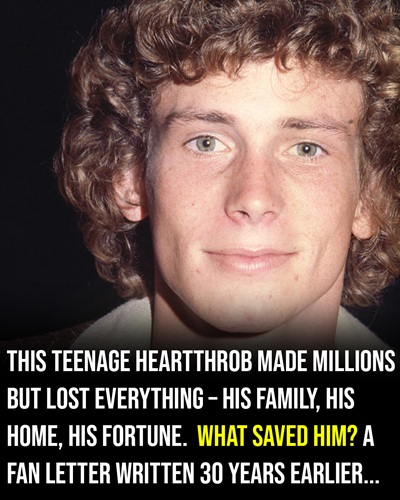
He was America’s golden boy at nineteen — a familiar face on television screens, adored by millions, and earning more money than most adults could imagine.
But fame and fortune were only the surface of a life story that would later include staggering loss, personal struggle, heartbreak, and ultimately, redemption. Willie Aames has lived a life filled with dramatic twists.
From child actor to Hollywood heartthrob, from financial ruin and homelessness to reinvention and true love. His journey is a testament to resilience, transformation, and the unexpected ways life sometimes leads to healing.
A Child Actor with Stardom in His Future
Born Albert William Upton on July 15, 1960, in Newport Beach, California, Willie Aames was introduced to the world of entertainment almost as soon as he could walk.

His parents supported his early ambitions, and at just age nine, he landed his first commercial — the beginning of a career that would eventually span more than four decades.
Growing up in Southern California, he attended Edison High School, where he was active in choir and performance, but his professional life was already taking shape long before graduation.
In the 1970s, Aames began appearing in episodic roles on popular television shows including Gunsmoke, Adam‑12, The Odd Couple, and The Courtship of Eddie’s Father.
He was good — and he knew it — but no one could have predicted just how big his name would become.
A Role That Changed Everything: Eight Is Enough
Everything changed in 1977 when Willie was cast as Tommy Bradford, one of the spirited children on the ABC family drama Eight Is Enough.
The show followed the large Bradford family and quickly captured the hearts of American viewers. It became a fixture of primetime television, drawing millions of viewers and turning its young stars into household names.
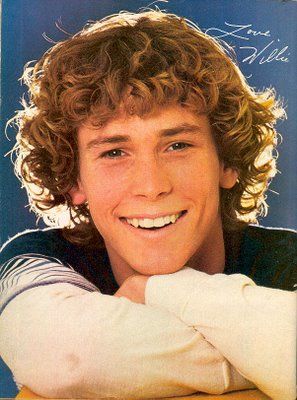
For Willie, the role of Tommy was transformative. The series made him a teen idol: posters with his smile and charismatic green eyes were plastered in bedrooms across the country, fan mail poured in by the stacks, and by the time he was nineteen, he was reportedly making over a million dollars a year — an extraordinary sum for a young actor.
His success wasn’t limited to television. During the Eight Is Enough era, Willie also pursued music, leading a band called Willie Aames & Paradise and landing a recording contract as part of the show’s promotional crossover into pop culture. Television, music, and merchandising all echoed with his name.
The Hidden Struggles Behind the Fame
But fame has a price, and the life of a Hollywood actor — especially one who grew up in it — can be a fragile one. As Eight Is Enough grew into a juggernaut, Willie’s personal life began to spin out of balance.

Parties, alcohol, and drugs were woven into the culture of young Hollywood, and Aames found himself sliding into substance use. He later admitted that he wrestled with alcohol, marijuana, and even cocaine during his years on the show.
These problems wouldn’t dominate headlines at first — they stayed hidden beneath the bright lights and healthy smiles — but they began eroding the foundations of his life.
In 1979, Willie married Vicki Weatherman, and they welcomed a son named Christopher later that year. But the pressures of Hollywood, combined with personal struggles, took a toll.
The marriage ended in 1984. His life, once filled with success, began fracturing. Aames continued working — appearing in movies like Zapped! and Paradise and later as Buddy Lembeck on the 1980s sitcom Charles in Charge — but the roles were fewer and the stability was gone.
In 1986, he married actress Maylo McCaslin, and they had a daughter, Harleigh Jean. For a time, it seemed like a fresh chapter.
But unresolved issues, including longstanding struggles with addiction and financial management, increasingly clouded his life. By the mid‑2000s, he faced dramatic consequences.
From Riches to Ruin: Bankruptcy and Homelessness
Acting jobs dried up. Savings vanished. Aames found himself in debt and filed for bankruptcy. In 2009, after his home in Olathe, Kansas was foreclosed upon, he held a widely publicized garage sale, selling scripts, awards, memorabilia — even items fans treasured — in an effort to scrape together funds.
But it still wasn’t enough. The house was lost, and with nearly nothing left, Willie found himself living without a permanent place to sleep.
On more than one occasion, he fell asleep under bushes, in parking garages, and wherever he could find a moment of rest between days filled with uncertainty.
At one point, he spoke candidly about the shame and heartbreak of those nights, saying he laid under bushes wondering, “Is this how my life really turns out?” — a stark contrast to the days when he was dining at the White House or topping fan magazines.

During this period, friends and family worried about his safety. He himself later acknowledged that people “had a lot of cause for concern” about how far he had fallen.
A Turning Point and the Rebuilding Process
At age 48, after years of struggle, Willie made a decision that would redirect his life. He chose to rebuild from the very beginning.
Taking a job with Dish Network installing satellite systems — work he described as humbling — he started accumulating what he called “little wins,” each one a step toward regaining independence and dignity.
Eventually, he found work with luxury cruise lines, including Regent Seven Seas Cruises and Oceania Cruises, starting in entry‑level positions managing games like shuffleboard and ping‑pong, cleaning facilities, and assisting passengers.
Within months, he advanced to cruise director, a role that allowed him to travel the world and renew his sense of purpose. During this chapter, he visited dozens of countries and re‑established a steady source of income and routine.
A Fan Letter That Never Left His Story
But beyond career reinvention, perhaps the most remarkable thread in Willie’s life was a story that began not with fame, but with kindness.
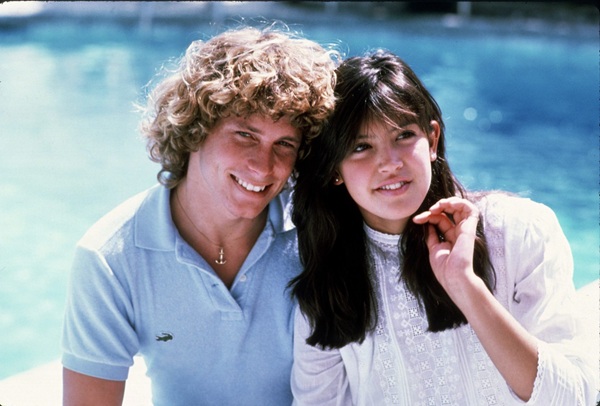
During the Eight Is Enough years, Willie received thousands of fan letters every week. One of them came from a young fan named Winnie Hung, who poured her admiration and encouragement into letters that continued for decades.
At some point, Willie picked a letter at random from the stack, dialed the number included in it, and reached Winnie at her home. She initially thought the call was a joke — until he called back, and they began talking.
Their connection was not immediate, nor was it a whirlwind romance. Rather, they became pen pals, writing letters and occasionally speaking on the phone for nearly 30 years — through marriages, divorces, career highs and lows, addiction struggles, and periods of silence. Their friendship endured long before they ever met in person.
Eventually, decades later, social media helped them reconnect after a hiatus, and they arranged to meet during one of Willie’s cruise stops in Vancouver. When Willie saw Winnie in person for the first time, he later said it felt as though something that had always been meant to happen finally came true.
Their bond — forged through shared stories, empathy, and loyalty over many years — blossomed into love.
That afternoon, he bought her a Pandora charm engraved with the word “Fairytale,” encouraging her never to miss out on her own real‑life magic.
Within ten months of their first in‑person meeting, they were married on March 21, 2014 — a union that seemed like a lifelong dream fulfilled.
Their love story was so inspiring that it became the basis for the Hallmark Channel movie Love in the Limelight, touching audiences with its message of patience, loyalty, and enduring affection.
Later Life: Family, Faith, and a Second Act
Today, Willie Aames has embraced a life shaped by humility, gratitude, and purpose. He reunited with his adult children — particularly his son Christopher, whom he has described as one of the few people who never gave up on him — and developed a happy and stable partnership with Winnie.
Although his early marriage to Maylo McCaslin ended in divorce, and that chapter of his life brought its own challenges, the experience contributed to the depth of wisdom he carries today.
Willie also returned to entertainment in the mid‑2010s, appearing in Hallmark films and other television projects that allowed him to reconnect with audiences who remember him fondly from his earlier work.
Productions like Every Christmas Has a Story, Dater’s Handbook, and Love on the Menu showcased a performer who had weathered life’s storms and returned with renewed strength.
Beyond acting, he has shared his story openly — speaking about addiction, recovery, financial hardship, and mental health — helping others who may be struggling. His journey from child star to a life rebuilt is one of rare authenticity in an industry often characterized by illusion.
A Legacy of Resilience and Hope
At 65 years old, Willie Aames stands as more than a name from classic television; he is a living example of resilience. He is proof that success is not defined solely by wealth or fame, but by the courage to face life’s darkest chapters, learn from them, and create a new path forward.
He has said he has “never been happier” and credits much of his stability and joy to the support of Winnie Hung — the fan who became his wife, partner, and closest companion.
Their story is a reminder that life’s greatest gifts sometimes emerge not from the heights of fame, but from unwavering connection, understanding, and the belief that new beginnings are always possible.
