

The human body is guided by a network of 14 primary meridians, with 12 directly connected to a 24-hour internal cycle. Each meridian governs specific organs, influencing physical, emotional, and energetic processes throughout the day.
These meridians operate in two-hour intervals, becoming dominant and active at precise times. This rhythm, known as the Chinese body clock, reflects the flow of Qi, or life energy, regulating bodily functions and subtle internal states.
For example, the lungs are most active between 3:00 and 5:00 a.m., a period often associated with emotional release and spiritual reflection. This may explain why some individuals awaken feeling unrested or introspective.
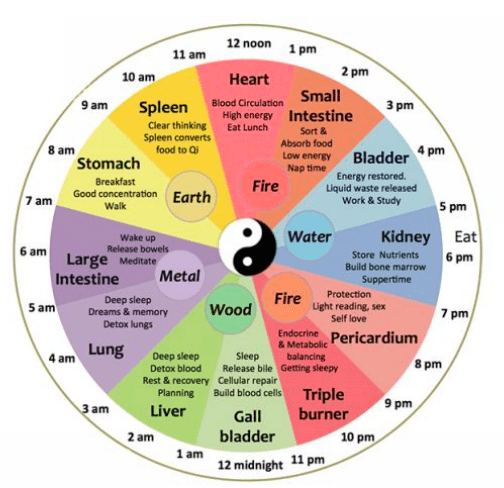
Similarly, the liver meridian peaks between 1:00 and 3:00 a.m., a time linked to detoxification and emotional processing. Disruptions during this window may manifest physically, mentally, or emotionally, signaling areas that require attention or healing.
Waking at the same hour each night is rarely coincidental. Traditional Chinese medicine views these patterns as messages from the body, highlighting imbalances in organs, energy flow, or unresolved emotional tensions.
The gallbladder, for example, is linked to decision-making and stress. Waking between 11:00 p.m. and 1:00 a.m. may reflect difficulty in processing stress or making choices, manifesting as restlessness or physical discomfort during sleep.
Emotional imbalances such as worry, resentment, or suppressed grief can also influence meridian activity. Night waking may indicate unresolved feelings seeking expression or integration, emphasizing the connection between emotional health and physical rhythms.
Spiritually, repeated nocturnal awakenings often signal a need for self-care and energy restoration. Individuals may be overextending themselves, seeking validation externally, or neglecting personal boundaries, creating subtle energetic imbalances in the body.
The stomach meridian, active from 7:00 to 9:00 a.m., governs digestion and nutrient absorption. Imbalances in this meridian can influence morning energy levels, appetite, and mental clarity, linking digestive health to broader energetic patterns.
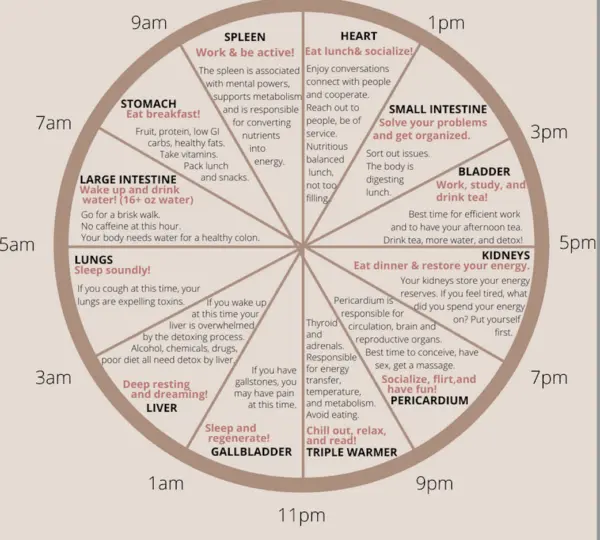
The heart meridian, dominant between 11:00 a.m. and 1:00 p.m., plays a central role in circulation, emotional balance, and vitality. Disturbances may manifest as anxiety, restlessness, or difficulty maintaining focus during the day.
The kidney meridian peaks between 5:00 and 7:00 p.m., affecting reproductive health, fluid balance, and fear regulation. Disruptions may present as fatigue, tension, or emotional hypersensitivity, reflecting the body’s need for replenishment.
Similarly, the bladder meridian, active from 3:00 to 5:00 p.m., governs waste elimination and fluid regulation. Imbalances may show as bloating, urinary issues, or irritability, demonstrating how physical and emotional states intertwine.
Observing the timing of night awakenings can provide valuable insight into health and energy flow. These patterns offer a non-invasive method for identifying potential imbalances or stress points within the body.
Not all nocturnal disturbances are physical. Mental and emotional factors often intersect with meridian activity. Anxiety, overthinking, and emotional suppression frequently coincide with specific organ clocks, revealing areas needing attention.
For instance, waking between 9:00 and 11:00 p.m. may be linked to the pericardium meridian, responsible for circulation and emotional processing. Disruptions here often suggest that stress or emotional burden is affecting restorative sleep.
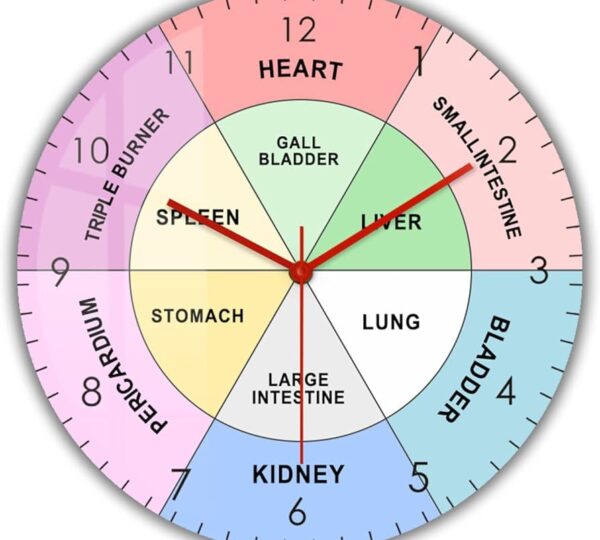
The concept of the body clock emphasizes holistic awareness. By observing natural rhythms, one can correlate physical symptoms, emotional states, and spiritual experiences with specific meridian activity, providing a comprehensive approach to health.
Sleep disturbances between 1:00 and 3:00 a.m. may signal liver or gallbladder stress. Physically, this may appear as cramps or tension; emotionally, as anger or irritability; spiritually, as a need to release unresolved burdens.
Patterns of waking are influenced by lifestyle and environment. Poor diet, irregular sleep schedules, emotional stress, and excessive mental activity can exacerbate meridian imbalances, affecting both rest quality and overall health.
Understanding the meridian clock allows one to anticipate periods of vulnerability. By aligning daily activities, meals, and self-care practices with natural energy peaks, individuals can enhance vitality, emotional balance, and spiritual well-being.
The spleen meridian, active from 9:00 a.m. to 11:00 a.m., governs digestion, mental clarity, and emotional stability. Imbalances can manifest as fatigue, worry, or digestive issues, reflecting the interplay between physical and psychological processes.

Nocturnal awakenings can also be viewed as opportunities for reflection. Instead of frustration, recognizing the body’s signals encourages mindfulness, self-awareness, and intentional practices to restore harmony and energy balance.
Traditional Chinese medicine integrates these observations into holistic health strategies. Dietary adjustments, acupuncture, meditation, and energy-focused practices aim to restore meridian flow and improve both sleep quality and overall well-being.
For instance, calming teas or gentle stretches during specific meridian windows can support organ function, ease emotional tension, and facilitate deeper sleep, harmonizing the body’s natural rhythms with lifestyle patterns.
The large intestine meridian, active between 5:00 and 7:00 a.m., influences elimination and detoxification. Morning disruptions may indicate dietary issues, emotional stagnation, or energetic congestion, suggesting a need for restorative practices and mindful routines.
Recurrent wakefulness at 3:00 to 5:00 a.m. is often tied to the lung meridian. Physically, it may relate to respiratory function; emotionally, to grief or unresolved sadness; spiritually, it can signify a phase of heightened awareness and awakening.
Meridian disturbances rarely occur in isolation. Often, multiple meridians interact, creating overlapping patterns of night waking, tension, or energy fluctuation, which can guide individuals toward holistic solutions for both body and mind.
Incorporating practices like journaling, meditation, or gentle breathing exercises during meridian-specific times can enhance awareness, reduce stress, and restore balance, helping to prevent repeated nocturnal disturbances over time.
Waking patterns are often subtle yet consistent. Observing these trends over weeks can reveal correlations with emotional cycles, dietary habits, and lifestyle factors, allowing proactive adjustments that support optimal energy flow and health.
For those experiencing frequent awakenings, consulting traditional Chinese medicine practitioners can provide personalized guidance. Acupuncture, acupressure, and tailored lifestyle recommendations target specific meridians, offering integrated solutions to restore balance.
Physical symptoms accompanying nocturnal wakefulness may include tension, digestive issues, or respiratory discomfort. Emotional signals may include worry, anger, or sadness. Recognizing these as interconnected aspects of meridian activity fosters deeper understanding and self-care.
Spiritual considerations are also important. Meridian-based disturbances often signal energetic depletion or misalignment, encouraging practices that nurture self-reflection, intention-setting, and conscious energy management to restore inner harmony.
The heart and pericardium meridians are particularly sensitive to emotional states. Frequent awakenings during their peak times may indicate unresolved emotions, overexertion, or relational stress, highlighting the need for restorative practices and emotional processing.
Lifestyle adjustments supporting meridian balance include consistent sleep schedules, hydration, balanced nutrition, moderate exercise, and mindfulness practices. These interventions help harmonize energy flow, reduce night waking, and enhance overall health and well-being.
Observation of the meridian clock encourages proactive self-care. By noting patterns of nocturnal wakefulness, one can identify underlying physical, emotional, or spiritual imbalances and implement practical, restorative strategies to maintain harmony.
Ultimately, paying attention to waking times is a form of holistic feedback. It integrates body, mind, and spirit, offering guidance for energy management, self-reflection, and intentional lifestyle choices aligned with natural rhythms.
By understanding meridian activity, individuals can approach sleep disturbances with curiosity rather than frustration, fostering awareness of body signals, emotional needs, and spiritual lessons that support long-term vitality and well-being.
The meridian clock provides a framework for interpreting physical sensations, emotional fluctuations, and energy patterns. Recognizing these cycles allows targeted interventions, enhancing rest, recovery, and overall alignment with the body’s innate wisdom.
Using the meridian clock as a guide, night waking becomes a tool for insight rather than annoyance. Patterns indicate areas of imbalance, encouraging personal reflection, lifestyle adjustment, and integration of physical, emotional, and spiritual health practices.
The kidney meridian, dominant from 5:00 to 7:00 p.m., relates to fear management, reproductive health, and energy reserves. Disruptions may appear as anxiety, fatigue, or emotional depletion, signaling the importance of rest and energetic restoration.
By observing meridian patterns over time, one can identify recurring imbalances in organs, emotions, or energy. This awareness enables interventions, such as dietary changes, acupuncture, or meditation, to restore harmony and improve sleep quality.
In conclusion, the body’s 24-hour meridian cycle offers profound insight into the interconnected nature of physical health, emotional balance, and spiritual awareness. Observing night waking patterns allows for conscious adjustments and deeper self-understanding.
