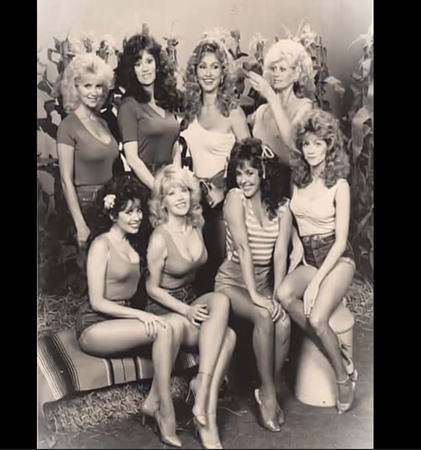
...

Why This Unforgettable Hee Haw Moment Continues to Captivate Audiences

Hee Haw was far more than a television show—it was a cultural institution, a weekly ritual that united families across the United States in laughter, music, and storytelling.

Premiering in 1969 during a time of profound social and cultural change, the variety series offered a unique blend of humor, live country music, and rural charm that resonated with audiences in a way few shows of its time could.

Each episode invited viewers into a whimsical, often exaggerated world of barnyard jokes, musical performances, and comedic sketches that reflected the rhythms, values, and humor of small-town life.

For many families, Saturday nights became synonymous with Hee Haw, a time to gather in the living room, share stories, laugh together, and savor moments of connection long before smartphones, streaming services, or constant media saturation reshaped entertainment.
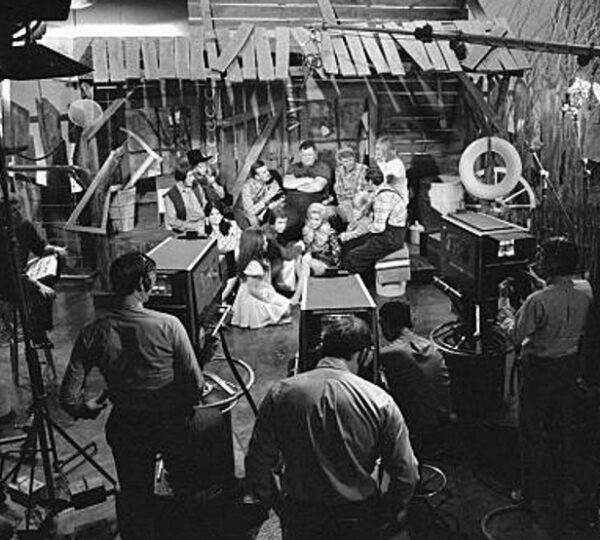
Watching an uncut scene from the show today is like stepping into a time capsule, transporting audiences to a slower, simpler, and more human-centered era of television.

A Window into Cultural Nostalgia

The enduring appeal of Hee Haw lies in its raw, unpolished authenticity.

Unlike contemporary television, which often prioritizes slick production and perfection over personality, Hee Haw thrived on spontaneity, camaraderie, and the charm of imperfection.

Its performers—ranging from musical legends such as Roy Clark and Buck Owens to iconic ensemble members like Grandpa Jones, Minnie Pearl, and the countless Kornfield Kounty humorists—radiated warmth, approachability, and familiarity, making audiences feel as if they were visiting old friends rather than watching distant celebrities.

The show’s signature sketches, including the beloved “Kornfield Kounty Jokes,” employed clever wordplay, slapstick, and gentle satire to reflect the quirks and idiosyncrasies of rural life.

These short comedic interludes were lighthearted yet insightful, offering subtle commentary on social norms, family life, and the everyday struggles of rural communities.
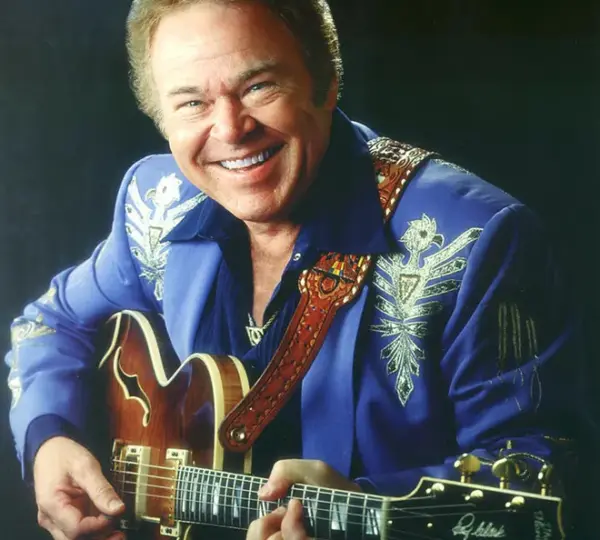
Musical segments, performed live on set, featured a rich repertoire of country, bluegrass, gospel, and southern folk music, showcasing both contemporary hits and traditional favorites.

These performances were not mere entertainment; they were cultural preservation, celebrating a musical heritage often overlooked in mainstream media.

Through its humor, music, and sketches, Hee Haw became a mirror reflecting the values, traditions, and joys of rural America, inviting viewers into a shared, participatory experience that celebrated community, resilience, and the simple pleasures of life.

Authenticity That Resonates Across Time

One of the defining qualities of Hee Haw was its unfiltered, down-to-earth spirit.

Uncut scenes capture small imperfections—a missed line, a spontaneous smile, a cast member laughing uncontrollably—that humanized the performers and made viewers feel connected to the experience.

Unlike modern television, dominated by meticulous editing, computer-generated effects, and formulaic scripting, Hee Haw reminded audiences that entertainment rooted in sincerity, spontaneity, and human warmth could be infinitely more engaging.
Its humor was never mean-spirited or cynical; it celebrated everyday life, resilience, and the quirks that make people relatable.

Decades later, these unedited moments continue to elicit smiles, nostalgia, and a profound sense of belonging, demonstrating that authentic entertainment transcends time and trends.

A Cultural Touchstone for Generations

Though the show first aired more than fifty years ago, Hee Haw’s cultural significance endures.

Younger audiences discovering the show today, through streaming platforms or archived footage, can still appreciate its charm, humor, and musical richness.

The program serves as a historical snapshot, documenting rural America’s aesthetics, values, and everyday life during a transformative period in the nation’s history.

It offers insight into the traditions, struggles, and celebrations of small-town communities, making the show both entertaining and educational.

Moreover, Hee Haw created a lasting legacy of cultural inclusivity within its framework.

While rooted in rural Americana, the show highlighted universal themes—family, community, humor, and music—that transcended geography and background.
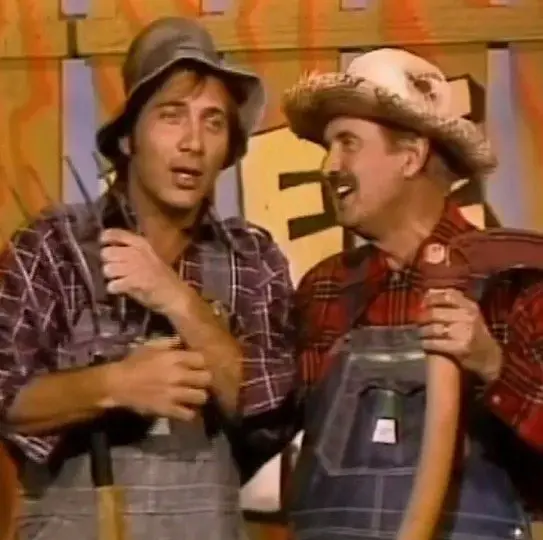
It bridged generational divides, allowing grandparents, parents, and children to enjoy the same programming together, creating a shared experience that strengthened familial bonds.

The combination of storytelling, comedy, and music ensured that the show’s impact went beyond entertainment, cultivating a sense of identity, nostalgia, and belonging among viewers.

The Musical Heart of Hee Haw

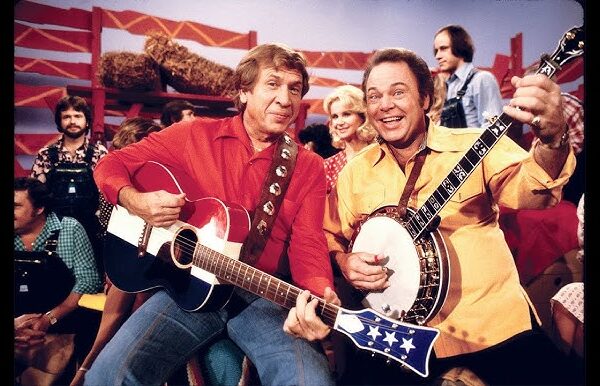
Music was the lifeblood of Hee Haw. Live performances were a hallmark, with Roy Clark and Buck Owens often taking center stage, alongside talented ensemble members delivering vocals, instrumental solos, and impromptu jams.

The show’s musical range was impressive: country standards, bluegrass fiddle solos, gospel-inspired choruses, and humorous novelty songs all found a home on the stage.

These performances were often interwoven seamlessly with sketches, creating a rhythm and flow that mimicked the cadence of life in rural communities.

By spotlighting authentic musicianship, Hee Haw preserved the sound and spirit of American country music, introducing it to audiences who may have had little exposure to the genre.

Comedy Rooted in Humanity

The sketches on Hee Haw were equally timeless. Humor was grounded in everyday experiences: family dynamics, neighborly gossip, seasonal work, and rural idiosyncrasies.

Characters like Grandpa Jones, with his endearing grumpiness, and Minnie Pearl, with her iconic greeting of “How-w-w-w-dee-hoo!”, brought joy through exaggerated, yet deeply human performances.
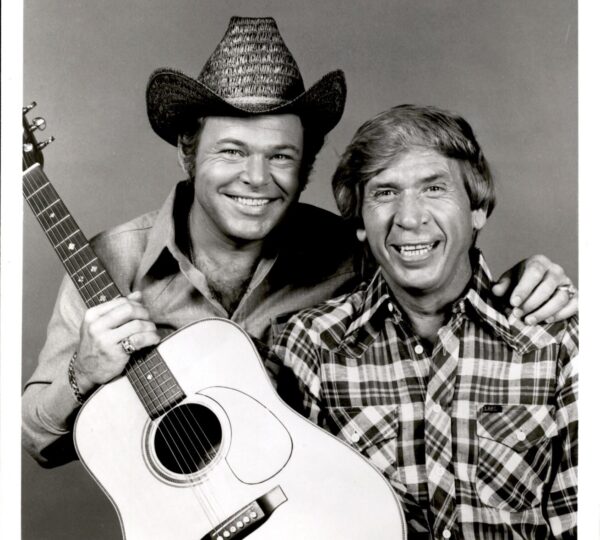
The show’s comedy did not rely on malice or cynicism; it thrived on empathy, wit, and the shared experiences of ordinary life. In doing so, it created a gentle, uplifting form of entertainment that appealed to all ages.

Lessons in Authentic Entertainment

At its core, Hee Haw demonstrated that entertainment is most meaningful when it celebrates authenticity and human connection.

Its uncut scenes, spontaneous laughter, and heartfelt musical performances captured moments of honesty, imperfection, and shared joy.

They remind us that true entertainment is participatory, communal, and emotionally resonant, fostering empathy and connection across generations.

Even decades after its original broadcast, the show continues to teach that simplicity, warmth, and sincerity can leave a lasting impact far beyond fleeting trends.

Conclusion: The Enduring Legacy of Hee Haw

An uncut Hee Haw scene is more than a television clip; it is a window into history, a celebration of culture, and a testament to the enduring power of authenticity.

Through its music, comedy, and storytelling, the show preserved the essence of rural Americana, highlighting values of family, community, resilience, and joy.

Its influence persists, inspiring modern entertainers and audiences alike to value sincerity over polish and human connection over spectacle.
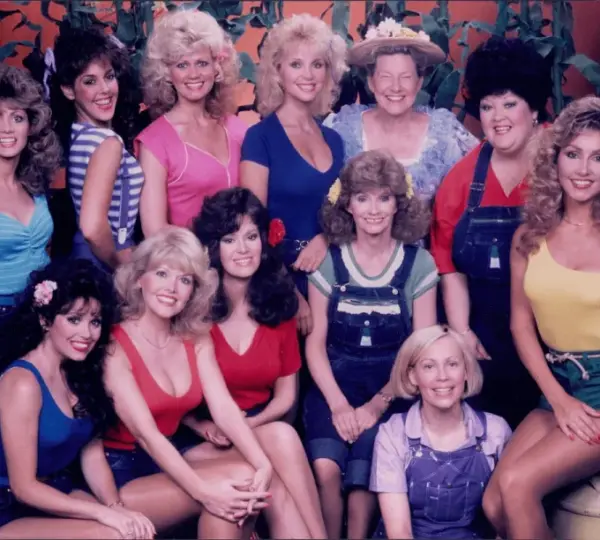
Revisiting Hee Haw is an act of nostalgia, education, and appreciation—a reminder that entertainment is at its best when it feels lived-in, heartfelt, and communal.

For viewers old and new, the show embodies the timeless lesson that the simplest moments, shared laughter, and genuine performances create memories that endure, proving that authentic, human-centered storytelling never goes out of style.

Hee Haw was far more than a television show—it was a cultural institution, a weekly ritual that united families across the United States in laughter, music, and storytelling.

Premiering in 1969 during a time of profound social and cultural change, the variety series offered a unique blend of humor, live country music, and rural charm that resonated with audiences in a way few shows of its time could.

Each episode invited viewers into a whimsical, often exaggerated world of barnyard jokes, musical performances, and comedic sketches that reflected the rhythms, values, and humor of small-town life.

For many families, Saturday nights became synonymous with Hee Haw, a time to gather in the living room, share stories, laugh together, and savor moments of connection long before smartphones, streaming services, or constant media saturation reshaped entertainment.

Watching an uncut scene from the show today is like stepping into a time capsule, transporting audiences to a slower, simpler, and more human-centered era of television.

A Window into Cultural Nostalgia

The enduring appeal of Hee Haw lies in its raw, unpolished authenticity.

Unlike contemporary television, which often prioritizes slick production and perfection over personality, Hee Haw thrived on spontaneity, camaraderie, and the charm of imperfection.

Its performers—ranging from musical legends such as Roy Clark and Buck Owens to iconic ensemble members like Grandpa Jones, Minnie Pearl, and the countless Kornfield Kounty humorists—radiated warmth, approachability, and familiarity, making audiences feel as if they were visiting old friends rather than watching distant celebrities.

The show’s signature sketches, including the beloved “Kornfield Kounty Jokes,” employed clever wordplay, slapstick, and gentle satire to reflect the quirks and idiosyncrasies of rural life.

These short comedic interludes were lighthearted yet insightful, offering subtle commentary on social norms, family life, and the everyday struggles of rural communities.

Musical segments, performed live on set, featured a rich repertoire of country, bluegrass, gospel, and southern folk music, showcasing both contemporary hits and traditional favorites.

These performances were not mere entertainment; they were cultural preservation, celebrating a musical heritage often overlooked in mainstream media.

Through its humor, music, and sketches, Hee Haw became a mirror reflecting the values, traditions, and joys of rural America, inviting viewers into a shared, participatory experience that celebrated community, resilience, and the simple pleasures of life.

Authenticity That Resonates Across Time

One of the defining qualities of Hee Haw was its unfiltered, down-to-earth spirit.

Uncut scenes capture small imperfections—a missed line, a spontaneous smile, a cast member laughing uncontrollably—that humanized the performers and made viewers feel connected to the experience.

Unlike modern television, dominated by meticulous editing, computer-generated effects, and formulaic scripting, Hee Haw reminded audiences that entertainment rooted in sincerity, spontaneity, and human warmth could be infinitely more engaging.

Its humor was never mean-spirited or cynical; it celebrated everyday life, resilience, and the quirks that make people relatable.

Decades later, these unedited moments continue to elicit smiles, nostalgia, and a profound sense of belonging, demonstrating that authentic entertainment transcends time and trends.

A Cultural Touchstone for Generations

Though the show first aired more than fifty years ago, Hee Haw’s cultural significance endures.

Younger audiences discovering the show today, through streaming platforms or archived footage, can still appreciate its charm, humor, and musical richness.

The program serves as a historical snapshot, documenting rural America’s aesthetics, values, and everyday life during a transformative period in the nation’s history.

It offers insight into the traditions, struggles, and celebrations of small-town communities, making the show both entertaining and educational.

Moreover, Hee Haw created a lasting legacy of cultural inclusivity within its framework.

While rooted in rural Americana, the show highlighted universal themes—family, community, humor, and music—that transcended geography and background.

It bridged generational divides, allowing grandparents, parents, and children to enjoy the same programming together, creating a shared experience that strengthened familial bonds.

The combination of storytelling, comedy, and music ensured that the show’s impact went beyond entertainment, cultivating a sense of identity, nostalgia, and belonging among viewers.

The Musical Heart of Hee Haw

Music was the lifeblood of Hee Haw. Live performances were a hallmark, with Roy Clark and Buck Owens often taking center stage, alongside talented ensemble members delivering vocals, instrumental solos, and impromptu jams.

The show’s musical range was impressive: country standards, bluegrass fiddle solos, gospel-inspired choruses, and humorous novelty songs all found a home on the stage.

These performances were often interwoven seamlessly with sketches, creating a rhythm and flow that mimicked the cadence of life in rural communities.

By spotlighting authentic musicianship, Hee Haw preserved the sound and spirit of American country music, introducing it to audiences who may have had little exposure to the genre.

Comedy Rooted in Humanity

The sketches on Hee Haw were equally timeless. Humor was grounded in everyday experiences: family dynamics, neighborly gossip, seasonal work, and rural idiosyncrasies.

Characters like Grandpa Jones, with his endearing grumpiness, and Minnie Pearl, with her iconic greeting of “How-w-w-w-dee-hoo!”, brought joy through exaggerated, yet deeply human performances.

The show’s comedy did not rely on malice or cynicism; it thrived on empathy, wit, and the shared experiences of ordinary life. In doing so, it created a gentle, uplifting form of entertainment that appealed to all ages.

Lessons in Authentic Entertainment

At its core, Hee Haw demonstrated that entertainment is most meaningful when it celebrates authenticity and human connection.

Its uncut scenes, spontaneous laughter, and heartfelt musical performances captured moments of honesty, imperfection, and shared joy.

They remind us that true entertainment is participatory, communal, and emotionally resonant, fostering empathy and connection across generations.

Even decades after its original broadcast, the show continues to teach that simplicity, warmth, and sincerity can leave a lasting impact far beyond fleeting trends.

Conclusion: The Enduring Legacy of Hee Haw

An uncut Hee Haw scene is more than a television clip; it is a window into history, a celebration of culture, and a testament to the enduring power of authenticity.

Through its music, comedy, and storytelling, the show preserved the essence of rural Americana, highlighting values of family, community, resilience, and joy.

Its influence persists, inspiring modern entertainers and audiences alike to value sincerity over polish and human connection over spectacle.

Revisiting Hee Haw is an act of nostalgia, education, and appreciation—a reminder that entertainment is at its best when it feels lived-in, heartfelt, and communal.

For viewers old and new, the show embodies the timeless lesson that the simplest moments, shared laughter, and genuine performances create memories that endure, proving that authentic, human-centered storytelling never goes out of style.