
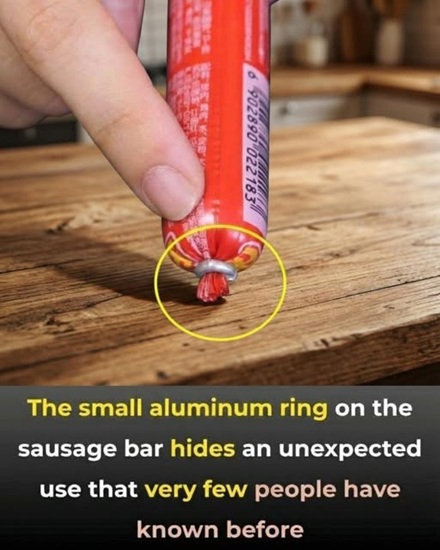
At first glance, it looks like nothing more than a small scrap of metal—something you might flick into the trash without a second thought.
But if you have ever picked up a sausage stick and noticed the tiny aluminum ring clipped to one end, you have encountered a carefully designed detail that most people overlook.
This small metal piece is not decorative, accidental, or leftover packaging. It serves a specific and important function that begins long before the sausage reaches a grocery store shelf.
What appears insignificant at first plays a quiet but essential role in food preparation, preservation, safety, and efficiency.
The aluminum ring is a practical solution developed through decades of refinement in meat processing, designed to ensure that sausage products remain fresh, safe, and consistent from production to consumption.
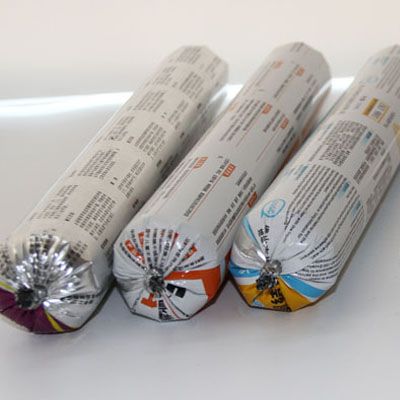
The Primary Purpose: Sealing the Sausage Casing
The main function of the aluminum ring is to securely seal the sausage casing. Sausages are enclosed in casings made from either natural materials, such as animal intestines, or synthetic alternatives like collagen or cellulose.
Regardless of the casing type, it must be closed tightly at the end to protect the contents inside.
Once the meat mixture is packed into the casing, the open end needs to be sealed in a way that is strong, sanitary, and reliable.
The aluminum ring is crimped tightly around the casing, creating a firm closure that prevents air, moisture, and external contaminants from entering. This seal helps preserve the sausage’s flavor, texture, and aroma while also extending its shelf life.
Without a secure closure, sausages could dry out, absorb unwanted odors, lose moisture, or become vulnerable to bacteria.
Even minor exposure to air can affect quality over time, especially in cured or semi-dried products. The aluminum ring acts as a final barrier, maintaining the integrity of the sausage until it is opened by the consumer.
Maintaining Shape and Structural Integrity
In addition to sealing the casing, the aluminum ring helps maintain the sausage’s shape. During storage and transportation, sausage sticks are often stacked, packed tightly, or handled in bulk.
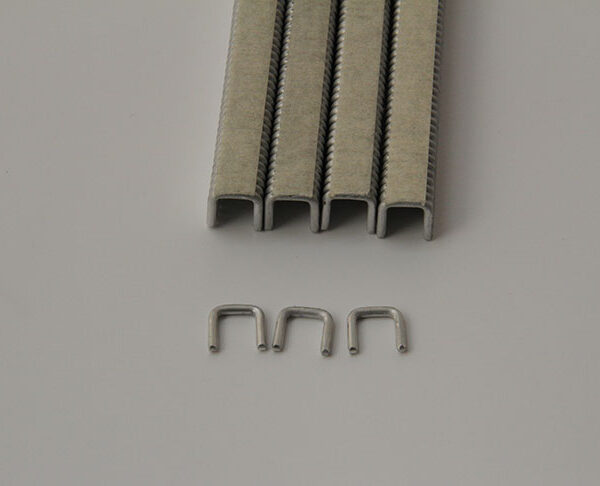
A properly crimped metal ring ensures that the filling remains compact and evenly distributed within the casing.
If the casing were tied loosely or left unsecured, the sausage could become misshapen, uneven, or damaged. This not only affects appearance but also texture and mouthfeel.
Consistency is especially important in commercial food production, where consumers expect uniform products every time they make a purchase.
The ring helps prevent the filling from shifting or leaking, ensuring that the sausage remains firm and intact from factory to store.
Supporting Curing and Drying Processes
In many production facilities, sausages are not simply packaged immediately after being filled. Depending on the type, they may undergo curing, smoking, or drying processes.
During these stages, sausages are often hung in controlled environments where temperature, humidity, and airflow are carefully regulated.
The aluminum ring provides a convenient and reliable hanging point. It allows sausages to be suspended evenly, ensuring that air circulates around the entire surface.
This even exposure is essential for consistent drying and curing, which directly affects flavor, texture, and safety.
Uneven airflow can result in inconsistent moisture levels, leading to spoilage or poor quality. The ring helps prevent such issues by supporting standardized handling throughout production.
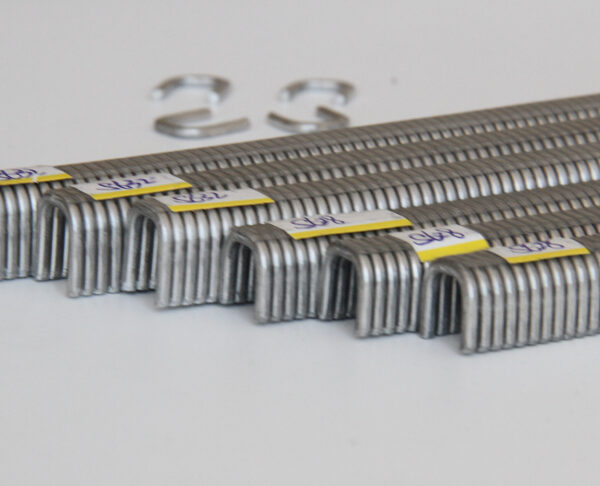
Why Aluminum Is Used
The choice of aluminum is intentional. Aluminum is lightweight, corrosion-resistant, and hygienic, making it ideal for food-related applications. Unlike some metals, aluminum does not rust, which is crucial when products are exposed to moisture during curing or storage.
Aluminum is also easy to crimp securely without damaging the casing. It provides enough strength to hold the seal without cutting into the material.
This balance between firmness and flexibility makes it well suited for high-speed manufacturing environments where precision and reliability are essential.
Additionally, aluminum is widely accepted in food processing because it does not alter taste or smell when used externally in this manner. It remains stable across a wide range of temperatures, from cold storage to curing rooms.
Efficiency in Industrial Food Production
Modern food production relies heavily on efficiency and consistency. The aluminum ring supports both. In high-volume sausage manufacturing, speed matters. Workers and automated machines need closure methods that are fast, repeatable, and dependable.
Metal rings can be applied quickly using specialized crimping tools or automated equipment. This reduces production time while ensuring that every sausage is sealed to the same standard.
Alternative methods, such as tying with string, are slower and can vary in tightness depending on technique.
The uniformity provided by aluminum rings helps manufacturers meet food safety standards and quality controls more easily. When every product is sealed in the same way, inspection and compliance become more straightforward.
Food Safety and Contamination Prevention
Food safety is a critical concern in meat processing. The aluminum ring contributes indirectly but meaningfully to this goal. By keeping the casing sealed, it reduces the risk of contamination during handling, storage, and transportation.
An open or poorly sealed casing could allow bacteria, mold, or debris to enter. Even if contamination does not immediately cause spoilage, it can compromise safety over time.
The ring ensures that once the sausage is sealed, it remains protected until the consumer removes the casing or cuts the product open.
This secure closure also helps prevent cross-contamination in storage environments where different products are kept close together.
Shelf Life and Freshness
Shelf life is influenced by many factors, including ingredients, curing methods, and packaging. While the aluminum ring is only one part of the process, it plays a supportive role in preserving freshness.
By minimizing exposure to air, the ring helps slow oxidation, which can affect flavor and texture. This is particularly important for cured sausages, where controlled drying is part of the process, but uncontrolled exposure can lead to spoilage.
The ring works in combination with other preservation methods—such as curing salts, smoking, or refrigeration—to ensure that the product remains enjoyable for as long as intended.
Practical Benefits for Consumers
While the aluminum ring is primarily designed for manufacturing and storage, it can also offer small practical benefits to consumers. Some people find it useful as a grip when separating linked sausages, allowing them to pull them apart without tearing the casing.
Others use it as a reference point when hanging sausages during home curing or drying, though this is less common. These uses are secondary, but they highlight how a simple design element can remain functional even after the product leaves the factory.
Importantly, the ring is meant to be removed before consumption. It is not edible and should not be cooked with the sausage.
Why Most People Never Notice It
The reason the aluminum ring often goes unnoticed is simple: it is designed to be discreet. Its purpose is functional, not visual. It does not interfere with branding, labeling, or presentation. It blends into the product, doing its job quietly in the background.
This subtlety is part of good design. When something works exactly as intended, it rarely draws attention. Consumers focus on taste, texture, and convenience, not on the mechanisms that made those qualities possible.
A Result of Decades of Refinement
The use of metal clips or rings in sausage production is not new. Over time, manufacturers have refined their size, shape, and material to meet evolving standards for safety, efficiency, and quality.
What exists today is the result of practical experience rather than novelty. The aluminum ring remains in use because it works reliably across many types of sausage products and production scales.
As food technology advances, some processes change, but certain solutions endure because they continue to meet essential needs. The aluminum ring is one of those enduring details.
A Small Detail with a Quiet Impact
In everyday life, it is easy to overlook the small components that make common products function smoothly. The aluminum ring on a sausage stick is a perfect example.
It is small, inexpensive, and visually unremarkable—but it plays a meaningful role in ensuring that the product is safe, fresh, and consistent.
The next time you notice that tiny metal clip, it may still seem ordinary. But behind it lies a system of food production designed to protect quality and efficiency at every step.
Sometimes, the smallest details—the ones we barely notice—are the ones that quietly keep everything working as it should.
