

A dog’s nose is not just a physical feature—it is a gateway to a sensory world that humans can barely imagine. To them, scent is language, history, and social intelligence, all encoded in chemical signals.
While humans navigate primarily through sight, a dog navigates through an invisible sea of scent. Their olfactory system is a masterful instrument, containing up to three hundred million receptors compared to the six million in a human nose.
The part of a dog’s brain devoted to smell is proportionally forty times larger than ours. This allows them to process chemical information with a depth and subtlety that approaches what humans might call psychic ability.
Through scent, dogs perceive complex information about every creature they encounter. They decode age, sex, emotional state, reproductive readiness, stress levels, and even recent health changes through chemical signals called pheromones.
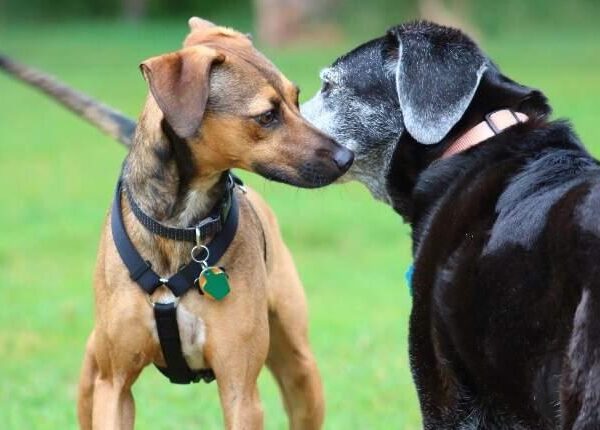
These pheromones are secreted by apocrine glands concentrated where blood vessels lie near the skin. They function as living chemical documents, broadcasting biological stories that dogs instinctively learn to interpret.
When a dog sniffs a stranger’s groin or another dog’s rear, they are not misbehaving. They are performing social greetings equivalent to a handshake paired with sustained eye contact in human culture.
Dogs are essentially asking: Are you friend or threat? Are you healthy or compromised? Should I trust you? These sniffing rituals communicate essential social and biological information.
Their noses are so sensitive they can detect pregnancy, diabetes, and certain cancers long before human medical tests can confirm them. This is not mystical—it is a scientifically documented demonstration of olfactory acuity.
Humans often misinterpret these behaviors through our cultural lens, seeing them as embarrassing or inappropriate. The awkwardness resides entirely in human perception, shaped by norms that dogs do not share or understand.
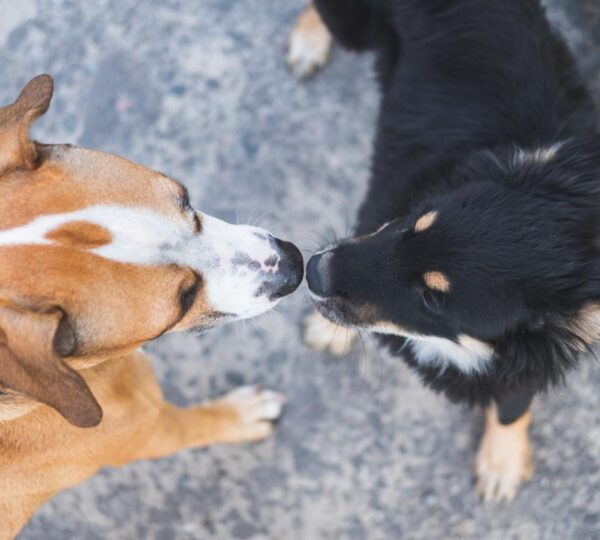
Loving a dog means bridging this perceptual divide without suppressing their innate communication system. The solution is redirection rather than punishment, channeling curiosity respectfully while maintaining human boundaries.
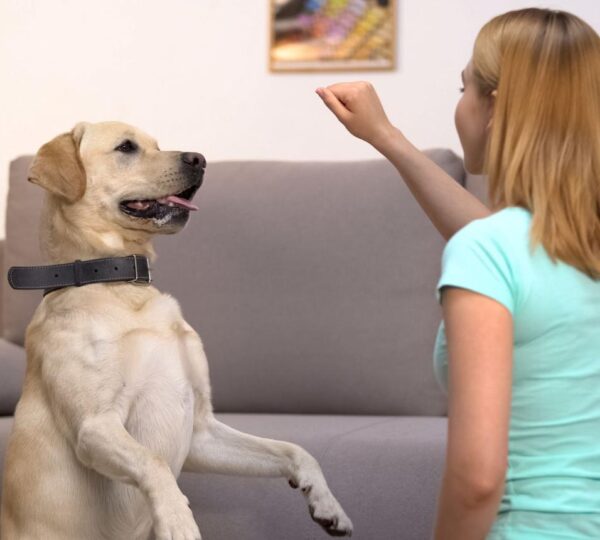
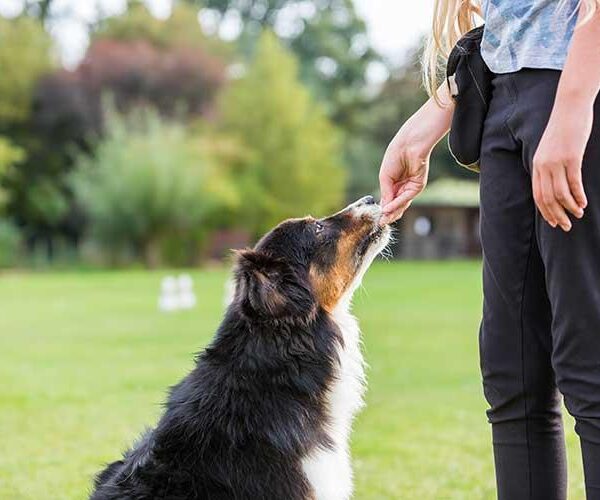
Positive reinforcement is the shared language that enables this. A cheerful command such as “come” or “sit,” paired with a treat, redirects the dog without shame, honoring their instincts while guiding them appropriately.
Consistency matters far more than intensity. Daily repetition teaches dogs that greeting humans requires a different protocol than greeting other dogs, just as humans adapt language between formal and casual contexts.
The goal is not to suppress natural instincts but to channel them intelligently. Sniffing becomes recognized not as a flaw, but as a sophisticated, highly adaptive form of communication that conveys rich social information.
By reframing our perspective, we step into a dog’s reality. The world becomes a tapestry of scents, emotions, and chemical signatures invisible to humans, where each encounter tells a story and every emotion leaves a detectable mark.
This understanding transforms frustration into patience, embarrassment into advocacy, and correction into collaboration. Training becomes less about control and more about empathy, respect, and communication.
Dogs are not miniature humans. Their behavior reflects millennia of evolutionary adaptation, with social, reproductive, and survival instincts encoded in their DNA, influencing everything from sniffing to body language.
When owners guide rather than punish, they communicate: I see you. I understand your senses are extraordinary. I will help you navigate a world not designed for your abilities. That is trust, built carefully over time.
Trust is the foundation of the human-canine bond. It is not enforced through fear or dominance, but through acknowledgment, guidance, and respect for the dog’s natural intelligence and social instincts.
Scientific studies confirm the sophistication of canine olfaction. Dogs can differentiate between individual humans, track scent trails for miles, and detect chemical changes in sweat or breath that indicate stress, disease, or hormonal shifts.
Their noses provide continuous environmental feedback. Through sniffing, they map social hierarchies, detect threats, and even anticipate human emotional states, demonstrating a level of sensory integration unmatched by other domesticated species.
Every greeting, investigation, and nuzzle is an active information-gathering exercise. Dogs compare scents against memory and experience, deciding how to respond socially, emotionally, and behaviorally in a way humans rarely notice.
Owners often misread sniffing as dominance or lack of training. In truth, it is social intelligence at work, allowing dogs to navigate both canine and human interactions with nuanced understanding and appropriate caution.
The challenge is teaching dogs to adapt their natural behaviors to human cultural expectations without negating their biological imperatives. This is best accomplished through reward-based training and patience.
Redirection strategies respect the dog’s curiosity. Commands, treats, and guided interaction teach them to explore boundaries without shame, turning instinctive sniffing into a positive, socially acceptable habit in human settings.
The interplay between olfactory perception and cognition in dogs is remarkable. Their brain regions related to smell process chemical signals with greater resolution than the human visual system processes light or color.
This sensory depth allows dogs to detect subtle variations in health, mood, and reproductive status. They may even sense emotional shifts before humans themselves are aware of internal stress or excitement.
Dogs’ sniffing behaviors are socially adaptive. In dog packs, proper sniffing helps establish relationships, communicate reproductive status, and maintain group cohesion. These behaviors carry over into interactions with humans as part of domesticated social adaptation.
Observing sniffing with empathy allows humans to understand canine priorities. A dog is not being rude; it is gathering necessary information to feel safe, make decisions, and engage socially in a complex world.
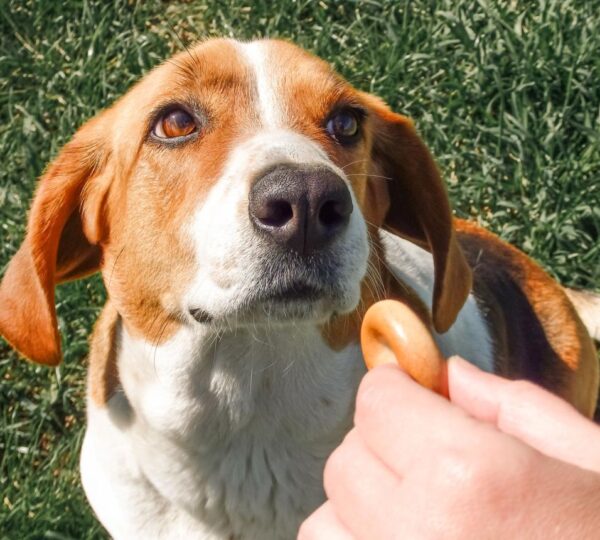
Training that incorporates redirection rather than punishment fosters cooperation. Dogs learn to modulate behaviors in human environments while retaining confidence and security in their natural instincts.
Owners benefit too. Recognizing sniffing as information gathering cultivates empathy, patience, and deeper connection. Humans begin to appreciate the sophisticated communication system underlying everyday canine behavior.
This approach aligns with modern animal behavior science. Studies show positive reinforcement increases learning, reduces stress, and strengthens human-animal bonds far more effectively than dominance or punishment-based methods.
Dogs’ noses reveal a world invisible to humans: chemical cues encoding identity, emotion, and physical condition. Observing and understanding these behaviors enhances owner awareness, improves training outcomes, and fosters respect for canine intelligence.
By guiding, not suppressing, humans communicate: your instincts are valid, your abilities remarkable, and together we can coexist safely and harmoniously. This mutual understanding strengthens trust and deepens the relationship.
Training and socialization are opportunities for education. Redirecting sniffing behaviors teaches dogs social norms without diminishing their natural skills, integrating canine perception with human cultural expectations responsibly and ethically.
Dogs are explorers of the chemical world. Every sniff is a lesson, a story, a decision-making process informed by millions of olfactory inputs processed through highly specialized neural pathways.
Ignoring this sensory reality leads to misunderstanding. When owners see sniffing as misbehavior, they risk undermining trust, causing confusion, and restricting a vital form of canine expression, reducing both welfare and relationship quality.
Instead, empathy and structured redirection enable coexistence. Humans respect boundaries, while dogs retain autonomy in scent investigation, maintaining confidence, reducing stress, and communicating effectively across species lines.
Each interaction becomes a lesson in biology, communication, and social intelligence. Owners witness firsthand the depth of canine perception, learning that every nuzzle, sniff, or exploratory gesture conveys meaningful information.
Dogs’ olfactory world is a living archive, encoding social hierarchies, reproductive readiness, emotional states, and health conditions. Their sniffing is akin to reading a detailed, living encyclopedia of biological and emotional data.
Recognizing this transforms frustration into wonder. Owners gain insight into the complexity of their companion’s world, appreciating behaviors previously misinterpreted as awkward or embarrassing.
This understanding reshapes training philosophy. Instead of punishment, owners employ guidance, modeling, and reward, aligning human expectations with canine instincts in a mutually respectful framework.
Over time, the bond strengthens. Dogs feel understood, confident, and secure. Owners develop patience, empathy, and insight, seeing their dog not as a rule-breaker, but as a sophisticated, perceptive being navigating a complex chemical environment.
Ultimately, a dog’s nose is a portal to a sensory universe humans can only imagine. Sniffing is communication, investigation, and social bonding—all vital for well-being, trust, and harmonious coexistence.
The next time your dog investigates where human social norms would frown, resist embarrassment. Instead, recognize the biological intelligence, social sophistication, and evolutionary legacy at work, and respond with understanding, redirection, and patience.
In this shared space of mutual respect, correction becomes collaboration, frustration becomes curiosity, and training transforms into a dance of comprehension, empathy, and meaningful guidance across species boundaries.
A dog’s nose is a teacher, revealing the hidden language of pheromones, emotion, and instinct. To honor it is to honor the species, the bond, and the intelligence that shaped domesticated dogs over millennia.
Trust, respect, and guidance—not punishment—form the architecture of love between human and dog. Sniffing is not a flaw but a sophisticated form of social literacy, deserving recognition, understanding, and gentle direction.
The dog’s world is chemically rich, socially complex, and profoundly informative. Every encounter is data, every sniff a question, every nuzzle a response. Humans witness this and learn patience, empathy, and the profound intelligence of another species.
Through observation and positive reinforcement, dogs adapt their natural communication to human society while retaining confidence and clarity in their instincts. This balance nurtures trust, enriches relationships, and enhances wellbeing.
