

Have you ever noticed a car driving with bright green lights and wondered what purpose they serve? At first glance, these lights might appear decorative or celebratory, but they actually indicate a serious function related to medical transportation.
Green lights on vehicles are reserved for emergency medical services, including volunteer EMTs, private medical transport, and non-emergency ambulances.
They signal to other drivers that the vehicle is performing critical healthcare-related duties. Unlike traditional ambulances with flashing red and blue lights, vehicles displaying green lights often transport patients to medical appointments, dialysis treatments, or rehabilitation sessions.
These trips are vital for patient health and require timely passage through traffic.
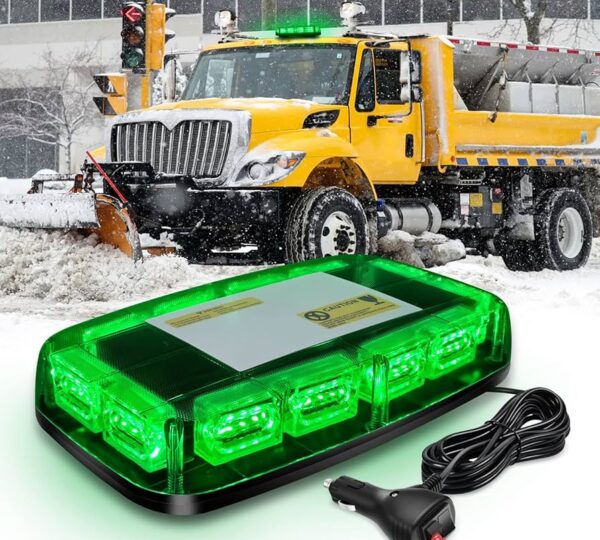
The use of green lights is highly regulated. Drivers must be registered with state or local authorities and affiliated with a legitimate medical service. Unauthorized use of green lights is illegal and can create hazardous road conditions.
These regulations exist to prevent confusion on the roads. Misuse of green lights may result in delays for real medical transports, potentially endangering patients who rely on prompt and safe arrival at healthcare facilities.
Green-lighted vehicles are often part of volunteer EMT programs. These individuals dedicate their time to serving their communities, ensuring that patients receive transport to appointments, vaccinations, or other essential medical services efficiently and safely.
Private medical transport companies also rely on green lights to navigate busy streets. They handle non-emergency yet urgent transportation for individuals who require specialized care or mobility assistance, allowing critical healthcare needs to be met without delay.
Medical transport vehicles with green lights often coordinate with hospitals and clinics. Dispatchers provide real-time instructions to drivers, ensuring patients arrive on schedule and staff are prepared for their arrival, minimizing wait times and potential complications.
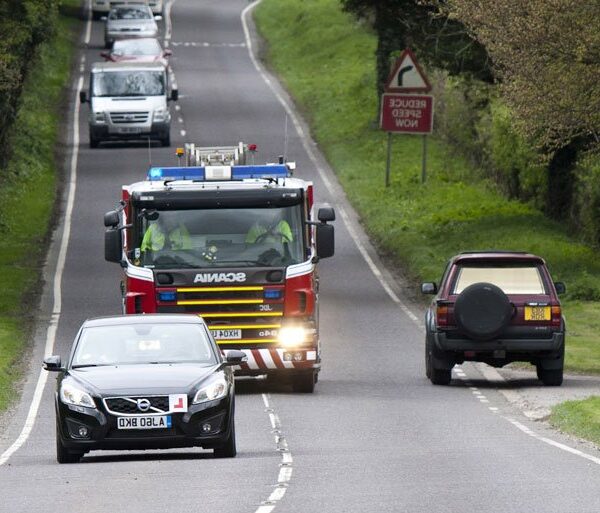
While these vehicles may not use loud sirens, their green lights communicate urgency. Other drivers should yield the right of way, maintaining a safe and unobstructed path for medical personnel who are performing time-sensitive duties.
Traffic laws require that drivers respond appropriately to green-lighted vehicles. Pulling over or slowing down to let these vehicles pass ensures that patients are not delayed, demonstrating civic responsibility and compassion for those in need.
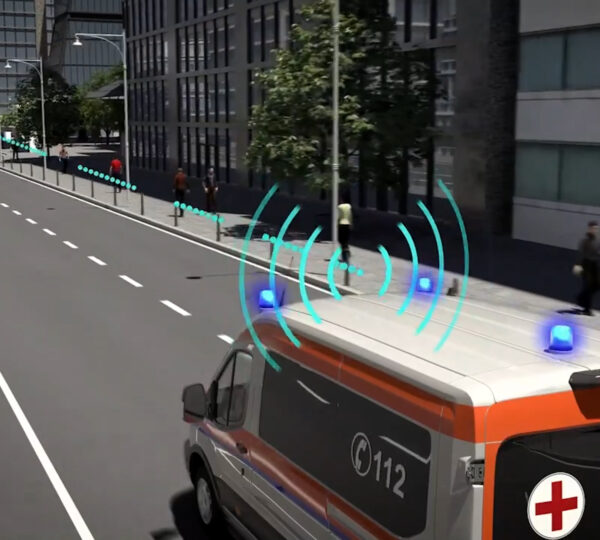
Emergency medical transport is not only about speed but safety. Vehicles displaying green lights are equipped to handle patient care during transit, including monitoring vital signs, administering basic treatments, or assisting those with limited mobility.
Many green-lighted vehicles provide transportation for patients with chronic conditions. These trips, while non-emergent, are critical for maintaining ongoing treatment schedules, such as dialysis sessions, chemotherapy appointments, or physical therapy routines.
Healthcare providers emphasize that missed or delayed appointments can have serious consequences. Green lights allow medical transport vehicles to navigate efficiently through urban traffic, protecting the health and well-being of vulnerable patients.
Volunteers driving these vehicles often undergo extensive training. They learn patient handling, safety protocols, and emergency procedures to ensure that every journey is conducted professionally and in accordance with medical standards.
Beyond hospitals and clinics, green-light vehicles may transport patients to home healthcare services. Home visits are increasingly common for individuals with limited mobility, enabling continuous care while reducing hospital readmissions and healthcare costs.
Community awareness is crucial. When drivers understand the meaning of green lights, they contribute to the effectiveness of medical transportation, allowing these vehicles to complete essential routes without interference or unnecessary delays.
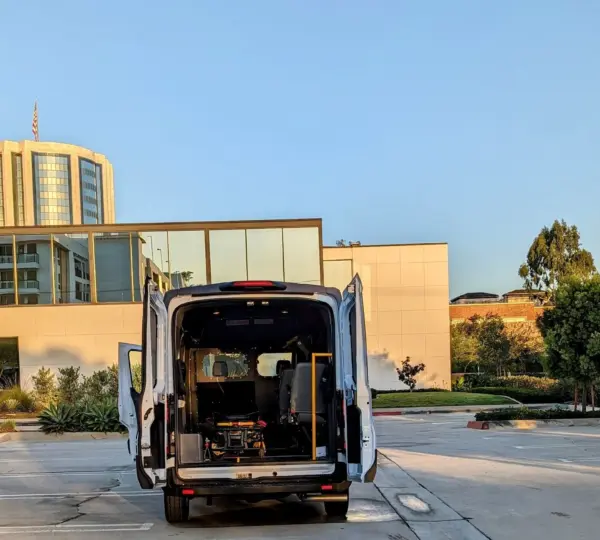
Misuse of green lights is taken seriously. Authorities may issue fines, revoke permits, or pursue legal action against individuals who use green lights without authorization, highlighting the critical nature of maintaining integrity in medical transport systems.
Medical transport services also coordinate with local law enforcement when navigating congested areas. This ensures that green-lighted vehicles can reach healthcare facilities efficiently while minimizing disruption to other road users.
In addition to patient transport, green-lighted vehicles sometimes deliver medical supplies or equipment. Ensuring the timely arrival of medications, oxygen tanks, or mobility devices can be just as critical as transporting patients themselves.
Green lights signal more than urgency—they indicate responsibility. Drivers of these vehicles are accountable for the health and safety of those in their care, requiring attentiveness, compliance with traffic laws, and adherence to professional protocols.
Families of patients often rely on these services. For individuals with serious or chronic conditions, green-lighted vehicles provide peace of mind, knowing that their loved ones will arrive safely and on time for essential medical care.
Non-emergency medical transport reduces strain on traditional emergency services. By separating urgent, life-threatening cases from routine medical trips, green-lighted vehicles help optimize resource allocation and allow ambulances to focus on acute emergencies.
The presence of green lights highlights the often-overlooked infrastructure that supports public health. It reminds society that timely medical access extends beyond hospitals and first responders, encompassing transportation, coordination, and community involvement.
Educational campaigns encourage drivers to respect green lights. Schools, municipalities, and healthcare organizations inform the public about the meaning of green lights and the proper way to yield, increasing compliance and promoting road safety.
Technological advancements further support green-light vehicles. GPS navigation, traffic signal prioritization, and real-time communication between dispatchers and drivers ensure that patients reach appointments without unnecessary delays, improving overall healthcare outcomes.
Even in densely populated cities, green lights facilitate smoother travel. They allow medical transport vehicles to bypass traffic congestion safely, maintaining adherence to schedules while reducing stress for both drivers and patients.
During public health emergencies, green-lighted vehicles are particularly critical. They may transport individuals to vaccination sites, mobile clinics, or urgent outpatient services, helping prevent overcrowding at hospitals and supporting public health efforts.
Awareness also prevents accidental misuse. Drivers who understand green-light regulations are less likely to panic, follow incorrectly, or block access, ensuring that medical transport vehicles can complete their missions efficiently and safely.
The presence of green lights is a subtle yet powerful reminder of the quiet urgency that exists within healthcare systems. They may not carry sirens or loud alarms, but their impact on patient outcomes is significant.
Yielding to green-lighted vehicles is a small civic action with profound consequences. By stepping aside, drivers help protect lives, ensuring that patients reach essential care on time, which can make all the difference in recovery or treatment success.
Ultimately, green lights on vehicles symbolize both urgency and care. They reflect a dedicated network of volunteers, professionals, and medical organizations working to ensure that patients receive timely and reliable access to healthcare.
Public education campaigns continue to emphasize their importance. Communities that understand green-light vehicles promote safer roads, faster medical transport, and broader awareness of healthcare logistics, reinforcing the connection between civic duty and public health.
Green-lighted vehicles also serve as a model for other emergency-related traffic systems. By demonstrating the value of visible, regulated signaling, they encourage compliance and reinforce respect for those performing essential healthcare services.
Family members, caregivers, and patients alike benefit from these vehicles. Timely transport reduces anxiety, ensures continuity of care, and supports treatment adherence, particularly for those with chronic conditions or mobility limitations.
Healthcare professionals stress that even minor delays in transportation can affect outcomes. Green-lighted vehicles minimize these risks, ensuring that patients receive interventions, medications, and consultations on schedule for optimal health results.
Volunteers and staff driving these vehicles often report personal satisfaction from helping their communities. By providing safe, timely transport, they directly contribute to public health and support vulnerable populations, fostering a culture of care and responsibility.
Green lights are more than a signal—they represent a commitment to health, efficiency, and community support. They remind drivers that every small act of cooperation, such as yielding, contributes to saving time and potentially lives.
Finally, understanding the role of green lights encourages respect for all medical transport services. When society recognizes and honors this system, healthcare access becomes safer, faster, and more equitable for patients who rely on these critical services.
