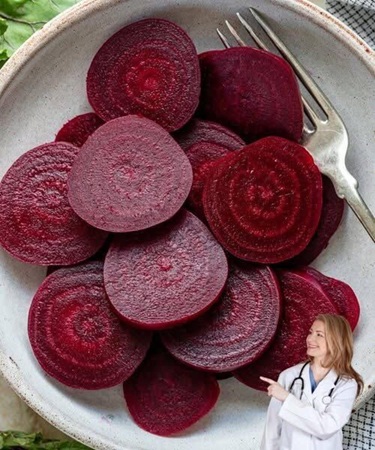
Why Adding Beets to Your Diet Can Boost Your Health, Experts Say
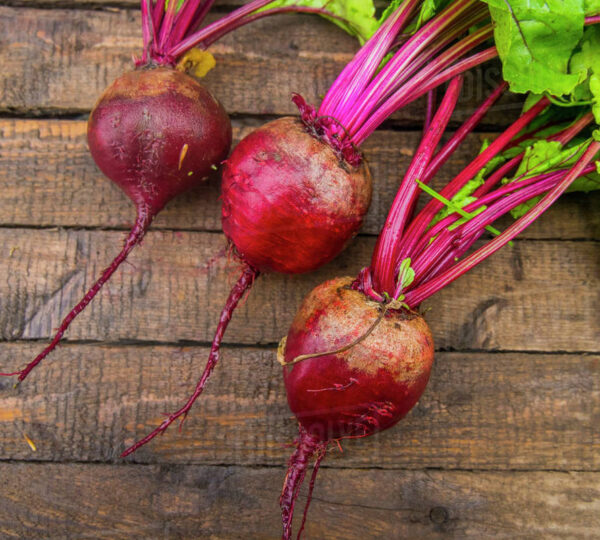
Beets may appear to be just another ordinary root vegetable, but nutrition experts consistently highlight them as one of the most impressive foods for supporting overall wellness.
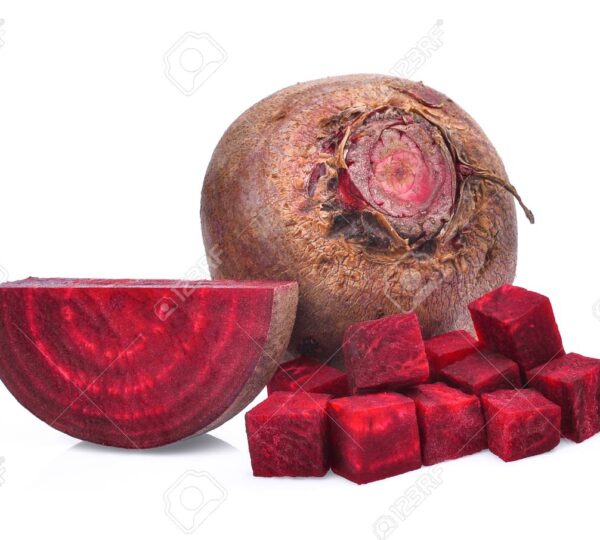
Their deep ruby-red color is more than just visual appeal—it represents a powerful concentration of nutrients phytochemicals.
Naturally occurring compounds that interact with the body in ways that many people do not immediately recognize.
Although simple in appearance, beets contain a remarkable mix of vitamins, minerals, antioxidants, and plant compounds that can be incorporated into everyday meals without difficulty.
When consumed regularly as part of a balanced lifestyle, beets may offer gentle but meaningful support to circulation, digestion, energy, and general vitality.
Their benefits are not based on hype or modern diet trends; rather, they reflect how the body naturally responds to the nutrients beets provide.
One of the most researched attributes of beets is their high concentration of natural dietary nitrates.
These nitrates are converted by the body into nitric oxide, a molecule known to help support normal blood vessel function by encouraging relaxation and widening of the vessels.
This process can contribute to smoother circulation and more efficient oxygen delivery throughout the body.
For this reason, many people—especially athletes, active adults, and individuals who enjoy physical exercise—report feeling more energized or capable after adding beet-based foods to their meals.
Nitric oxide has been widely studied for its role in supporting cardiovascular function, and beets provide one of the richest natural sources of this beneficial compound.
Older adults may also find beets appealing for supporting daily movement and general comfort.
While each person’s response may differ, the biological foundation behind these effects is both well understood and supported by nutritional science.
Beets also excel when it comes to digestive and metabolic health, largely due to their impressive fiber content.
Both soluble and insoluble fiber play important roles in maintaining a healthy digestive system.
Soluble fiber absorbs water and forms a gel-like substance that helps slow digestion, promoting steady absorption of nutrients and smoothing the impact of carbohydrates on blood sugar.
Insoluble fiber adds bulk to stool, assisting with regular bowel movements and helping the digestive tract function efficiently.
Together, these fibers support a balanced and stable digestive rhythm.
Additionally, dietary fiber acts as nourishment for beneficial gut bacteria, which influence everything from immune function to mood stability.
A diverse and healthy gut microbiome is increasingly recognized as an essential component of long-term wellness, and beets provide the type of fiber that helps foster this environment.
Their natural sweetness also becomes an advantage, offering a satisfying flavor without the rapid spikes in energy or appetite associated with refined sugars.
Perhaps one of the most distinctive features of beets lies in their vibrant pigments called betalains, which give them their characteristic red and purple hues.
Betalains are known for their antioxidant properties, helping the body manage oxidative stress caused by everyday environmental factors, general aging, and routine cellular activity.
These antioxidants support the body’s natural inflammatory response, helping maintain balance rather than causing dramatic or unnatural changes.
Betalains also play a gentle role in supporting the liver’s regular detoxification processes—a function the liver performs continually on its own.
By assisting these natural pathways, beets become a wholesome, everyday food that contributes to internal balance over time.
Unlike intense or restrictive detox diets that promise drastic short-term changes, the benefits of beets come from gradual, consistent intake.
Many people who include beets in their meals on a regular basis describe feeling steadier, clearer, and more refreshed, likely reflecting the cumulative influence of these pigments and antioxidants.
In addition to fiber, nitrates, and betalains, beets provide an impressive range of essential micronutrients.
They are rich in folate, which plays a crucial role in cell formation, tissue repair, and overall growth.
Potassium, another key mineral in beets, supports muscle function and helps regulate the body’s fluid balance.
Beets also provide manganese, important for bone structure, metabolism, and antioxidant activity within cells.
Furthermore, they contain iron, which helps support normal oxygen transport throughout the body.
These nutrients work quietly and steadily, contributing to many basic functions that keep the body energized, resilient, and balanced.

For individuals seeking to increase the nutrient density of their meals through natural foods rather than supplements, beets offer a simple and versatile solution.
There are, however, a few practical considerations worth noting.
Beet juice—especially when consumed alone without the fiber—may raise blood sugar more quickly for some individuals, so those who prefer a slower, steadier effect might choose whole beets or blended recipes.
Some people also experience a harmless condition known as beeturia, where urine or stool may temporarily appear red or pink after consuming beets.
Although surprising at first, it is simply a normal reaction to the pigments found in the vegetable.
Individuals with certain dietary restrictions, such as those who need to reduce oxalate intake or those managing specific health conditions, should consult a healthcare professional before making major changes to their diet.
This ensures that beets can be incorporated safely while respecting individual health needs.
In the end, the true value of beets lies not in bold promises or dramatic interventions but in their ability to blend seamlessly into everyday eating habits.
They are easy to prepare, affordable, versatile, and naturally nutrient-rich.
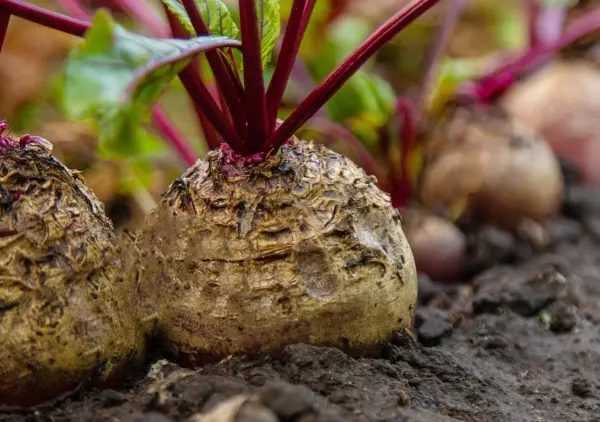
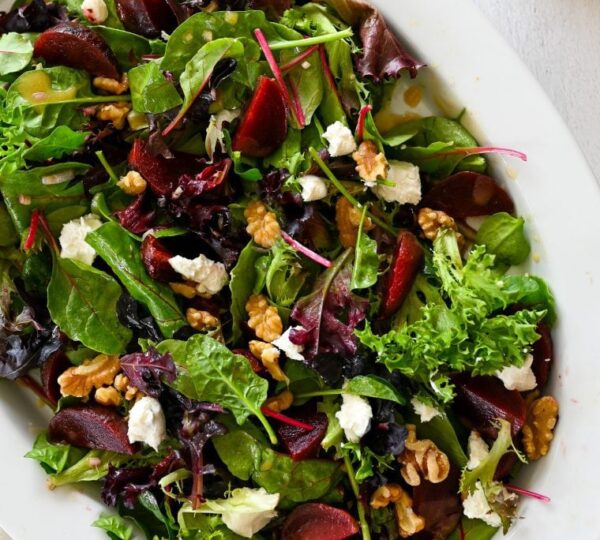
Whether roasted until tender, blended into smoothies for a touch of earthy sweetness, sliced into salads for added color, simmered into traditional meals, or enjoyed as tangy pickled slices, beets offer countless possibilities in the kitchen.
Their benefits accumulate gradually with consistent consumption, helping support long-term well-being in a realistic and sustainable way.
For many people, adding beets to weekly meals becomes an effortless and rewarding step toward a more balanced, vibrant lifestyle.
Beets may appear to be just another ordinary root vegetable, but nutrition experts consistently highlight them as one of the most impressive foods for supporting overall wellness.
Their deep ruby-red color is more than just visual appeal—it represents a powerful concentration of nutrients phytochemicals.
Naturally occurring compounds that interact with the body in ways that many people do not immediately recognize.
Although simple in appearance, beets contain a remarkable mix of vitamins, minerals, antioxidants, and plant compounds that can be incorporated into everyday meals without difficulty.
When consumed regularly as part of a balanced lifestyle, beets may offer gentle but meaningful support to circulation, digestion, energy, and general vitality.
Their benefits are not based on hype or modern diet trends; rather, they reflect how the body naturally responds to the nutrients beets provide.
One of the most researched attributes of beets is their high concentration of natural dietary nitrates.
These nitrates are converted by the body into nitric oxide, a molecule known to help support normal blood vessel function by encouraging relaxation and widening of the vessels.
This process can contribute to smoother circulation and more efficient oxygen delivery throughout the body.
For this reason, many people—especially athletes, active adults, and individuals who enjoy physical exercise—report feeling more energized or capable after adding beet-based foods to their meals.
Nitric oxide has been widely studied for its role in supporting cardiovascular function, and beets provide one of the richest natural sources of this beneficial compound.
Older adults may also find beets appealing for supporting daily movement and general comfort.
While each person’s response may differ, the biological foundation behind these effects is both well understood and supported by nutritional science.
Beets also excel when it comes to digestive and metabolic health, largely due to their impressive fiber content.
Both soluble and insoluble fiber play important roles in maintaining a healthy digestive system.
Soluble fiber absorbs water and forms a gel-like substance that helps slow digestion, promoting steady absorption of nutrients and smoothing the impact of carbohydrates on blood sugar.
Insoluble fiber adds bulk to stool, assisting with regular bowel movements and helping the digestive tract function efficiently.
Together, these fibers support a balanced and stable digestive rhythm.
Additionally, dietary fiber acts as nourishment for beneficial gut bacteria, which influence everything from immune function to mood stability.
A diverse and healthy gut microbiome is increasingly recognized as an essential component of long-term wellness, and beets provide the type of fiber that helps foster this environment.
Their natural sweetness also becomes an advantage, offering a satisfying flavor without the rapid spikes in energy or appetite associated with refined sugars.
Perhaps one of the most distinctive features of beets lies in their vibrant pigments called betalains, which give them their characteristic red and purple hues.
Betalains are known for their antioxidant properties, helping the body manage oxidative stress caused by everyday environmental factors, general aging, and routine cellular activity.
These antioxidants support the body’s natural inflammatory response, helping maintain balance rather than causing dramatic or unnatural changes.
Betalains also play a gentle role in supporting the liver’s regular detoxification processes—a function the liver performs continually on its own.
By assisting these natural pathways, beets become a wholesome, everyday food that contributes to internal balance over time.
Unlike intense or restrictive detox diets that promise drastic short-term changes, the benefits of beets come from gradual, consistent intake.
Many people who include beets in their meals on a regular basis describe feeling steadier, clearer, and more refreshed, likely reflecting the cumulative influence of these pigments and antioxidants.
In addition to fiber, nitrates, and betalains, beets provide an impressive range of essential micronutrients.
They are rich in folate, which plays a crucial role in cell formation, tissue repair, and overall growth.
Potassium, another key mineral in beets, supports muscle function and helps regulate the body’s fluid balance.
Beets also provide manganese, important for bone structure, metabolism, and antioxidant activity within cells.
Furthermore, they contain iron, which helps support normal oxygen transport throughout the body.
These nutrients work quietly and steadily, contributing to many basic functions that keep the body energized, resilient, and balanced.
For individuals seeking to increase the nutrient density of their meals through natural foods rather than supplements, beets offer a simple and versatile solution.
There are, however, a few practical considerations worth noting.
Beet juice—especially when consumed alone without the fiber—may raise blood sugar more quickly for some individuals, so those who prefer a slower, steadier effect might choose whole beets or blended recipes.
Some people also experience a harmless condition known as beeturia, where urine or stool may temporarily appear red or pink after consuming beets.
Although surprising at first, it is simply a normal reaction to the pigments found in the vegetable.
Individuals with certain dietary restrictions, such as those who need to reduce oxalate intake or those managing specific health conditions, should consult a healthcare professional before making major changes to their diet.
This ensures that beets can be incorporated safely while respecting individual health needs.
In the end, the true value of beets lies not in bold promises or dramatic interventions but in their ability to blend seamlessly into everyday eating habits.
They are easy to prepare, affordable, versatile, and naturally nutrient-rich.
Whether roasted until tender, blended into smoothies for a touch of earthy sweetness, sliced into salads for added color, simmered into traditional meals, or enjoyed as tangy pickled slices, beets offer countless possibilities in the kitchen.
Their benefits accumulate gradually with consistent consumption, helping support long-term well-being in a realistic and sustainable way.
For many people, adding beets to weekly meals becomes an effortless and rewarding step toward a more balanced, vibrant lifestyle.


