
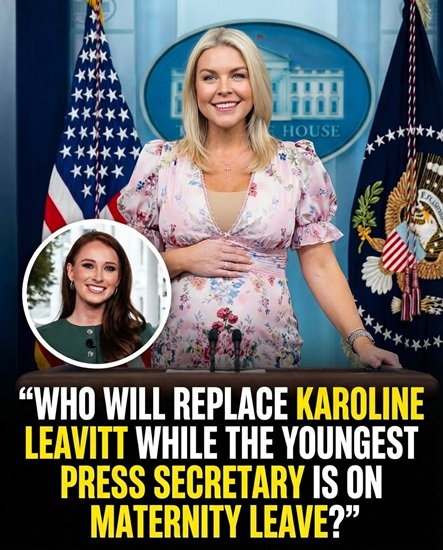
The most immediate path forward lies within the existing communications team, which has cultivated expertise and operational cohesion over time.
Members understand the pace, protocols, and sensitivities inherent in daily press interactions. Anna Kelly has emerged as a prominent internal candidate for temporary leadership.
Serving as Principal Deputy Press Secretary, she has direct experience with briefing preparations, media messaging, and rapid-response communications for high-profile political events.
Her professional background includes prior involvement in Republican campaign communications and roles supporting legislative work in the U.S. House of Representatives. This experience informs her understanding of political messaging and media strategy under pressure.
Kelly’s formal training in political management complements her hands-on experience. She has developed skills in message discipline, strategic planning, and coordination across multiple offices, ensuring alignment with broader administration priorities.

Other members of the current team can provide crucial support during a temporary transition. Taylor Rogers and Liz Huston, for instance, are deeply involved in media coordination and briefing operations, familiar with the mechanics of day-to-day communications.
These individuals’ institutional knowledge enables continuity. By distributing responsibilities, the team ensures that press briefings, official statements, and social media messaging continue seamlessly even in the absence of a permanent lead.
Beyond the immediate internal team, a few additional figures have been discussed in political and media circles as potential temporary appointees. These discussions highlight the depth of expertise available both inside and outside the administration.
Kush Desai, who combines experience in journalism with political communications work, is considered a potential internal option. His background allows him to bridge media relations with strategic messaging, an increasingly valuable skill in modern political communications.
External figures have also entered speculative discussions. Katie Pavlich, recognized for her media expertise and familiarity with political narratives, has been mentioned as a potential temporary voice, though no formal appointment has been made.
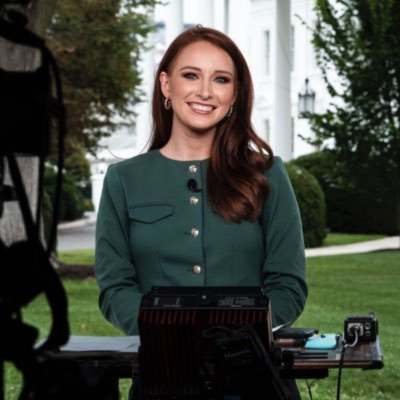
Similarly, Tricia McLaughlin—who previously held senior public affairs positions—has been referenced in media reports as a figure capable of managing press responsibilities temporarily. These mentions reflect speculation rather than confirmed staffing decisions.
It is important to emphasize that names circulating in media or political analysis should not be interpreted as formal appointments. Speculation often arises from experience, visibility, or prior engagement in related roles.
The anticipated transition is temporary rather than permanent. Principal Deputy Press Secretary Leavitt has indicated her intention to return following maternity leave, ensuring continuity in the administration’s communications strategy and messaging framework.
Leavitt’s prior return during the 2024 campaign cycle garnered attention, as she resumed responsibilities after a notably brief leave. This precedent suggests her commitment to balancing personal milestones with professional duties.
The exact duration of her upcoming leave remains uncertain. Nonetheless, her long-term role and position within the administration are widely understood to remain secure, reflecting planning and stability in staffing decisions.
Moments like this illustrate how key government functions are structured for resilience. Press operations rely on teams rather than singular figures, allowing duties to be redistributed efficiently when necessary.

Daily operations in a press office are complex, involving preparation of statements, coordination with multiple agencies, monitoring media coverage, and responding to unplanned developments with speed and accuracy.
Temporary leadership ensures these responsibilities continue uninterrupted. Each member’s knowledge of procedures, contacts, and protocols enables smooth handoffs and preserves the consistency of messaging delivered to the public.
Maintaining consistent communication is critical, particularly during periods of transition. Stakeholders, including journalists, the public, and other government offices, rely on predictability and clarity in official statements.
Training and institutional memory support this continuity. Team members who have worked through previous press cycles understand how to handle emerging crises, unexpected questions, and coordinated responses across multiple platforms.
Internal candidates such as Anna Kelly benefit from having worked alongside Leavitt. They are familiar with her priorities, messaging style, and decision-making process, allowing them to emulate leadership effectively in her temporary absence.
Kelly’s campaign experience is particularly relevant in times requiring rapid coordination. Messaging must be consistent across press briefings, social media, interviews, and official statements, often requiring simultaneous oversight of multiple channels.

Support roles are equally vital. Taylor Rogers and Liz Huston contribute to briefing preparation, media logistics, and schedule coordination, ensuring the press office can operate at full capacity despite temporary adjustments.
The broader team’s integration reduces disruption. Collaboration, clear lines of communication, and pre-established responsibilities help maintain the rhythm of daily operations, even when a primary figure steps aside temporarily.
External candidates, though not officially considered, reflect the pool of expertise accessible to administrations in transitional periods. Media-savvy professionals can supplement internal resources, providing additional insight or perspective if needed.
Kush Desai’s dual background in journalism and political communications demonstrates the kind of versatility valuable for bridging public messaging with media strategy, particularly during periods requiring heightened responsiveness.
Katie Pavlich’s media familiarity makes her a frequent subject of speculation. Analysts note that her experience with messaging and public engagement could theoretically align with temporary communications needs, though no formal process has begun.
Tricia McLaughlin’s history in senior public affairs roles similarly makes her name appear in discussions about interim coverage. These references underscore the range of talent considered valuable for continuity planning.
It is crucial to recognize the distinction between speculation and official staffing decisions. Internal discussions and media analysis often generate names without reflecting actual appointments or commitments.

The temporary nature of the expected transition is a defining feature. The administration’s communications strategy emphasizes continuity and stability, ensuring messaging remains cohesive and aligned with ongoing priorities.
Leavitt’s planned return reflects deliberate planning. By signaling her intention to resume responsibilities post-leave, she reassures staff, colleagues, and the press that operational stability will be maintained.
Previous experiences illustrate that short-term absences, when managed with internal expertise, do not disrupt the overall communications process. This model allows for flexibility in personal circumstances without compromising professional obligations.
Staff training, detailed protocols, and robust documentation enable continuity. Daily operations—press briefings, public statements, and media monitoring—are guided by manuals and institutional knowledge, ensuring standards are upheld.
The leadership team’s depth allows for distributed responsibility. Each member’s familiarity with key messages, political sensitivities, and administrative priorities enables them to manage assignments effectively during temporary absences.
Regular team meetings reinforce communication alignment. Discussions about upcoming events, media engagement strategies, and potential issues allow team members to anticipate needs and respond consistently to journalists and other stakeholders.
Operational systems within the press office support temporary transitions. Scheduling tools, briefing templates, and cross-training help reduce dependence on any one individual, fostering flexibility and resilience in daily operations.
Institutional knowledge is further reinforced by mentorship. Senior staff guide newer members, providing context on procedures, messaging priorities, and effective engagement strategies with media professionals.
Temporary appointments reflect practical realities. Rather than replacing permanent staff, they provide coverage during planned absences, allowing ongoing work to continue without disruption or dilution of messaging effectiveness.
Internal coordination remains central. Communication between leadership, deputy staff, and support personnel ensures all statements, press releases, and briefings are reviewed, fact-checked, and aligned with administration objectives.
The temporary adjustment also highlights the importance of planning in government communications. Anticipating periods of leave, personal milestones, or unexpected absences enables the office to maintain consistency in public engagement.
Media coverage of speculative candidates can influence perception, but internal decision-making prioritizes operational readiness, expertise, and knowledge of procedures over external visibility or public speculation.
Continuity in messaging is critical for public trust. Press operations that maintain tone, clarity, and accuracy help avoid confusion, reinforce transparency, and sustain credibility during periods of temporary staff adjustments.
Internal candidates like Kelly, Rogers, and Huston embody institutional knowledge, strategic experience, and familiarity with operational pressures, enabling them to maintain professional standards and meet the expectations of press stakeholders.
Each member’s contribution supports the administration’s broader communication goals. Whether drafting statements, preparing briefings, or managing real-time responses, team members collectively uphold the office’s mission and ensure public messaging remains coherent.
In practical terms, temporary leadership is a rehearsal in resilience. The system relies on multiple layers of expertise, allowing flexibility without compromising performance or public perception of stability.
The anticipated transition demonstrates how modern government offices balance personal needs and operational requirements. Staff members’ personal milestones, including maternity leave or family responsibilities, are accommodated without disruption to mission-critical functions.
Leavitt’s return will restore her permanent oversight while ensuring that staff have gained experience and confidence in handling responsibilities autonomously, enhancing the office’s overall capability for future contingencies.
As the expected date approaches, the office’s focus is on maintaining steady communication. Daily briefings, press releases, and responses to media inquiries continue without interruption, reflecting the depth and preparedness of the team.
The coordination among internal staff ensures that the administration’s messages remain consistent, factual, and timely. Team members’ understanding of political priorities, media dynamics, and stakeholder expectations allows seamless operation during temporary leadership changes.
Press operations also rely on procedural continuity. Standardized practices, templates, and cross-training ensure that temporary adjustments do not introduce errors, miscommunication, or gaps in coverage.
Ultimately, moments like these reinforce the value of a structured communications team. Responsibility is shared, knowledge is documented, and operations are designed to withstand individual absences without jeopardizing public trust or messaging accuracy.
Temporary transitions illustrate the adaptability of government operations. Leadership may be momentarily shifted, but institutional structures, expertise, and processes ensure that critical communication channels remain robust and responsive.
The expected maternity leave highlights the need for planning, delegation, and internal capacity-building. By preparing deputies and support staff, the office ensures continuous operational effectiveness while honoring personal milestones of senior staff.
Internal preparation, clear communication, and teamwork combine to allow a smooth transition. Media inquiries, press conferences, and policy updates continue without disruption, reflecting professionalism and operational resilience.
By managing temporary adjustments carefully, the communications office preserves public confidence, reinforces internal collaboration, and maintains clarity and consistency in all messaging efforts across multiple platforms.
Even during transitional periods, the emphasis remains on factual accuracy, strategic alignment, and timely dissemination of information, ensuring that stakeholders, journalists, and the public receive coherent and credible communication.
