
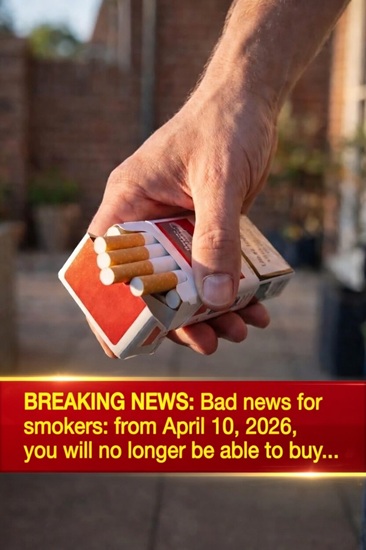
Over the past decade, France has steadily increased tobacco prices to combat smoking rates. What was once an inexpensive, habitual purchase has transformed into a significant financial consideration for many daily smokers.
By 2026, a standard pack of cigarettes costs approximately €12.50–€13. Cartons often exceed €300, reflecting consistent taxation policies.
Rolling tobacco and smaller tobacco quantities have also become progressively more expensive over time. The government sets these prices primarily through taxes, which now account for roughly three-quarters of the total cost.
This method demonstrates a deliberate strategy to reduce tobacco consumption through economic incentives rather than outright bans.

Price increases are not arbitrary. They follow a structured system tied to inflation, ensuring costs rise steadily without requiring separate legislative action each year. This approach maintains continuity while sustaining pressure on consumers.
Beyond cost, smoking restrictions have expanded significantly in public spaces. Parks, beaches, playgrounds, and areas near schools are increasingly regulated to reduce exposure to secondhand smoke and protect vulnerable populations.
These combined measures reflect a broader public health strategy. By limiting accessibility and normalizing smoke-free environments, policymakers aim to reduce smoking prevalence and the long-term health burden associated with tobacco use.
Despite these intentions, responses to the policy are mixed. Some smokers seek tobacco in neighboring countries where prices are lower, while others turn to informal or unregulated markets, revealing adaptation behaviors in the face of financial pressure.
Behavioral responses illustrate the complexities of taxation-based policy. Economic barriers reduce consumption for some, yet others navigate around costs through cross-border purchases or cheaper alternatives, highlighting limitations in absolute enforcement.
Health experts point out that high prices do not eliminate demand but gradually influence consumption patterns. Many smokers reduce frequency or switch to lower-cost alternatives rather than quitting entirely, producing a slow, incremental public health effect.

The policy also disproportionately affects certain demographics. Lower-income smokers feel the financial burden more acutely, while wealthier individuals may experience the increase as manageable, raising questions about equity and accessibility in public health approaches.
Price increases also encourage some individuals to reconsider lifestyle choices. Financial strain combined with health awareness may prompt smokers to seek cessation programs, nicotine replacement therapies, or support from health professionals.
Public health campaigns often accompany price adjustments. Government messaging emphasizes health risks, cessation resources, and societal benefits of reduced smoking, reinforcing the economic incentives with educational components for greater impact.
Smokers in France may also adapt through behavioral changes beyond purchase reduction. Some adopt rolling cigarettes to save money, while others limit consumption to private spaces or avoid public smoking areas entirely.
The taxation system ensures that tobacco price adjustments are predictable and regular. Linking increases to inflation reduces political debate about sudden spikes while gradually nudging society toward healthier habits over extended periods.
International comparisons highlight contrasts in pricing. Tobacco in neighboring countries such as Spain, Belgium, and Luxembourg often costs significantly less, prompting cross-border shopping and influencing French consumer behaviors in border regions.

Price differences also fuel informal markets. Individuals may purchase bulk quantities from unregulated sources, often at lower prices, which presents public health challenges related to quality, safety, and tax evasion.
Despite these challenges, data indicate overall reductions in smoking rates among French adults over recent decades. Higher prices, combined with restrictions and public awareness, appear to have a cumulative effect on consumption trends.
Government projections suggest that continuing incremental price increases will sustain downward trends, particularly among younger demographics who are more price-sensitive and less financially independent.
Health impacts of reduced smoking are substantial. Lower consumption correlates with decreased rates of lung cancer, cardiovascular disease, chronic respiratory illnesses, and overall mortality, demonstrating the long-term benefits of economic interventions.
Policymakers also emphasize the societal impact. Reduced smoking prevalence lowers public healthcare costs, alleviates burden on hospitals, and contributes to cleaner public spaces with fewer cigarette-related environmental concerns.
Critics argue that financial measures alone are insufficient. Comprehensive approaches including cessation support, mental health resources, education campaigns, and community programs are necessary to address addiction effectively.

Despite criticism, the French approach is consistent with international recommendations. Organizations such as the World Health Organization advocate taxation as a key instrument to reduce tobacco consumption and associated health risks.
The incremental nature of price increases allows consumers to adjust gradually. Sudden spikes often provoke public backlash, whereas predictable, gradual adjustments foster acceptance and long-term behavioral adaptation.
Behavioral economists highlight that higher costs make smoking less convenient financially, which subtly reinforces decision-making toward quitting. The economic discomfort serves as an indirect motivator for healthier choices.
Smokers attempting cessation benefit from complementary support programs. Public health agencies provide hotlines, counseling, nicotine replacement therapies, and digital tools to enhance success rates and reduce relapse among motivated individuals.
Educational initiatives targeting youth have intensified. Schools incorporate anti-smoking curricula, peer-led programs, and media campaigns to discourage experimentation, ensuring that new generations are less likely to begin smoking despite price pressures.
Social norms also shift as a result. Visible price increases and public restrictions contribute to the perception that smoking is less socially acceptable, amplifying the psychological incentives to reduce or avoid tobacco use entirely.

From an economic perspective, the policy generates significant tax revenue. These funds can be reinvested in healthcare, prevention programs, and educational initiatives, creating a cycle where taxation serves both fiscal and public health purposes.
Some challenges remain. Cross-border shopping, unregulated markets, and continued demand among addicted smokers demonstrate that taxation alone cannot fully eradicate tobacco use. Multi-faceted strategies are necessary for lasting outcomes.
Interestingly, price awareness also encourages smokers to plan purchases more carefully, ration consumption, or seek cheaper tobacco alternatives. This behavioral adaptation contributes to a gradual reduction in daily cigarette intake.
Public debates about fairness occasionally emerge. Some question whether taxation disproportionately penalizes certain socioeconomic groups, highlighting the need for accompanying cessation programs to support those most affected.
Cultural factors influence response as well. In regions with long-standing smoking traditions, higher prices may reduce consumption more slowly, illustrating that habits are intertwined with identity, community, and social norms.
Healthcare providers monitor consumption trends to guide interventions. Physicians, pharmacists, and counselors often advise patients on cessation methods, managing addiction, and navigating financial pressures while supporting public health objectives.
Longitudinal studies indicate that the combination of pricing, public restrictions, and educational campaigns reduces smoking rates over decades, supporting the notion that gradual, sustained interventions are more effective than abrupt prohibitions.
In addition to adult behavior, youth smoking prevention is critical. Price sensitivity among younger populations means higher costs can deter experimentation, while access restrictions prevent early adoption that might lead to lifelong habits.
Public perception of fairness is an ongoing concern. Transparent communication about the health rationale, taxation allocation, and availability of support services helps mitigate criticism and maintain legitimacy in the eyes of citizens.
Policy evaluation continues regularly. Authorities analyze consumption trends, cross-border activity, and unregulated market sizes to refine approaches, ensuring that tobacco control strategies remain effective, equitable, and evidence-based.
Technological innovations, including digital health platforms, apps, and online counseling, complement traditional interventions. These tools provide accessible guidance for smokers attempting to quit or manage consumption under financial pressure.
In the end, France’s approach demonstrates a careful balance between public health objectives and economic tools. Pricing strategies are complemented by education, restrictions, and healthcare support to maximize effectiveness and sustainability.
The policy exemplifies the broader principle of behavioral influence through structure rather than instruction. By making smoking more costly and less convenient, the government nudges individuals toward healthier behaviors without removing personal autonomy entirely.
Whether the policy achieves lasting reductions depends on both individual adaptation and continued investment in complementary measures. Taxes, education, healthcare, and social norms all intersect to shape outcomes over time.
Ultimately, rising tobacco prices reflect a long-term vision for public health. While immediate effects are felt most by active smokers, gradual reductions in consumption, prevention among youth, and societal benefits illustrate the comprehensive impact of the strategy.
