

Most people approach their washing machines with routine simplicity: load the clothes, add detergent, press start, and wait for the cycle to finish.
The machine hums quietly, spinning and agitating, rinsing and draining, all while the user goes about other tasks. It’s easy to forget that this seemingly self-sufficient appliance is not just a mechanical miracle but a system of delicate components that must be maintained.
One of the most crucial yet often overlooked of these is the washing machine filter — a small part that works silently to ensure your laundry comes out clean and your appliance remains healthy.
While the drum, agitator, and detergent dispenser often take center stage in discussions about washing machines, the filter plays a vital, almost unsung role.
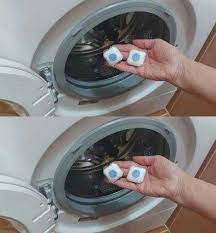
Its primary job is to catch and contain particles that separate from your laundry during each cycle — fibers, lint, hair, dust, and small objects such as coins or buttons that accidentally make their way into your wash.
Without a functional filter, these particles could circulate freely, clogging hoses, stressing the pump, or causing mechanical damage over time.
Why the Washing Machine Filter Is Essential
The washing machine filter is not just about cleanliness; it’s a protective mechanism. Over time, all that lint and debris begins to accumulate, forming blockages that interfere with water drainage and circulation. A clogged filter can have a cascading impact on your appliance, including:
Unpleasant odors: Trapped moisture and debris create an ideal environment for mold, mildew, and bacteria. The result is a musty, sour smell that can transfer to clothing.
Poor drainage: A blocked filter prevents water from draining efficiently, causing the machine to stop mid-cycle, run longer than usual, or leave clothes excessively wet.
Detergent buildup: Incomplete drainage leaves residual detergent on fabrics, making them feel sticky or rough instead of fresh.
Higher energy consumption: Struggling to circulate and pump water uses more electricity, increasing your utility bills and putting unnecessary strain on the motor.
Reduced lifespan: Neglecting filter maintenance accelerates wear on mechanical components, potentially leading to costly repairs or early replacement.
By attending to this often-forgotten component, you can prevent these issues and extend the life of your machine.
How Often Should You Clean the Filter?
For most households, monthly cleaning is sufficient. However, the frequency may need to increase in the following scenarios:
Large families: More frequent washes mean more lint, hair, and debris.
Pet owners: Animal hair accumulates quickly, adding to the filter’s load.
Heavy fabrics: Washing items like towels, blankets, or jeans produces more lint and fibers.
Humid climates: Moisture promotes mold and mildew, which can accelerate odor buildup.
Modern machines sometimes feature indicator lights or digital alerts to signal when the filter needs attention. Even if your washing machine lacks these, a simple calendar reminder each month ensures consistent maintenance.
Step-by-Step Guide to Cleaning the Filter
1. Unplug the washing machine
Safety always comes first. Always disconnect the appliance from power before accessing any internal components.
2. Locate the filter
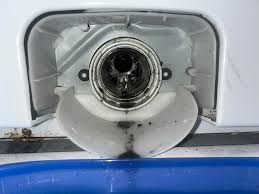
Front-loading machines: Typically found behind a small door or panel at the bottom front of the machine.
Top-loading machines: Often situated inside the drum, around the agitator, or attached to the back of the drum’s tub.
Consult your user manual if you have difficulty locating it.
3. Prepare for water spillage
Place a towel or shallow container beneath the filter panel. Even after a full drain, some water may remain in the machine and will spill when the filter is removed.
4. Remove the filter carefully
Twist or pull out the filter as per your machine’s design. Handle gently to avoid damaging the housing or gasket.
5. Clean the filter
Rinse the filter under warm running water. Use a soft brush or an old toothbrush to remove stubborn fibers, hair, or detergent residue. Inspect for any small objects like coins or buttons that may have been trapped.
6. Clean the filter compartment
Use a damp cloth to wipe inside the filter housing. Detergent residue and debris often accumulate in corners, which can continue to cause problems if not removed.
7. Reinsert the filter securely
Make sure the filter is fully seated and the panel is properly closed to prevent leaks or operational errors.
8. Optional deep clean
Run an empty hot water cycle with 1 cup of white vinegar. This helps remove residual detergent, neutralizes odors, and refreshes the drum.
Some experts also recommend adding ½ cup of baking soda during a subsequent cycle for extra deodorizing and cleaning power.
Benefits of Regular Filter Maintenance
A well-maintained filter provides numerous advantages:
Improved laundry quality – Clothes come out cleaner, fresher, and free from residual fibers or detergent.
Efficient operation – The machine drains and agitates correctly, conserving energy and reducing strain on the motor.
Quieter cycles – Clogged filters can cause vibrations or unusual noises during operation.
Reduced repair costs – Many common issues — poor drainage, odd noises, or incomplete cycles — are directly linked to a dirty filter.
Longer appliance life – Regular care protects your investment and postpones the need for costly replacements.
Additional Considerations for Different Households
Pet owners: Hair and dander can accumulate rapidly in the filter. Consider a filter-cleaning routine every two weeks if you have multiple pets.
Large families: Heavy daily washing produces more debris. Cleaning every two weeks during peak laundry days helps maintain efficiency.
Allergy sufferers: Dust, pollen, and fibers trapped in a clogged filter can circulate back into the laundry room. Frequent maintenance reduces allergens and improves air quality.
Humid environments: Moisture can exacerbate mildew formation. A monthly vinegar cycle combined with filter cleaning keeps odors at bay.
Signs You May Be Neglecting Filter Maintenance
Even without a scheduled reminder, several warning signs indicate the filter needs attention:
Musty or sour smells emanating from the drum.
Clothes remaining wet at the end of a cycle.
Detergent residue on garments.
Unusually loud operation or vibrations.
Frequent error codes or interrupted cycles.
Addressing these early prevents minor issues from escalating into expensive repairs.
Long-Term Impact on Washing Machine Performance
Neglecting filter care can have cumulative effects:
Clogged hoses and pumps: Tiny fibers eventually form larger blockages.
Overheating motor: Struggling to pump water increases stress.
Corrosion or mildew: Persistent moisture trapped in the filter and surrounding compartment fosters mold growth.
Higher energy bills: Inefficient drainage cycles consume more power.
By investing just a few minutes each month, you prevent these long-term problems and maintain optimal performance.
The First Cleaning: What to Expect
Your initial cleaning session may reveal more debris than expected — a natural result of months of use without maintenance. Lint, hair, coins, and detergent buildup are common.
While it may seem overwhelming, this initial cleanup sets the stage for easier future maintenance. Subsequent cleanings are quicker and less labor-intensive, making the habit simple to sustain.
Professional Advice
Many appliance experts emphasize that filter care is just as important as cleaning the drum, gasket, and detergent dispensers. Even a brand-new washing machine collects lint from the first load. Establishing a routine early ensures your appliance operates efficiently for years.
Front-loaders: Because they rely on pumps and gravity-assisted drainage, filter clogs can more quickly impact water flow.
Top-loaders: Agitator models collect lint around the drum and in small compartments, requiring periodic inspection.
High-efficiency (HE) machines: These machines use less water, meaning debris is less diluted and more likely to accumulate in filters or hoses.
Creating a Maintenance Schedule
Consistency is key. A monthly filter cleaning, combined with a quarterly deep-clean cycle using vinegar or baking soda, provides comprehensive protection. Consider:
Monthly: Remove and clean the filter; wipe the interior compartment.
Quarterly: Run an empty cycle with hot water + vinegar, then another with baking soda.
Annual: Inspect hoses, gaskets, and detergent compartments for buildup, wear, or leaks.
This schedule balances efficiency with preventive care, safeguarding the machine and enhancing laundry results.
Conclusion
The washing machine filter may be a small and hidden component, but it plays an outsized role in appliance health, laundry quality, and household hygiene.
Ignoring it leads to musty odors, drainage problems, excess energy use, and reduced appliance lifespan. Attending to it requires only a few minutes each month but provides lasting benefits — fresher clothes, a healthier home environment, and peace of mind knowing your washing machine is running efficiently.
Whether you live in a humid climate, have pets, run a large household, or simply value clean laundry, filter maintenance is non-negotiable.
New or old, high-tech or basic, every washing machine benefits from this small but critical act of care. By incorporating filter cleaning into your regular household routine, you protect your investment, ensure consistent laundry performance, and create a cleaner, healthier, and more efficient home.
Small actions, like removing lint, washing away residual detergent, or running a vinegar rinse, may seem minor, but their impact is substantial. Your washing machine works hard for you — a few minutes of attention each month ensures it continues to do so for years to come.
