

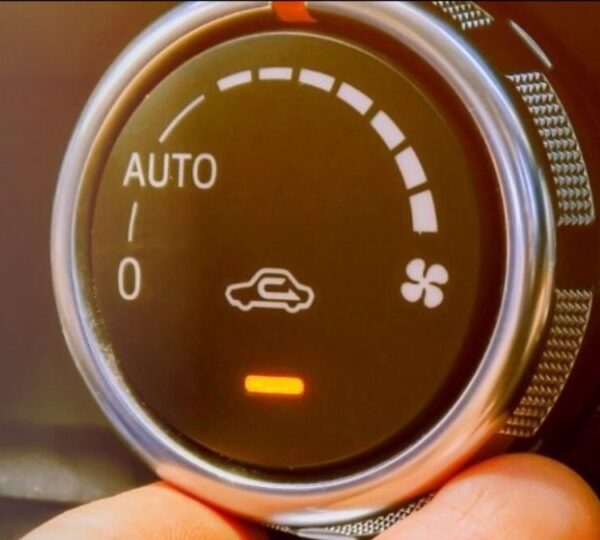
Understanding the functions of your car’s dashboard controls can make a meaningful difference in comfort, safety, and efficiency. One commonly overlooked feature is the air recirculation button, often represented by a car icon with a looping arrow inside.
Although many drivers recognize the symbol, fewer understand how it works or when it should be used. This small control plays an important role in managing airflow, temperature, and air quality inside your vehicle’s cabin.
At its core, the air recirculation system determines whether your car pulls air from outside or reuses the air already inside. This decision directly affects how your heating, ventilation, and air conditioning system performs under different conditions.
When the recirculation setting is turned off, your vehicle continuously draws in fresh air from outside. This air passes through a cabin air filter before being cooled or heated and then distributed throughout the interior.
This mode is generally ideal for maintaining a steady supply of fresh oxygen, especially during longer drives. It also helps reduce the buildup of carbon dioxide inside the cabin, which can contribute to fatigue over time.
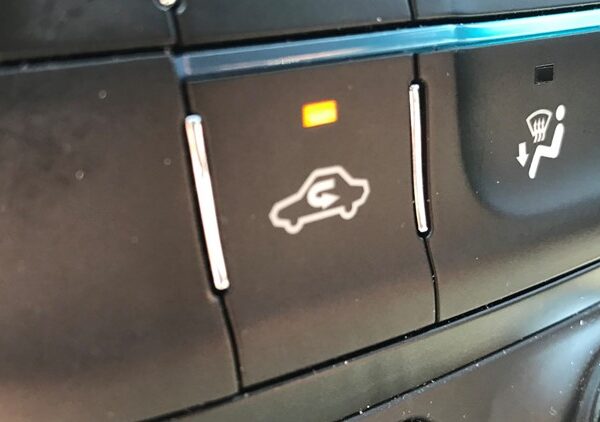
In contrast, activating the recirculation mode closes an internal vent, preventing outside air from entering the vehicle. Instead, the system reuses the air already inside, creating a closed-loop airflow cycle.
This closed system can significantly improve the efficiency of your air conditioning, particularly in hot weather. Since the air inside the cabin is already partially cooled, the system requires less energy to reach and maintain a comfortable temperature.
During summer months, this feature can help your vehicle cool down more quickly after being parked in the sun. It also reduces the workload on the air conditioning system, which may improve fuel efficiency slightly.
Another advantage of recirculation mode is its ability to limit exposure to outside pollutants. When driving in heavy traffic, it can reduce the amount of exhaust fumes entering the cabin.
This is particularly useful in urban environments or during traffic congestion, where emissions from surrounding vehicles can be more concentrated and potentially harmful over time.
Similarly, the recirculation setting can help block unpleasant odors from entering the vehicle. Whether passing through industrial areas, construction zones, or locations with strong smells, it provides a more controlled cabin environment.
Drivers traveling on dusty or unpaved roads may also benefit from this feature. By limiting the intake of outside air, the system helps reduce the amount of dust and particles entering the cabin.
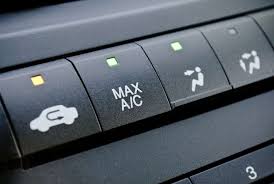
For individuals with allergies, recirculation mode can offer additional comfort by minimizing exposure to pollen and other airborne irritants commonly found outdoors.
Despite its benefits, recirculation mode is not intended for constant use. Keeping it on for extended periods can lead to a gradual decline in air quality inside the vehicle.
As passengers breathe, carbon dioxide levels slowly increase while oxygen levels decrease. Over time, this can contribute to feelings of drowsiness, particularly during long drives.
Additionally, moisture from breathing and humidity can build up inside the cabin when fresh air is not introduced. This can lead to fogging on the windows, especially in cooler or rainy conditions.
Fogged windows reduce visibility and can become a safety hazard if not addressed quickly. In such situations, switching off recirculation and allowing fresh air to circulate is recommended.
Modern vehicles often include automatic climate control systems that manage recirculation settings based on temperature and humidity. These systems aim to balance efficiency with air quality without requiring constant driver input.
However, understanding how the system works allows drivers to make better decisions when manual adjustments are needed. Situational awareness is key to using this feature effectively.
For example, when first entering a hot car, turning on recirculation along with the air conditioner can help cool the interior more rapidly. Once a comfortable temperature is reached, switching back to fresh air can improve ventilation.
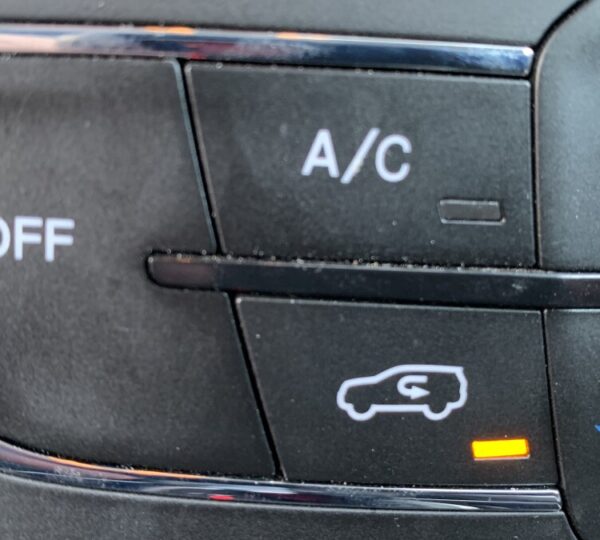
In colder months, recirculation can help the heating system warm the cabin more quickly. However, it should be used cautiously to avoid excessive humidity and window condensation.
The performance of the recirculation system also depends on the condition of the cabin air filter. This filter plays a crucial role in trapping dust, pollen, and other particles before they enter the cabin.
Over time, the filter can become clogged, reducing airflow and system efficiency. Regular replacement is essential for maintaining both air quality and proper ventilation performance.
Most manufacturers recommend replacing the cabin air filter every 12,000 to 15,000 miles, although this may vary depending on driving conditions and environmental factors.
Driving in areas with high pollution, dust, or pollen levels may require more frequent filter changes to ensure optimal performance and air quality.
It is also important to note that recirculation mode does not completely eliminate outside air in all vehicles. Some systems allow a small amount of fresh air to enter to maintain balance and prevent air stagnation.
Understanding your specific vehicle’s system, often explained in the owner’s manual, can help you use this feature more effectively and avoid common misconceptions.
Another common misunderstanding is that recirculation mode always improves air quality. While it can reduce exposure to external pollutants, it may trap contaminants already present inside the vehicle.
For example, if there are strong odors or airborne particles inside the cabin, recirculation can cause them to linger longer rather than being flushed out with fresh air.
Therefore, switching between recirculation and fresh air modes as needed is the best approach. This ensures a balance between comfort, efficiency, and air quality.
In vehicles with multiple passengers, the need for fresh air becomes even more important. More occupants mean faster accumulation of carbon dioxide and humidity inside the cabin.
In such cases, using fresh air mode periodically helps maintain a healthier and more comfortable environment for everyone inside the vehicle.
The placement of air vents and airflow direction can also influence how effectively recirculation works. Adjusting vents to distribute air evenly can improve overall comfort.
Some vehicles include sensors that detect air quality and automatically activate recirculation mode when high levels of pollution are detected outside. This feature adds an extra layer of convenience and protection.
Even with advanced systems, driver awareness remains important. Knowing when to override automatic settings can make a noticeable difference in specific driving situations.
For example, if windows begin to fog unexpectedly, manually switching to fresh air mode and adjusting the temperature can quickly restore visibility.
Similarly, when driving through tunnels or behind large trucks, temporarily activating recirculation can help reduce exposure to exhaust fumes.
It is also helpful when passing through areas affected by wildfires or heavy smoke, where outside air quality may be significantly compromised.
However, once the vehicle returns to cleaner air conditions, switching back to fresh air helps restore proper ventilation and balance inside the cabin.
Energy efficiency is another factor to consider. While recirculation can reduce the workload on the air conditioning system, the overall impact on fuel consumption is typically modest.
Nevertheless, in extreme temperatures, any reduction in system strain can contribute to improved performance and potentially extend the lifespan of HVAC components.
Drivers should also be mindful of how recirculation interacts with other climate control settings, such as fan speed and temperature adjustments.
Using these controls together effectively can create a more comfortable driving environment without overworking the system.
In electric vehicles, efficient climate control is particularly important, as it can directly affect battery range. Recirculation mode can help conserve energy by reducing heating or cooling demands.
Regardless of vehicle type, the goal is to use the system in a way that balances comfort, safety, and efficiency under varying conditions.
Understanding the purpose and proper use of the air recirculation button empowers drivers to make informed decisions rather than relying solely on default settings.
This knowledge becomes especially valuable during long trips, changing weather conditions, or driving in unfamiliar environments.
Ultimately, the air recirculation feature is a simple yet powerful tool that can enhance your overall driving experience when used correctly.
By learning when to activate and deactivate it, drivers can maintain better air quality, improve comfort, and reduce potential safety risks.
Taking the time to understand this function is a small investment that can lead to noticeable benefits every time you get behind the wheel.
With proper use, the air recirculation system helps create a cleaner, more comfortable, and more controlled cabin environment throughout the year.
It serves as a reminder that even the smallest features in a vehicle can have a meaningful impact when used with awareness and intention.
