
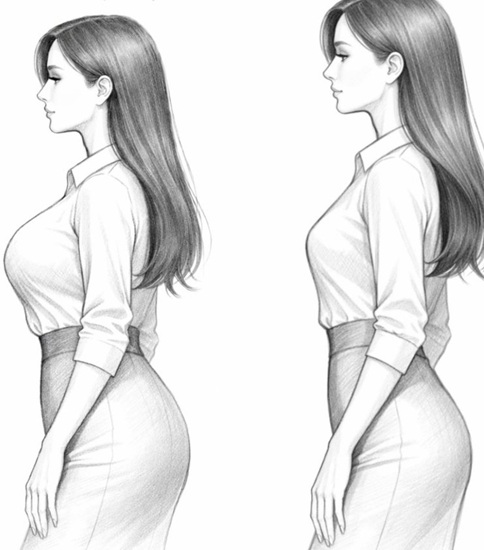
Breasts carry both biological and symbolic significance for many women, representing femininity, motherhood, sexuality, and identity. Their appearance and size can influence confidence, self-perception, and the way women relate to society around them.
For countless women, a private question often arises: “Why are my breasts smaller or larger than others?” These thoughts can be fleeting or persistent, shaping self-image throughout adolescence and adulthood.
It’s important to understand that breast size is natural and highly variable. There is no one-size-fits-all standard, and the wide range of shapes, volumes, and proportions is simply part of human diversity.
Genetics play a primary role in determining breast size. If women in your family have smaller or larger breasts, your size is likely influenced by hereditary traits inherited from parents and grandparents.
Hormones also guide breast development. Estrogen is particularly influential during puberty, while changes in progesterone and prolactin affect fullness and shape, especially during menstrual cycles, pregnancy, and menopause.
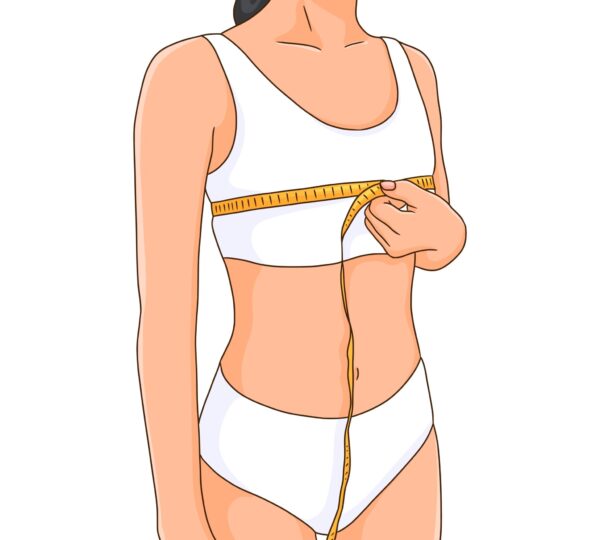
Body composition matters as well. Breasts contain fatty tissue, so individuals with lower body fat, including athletes or naturally slender women, tend to have smaller breasts compared to those with higher fat percentages.
Age influences breast appearance. Breasts may change over time, losing firmness or volume due to hormonal shifts, gravity, and skin elasticity. Pregnancy and breastfeeding also temporarily or permanently alter size and shape.
Even within these variations, there is no universal definition of what constitutes “small” or “large.” What may appear small on one frame can appear proportionate or full on another, depending on height, weight, and body structure.
Medical definitions of underdeveloped breasts, such as mammary hypoplasia, are rare. Most women with smaller breasts experience a normal variation and do not face any health issues directly related to size.
Emotional perceptions around breast size can be significant. Many women experience anxiety or insecurity because of societal pressures, beauty ideals, or comparison with peers and media representations of the “perfect” body.
Social media and advertising frequently highlight unrealistic standards, emphasizing larger breasts as ideal, which can negatively influence self-esteem and body image over time.

Scientific studies indicate that women with larger breasts sometimes report higher levels of self-confidence, but this is influenced by cultural perceptions rather than biological necessity or health.
Despite these pressures, breast size does not determine femininity, attractiveness, strength, or self-worth. Self-acceptance and body confidence come from more than physical attributes alone.
Natural changes in breast size are limited. No diet, supplement, or topical cream has been proven to significantly increase breast tissue. Claims promising rapid growth are generally unsupported by research.
However, there are non-surgical ways to enhance appearance. Well-fitted or padded bras can create the illusion of fuller breasts, and certain clothing styles can emphasize curves and shape.
Strengthening chest muscles through exercises like push-ups or chest presses can subtly lift and define breasts, improving posture and overall appearance without changing actual volume.
For those seeking more dramatic results, surgical options such as breast augmentation, implants, or fat transfer procedures exist. These are highly personal decisions that require professional medical guidance and thorough consultation.
Importantly, breast size is not directly linked to overall health. Smaller breasts do not indicate poor health, nor do larger breasts guarantee superior health. Function, lifestyle, and wellness are far more relevant indicators.
In fact, very large breasts can contribute to physical discomfort, including back, neck, or shoulder pain. These issues are often related to total body weight or posture rather than breast tissue itself.
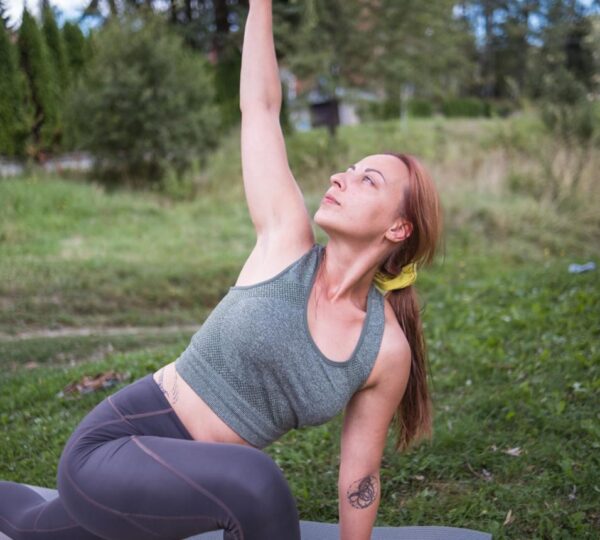
Awareness of changes in the breasts is essential for health, regardless of size. Women should monitor for lumps, unusual swelling, persistent pain, changes in skin color, discharge, or nipple inversion, as these can indicate medical concerns.
Early detection of abnormalities, such as tumors or infections, can significantly improve treatment outcomes and prevent complications, emphasizing the importance of routine breast self-exams and professional screenings.
Breast self-examination techniques are simple: visually inspect in front of a mirror for asymmetry, touch for unusual lumps, and observe changes during different phases of the menstrual cycle for consistency.
Mammograms and other imaging tools are recommended based on age and risk factors, providing a clear assessment of internal tissue, especially for women with a family history of breast cancer or other genetic predispositions.
Lifestyle choices support breast health. Balanced nutrition, regular exercise, adequate sleep, and stress management contribute not only to overall wellbeing but also to skin elasticity, hormonal balance, and energy levels that influence appearance.
Mental and emotional care is equally important. Accepting body diversity and rejecting unrealistic beauty ideals empowers women to focus on health, confidence, and self-expression rather than comparison.
Every breast is unique in size, shape, symmetry, and movement. Some women may have natural asymmetry, differences in nipple placement, or variations in fullness, all of which are normal and not indicative of medical problems.
Rather than measuring against others, women can focus on self-care and body awareness. Feeling comfortable in one’s own body is central to confidence and mental health, which outweigh purely aesthetic concerns.
Supportive communities, friends, and media that promote body positivity can help women embrace differences and cultivate resilience against cultural pressures emphasizing size or appearance.
Education about anatomy and function is also valuable. Breasts consist of mammary glands, connective tissue, and fat, serving essential biological roles such as lactation while simultaneously influencing cultural and aesthetic perceptions.
Motherhood introduces changes in breast size, shape, and function. Pregnancy and breastfeeding expand glandular tissue and blood flow, which may alter appearance permanently or temporarily depending on individual biology.
Menopause leads to hormonal shifts, often reducing glandular tissue and increasing fatty tissue, which can affect size, density, and firmness, reflecting natural life stage transitions rather than health deficits.
Understanding the diversity of breast size and function helps normalize differences. What matters most is comfort, confidence, and the ability to maintain healthy habits that support overall physical and emotional wellbeing.
Medical consultation is recommended if women experience persistent pain, lumps, swelling, redness, or discharge. Professional guidance ensures safety, peace of mind, and early intervention when necessary.

Psychological support can also play a role. Body dysmorphia or anxiety related to breast appearance can be addressed through counseling, therapy, and supportive networks to improve self-image and mental health.
Confidence stems from valuing oneself holistically rather than focusing exclusively on physical attributes. This includes recognizing one’s skills, character, resilience, and emotional intelligence as equally important.
Many women find empowerment by dressing for comfort, choosing lingerie that fits correctly, and practicing exercises that improve posture and chest strength, all of which enhance confidence without altering natural breast volume.
Breast size should not define femininity or sexuality. Cultural fascination with size is largely external; true self-assurance comes from internal acceptance and embracing the body’s natural form.
Comparisons often lead to unnecessary stress. Each person’s body grows, changes, and evolves uniquely throughout life, and breasts naturally fluctuate due to weight changes, hormonal cycles, and age.
Breasts are a symbol, a functional part of anatomy, and an individual expression of self. A woman’s worth is determined by character, kindness, intelligence, and actions rather than cup size.
Ultimately, prioritizing health, maintaining strong habits, and fostering a positive self-image contributes more to confidence than attempting to meet arbitrary societal standards of breast size.
Regular exercise, a balanced diet, mental self-care, and supportive relationships create a foundation for wellbeing that enhances how women feel about their bodies at every life stage.
A focus on proportion, posture, and overall fitness can subtly improve appearance and lift without altering breast tissue, emphasizing health and confidence over external expectations.
Medical interventions, when considered, should be evaluated carefully. Knowledgeable consultation with licensed professionals ensures safety, realistic expectations, and long-term satisfaction if cosmetic changes are pursued.
Healthy breasts support wellbeing, not vanity. Discomfort, pain, or abnormalities warrant attention, regardless of size. Understanding anatomy, development, and lifestyle impacts enables informed self-care.
Social pressures and media images often promote unrealistic ideals, but education and self-awareness help women resist harmful comparisons and celebrate natural diversity in breast size and shape.
Women of all sizes can experience beauty, strength, and empowerment. Confidence comes from embracing individuality, nurturing health, and practicing self-love rather than conforming to external standards.
Family, friends, and community support reinforce positive body image. Sharing experiences and normalizing differences contributes to healthier perceptions of femininity, sexuality, and self-worth.
In conclusion, breast size is one aspect of physical identity. True value comes from health, resilience, character, and self-confidence, which persist regardless of appearance, cup size, or societal judgment.
No matter the size or shape, breasts do not define beauty, strength, or personal worth. Respect, empathy, kindness, and authenticity remain far more meaningful markers of a woman’s identity and impact.
Focusing on health, mental wellness, self-acceptance, and physical care empowers women to live fully, embracing their unique bodies without shame, comparison, or unnecessary anxiety over size.
