
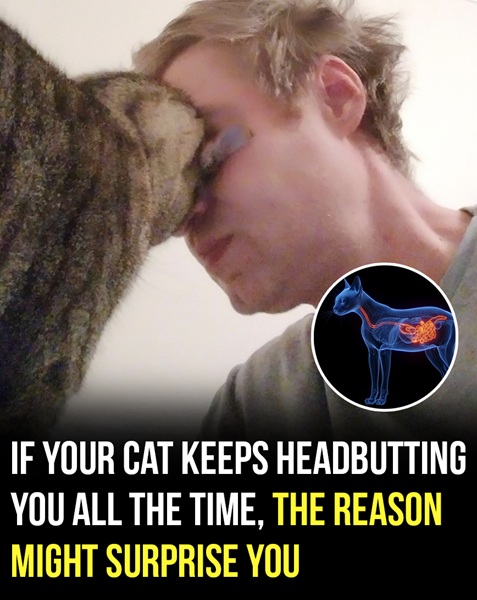
We all know cats can be independent, strong‑willed, and sometimes delightfully mysterious — but if your feline friend has ever leaned in for a “headbutt,” you might have wondered what that really means.
Maybe you were sitting on the couch when your cat nudged your chin or gently bumped your forehead. Perhaps they do it when you walk into a room or every time you pet their cheeks.
At first, it might seem like a quirky, random behavior — but in truth, cat headbutting is one of the most meaningful ways cats communicate love, trust, and connection.
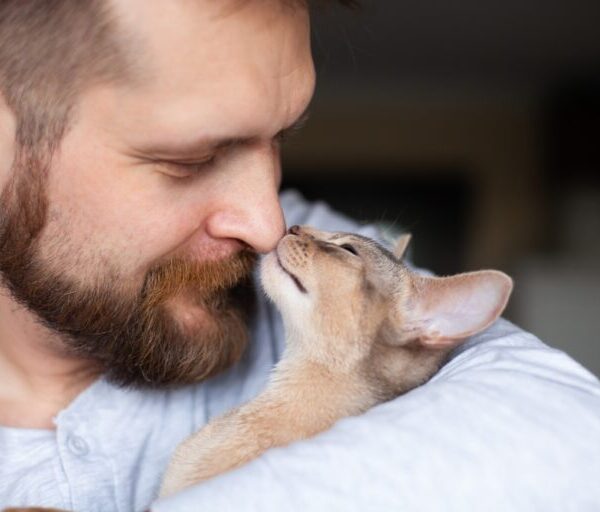
In this article, we’ll explore:
-
What “headbutting” really is
-
The science behind it
-
What it does for your cat emotionally and socially
-
How it relates to scent‑sharing and pheromones
-
Variations of affectionate behavior across different cats
-
How to tell a positive headbutt from another feline message
-
What to do (and not do) when your cat headbutts you
By the end, you’ll not only understand why cats headbutt, but also have a deeper appreciation for the subtle ways your cat expresses affection and belonging.
What Exactly Is a Cat Headbutt?
When people describe cats headbutting, they usually mean one of these behaviors:
-
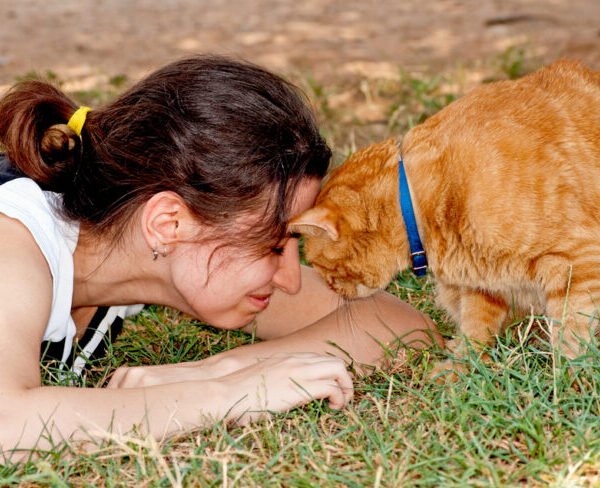
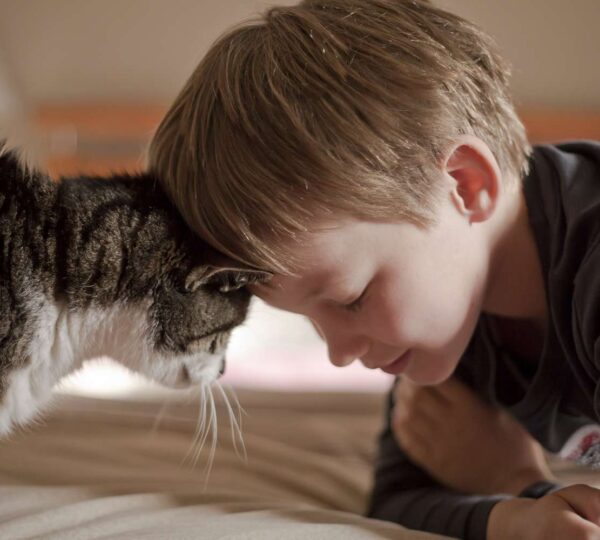
A bunting move where the cat presses its forehead into your hand, chin, or face
-
A gentle bump with the side of their head into your arm or leg
-
A pressing of cheeks or face against you
-
A quick rub‑and‑withdraw motion with the head against your body
Veterinarians and animal behaviorists refer to this behavior as “bunting.” In the wild, cats use bunting to interact socially with other cats and to spread scent signals. In the domestic setting, your cat is using the exact same instinct — but directing it onto you.
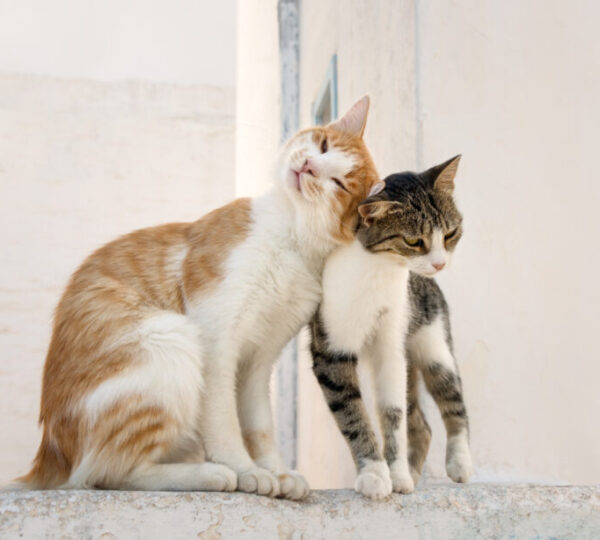
This might look small or even comical, but it’s actually a significant social behavior in feline communication.
Why Do Cats Headbutt? The Real Meaning Behind the Move
1. Trust and Social Bonding
In the wild, cats are often solitary hunters, but they still form social bonds within small groups — especially among related individuals. One of the most powerful social signals they use is head‑to‑head contact or cheek rubbing.
When your cat headbutts you, they are showing that they consider you part of their social group. They are saying, in feline language: “You are safe, familiar, and welcome.”
In cat psychology, this is a profound expression of trust — especially because cats only show this behavior toward beings they feel comfortable around.
In other words, when your cat gives you a bonk with their head, they are telling you something deep: “I trust you.” “You belong in my inner circle.” “You are part of my family.”
This behavior is not random or playful in the way we might throw an arm around a sofa cushion — it’s social bonding rooted in evolutionary behavior.
2. Scent‑Sharing and Pheromone Marking
One of the most fascinating parts of cat headbutting is that it’s tied to pheromones — chemical signals animals use to communicate.
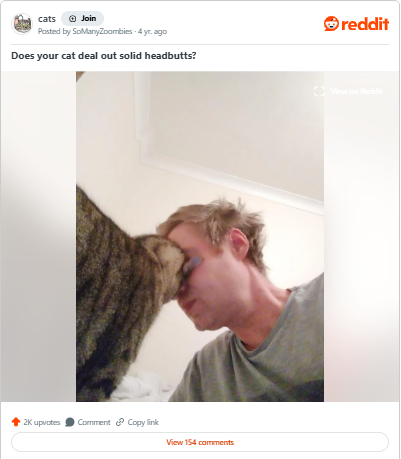
Cats have scent glands in several places on their body, including:
-
Cheeks
-
Whisker pads
-
Chin
-
Forehead
-
Base of the tail
When your cat presses their face or head against you, they are depositing these facial pheromones onto your skin and clothing. This does several things:
-
It marks you as “safe” or “familiar” in their scent map
-
It helps them feel secure in their environment
-
It integrates your scent into their territory
-
It reinforces social bonds
Unlike how we humans think of “marking territory” — like a dog lifting its leg — feline scent sharing through headbutting is a prosocial behavior. It’s not about intimidation or dominance; rather, it’s about inclusion and comfort.
According to animal behavior resources, this behavior is one of the reasons multi‑cat households with bonded cats often headbutt and cheek‑rub each other before resting together.
That’s why, when your cat headbutts you, it’s often described as a cat kiss — a way of sharing their scent and letting you know you are part of their “clan.”
3. Comfort and Security in Their Environment
Cats live in a world where they are both predator and prey — even domestic cats. They are always subconsciously assessing their environment for safety and familiarity.
When cats rub their heads on things, they are creating a scent map — a layered set of signals that tells them “this place is safe” and “these people are part of my safe circle.”
This is why you might notice your cat headbutt:
-
When you walk into a room
-
When they want attention
-
After a loud noise or stressful event
-
Before they nap beside you
-
When they greet you after you return home
In every case, the headbutt is followed by a sense of comfort and relaxation — they are reaffirming their confidence in their surroundings.
4. Communication and Bond Reinforcement
Cats don’t vocalize affection the same way dogs do. While a dog may lick your face or jump on your lap enthusiastically, a cat’s affection is often quieter and slower — but not less meaningful.
Headbutting — paired with behaviors like:
-
purring
-
slow blinking
-
kneading
-
gentle tail swishing
-
leaning into you
…are all part of a suite of affiliative (friendly) behaviors that communicate social harmony and bonding.
Unlike more aggressive or advertising forms of scent marking, bunting is highly affiliative. It signals peace, calm, and togetherness.
TikTok, Pop Culture, and Viral Cat “Kisses”
Recently, videos of cats headbutting on cue — like the one shared by TikTok user gabduffield — have helped popularize the idea that headbutting is like a “kiss.” In that video, the black cat learned to perform a headbutt when the owner said “kiss,” waiting eagerly for a little boop or affection in return.
Although the behavior can be trained with positive reinforcement, the emotional basis of headbutting is not learned — it’s innate. Cats naturally want to do this with beings they trust. A TikTok video might make it look like a trick, but it’s really just an expression of attachment.
Not All Cats Express Affection in the Same Way
It’s important to recognize that not every cat headbutts, and not all cats express affection the same way. Cats are individuals with distinct personalities.
Some very affiliative cats may show affection through:
-
Sitting on or near you
-
Slow blinking
-
Kneading on your lap
-
Following you from room to room
-
Purring loudly
But others may be more subtle or less physically demonstrative.
If a cat doesn’t headbutt often, that doesn’t mean they don’t love you — it may just reflect their temperament or early experiences.
Watch for behavioral cues:
Signs your cat enjoys your presence and is relaxed:
-
soft, slow blinking
-
purring
-
kneading
-
relaxed body posture
-
approaching you on their own terms
Signs your cat is uncomfortable:
-
flattened ears
-
dilated pupils
-
swishing or flicking tail
-
tense body
-
avoidance or escape behavior
Understanding these cues helps you interpret your cat’s headbutts in context rather than assuming every bump means the same thing.
Headbutting in Big Cats — The Lion Analogy
Interestingly, headbutting isn’t just a house‑cat behavior. Big cats like lions and cheetahs use similar moves as part of their social rituals.
In the wild, lions will:
-
head‑butt each other when greeting
-
cheek‑rub to share scent
-
nuzzle in social bonding among pride members
These behaviors help reinforce hierarchy, comfort, and affiliation within a group. Your domestic cat is employing the same repertoire — just in a context of co‑living with humans rather than hunting and patrolling a savanna.
So when your cat headbutts you, imagine it as a lion greeting a pride member — because, in feline social language, it essentially is.
Can Headbutting Be Trained or Encouraged?
While headbutting itself is instinctive, you can encourage affectionate behavior by fostering a secure, predictable environment:
Ways to Strengthen Your Bond:
-
Consistent meal times — cats associate you with food and stability
-
Grooming sessions — use gentle brushing to build trust
-
Play time with interactive toys — satisfies natural hunting instincts
-
Respect personal space — approach on their terms, not yours
-
Positive reinforcement — praise and treats for gentle interaction
Cats who feel safe and emotionally secure are more likely to express affection — including headbutting — than cats who are stressed, anxious, or under‑stimulated.
Why Headbutting Feels So Heartwarming to Us
There’s a neurological explanation for why a cat headbutt feels so good emotionally. When your cat bunts you:
-
Their scent glands mix their pheromones with your scent
-
The physical contact stimulates oxytocin release in humans (the “bonding hormone”)
-
Your cat is signaling trust and attachment
-
The behavior strengthens emotional reciprocity
That combination is why many cat owners describe headbutting as more meaningful than louder displays of affection — it’s quiet, intimate, and emotionally charged.
Common Questions About Headbutting
Is headbutting different from nuzzling?
Yes — bunting refers specifically to the head press or head bump. Nuzzling is similar but usually involves cheek or muzzle rubs in a softer, slower motion.
Do only affectionate cats headbutt?
Mostly yes — but cats with strong territorial instincts also bunting their favorite objects. Context matters: if your cat headbutts you when relaxed, it’s affectionate; if they do it only in territorial contexts, the meaning can differ slightly.
Does size or breed affect headbutting?
Not really. Any breed can headbutt; it’s more about personality and comfort with humans than breed traits.
Should I pet my cat when they headbutt?
Often yes — but watch their body language. Most headbutts come with relaxed posture and purring, which usually means your cat wants petting. If the rest of their body is stiff or tense, respectfully give them space.
A Final Word: Cat Headbutts Are a Modern Kind of Love Language
Cats may be independent, mysterious, and sometimes inscrutable, but their headbutts are among the most unmistakable messages they deliver. When a cat presses their head on you, they’re doing a lot more than seeking attention — they are:
✔ sharing their scent
✔ marking you as part of their social group
✔ expressing trust and comfort
✔ signifying affiliation and affection
✔ reinforcing their bond with you
In feline communication, headbutting is one of the warmest, most sincere gestures a cat can offer.
So next time your cat walks up, rubs their head against your hand, chin, or shoulder — take a moment to enjoy it. That little bump isn’t just a quirky habit — it’s a feline kiss, a stamp of trust, and a sign that your cat truly sees you as family.
