
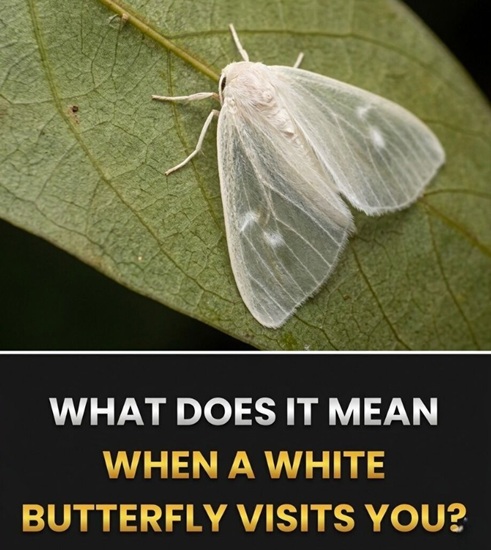
The sight of a white butterfly often captures attention immediately. Its delicate wings, soft flight patterns, and subtle movements seem almost ethereal, inspiring both curiosity and reflection in those who pause to observe.
Throughout human history, butterflies have held symbolic and aesthetic significance. Their striking colors, intricate wing patterns, and fragile appearance evoke feelings of wonder, beauty, and connection to nature across a variety of cultural and spiritual traditions.
The white butterfly, in particular, carries layers of symbolism. White is frequently associated with purity, innocence, peace, and spiritual renewal, adding an additional dimension to the encounter beyond the insect’s mere physical presence.
Many people interpret a white butterfly’s appearance as a gentle message. It can signal hope, offer comfort during times of grief, or serve as a reminder that life is in a constant state of transformation.
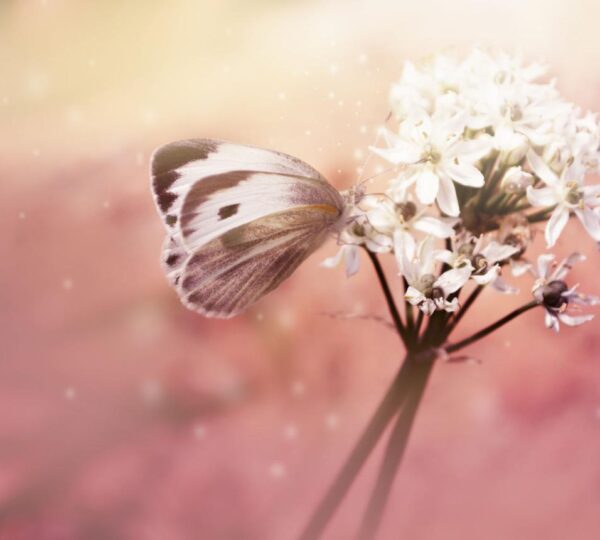
Scientifically, the behaviors of butterflies are rooted in instinct. They seek sunlight, nectar, and mates, while playing important roles in pollination, supporting plant reproduction, and contributing to the balance of ecosystems globally.
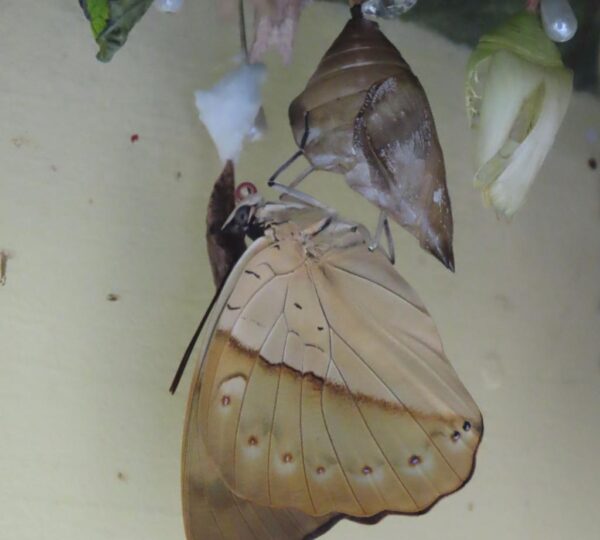
The life cycle of butterflies is one of nature’s most remarkable transformations. Beginning as eggs, developing into caterpillars, forming chrysalises, and emerging as winged adults, they embody resilience, patience, and profound change.
This metamorphic journey has inspired metaphors across literature, art, and psychology. Many cultures equate the butterfly’s transformation with personal growth, self-improvement, and the ability to overcome challenges through persistence and adaptation.
A white butterfly, in particular, is often linked to spiritual or emotional significance. People frequently associate its appearance with the presence of deceased loved ones or guidance from ancestors, offering comfort during moments of uncertainty.
In Western cultures, white butterflies symbolize peace and new beginnings. Their appearance in gardens, near homes, or along pathways often prompts reflection on life transitions, relationships, or the potential for emotional renewal.
In Eastern traditions, such as Japanese culture, white butterflies may represent the soul, spiritual journeys, or messengers between the living and the deceased, emphasizing respect, reverence, and mindful observation of the natural world.
Some Christian interpretations see white butterflies as symbols of resurrection, divine guidance, and purity of spirit, reminding observers of hope, the possibility of redemption, and the enduring beauty of creation.
Cultural symbolism aside, psychologists highlight humans’ tendency to assign meaning to emotionally significant events. Encounters with delicate creatures often trigger reflection, mindfulness, and heightened awareness of one’s own experiences.
Observing a white butterfly can promote mindfulness and calm. The slow, deliberate movements, combined with the quiet presence of a natural being, create opportunities for meditation, emotional grounding, and a sense of wonder in everyday life.
Butterflies contribute ecologically through pollination. As they feed on nectar, they transfer pollen between plants, supporting biodiversity, maintaining floral reproduction, and ensuring healthy habitats for other wildlife that rely on flowers and fruit-bearing plants.
White butterflies are part of diverse species, such as the cabbage white (Pieris rapae) and other regional variants. Each species has unique behaviors, flight patterns, and preferred habitats, making encounters rich in ecological diversity.
Their seasonal appearances connect humans to cycles of nature. Observing these creatures in spring or summer reminds people of growth, renewal, and the ongoing interplay between climate, vegetation, and animal behavior.
The presence of butterflies in gardens and natural spaces can encourage environmental awareness. Individuals observing their activity often develop a deeper appreciation for pollinators, conservation, and the need to protect fragile ecosystems.
Symbolically, white butterflies often encourage reflection on life transitions. From adolescence to adulthood, grief, or personal growth, these encounters can act as gentle prompts for processing emotions and accepting change with grace.
Many poets and writers have used the butterfly as a symbol of impermanence. Its ephemeral lifespan, delicate wings, and fleeting movements evoke thoughts of mortality, beauty, and the need to embrace life’s transient moments.
Artists frequently incorporate butterflies in paintings and sculpture, emphasizing lightness, transformation, and ethereal beauty. White butterflies, in particular, inspire compositions emphasizing simplicity, purity, and moments of quiet contemplation.
In literature, white butterflies are often associated with hope. Characters encountering them may experience personal revelations, emotional healing, or a shift in perspective, reinforcing the metaphorical connection to transformation and spiritual growth.

Scientific observation reveals butterflies’ navigational skills. They use visual landmarks, sun orientation, and instinctual patterns to travel between habitats, demonstrating sophisticated survival strategies that fascinate biologists and naturalists alike.
The appearance of a white butterfly during personal milestones—such as graduation, weddings, or farewells—often amplifies symbolic meaning, reinforcing the connection between life events, hope, and the delicate beauty of transitional moments.
In many indigenous traditions, butterflies symbolize rebirth, continuity, and the interconnectedness of all living things. They are seen as messengers of environmental balance, reminding communities of the importance of preserving natural harmony.
White butterflies also play roles in folklore. Stories recount them as harbingers of fortune, peace, or spiritual communication, integrating observation of nature with moral or symbolic lessons across generations.
Ecologically, butterflies serve as indicators of environmental health. Declines in populations often signal habitat loss, climate change effects, or pesticide use, providing humans with visual cues about ecosystem stability and biodiversity.
Educational programs increasingly use butterflies as teaching tools. Students learn about life cycles, metamorphosis, pollination, and ecosystem interactions while developing emotional connections to the natural world and fostering respect for wildlife.
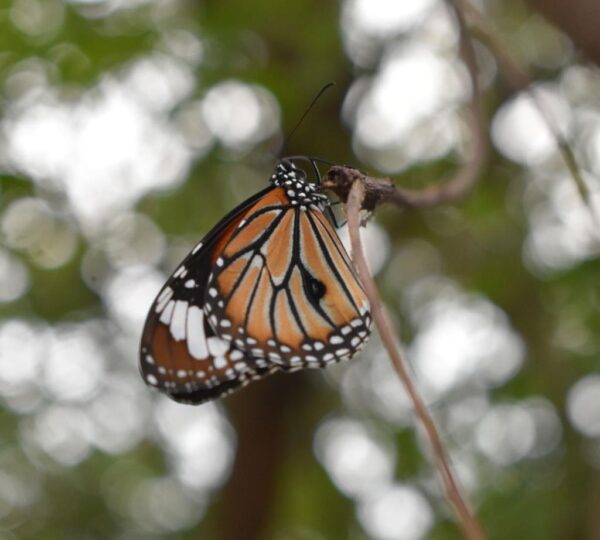
Scientific studies show butterflies respond to temperature, humidity, and sunlight patterns. These behaviors explain migration, mating, and feeding habits while offering insight into the intricate relationships between climate and insect behavior.
White butterflies’ delicate coloring is an adaptation. Light-colored wings can reflect sunlight, avoid predators, and support thermoregulation, illustrating the intersection of beauty, biology, and survival strategies in natural environments.
Observation of butterflies also encourages environmental stewardship. People who spend time noting butterfly activity are more likely to plant pollinator-friendly flowers, reduce pesticide use, and support local conservation initiatives.
Photographers and naturalists often document white butterflies. Their work preserves moments of fragile beauty, educates the public, and highlights the aesthetic and ecological significance of these delicate winged creatures.
Symbolically, many people interpret a white butterfly’s fleeting presence as a call to mindfulness. Its brief visit encourages appreciation for the present, awareness of natural wonders, and the importance of slowing down in a fast-paced world.
In therapeutic contexts, butterfly imagery is used to promote healing. Art therapy, meditation, and guided visualization exercises incorporate butterflies as symbols of hope, personal growth, and resilience.
White butterflies also inspire community rituals. Some cultures release them during celebrations, memorials, or ceremonies, creating tangible connections between participants, nature, and symbolic expressions of renewal or remembrance.
The connection between humans and butterflies is reinforced through literature, science, and art. Observing their flight, color, and behavior allows individuals to reflect on transformation, beauty, and the subtle lessons nature provides.
Even casual encounters with white butterflies can leave lasting impressions. Many report feeling calm, uplifted, or introspective after observing these insects, highlighting their unique ability to bridge scientific observation with emotional resonance.
White butterflies remind observers of the impermanence of life. Their short lifespans and delicate existence encourage people to embrace each moment, cultivate gratitude, and recognize the importance of change as part of growth.
Their presence in gardens and natural spaces contributes to pollination, enhances biodiversity, and promotes the health of ecosystems, illustrating that even the smallest creatures have outsized impact on environmental stability.
In contemporary symbolism, white butterflies are associated with messages of hope, peace, and transition. Individuals encountering them often report feelings of encouragement, comfort, and motivation during periods of personal reflection.
Psychologists note that humans attach significance to natural phenomena, turning fleeting observations into meaningful symbols. This process allows people to integrate nature into emotional processing, coping strategies, and personal narratives.
Educational and recreational observation of butterflies fosters ecological literacy. Activities like guided walks, butterfly gardens, and citizen science programs help communities understand life cycles, pollination, and habitat preservation.
Finally, the white butterfly embodies the intersection of science and symbolism. It is both a biological marvel, playing crucial ecological roles, and a cultural symbol, inspiring reflection, hope, and mindfulness across generations and communities.
Whether viewed through the lens of science, art, spirituality, or personal experience, the white butterfly serves as a reminder of resilience, transformation, and the enduring beauty of nature’s small wonders.
