
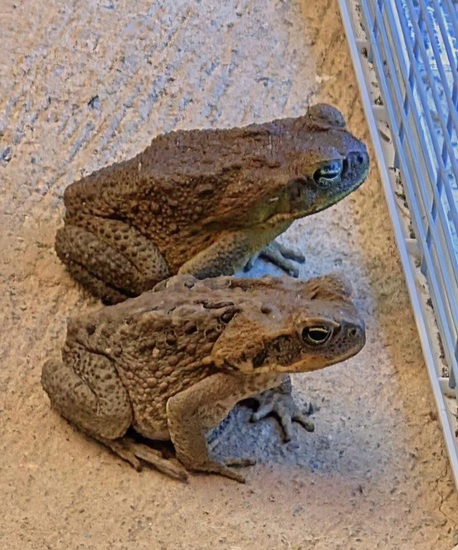
When a toad chooses to inhabit your yard or the area near your home, it is responding to subtle environmental cues that you may have unintentionally provided. Moist soil, shaded pots, and quiet, sheltered corners act as invitations.
These amphibians are highly sensitive to microhabitats, seeking out locations that provide consistent moisture, protection from predators, and a steady supply of insects for food. Your yard, with its nooks and crannies, may appear ideal.
A toad’s presence is often a compliment to the ecological balance of your garden. It signifies that the space feels safe, sufficiently humid, and rich in food sources, offering a secure environment for small wildlife.
Far from being a nuisance, toads are natural pest controllers. They feed on insects such as mosquitoes, flies, and beetles, reducing the need for chemical sprays, helping maintain a healthier garden ecosystem for humans and plants alike.
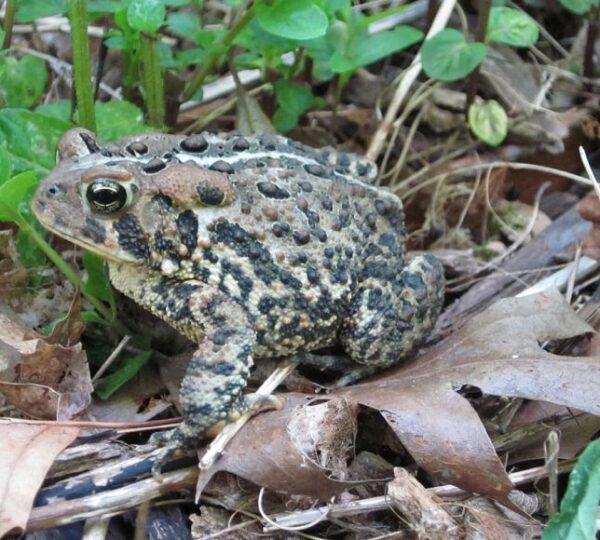
Toads are particularly drawn to shaded areas that remain damp throughout the day. Potted plants, dense shrubs, or low-lying ground cover provide shelter from sunlight while retaining moisture, creating an ideal habitat for amphibian residents.
The presence of a toad indicates that your yard supports biodiversity. Small creatures like insects, earthworms, and other invertebrates thrive in these spaces, creating a food web that sustains amphibians while enhancing soil health naturally.
These creatures are most active during twilight and nighttime hours. Observing a toad during these periods reveals its role in controlling nocturnal pests, silently protecting plants and outdoor spaces without human intervention or chemical assistance.
Toads require cool, moist environments for their skin, which must remain hydrated to allow respiration. Moist soil and shaded corners in your yard mimic natural habitats such as damp forest floors, ponds, or streams, supporting their survival.
Breeding habits of toads also depend on water availability. Even small puddles, birdbaths, or garden ponds attract them during the mating season, where their presence contributes to the continuity of local amphibian populations.
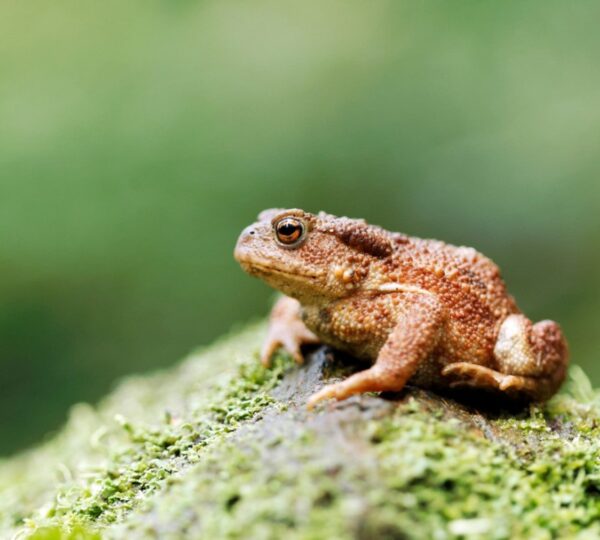
Providing mulch, leaf litter, and natural debris enhances the appeal of your garden to toads. These materials retain soil moisture, offer shelter from predators, and provide hunting grounds for insects, creating a micro-ecosystem that encourages amphibian habitation.
Toads’ diets consist primarily of insects and other invertebrates, including beetles, caterpillars, slugs, and spiders. Their voracious appetites make them natural pest management allies, reducing damage to plants while promoting a chemical-free gardening environment.
Unlike frogs, toads can tolerate drier conditions temporarily, but they still require access to moist, shaded areas. Their adaptive behavior allows them to exploit suburban and urban gardens that mimic natural conditions effectively.
A toad’s skin secretes mild toxins that discourage predation by birds, snakes, or small mammals. This natural defense allows them to maintain stable populations in residential spaces without posing a threat to humans or pets.
By attracting toads, your yard becomes part of a larger ecological network. They interact with other wildlife, contribute to controlling insect populations, and help maintain balance in suburban environments that often lack native predators.
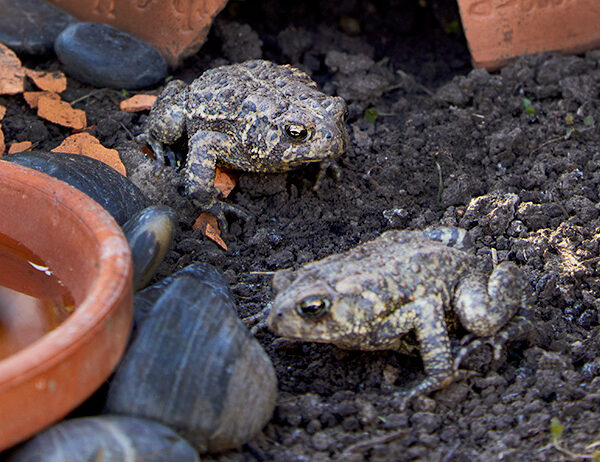
During daylight hours, toads remain hidden under logs, rocks, or dense vegetation. These resting spots protect them from desiccation, predators, and extreme weather while enabling them to emerge safely at night to hunt insects efficiently.
Toads also play a subtle role in soil health. By foraging through leaf litter and soil surfaces, they disturb the ground gently, encouraging aeration and nutrient cycling, which supports plant growth and overall garden vitality.
Their presence signals that your garden is relatively free from harsh chemicals. Toads are sensitive to pesticides and herbicides, so seeing them thrive suggests a safer, more natural environment conducive to all forms of wildlife.
Gardeners can further encourage toads by providing shallow water sources or small ponds. These water features not only support hydration and breeding needs but also attract other beneficial organisms, creating a thriving mini-ecosystem.
Toads have a long lifespan relative to other amphibians, often surviving up to a decade in protected environments. Their continued presence indicates a stable, healthy habitat where they can feed, reproduce, and contribute to ecological balance consistently.
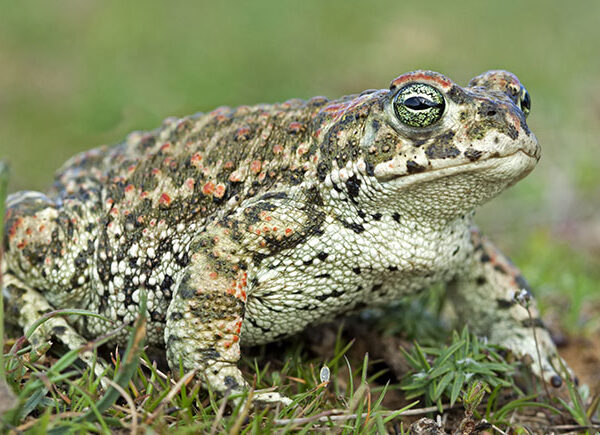
In addition to insect control, toads are indicators of environmental health. They respond quickly to changes in humidity, soil quality, and pesticide levels, making their presence a natural barometer for sustainable garden practices.
Leaf litter and compost piles are particularly attractive to toads. These areas retain moisture, attract insects for food, and provide shelter from daytime heat and predators, enhancing your yard’s suitability as a safe haven for amphibians.
Toads’ nocturnal activity complements other natural pest management methods. While birds hunt during the day, toads work at night, maintaining a round-the-clock defense against insects without human intervention or artificial chemicals.
Creating shaded areas with dense plantings or strategically placed pots benefits both toads and other wildlife. The microclimate produced by shade, moisture retention, and shelter supports a diverse community of insects, amphibians, and small mammals.
Observing toads can be educational and rewarding. They demonstrate natural predator-prey dynamics, highlight the importance of biodiversity, and allow gardeners to appreciate the complexity of even a small backyard ecosystem.
Even small garden modifications can make a difference. Rock piles, shallow depressions for water, and native plantings create habitats that attract toads and other beneficial wildlife while enhancing the beauty and functionality of your yard.
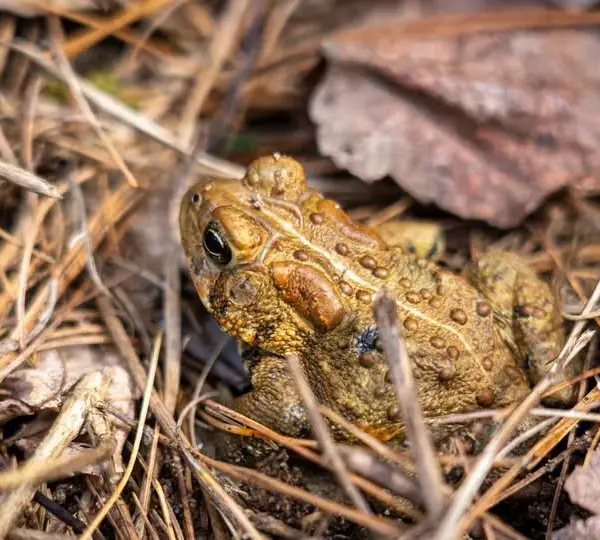
Toads are generally solitary and low-maintenance. They do not require feeding by humans, can thrive in natural conditions, and contribute to pest control with minimal disruption, making them ideal allies for ecologically conscious gardening.
Their presence encourages reduced reliance on chemical pesticides. By consuming insects naturally, toads limit damage to plants and flowers while supporting sustainable gardening practices, benefiting both the environment and human health.
Breeding toads also increase genetic diversity in suburban areas. When ponds, puddles, or temporary water sources are available, toads reproduce, producing eggs and tadpoles that eventually mature and continue the local amphibian population.
The subtle movement of toads in your garden enhances ecological awareness. Observing them feeding, moving through leaf litter, or interacting with their environment fosters respect for nature and highlights the importance of habitat preservation.
Toads’ contribution to insect population control is particularly valuable in organic gardens. Their consistent consumption of pests like slugs, flies, and beetles reduces plant damage and promotes higher crop yields and healthier ornamental plantings.
Even passive observation of toads can increase mindfulness in outdoor spaces. Their calm, deliberate movements remind gardeners of natural rhythms, encouraging sustainable practices and reducing the urge to use harsh, environmentally harmful chemicals.
Toads’ nocturnal calls during breeding season also contribute to the auditory landscape of a garden. Listening to these gentle croaks connects humans to seasonal cycles, signaling both the health of the ecosystem and the presence of thriving amphibians.
Maintaining a toad-friendly garden requires minimal effort. Consistent watering, natural debris, shaded areas, and chemical-free practices create conditions that attract and sustain toads while promoting a balanced, resilient backyard ecosystem.
By supporting toads, you support a complex web of life. Insects, soil organisms, amphibians, and even birds interact within the microhabitat you’ve created, resulting in a dynamic, self-regulating environment that thrives with minimal human interference.
Toads are gentle, unobtrusive residents. They rarely pose risks to humans or pets, yet provide valuable ecological services, demonstrating how even small creatures can contribute to healthier, more sustainable outdoor spaces.
Over time, the presence of toads can help reduce the overall insect population naturally. Their feeding patterns target harmful pests while sparing pollinators like bees and butterflies, maintaining ecological balance in your garden.
In addition to practical benefits, toads bring aesthetic and emotional value. Watching their movements, listening to calls, and noting their seasonal appearances creates a sense of connection to nature that many gardeners find calming and rewarding.
Toads’ ability to thrive in suburban and urban environments demonstrates adaptability. When gardens provide essential resources such as moisture, shelter, and food, amphibians like toads integrate seamlessly, reinforcing the health and diversity of local ecosystems.
Creating toad-friendly spaces aligns with broader environmental goals. By supporting amphibians, gardeners contribute to biodiversity, minimize pesticide use, and promote sustainable practices that benefit both wildlife and human communities over the long term.
Their subtle, watchful presence provides reassurance. Toads silently patrol the garden, reducing pests, conserving plant health, and reminding humans of the interconnectedness of life in even the smallest backyard spaces.
In conclusion, welcoming toads into your yard reflects thoughtful, sustainable gardening. Moist soil, shaded refuges, and abundant insects invite these amphibians, whose presence supports natural pest control, promotes biodiversity, and enriches your outdoor environment meaningfully.
