
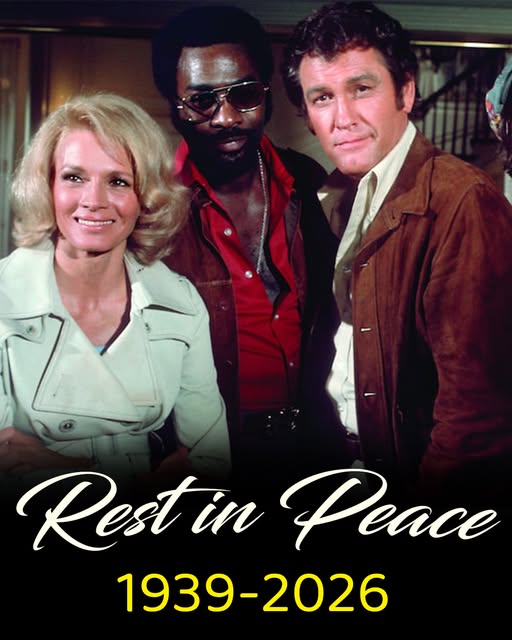
The passing of Ed Bernard marks the quiet close of a career defined not by spectacle or constant headlines, but by consistency, professionalism, and a lasting contribution to television and film.
Best known for his roles as Detective Joe Styles on Police Woman and Principal Jim Willis on The White Shadow, Bernard passed away at the age of 86.
His family confirmed that he died on January 23 in Northridge, California, bringing to a close a life that extended far beyond his work on screen.
For many viewers, Bernard was a familiar and reassuring presence throughout the 1970s, a time when television was evolving to include more complex characters and socially relevant storytelling.
During this era, actors like Bernard helped bridge the gap between traditional entertainment and more thoughtful, issue-driven narratives that reflected the changing cultural landscape of the United States.
Although widely recognized for his acting, those closest to him describe a man whose personal life was rich with curiosity, learning, and meaningful relationships that extended well beyond his professional achievements.
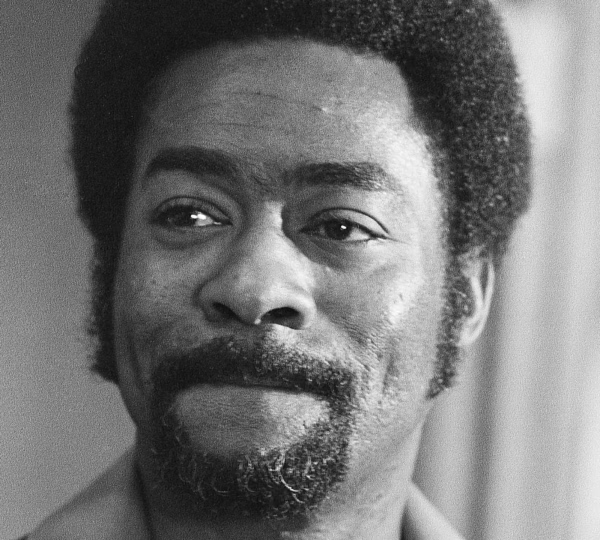
In a statement, his family emphasized that while audiences knew him as a performer, they experienced him as a devoted father, a proud grandfather, and a thoughtful individual with wide-ranging interests.
They also described him as someone who appreciated life’s simple pleasures, including a love for food, particularly sushi, as well as a strong interest in maintaining a healthy lifestyle.
Bernard was also remembered as a lifelong learner, someone who remained curious about the world and continued to grow intellectually and spiritually throughout his life.
Born on July 4, 1939, in Philadelphia, Bernard’s early life laid the foundation for a career that would eventually span several decades across stage, film, and television.
His entry into the entertainment industry began in theater, where he developed his craft and gained valuable experience performing in live productions that demanded discipline and versatility.
One of his early notable appearances came in the off-Broadway production of Five on the Black Hand Side, which helped establish his presence as a capable stage actor.
This theatrical background proved essential as he transitioned into film and television, providing him with the skills needed to adapt to different roles and performance styles.
Bernard made his film debut in Shaft, a landmark film in the blaxploitation genre that introduced him to a wider audience.
He continued to build his film career with roles in Across 110th Street and The Hot Rock, demonstrating his versatility across different types of stories.
While these early film appearances helped establish his credentials, it was television that ultimately became the primary platform for his work and the source of his lasting recognition.
His breakthrough came through the anthology series Police Story, particularly in the episode titled “The Gamble,” which introduced audiences to his portrayal of Detective Joe Styles.
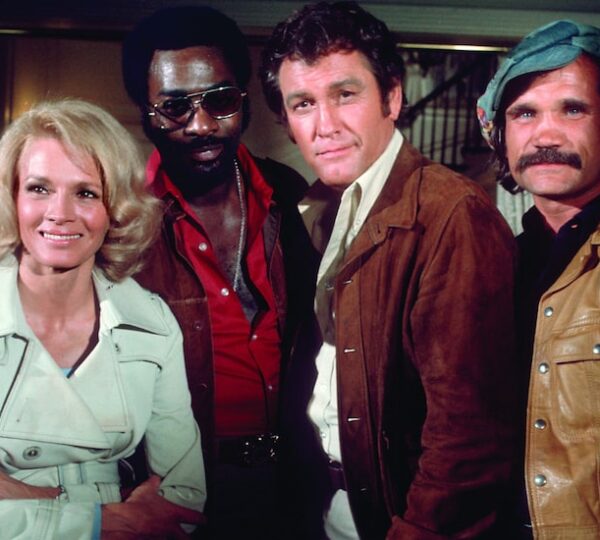
The success of that episode led to the creation of Police Woman, where Bernard reprised his role alongside Angie Dickinson, who starred as Sergeant Pepper Anderson.
When Police Woman officially premiered in 1974, it quickly became notable for its groundbreaking focus on a female lead in law enforcement, a relatively rare concept at the time.
Bernard’s character, Detective Styles, provided a steady and grounded presence within the series, complementing Dickinson’s performance and contributing to the show’s overall dynamic.
From 1974 to 1978, the series ran for four seasons, during which Bernard appeared in approximately 90 episodes, becoming a consistent and reliable part of the show’s success.
His performance was marked by subtlety and authenticity, qualities that allowed him to portray law enforcement characters in a way that felt both believable and relatable to audiences.
Following his success on Police Woman, Bernard took on another significant role in The White Shadow, a series that combined sports with social commentary in a meaningful way.
The show starred Ken Howard as a former professional basketball player who becomes a high school coach, navigating both athletic and personal challenges.
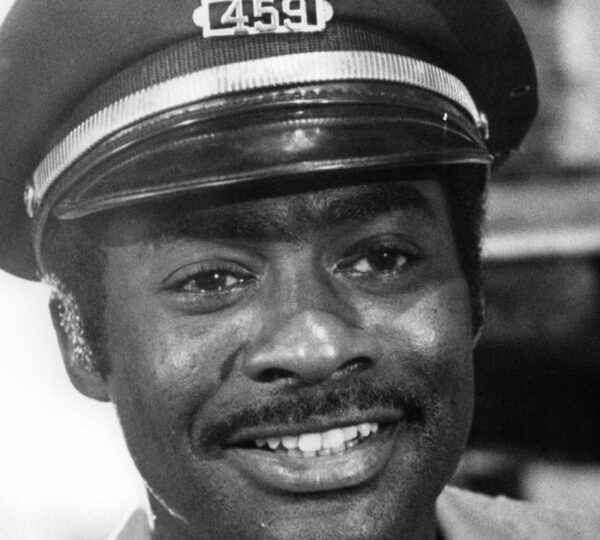
Bernard portrayed Principal Jim Willis, a character who brought authority, balance, and a sense of realism to the fictional Carver High School setting.
His role as principal allowed him to explore themes related to education, leadership, and community, adding depth to a series known for addressing important social issues.
Bernard remained with The White Shadow for its first two seasons, during which his character became an integral part of the show’s narrative structure.
His departure from the series was written as a career move within the storyline, with his character accepting a position with the Oakland Board of Education.
This transition reflected the show’s commitment to thoughtful storytelling, allowing characters to evolve in ways that felt natural and grounded in real-life experiences.
Throughout the following decades, Bernard continued to work steadily, building an extensive résumé that included appearances in numerous popular television series.
These included roles in Kojak, Mannix, and What’s Happening!!, among others.
He also appeared in later series such as T.J. Hooker, NYPD Blue, and ER.
Additional credits included appearances in JAG, Becker, and Cold Case, reflecting his enduring presence in the industry.
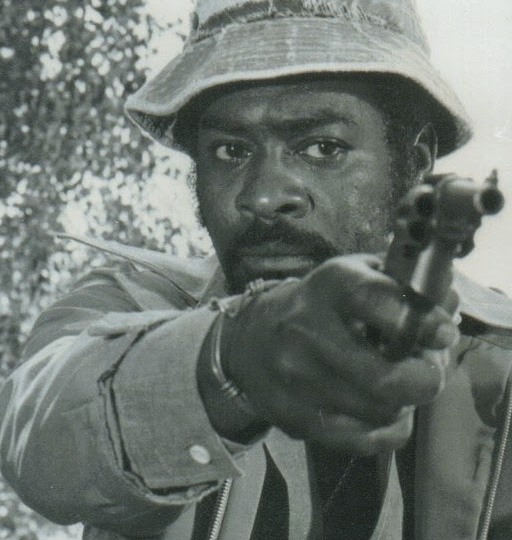
During the 1980s, Bernard also held a recurring role in Hardcastle and McCormick, further solidifying his reputation as a dependable character actor.
In addition to his television work, he appeared in the film Blue Thunder, adding to his diverse portfolio of screen performances.
His final on-screen credit came in 2005, marking the end of a long and steady career that spanned more than three decades in the entertainment industry.
That same year brought personal loss, as Bernard’s wife of 44 years, Shirley, passed away, an event that deeply affected him in his later years.
In recognition of his contributions to film and television, Bernard was later included in the annual In Memoriam tribute by the Academy of Motion Picture Arts and Sciences.
This acknowledgment served as a quiet but meaningful tribute to a career that, while not always in the spotlight, played an important role in shaping the landscape of American television.
Bernard was not known for seeking fame beyond his work, preferring instead to focus on his craft and the roles he brought to life with care and professionalism.
His performances were often characterized by restraint and authenticity, qualities that allowed him to connect with audiences in a subtle yet lasting way.
With his passing, he became the last of the principal cast members of Police Woman to pass away, leaving Angie Dickinson as the sole surviving main star.
He is survived by his sons, Edward and Mark, as well as his four grandchildren, Liz, Joshua, Samantha, and Alexandra, who carry forward his personal legacy.
In many ways, Bernard’s career reflects a type of success that is not always measured by headlines or awards, but by consistency, dedication, and the respect of peers and audiences.
Actors like Bernard form the backbone of the entertainment industry, contributing to its depth and richness through years of steady and reliable work.
His legacy lives on through the characters he portrayed, each one adding to the broader history of television storytelling during a transformative period.
For those who watched him over the years, he remains a familiar presence, a reminder of an era when storytelling was evolving and actors brought sincerity to every role.
Ultimately, Ed Bernard’s life and career stand as a testament to the value of commitment, humility, and the quiet impact of a job done well over time.
