
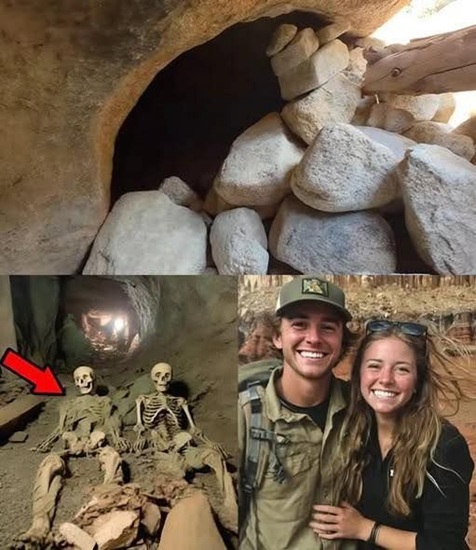
In 2017, John and Melissa Carter, a couple known for their adventurous spirit, set out to explore Utah’s San Rafael Swell.
The area is renowned for its striking red rock formations, vast canyons, and remote, rugged terrain that challenges even experienced hikers and explorers.
Their trip was planned meticulously, with camping equipment and supplies loaded into their four-wheel-drive truck, as they intended to spend several days exploring areas rarely visited by tourists.
Friends and family were aware of the couple’s love for off-road travel and remote landscapes. John, a skilled outdoorsman, and Melissa, passionate about photography and nature, often ventured into wilderness areas, documenting their experiences through journals and photographs for later reflection and sharing.
This journey was meant to be another immersive adventure into one of Utah’s most scenic yet isolated regions.
The San Rafael Swell stretches across nearly 1,000 square miles of desert and rocky ridges, featuring deep canyons carved over millions of years.
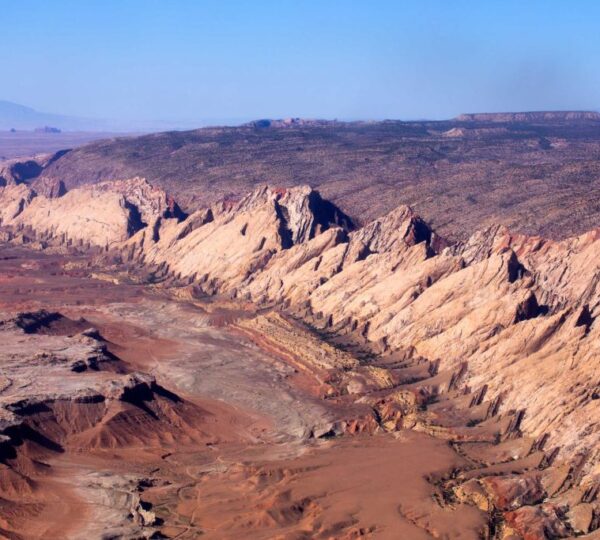
It is sparsely populated, with abandoned mining sites and old trails marking the presence of earlier human activity, often from the uranium and coal mining booms of the mid-20th century. These historical remnants add both intrigue and danger for modern explorers.
Shortly after arriving in the region, John and Melissa disappeared without a trace. Their families, expecting regular check-ins, grew concerned when days passed without communication.
Friends reached out to authorities, prompting search efforts that quickly expanded across the remote desert terrain.
Volunteers and professional teams coordinated in an attempt to locate the couple, but the vastness of the Swell made the search exceedingly difficult.
The Carters’ truck was eventually discovered along a remote trail near Temple Mountain. The vehicle contained camping equipment, personal belongings, and evidence that the couple had intended to explore the area on foot.
Investigators noted that the trail was far from major roads, suggesting the couple had willingly entered a particularly isolated section of the Swell, familiar with the inherent risks of such locations.
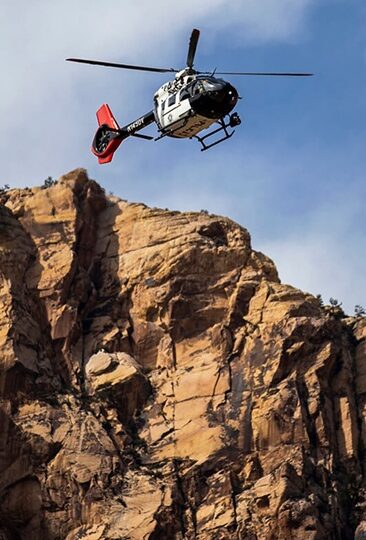
Search teams deployed helicopters to scan the rocky canyons from above while crews on foot navigated narrow passages, dry washes, and abandoned mine entrances.
Despite their efforts, no signs of John or Melissa were found. Weeks passed, and the initial urgency of the search gave way to frustration, as the difficult terrain and sparse clues hindered progress.
Over the years, the case remained open, though no breakthroughs emerged. The disappearance became one of the region’s enduring mysteries.
Family members held on to hope, contacting local authorities periodically and sharing information with investigators whenever new leads surfaced, though none led to a resolution for nearly eight years.
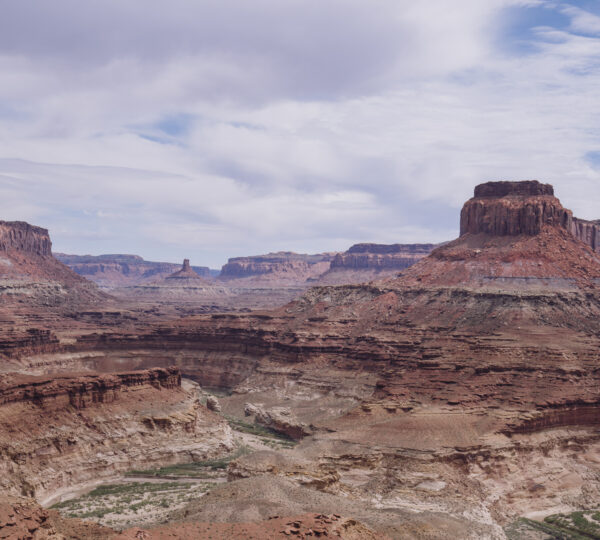
In early 2025, an unexpected discovery brought the case back into public attention. A team of geological surveyors, examining a long-abandoned uranium mine near Temple Mountain, noticed signs that the mine entrance had been disturbed.
The shaft had reportedly been sealed since the 1980s, yet fresh traces indicated human activity in recent years, prompting immediate alerts to authorities.
Investigators carefully entered the narrow mine tunnel, taking precautions due to potential instability and hazardous conditions, including leftover uranium residues and debris. Deep inside, they found John and Melissa Carter seated side by side against the rock wall.
Personal items, such as a backpack, flashlight, and camping supplies, were placed nearby, seemingly untouched and consistent with their 2017 trip preparations.
There were no immediate signs of struggle within the shaft, yet forensic testing later detected traces of sedative substances in both individuals’ systems.
Authorities emphasized that further examination is necessary to determine the exact source and implications.
While the presence of these substances is unusual, investigators are cautious to avoid drawing conclusions without evidence.
Additionally, unusual markings were documented near the mine entrance and deeper inside the tunnel. Footprints, apparently belonging to more than the couple, were observed in the dust, although investigators could not confirm when these tracks were made.
These details remain under close examination as part of the ongoing investigation into the circumstances surrounding the deaths.
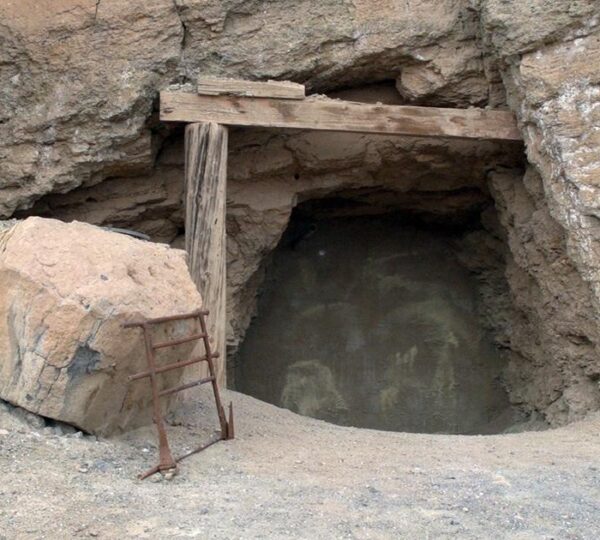
Officials have emphasized multiple possibilities, including accidental entry into the mine, interaction with other individuals, or the influence of environmental hazards.
However, at present, no definitive cause has been publicly confirmed. The evidence continues to be analyzed with attention to accuracy and procedural rigor.
The mine itself is a key focus of inquiry. Records indicate the shaft had been officially closed for decades, yet investigators found clear evidence that the entrance had been reopened.
Determining the timing and responsible parties for this reopening could provide critical context for understanding how the Carters entered and ultimately became trapped in the shaft.
Federal authorities, including the FBI, joined the investigation due to the unusual nature of the case.
Their involvement supports the meticulous collection of evidence, including forensic analysis, photographic documentation, and interviews with individuals familiar with the area, while coordinating with local law enforcement to ensure procedural compliance.
For the Carter family, the discovery provided both sorrow and partial closure. After years of uncertainty, they now know where their loved ones were found.
Nonetheless, questions remain regarding the events that led to their deaths, the role of the mine, and the presence of unexplained substances and markings.
The case has renewed public attention to Utah’s many abandoned mines. Experts estimate that the state contains more than 15,000 such sites, many hidden in remote desert regions.
While most remain undisturbed, these locations can pose serious hazards, from structural instability to residual chemicals, making caution essential for anyone who ventures near.
Abandoned mines are reminders of the region’s mining history, with uranium, coal, and other resources once extracted for economic development.
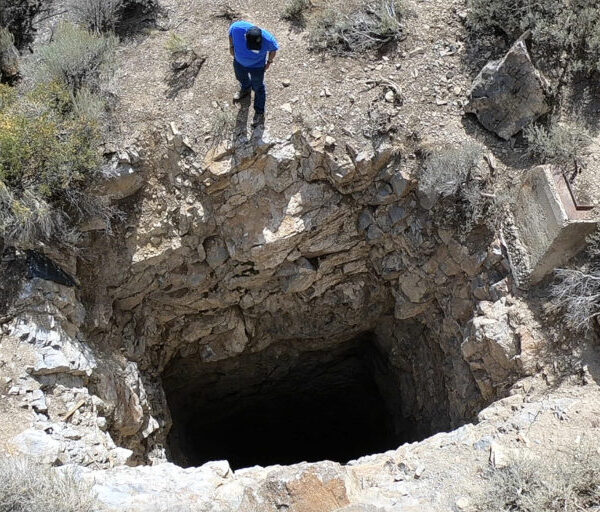
Over time, changing regulations and declining mining operations left countless shafts and tunnels unmonitored, creating potential dangers for explorers unaware of the risks or historical context.
Authorities emphasize the need for public awareness regarding these abandoned sites. While Utah’s desert landscapes are visually striking, the isolation and unpredictable terrain make them inherently risky.
Visitors are urged to respect posted warnings and avoid entering mines, caves, or other unmaintained structures without proper knowledge and safety equipment.
The San Rafael Swell continues to captivate adventurers, scientists, and photographers alike. Its expansive red rock ridges, deep canyons, and isolated desert washes provide unparalleled scenery, yet the very remoteness that attracts visitors also presents dangers that require careful preparation and constant vigilance.
For now, investigators continue their work methodically. Analysis of the Carters’ remains, the environmental conditions inside the mine, and the surrounding area may reveal insights over time.
Authorities stress that patience and adherence to procedural investigation are essential to uncovering the truth behind this long-standing mystery.
As the desert wind moves across the Swell, old mine entrances remain quiet under the sun. Some may appear benign, while others hold hidden hazards.
The story of John and Melissa Carter is a reminder of the delicate balance between adventure and safety, particularly in remote wilderness regions.
While questions about the Carters’ final hours persist, the ongoing investigation demonstrates the importance of careful, evidence-based inquiry.
Every detail, from the mine’s condition to forensic analysis, contributes to a broader understanding, ensuring that any conclusions drawn are rooted in fact rather than speculation.
Experts continue to document and monitor abandoned mining sites across Utah and the western United States.
This work includes mapping, safety assessments, and historical research to prevent future accidents and preserve the knowledge of how these sites interacted with the surrounding environment and human activity.
The discovery of John and Melissa Carter’s remains illustrates both the hazards and the allure of exploration in remote regions.
Their story serves as a cautionary tale for outdoor enthusiasts and highlights the need for comprehensive planning, safety measures, and respect for historical and environmental conditions.
For the community, the case has prompted reflection on the responsibilities associated with wilderness exploration.
Families, search teams, and authorities alike are reminded that adventure carries inherent risks, and preparedness is critical to mitigating potential dangers, particularly in remote and minimally regulated landscapes.
The Carters’ journey, once shrouded in mystery, has now been partially illuminated. While investigators continue to analyze the circumstances, the public is reminded of the complexity of such cases, where natural hazards, historical infrastructure, and human behavior intersect in challenging environments.
Ultimately, the San Rafael Swell stands as both a place of extraordinary natural beauty and enduring mystery. Its vast landscapes hold secrets from the past, stories of exploration and danger, and the quiet reminders of those who ventured too far without full understanding of the risks involved.
Investigators maintain that every discovery, from footprints to personal effects, is treated with meticulous care. Evidence is preserved for analysis, ensuring that the Carters’ story is reconstructed with accuracy, respect, and adherence to the highest standards of forensic science and investigative procedure.
The ongoing inquiry underscores the importance of patience. Even years after a disappearance, new findings can emerge, shedding light on long-unsolved mysteries.
The Carter case is a prime example of how persistence, combined with careful methodology, can provide answers where once there were only questions.
As the investigation continues, families, authorities, and the public alike are reminded of the delicate interplay between human curiosity and environmental realities.
The San Rafael Swell, with its stunning vistas and hidden hazards, exemplifies this tension, offering both inspiration and caution to those who enter its bounds.
For the Carters’ relatives, knowing the final resting place provides a measure of closure, even as the circumstances of their deaths remain under careful examination.
The family has requested that the investigation proceed with thoroughness, allowing professionals to reconstruct events and provide answers in a respectful and deliberate manner.
Ultimately, the story of John and Melissa Carter is one of exploration, tragedy, and enduring mystery. Their experience highlights the beauty and danger inherent in remote wilderness areas and emphasizes the critical importance of preparation, awareness, and respect for both nature and history.
