
As we age, our bodies naturally undergo many changes, from hormone fluctuations to shifts in metabolism, which can affect skin, sweat, and even the way odor develops. Understanding these changes can help older adults feel confident.
Skin becomes thinner and more fragile over time, reducing its natural ability to protect against bacteria and moisture. Sweat glands also function differently with age, which can subtly alter body scent and increase the likelihood of odors forming.
Hormone levels, particularly estrogen and testosterone, shift as people grow older. These changes influence not just mood and energy, but also sweat production and the types of compounds secreted through the skin, affecting odor naturally.
Another key factor is slower skin cell turnover. As older skin sheds dead cells more gradually, buildup occurs more easily. This provides a better environment for odor-causing bacteria, particularly in warm or moist areas that may not be thoroughly dried.
Importantly, age-related body odor does not indicate poor hygiene or lack of cleanliness. Most of the time, it reflects natural biochemical changes. Rigid routines developed years ago may no longer suit the evolving needs of older skin.
Medical experts emphasize that normal odor compounds, interacting with natural skin bacteria, are the primary cause of this scent. It is not inherently unpleasant, yet social perceptions often exaggerate discomfort or embarrassment around older adults.
With gentle adjustments to personal care, it is possible to manage odor effectively. Small daily habits, from washing practices to clothing choices, can make a significant difference without requiring drastic lifestyle changes or harsh chemicals.
Overwashing certain areas, particularly intimate zones, can worsen odor rather than prevent it. Scented soaps, wipes, and internal cleansers disrupt the delicate microbiome, which naturally balances itself, and may trigger irritation or stronger smells over time.
For optimal hygiene, experts recommend using warm water or mild, fragrance-free cleansers externally only. Gentle drying is essential to remove moisture that could encourage bacterial growth, particularly in folds or sensitive areas.
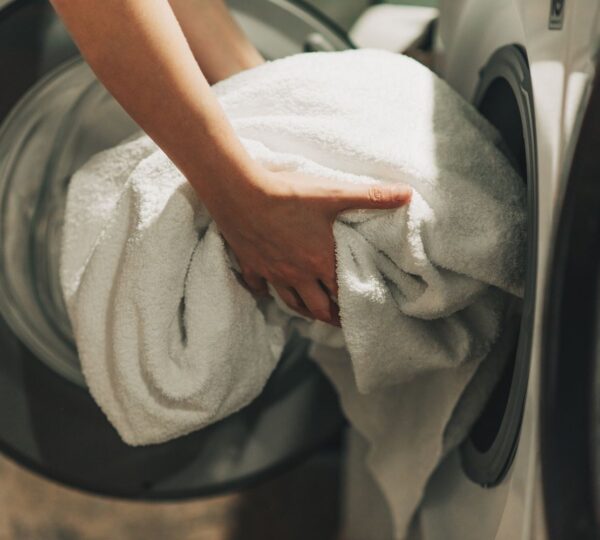
Towels, often overlooked, are frequent culprits. Repeatedly using the same towel without washing allows sweat, skin cells, and bacteria to accumulate, which can transfer back to clean skin, exacerbating odor in subtle but noticeable ways.

Frequent washing of towels, ensuring they dry completely, and keeping the bathroom ventilated are simple steps that can minimize bacteria growth and help maintain a fresher environment in daily routines.
Feet require special attention as well. Being enclosed in socks and shoes for extended periods creates warmth and moisture, ideal conditions for odor-causing bacteria. Without proper care, unpleasant smells and even fungal infections can develop.
Daily washing of the feet, including between the toes, thorough drying, and changing socks frequently helps prevent odor. Weekly exfoliation and the use of antifungal powders can further maintain foot hygiene in older adults.
Even bathroom design choices matter. Flushing the toilet with the lid open can release microscopic droplets into the air, settling on towels, toothbrushes, and other surfaces, creating a subtle but continuous source of odor in bathrooms.
To reduce airborne contamination, it is recommended to close the toilet lid before flushing and to routinely clean surfaces. Adequate ventilation also helps minimize moisture buildup, which supports bacteria growth and contributes to odor.
Sleeping in underwear worn all day traps sweat, skin cells, and bacteria against sensitive skin overnight, creating an environment for bacteria to thrive. Switching to fresh sleepwear can make a noticeable difference in body scent.
Breathable fabrics like cotton or linen allow airflow and reduce moisture accumulation. Some individuals may prefer sleeping without underwear to further minimize odor risks, especially when combined with nightly bathing or washing routines.
The bathroom trash can, though often overlooked, can harbor odor. Used tissues, feminine hygiene products, and disposable wipes gradually release bacteria and scents into the room, particularly if not emptied and cleaned regularly.
A simple maintenance routine—emptying the bin frequently and washing it weekly with soap or a mild vinegar solution—can greatly improve overall bathroom hygiene. A cotton ball with essential oil at the bottom can also help.
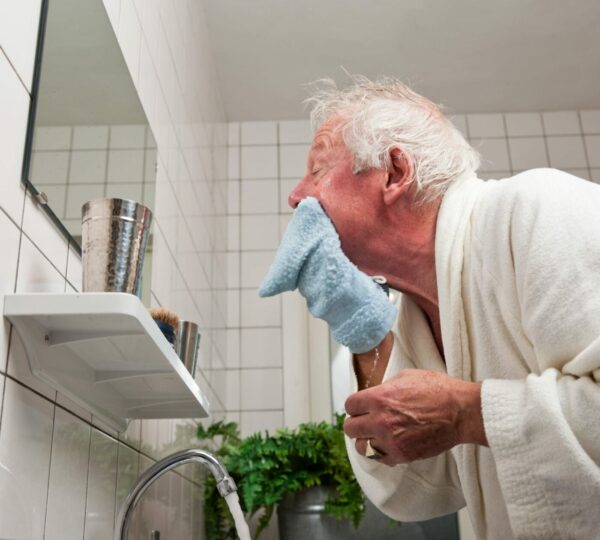
Bathrobes, like towels, accumulate sweat, skin cells, and bacteria with repeated use. Wearing an unwashed bathrobe can reintroduce odors to freshly cleaned skin, subtly impacting personal scent and daily comfort.
Regular washing of bathrobes, ideally weekly, combined with hanging them open to dry in a ventilated space, helps prevent bacteria buildup. Occasional sun exposure adds the benefit of natural antimicrobial effects.
Shaving routines can unintentionally contribute to odor. When hair is removed, dead skin cells, deodorant residue, and bacteria may remain on the skin. Failing to rinse thoroughly can trap these compounds under applied products.
Rinsing thoroughly after shaving and allowing the skin to dry completely before applying deodorant prevents buildup and irritation. This simple step reduces the risk of odor development in sensitive areas like underarms.
Even with careful personal hygiene, some older adults notice a mildly sweet or slightly musty scent. Research indicates that such smells are largely neutral, yet cultural and age-based biases can alter perceptions of them.
A 2012 study highlighted that participants did not find the scent inherently unpleasant. Instead, reactions were influenced by knowledge that the odor originated from an older person, demonstrating how bias shapes social responses to aging.
Adjusting personal care routines according to body changes, rather than ignoring them, is key. This includes choosing gentle cleansing products, maintaining airflow, and monitoring moisture levels in areas prone to bacterial growth.
Diet and hydration also play a role. Proper nutrition supports skin integrity and regulates natural sweat production, while adequate water intake aids detoxification and helps maintain a healthy skin microbiome.
Exercise and physical activity promote circulation, which benefits skin health and reduces stagnant moisture, thereby minimizing conditions favorable for odor-causing bacteria. Regular movement is an underrated part of maintaining a fresh scent.
Clothing choices impact body odor significantly. Synthetic fabrics may trap sweat, whereas natural fibers like cotton, wool, or bamboo allow air circulation, reducing bacteria proliferation and supporting odor control for older adults.
Layering clothing and changing garments after prolonged wear ensures moisture does not accumulate. Frequent washing with mild detergents and avoiding heavily perfumed products preserves the skin’s natural balance and prevents irritation.
Even oral hygiene contributes to overall body scent. Poor dental care may not cause body odor directly but can lead to halitosis, which affects personal interactions and can compound perceptions of age-related scent.
Regular brushing, flossing, and dental checkups are essential for maintaining oral health, which complements efforts to manage overall body hygiene and prevents social embarrassment related to odor.
Footwear hygiene also matters. Shoes absorb sweat and bacteria over time. Rotating shoes, using moisture-absorbing inserts, and airing footwear helps prevent odors from transferring to socks or floors in the home.
For individuals with sensitive skin, patch testing new hygiene products and avoiding strong fragrances minimizes irritation, which can exacerbate bacterial growth and odor, especially in areas prone to moisture accumulation.
Gentle deodorants or antiperspirants formulated for older adults help balance sweat and bacterial activity without overly harsh chemicals that might strip the skin or trigger irritation.
Regular checkups with healthcare providers are important if noticeable changes in body odor occur. Sudden, strong, or unusual odors may indicate underlying health issues that need medical attention.
Cultural perceptions often amplify embarrassment around natural changes in body scent. Education and understanding can reduce stigma, allowing older adults to feel comfortable maintaining hygiene and participating in social activities confidently.
Community support, open discussion, and accessible hygiene products designed for older skin can improve quality of life, prevent discomfort, and empower individuals to adapt routines to evolving bodily needs.
By combining careful bathing, proper clothing, footwear hygiene, hydration, nutrition, and gentle personal care, most older adults can manage body odor effectively, preserving dignity and comfort throughout daily life.
Ultimately, age-related body odor is a natural, biological process. With minor adjustments to routines, it can be addressed effectively, and older adults can continue to live confidently and comfortably without embarrassment.
