
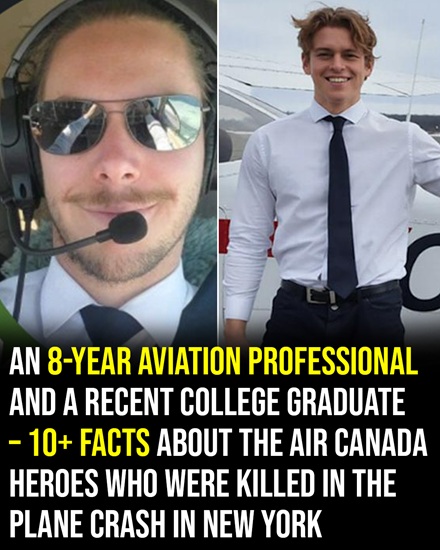
They came from different corners of Canada, shaped by unique journeys, different families, and separate rhythms of life. Each had ambitions and challenges that had guided them toward the skies long before that Sunday evening.
Yet fate aligned in a way no one could have predicted. On that quiet Sunday, both men ended up in the same cockpit, sharing responsibility for hundreds of lives in a fleeting and tragic moment of history.
The crash at LaGuardia Airport shocked communities far beyond New York. Reports confirmed that an Air Canada Express CRJ-900 collided with a fire truck on the runway, leaving both pilots dead and dozens of others injured.
Forty-one people were taken to nearby hospitals. Many endured minor and moderate injuries, but the chaos of that moment left psychological scars for passengers and crew, creating memories that will last far beyond news headlines.
Behind the statistics were two men, each with distinct stories and aspirations, whose training, dedication, and decisions in the final seconds became far more significant than the tragedy itself.
Antoine Forest, 29, was from Coteau-du-Lac, Quebec, a small town where everyone knows each other. His loss reverberated immediately, transforming the news from distant reporting into a deeply personal grief for neighbors and friends alike.
His path to aviation was built on determination. Starting with small bush planes, he learned aircraft maintenance and operations meticulously, gaining experience through long hours before moving on to Air Saguenay and Canadian Helicopters Limited.
Forest later joined Exact Air, gradually accumulating flight hours and knowledge. “He was unstoppable,” his great-aunt said. “He studied constantly, flew whenever possible, and never settled for anything less than mastery of his craft.”
He had first flown a plane at sixteen, demonstrating both talent and a deep passion for aviation that only grew as he matured. Each milestone reflected careful dedication and an enduring dream realized step by step.
By 2022, Forest became a first officer at Jazz Aviation, marking a significant achievement after years of quiet persistence. His life outside the cockpit mirrored his professional drive, full of adventure and a love for nature.
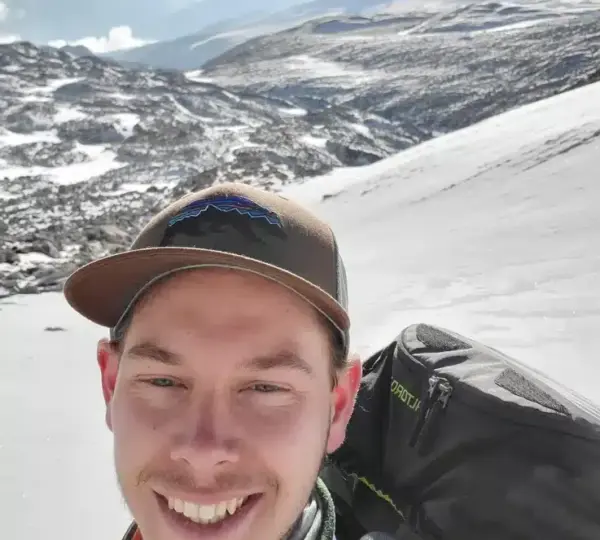
He hiked, kayaked, sailed, and climbed, engaging fully with the world around him. Living both on the ground and in the air with intensity, he pursued a life defined by energy, curiosity, and genuine joy in every experience.
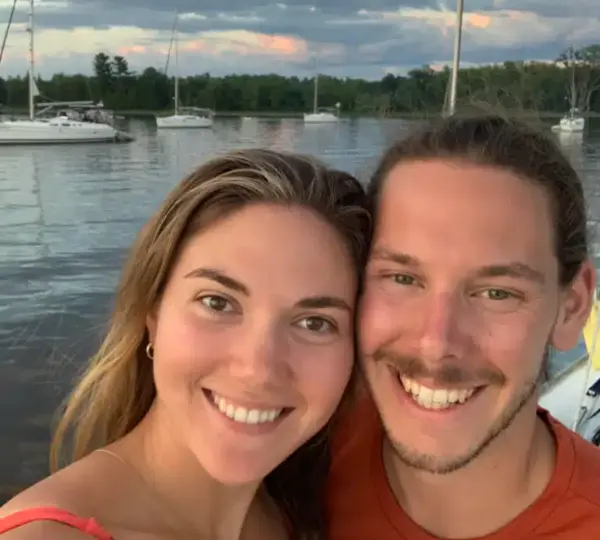
Forest’s personal life was equally vibrant. His partner, Kahina Gagnon, herself a pilot, described him simply as “the love of my life,” a message shared shortly after the crash alongside their photo, highlighting the depth of their connection.
Beside Forest that evening sat Mackenzie Gunther, a young man at the very start of his aviation journey. Unlike Antoine, Mackenzie’s career had only just begun, yet he had already demonstrated exceptional commitment and focus.
A 2023 graduate of Seneca Polytechnic, Mackenzie had earned his aviation degree and immediately joined Jazz Aviation through their Pathways Program, fulfilling a lifelong dream of entering the cockpit with professionalism and discipline.
His story was defined by gradual, steady progress rather than dramatic leaps. Co-op placements, part-time work, and consistent learning paved the way for his professional future, reflecting resilience and patience that few outside aviation fully appreciate.
Friends and acquaintances remembered Mackenzie not only for his ambition but also for his kindness and warmth, qualities that left impressions far beyond his technical accomplishments or professional milestones.
A local coffee shop owner recalled: “MacKenzie was an amazing young man… he was really excited about flying.” That enthusiasm extended to everyone around him, reflecting genuine curiosity and an infectious positivity that brightened ordinary moments.
He had recently married and had plans for the future. A young life filled with potential, full of personal milestones and career ambitions, yet tragically cut short in mere moments, leaving family and friends grappling with disbelief.
The events on the runway unfolded faster than anyone could comprehend. Air traffic control audio reveals urgent communications, split-second decisions, and extreme pressure, where hesitation could have made the difference between life and death.
Amid that chaos, both pilots acted decisively. Reports indicate they engaged reverse thrust—a critical maneuver likely reducing the severity of the impact and preventing further loss of life both onboard and on the runway.
While neither survived, their actions directly saved others. Passengers recount that their survival depended on the professionalism, calm judgment, and rapid decisions made during the final critical seconds of the incident.
Passengers described something more human than procedure: calm voices, clear communication, and a sense of control under unimaginable pressure, signaling reassurance even as everything around them seemed to collapse in chaos.
In disasters, outcomes are often measured in numbers: casualties, injuries, and property damage. But meaning is measured differently, in moments when human action alters the trajectory of fate in tangible and lasting ways.
In Montreal, Coteau-du-Lac, Toronto, and across aviation communities, grief is profound. Families mourn in silence where voices used to be, and colleagues are left with empty spaces in cockpits, training rooms, and hallways of aviation offices.
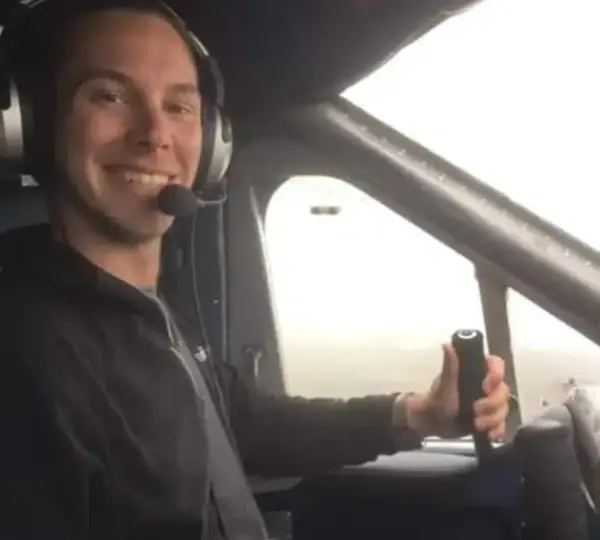
Yet alongside grief comes recognition: acknowledgment of responsibility, professionalism, and courage. Antoine and Mackenzie, from distinct backgrounds, converged at a single moment, acting with skill and integrity when it mattered most.
One passenger described their actions simply: “They are heroes.” Unlike overused headlines, this praise came from individuals whose lives were spared by the choices made in those final seconds.
The pilots’ legacy is not only in training, certifications, or technical knowledge. It is in quiet endurance, professionalism under pressure, and the demonstration that lives can be preserved when skill meets responsibility in a moment of crisis.
Antoine Forest’s journey began in a small Quebec town and culminated in the cockpit of a commercial airliner, years of steady work, bush flights, and dedication converging into a career defined by persistence, skill, and professionalism.
Mackenzie Gunther’s path, in contrast, was at its beginning. A young graduate, full of potential and ambition, he embodied the promise of the next generation, already contributing to the safety and operational excellence of modern aviation.
Their combined experience and action on the runway exemplify the intersection of preparation and courage. Years of training, education, and accumulated knowledge translated into critical decision-making in real-time life-and-death circumstances.
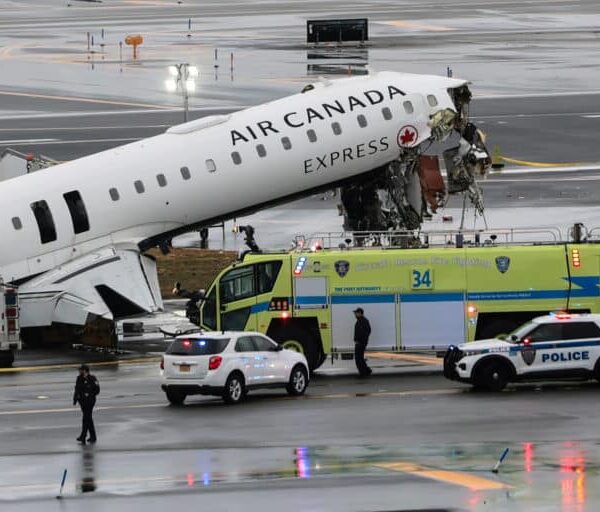
The crash itself was devastating: the collision with a fire truck, the overturned aircraft, and the immediate chaos left survivors shocked and authorities scrambling to provide emergency care, a vivid illustration of how fragile life can become in seconds.
Forty-one passengers required hospitalization, and first responders worked tirelessly to ensure all individuals received immediate care. While most injuries were not life-threatening, the psychological impact of the event will resonate for years.
The aviation community has mourned deeply. Colleagues reflect on Antoine’s determination and Mackenzie’s enthusiasm, sharing stories that humanize the pilots beyond statistics and professional achievements, emphasizing their character and contributions to aviation culture.
In Quebec, Coteau-du-Lac residents honored Antoine’s life, sharing memories of his kindness, humor, and relentless dedication to aviation, highlighting the deep connections he formed with his family, friends, and local community.
In Toronto and elsewhere, Mackenzie’s family, friends, and coworkers celebrated his generosity, optimism, and early professional achievements. Despite his brief career, he inspired peers with his work ethic and the way he carried himself.
Both men displayed calm, methodical responses during extreme stress, an embodiment of training, personal discipline, and instinct. These qualities prevented further catastrophe, demonstrating how human skill complements technological safeguards.
Passengers described hearing steady, reassuring voices during moments of confusion and terror, a testament to the pilots’ ability to maintain composure, ensuring survival and minimizing panic, even when their own lives were in imminent danger.
Emergency responders confirmed that rapid actions, including reverse thrust maneuvers, likely mitigated the impact for both the passengers and firefighters on the runway, exemplifying how preparation meets courage during unforeseen emergencies.
Families and communities continue to grieve, holding vigils, sharing photos, and recounting memories that honor the full lives of Antoine and Mackenzie, emphasizing that human connection extends beyond professional roles and tragic headlines.
The pilots’ legacy also educates future aviators. Training programs can use their actions to illustrate professionalism under extreme pressure, emphasizing the importance of calm decision-making, situational awareness, and teamwork in crisis situations.
Across social media and news platforms, tributes highlight character, training, and humanity rather than mere accident statistics, reflecting society’s desire to remember the people behind the events rather than reducing them to numerical outcomes.
Antoine’s love for adventure, Kahina’s tribute, and Mackenzie’s early promise illustrate the intersection of personal passion, professional dedication, and the unpredictable forces of life, emphasizing the fragility and beauty of human experience.
The story underscores how aviation safety relies not only on machinery but on human judgment, skill, and ethics. Pilots’ decisions, even in seconds, can profoundly influence outcomes and prevent further tragedy.
Communities connected to both men reflect on lessons of responsibility, preparedness, and courage, showing that remembrance can inspire positive change in safety culture and strengthen bonds between families, friends, and professional networks.
Though Antoine and Mackenzie are gone, their actions resonate. The calm, skilled responses in their final moments continue to save lives, ensuring their legacy is measured in survival, gratitude, and lessons for generations of aviators.
Ultimately, this tragedy reveals more than loss; it highlights the profound impact of human choice in critical moments. Antoine and Mackenzie’s stories demonstrate courage, professionalism, and humanity amid chaos, shaping how survivors and communities remember that day.
In the cockpit that evening, two men from distinct journeys acted with focus, skill, and integrity. Their final decisions prevented further catastrophe, leaving survivors with a memory of professionalism, reassurance, and life preserved under pressure.
For passengers, family, and communities, the legacy is clear: bravery is measured not in headlines but in action, presence of mind, and selfless dedication to others in moments when every second matters.
In remembering Antoine Forest and Mackenzie Gunther, we honor their lives, their choices, and the quiet heroism displayed. Their legacy transcends tragedy, emphasizing skill, kindness, and courage as enduring qualities that define human character.
Their stories are now inseparable from the lives they touched and the people they saved. From Quebec to Toronto and beyond, the impact of their final moments continues, a testament to preparation, professionalism, and humanity.
