
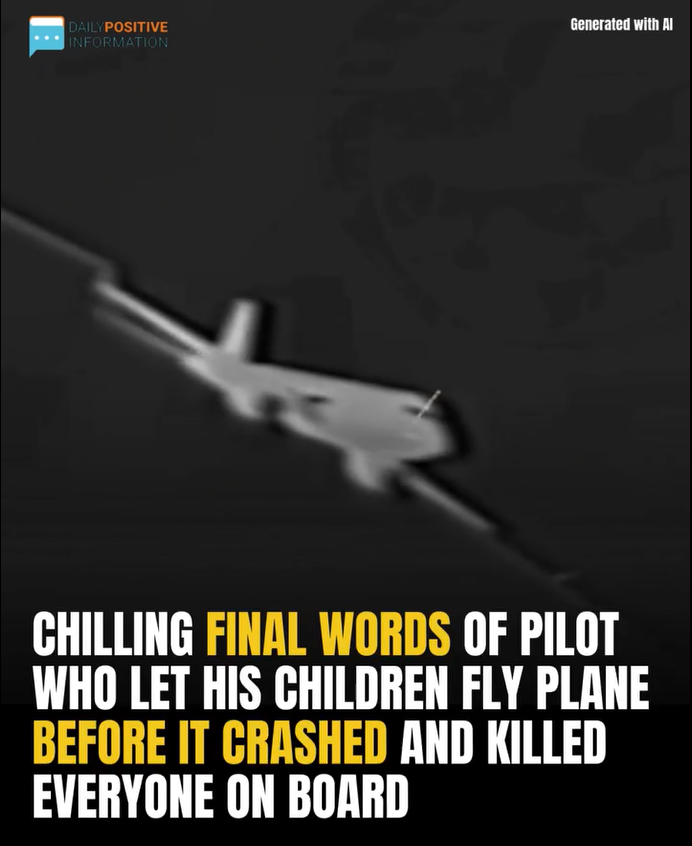
On 23 March 1994, Aeroflot Flight 593, a scheduled passenger flight from Sheremetyevo International Airport in Moscow, Russia, to Kai Tak Airport in Hong Kong.
Ended in tragedy when the aircraft crashed into a remote mountain range in Kemerovo Oblast, Russia, killing all 75 occupants — 63 passengers and 12 crew members — on board.
The crash shocked the aviation world not only for its fatal outcome, but for the unusual chain of events documented by flight recorders that revealed how a seemingly innocent decision led to a fatal loss of control.
Contrary to initial assumptions of a technical malfunction, investigators ultimately concluded that human error and a violation of basic safety protocols were central to the cause of the accident.
The Flight Crew and Aircraft
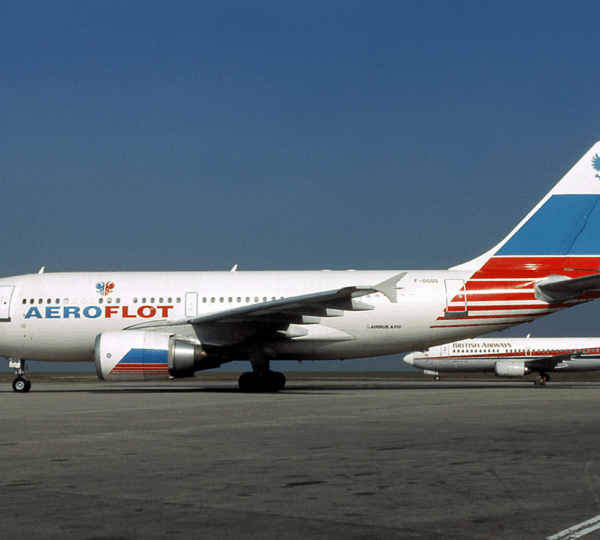
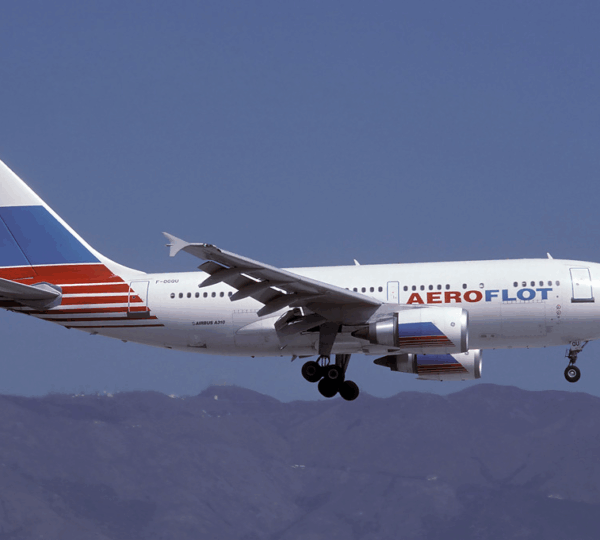
The aircraft involved was an Airbus A310‑304 registered as F‑OGQS, operated by Aeroflot — Russian International Airlines. The A310 was a modern, wide‑body commercial airliner equipped with an advanced autopilot system typical for long‑distance international flights.
The flight crew consisted of experienced pilots:
-
Relief Captain Yaroslav Vladimirovich Kudrinsky,
-
First Officer Igor Vasilyevich Piskaryov, and
-
Captain Andrey Viktorovich Danilov.
All three pilots were skilled professionals with extensive flying experience. Their aircraft was cruising at flight level 330 (33,000 feet) when the events leading to the crash began.
A Decision That Defied Protocol
During the flight’s cruise phase, Relief Captain Kudrinsky — who was traveling with his family — made a decision that violated Aeroflot safety procedures and standard industry practice: he brought his two children, 13‑year‑old daughter Yana and 15‑year‑old son Eldar, into the cockpit while the aircraft was still en route and the autopilot was engaged.
Allowing passengers — especially young, untrained individuals — into the flight deck is strictly prohibited for safety reasons.
Even in situations where access is sometimes permitted on the ground or during taxiing, there are clear regulations enforcing that only qualified personnel may manipulate the flight controls at altitude, and that cockpit access must be tightly controlled.
Kudrinsky’s children were on their first overseas trip, and he hoped to give them an unforgettable experience. He invited them to sit in the pilot’s seat while the autopilot maintained control of the aircraft.
The Autopilot Interruption
Initially, Kudrinsky’s daughter Yana sat in the left‑hand captain’s seat for a few minutes without incident. To enhance the illusion that she was actively controlling the aircraft.
Kudrinsky subtly adjusted the autopilot’s heading so that the plane appeared to turn under her “control,” even though she was not truly manipulating the controls.
Shortly thereafter, once Yana’s turn ended, Kudrinsky’s son Eldar took the pilot’s seat.
Unlike his sister, Eldar applied enough force to the control column that the aircraft’s flight computer interpreted his input as a command to change the flight controls.
This input happened even though the autopilot was engaged. Because of how the Airbus A310’s autopilot system is designed, a sustained force of sufficient magnitude on the control column automatically disengages the autopilot’s lateral (aileron) control function.
For approximately 30 seconds, the boy’s inputs conflicted with the autopilot’s commands. Eventually, the system responded by disconnecting the autopilot’s aileron control, leaving the plane in a dangerous hybrid state where lateral control was transferred to manual mode while the autopilot retained other functions.
At this point, a small indicator light illuminated to warn the crew of the partial disengagement. However, because Soviet‑trained pilots were used to aircraft with audible warning signals, they apparently failed to notice the silent visual cue on the advanced Airbus avionics — a critical oversight that would prove fatal.
Loss of Control and Final Moments
Once the autopilot’s lateral control was disengaged, the aircraft began to bank gradually to the right. Because the pilots did not immediately recognize the autopilot’s status change, the bank angle increased continuously beyond normal cruise limits.
Within seconds, the angle of bank became extreme — reaching close to 90 degrees. At such angles, the aircraft could no longer maintain altitude safely, and the nose began to drop, initiating a steep descent.
The relief captain realized the danger and reportedly shouted at his son, urging him to move away from the controls and return to the back of the plane. Recordings from the cockpit voice recorder contain his warning: “Eldar, get away. Go to the back, go to the back Eldar! You see the danger, don’t you? Go away, go away. I tell you to go away!”
The flight crew then attempted to regain control of the aircraft. They managed, through a combination of manual inputs, to pull the aircraft out of its initial dive, but in doing so they over‑corrected and caused the aircraft to climb steeply.
A steep climb at low altitude can cause an aircraft to stall — a condition where the wings no longer produce sufficient lift to support flight. That is what occurred next: the A310 entered a stall and then began to spin, losing even more altitude.
Despite their best efforts and brief moments of regained control, the aircraft had descended too far to recover fully.
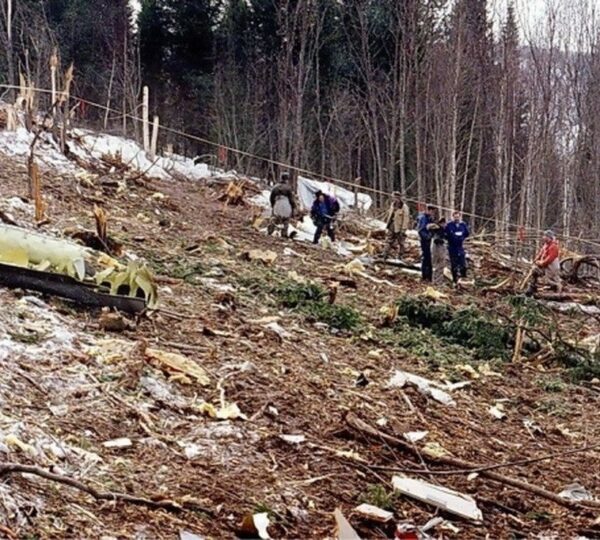
In the final phase of the accident sequence, the airliner impacted terrain in the remote Kuznetsk Alatau mountain range near Mezhdurechensk, Russia, at approximately 00:58 local time. All 75 people aboard died on impact.
Investigation Findings and Official Conclusions
Investigators from the Russian aviation authorities, working with data from both the flight data recorder and the cockpit voice recorder, concluded that there was no evidence of any technical malfunction prior to the crash.
Instead, the accident resulted from a series of human factors and procedural violations:
-
Unauthorized cockpit access: Allowing two minors to enter and sit at the controls during flight was a violation of basic aviation safety protocols.
-
Autopilot disengagement: The teenager’s inputs inadvertently caused the autopilot’s lateral control to disengage, triggering unstable flight behavior.
-
Warning oversight: The lack of audible alerts in critical Airbus systems — compared with Soviet‑designed aircraft — meant the silent indicator light alerting autopilot disengagement went unnoticed.
-
Delayed recognition: The pilots did not recognize the loss of autopilot control quickly enough to counter the increasingly steep bank and prevent a stall.
-
Inappropriate control inputs: Attempts to recover the aircraft from the stall and descent led to over‑corrections that ultimately worsened the situation.
Investigators also noted that the pilots had relatively limited experience with Airbus aircraft compared with Soviet‑built jets familiar to them, including differences in cockpit alerting systems and automated flight‑control cues.
Aftermath, Public Reaction, and Security Protocols
In the immediate aftermath of the crash, Aeroflot initially denied that the children had been in the cockpit at the time of the accident.
However, this was later acknowledged when transcripts from the cockpit voice recorder were published in Russian media several months after the incident, confirming the presence of the pilot’s children and revealing their role in the sequence of events leading up to the crash.
The tragedy sparked widespread discussion in the aviation community and beyond about cockpit discipline, access rules, and automation‑management training. The crash highlighted the dangers of allowing unauthorized individuals in a flight deck during critical phases and how differing cockpit alert systems can affect pilot situational awareness.
In the years following Flight 593, commercial airlines around the world tightened enforcement of cockpit access policies and emphasized stricter adherence to established safety procedures.
After the terrorist attacks on September 11, 2001, cockpit security standards were further strengthened globally, with reinforced doors and rigid regulations regarding cockpit access.
Human Cost and Legacy
The impact of the Aeroflot Flight 593 crash was felt deeply by the families of all 75 victims and by the global aviation community.
The loss serves as a sobering reminder that modern aircraft, no matter how technologically advanced, rely on disciplined adherence to operating procedures and the vigilance of trained professionals to maintain safety.
In popular culture, the accident has been remembered and analyzed in various documentaries and crash‑investigation series, including an episode titled “Kid in the Cockpit” on the long‑running aviation documentary program Mayday (also known as Air Crash Investigation).
Conclusion: A Preventable Tragedy
The Aeroflot Flight 593 disaster remains one of aviation’s most unusual tragedies: a routine international flight that ended in catastrophe not because of technical failure, weather, or sabotage, but due to a series of preventable human misjudgments and regulatory lapses.
The chain of events — from a pilot’s decision to show his children the cockpit, to the unintended disengagement of the autopilot, to the delayed recognition of the resulting unstable flight conditions — underscores the inseparable relationship between technology and human factors in aviation safety.
Today, Flight 593 is studied by pilots, safety investigators, and aviation students worldwide as a case that helped reinforce the absolute importance of cockpit discipline, regulated access, and strict compliance with operating procedures — safeguards that exist to protect passengers and crews alike.
