
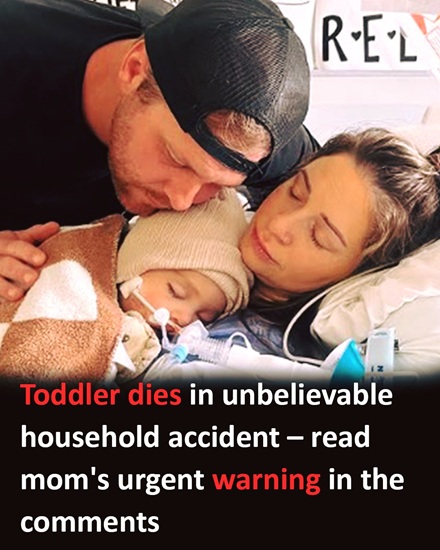
Lindsay Dewey, a devoted mother of three from Idaho, never anticipated sharing the most painful experience of her life.
But after losing her 22-month-old son in a household accident, she feels compelled to warn other parents. The tragedy occurred in what seemed like an ordinary day at home.
Lindsay, a stay-at-home mother, was going about daily chores while her children played nearby. One small, innocent action by her son Reed would forever change their lives.
Reed, her curious toddler, was playing with a suction cup bowl, pressing it against a large mirror and tugging it back and forth. Lindsay described it as typical toddler exploration, unaware that danger was looming just inches away.
In a matter of seconds, the unthinkable happened: the mirror, large and heavy, detached and fell onto Reed. Lindsay, in shock, recounted that she didn’t hear him playing until the crash occurred, a moment she will never forget.
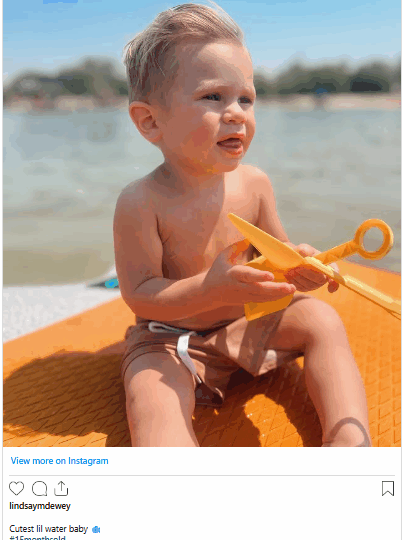
“I never even heard him playing by the mirror – until I heard it fall and then within five seconds I lifted it off of him,” Lindsay wrote on Instagram, capturing the instantaneous horror of the moment.
Initially, Lindsay believed Reed had been startled rather than seriously injured. But it quickly became clear that he had sustained a fractured skull and a severe traumatic brain injury, the consequences of the accident immediately apparent.
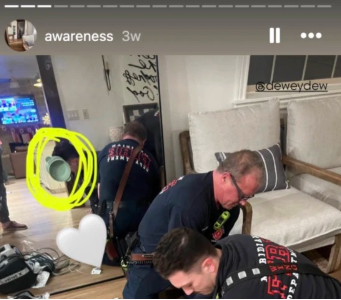
Emergency responders arrived on the scene within six minutes. Despite their swift action and advanced medical care, Reed could not be saved, leaving Lindsay and her family to grieve an unimaginable loss in the comfort of their home.
The mirror had not been designed to be mounted or anchored. Its substantial size and weight had led Lindsay and her firefighter husband to believe it posed little threat, making the accident even more devastating and unexpected.
Adding to the tragic circumstances, an accent chair that normally sat in front of the mirror had been moved after their dog had an accident on the rug, inadvertently allowing Reed access to the area and increasing the risk of the catastrophic incident.
Lindsay openly shared her shock, writing, “We both are still in complete shock that this is what took our baby from us. We’re only sharing this because we don’t want this happening to anybody.” Her words reflected both grief and hope.
Despite overwhelming sympathy, Lindsay has faced criticism online. Some strangers have blamed her for not supervising Reed more closely, a response she finds painful and confusing given the extraordinary and unforeseen nature of the accident.
“I was so confused as to how this could have happened. There was no way our son was strong enough to move it, let alone make it fall. And since we knew that, we didn’t feel it was urgent to anchor it,” she explained.
Choosing to share such intimate details was not easy. Lindsay weighed the emotional cost of reliving the tragedy against the potential to prevent similar accidents, ultimately deciding that raising awareness could save lives.
“If sharing this can save one child’s life, it’s worth it,” she said, emphasizing that her primary motivation is preventing other families from experiencing the heartbreak that has forever altered her own.
Lindsay’s grief for Reed is evident in her social media posts. She often posts pictures of her son, sharing memories of his joyful personality and innocent curiosity, offering both tribute and warning to her growing online audience.
Since sharing her story, Lindsay has amassed over 95,000 followers on social media. Despite this recognition, she rejects the label of “parenting influencer,” preferring to be seen as an ordinary mother sharing a deeply personal and cautionary experience.
“I’m just your average mama of three, homemaker, fire wife, who is obsessed with her family, living in Idaho,” she said, expressing frustration at attempts to sensationalize her tragedy or mischaracterize her intentions.
Unfortunately, accidents like Reed’s are not rare. The U.S. Consumer Product Safety Commission (CPSC) reports that thousands of children are treated in emergency rooms annually due to furniture, appliance, and television tip-over incidents, highlighting a widespread and often underestimated risk.
Between 2017 and 2019, the CPSC estimated that approximately 11,300 children required emergency care for injuries resulting from tip-over accidents, underscoring the critical importance of anchoring heavy household items to prevent tragedy.
The CPSC launched the “Anchor It!” campaign in 2015 to educate parents and caregivers about these dangers. The initiative emphasizes the simple yet life-saving practice of securing televisions, mirrors, dressers, and other potentially unstable items.
Statistical data reveals sobering facts: 91% of tip-over fatalities occur inside the home, with 50% of child deaths happening in bedrooms, spaces often considered safe yet posing hidden risks for young children.
Televisions are involved in approximately 75% of these accidents, either alone or in combination with furniture. Crushing injuries account for nearly 59% of fatalities, with the head being the most commonly affected area, reinforcing the need for preventative measures.
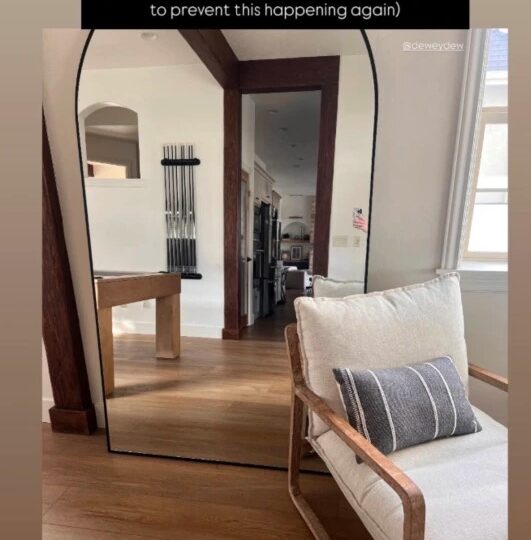
Lindsay’s heartbreaking experience highlights how accidents can occur in mere seconds. In her Instagram post, she recalled, “Our lives changed in a matter of 10 seconds,” emphasizing the suddenness with which normalcy can turn into tragedy.
She expressed deep gratitude for the 22 months she shared with Reed, describing them as a time filled with love, joy, and the privilege of parenthood. “All my little boy knew was love, and all he gave in return was love,” she reflected.
The emotional impact of the loss has been profound. Lindsay shared, “We were so lucky and blessed to have been given 22 sweet months of being his parents and protectors. A piece of my heart will always be missing.”
She emphasized the importance of turning grief into action, noting that Reed’s legacy could save lives if other parents take precautions to secure household items, a mission that now drives her advocacy efforts.
The Dewey family also grapples with the impact on Reed’s siblings. Lindsay has requested prayers for them, acknowledging the emotional ripple effect of the tragedy and the need for ongoing support as they process the loss of their brother.
In sharing her story, Lindsay hopes to prevent similar accidents in other households. She aims to raise awareness about the importance of childproofing homes, anchoring heavy furniture, and maintaining vigilance even in familiar spaces.
Lindsay’s husband, a firefighter, supports her advocacy and understands the fragility of life. Together, they emphasize that accidents can happen despite careful supervision, and proactive safety measures are essential in protecting children at home.
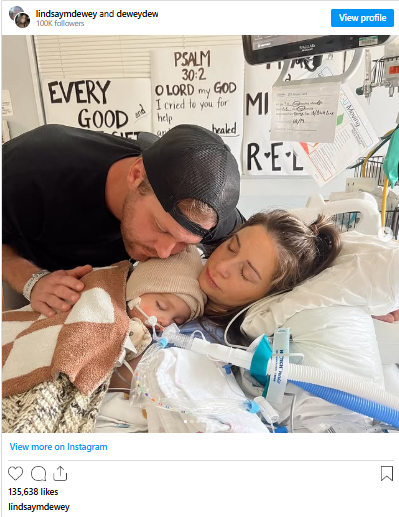
The Instagram post that sparked her advocacy serves as a haunting reminder of the love lost and the potential dangers present in everyday household items. Her message resonates with thousands of parents seeking to ensure home safety.
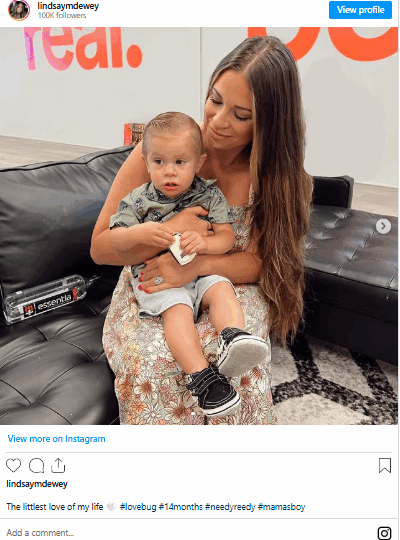
By documenting her experience publicly, Lindsay provides both emotional catharsis and practical guidance. Her story illustrates that even ordinary items, like mirrors and suction cup bowls, can pose unexpected risks to curious toddlers.
Lindsay encourages other parents to take preventative steps, such as securing mirrors, dressers, and televisions, removing unstable furniture from children’s reach, and considering all possible hazards in both common areas and bedrooms.
The tragedy also sheds light on broader patterns of household safety. Studies indicate that child injuries often occur in spaces perceived as safe, highlighting the need for ongoing vigilance and proactive measures in every room of the home.
Lindsay’s candid sharing of her grief fosters community support and dialogue. Parents across social media have reached out, expressing empathy and sharing their own experiences, creating a collective awareness of how preventable household accidents can be.
While criticism exists, Lindsay focuses on the positive impact of her advocacy. She emphasizes that preventing a single child from experiencing similar loss is worth the emotional toll of sharing her story with the world.
Her posts also highlight the fleeting nature of life, illustrating how quickly normalcy can be disrupted. Lindsay urges families to consider how minor adjustments, such as anchoring furniture or rearranging heavy objects, can avert catastrophic outcomes.
The Deweys’ experience underscores the intersection of grief, parental responsibility, and public education. By recounting her story, Lindsay transforms personal tragedy into a cautionary tale that has real-world implications for child safety.
Parents are reminded that love and supervision alone are insufficient if physical hazards exist. Properly anchoring furniture, securing mirrors, and considering the environment’s potential risks are critical steps in preventing accidents.
The CPSC continues to provide resources and guidance for families. Through campaigns like “Anchor It!” and public awareness efforts, parents are empowered to implement safety measures that reduce the likelihood of similar tragedies occurring.
Lindsay’s advocacy highlights the broader need for societal awareness of household hazards. Her story is a call to action, urging parents, caregivers, and communities to take preventative steps seriously to protect the most vulnerable.
By sharing Reed’s story, Lindsay emphasizes both the importance of vigilance and the uncontrollable nature of some accidents. Her heartfelt reflections demonstrate that tragedies can happen despite the best intentions, making education and preparation vital.
In her posts, Lindsay remembers Reed with love and longing, emphasizing the precious moments they shared. Her grief is intertwined with advocacy, reflecting a desire to transform heartbreak into meaningful action that may save lives.
The tragedy also underscores the fragility of childhood. Toddlers are naturally curious and exploratory, often unaware of danger, which necessitates proactive measures from caregivers to prevent accidents that can have life-altering consequences.
Lindsay’s story also reminds us of the value of community. Her growing following of over 95,000 supporters illustrates the widespread concern for child safety and the willingness of others to learn from personal experiences to prevent similar tragedies.
Through her emotional recounting, Lindsay provides practical lessons and sobering insight into household hazards. Her advocacy reinforces that ordinary homes can contain hidden dangers, requiring both awareness and preventive action from parents and caregivers alike.
Ultimately, Lindsay Dewey’s story is a testament to love, grief, and resilience. By sharing her unimaginable loss, she educates other parents, transforms personal tragedy into life-saving guidance, and honors the memory of her beloved son Reed.
