
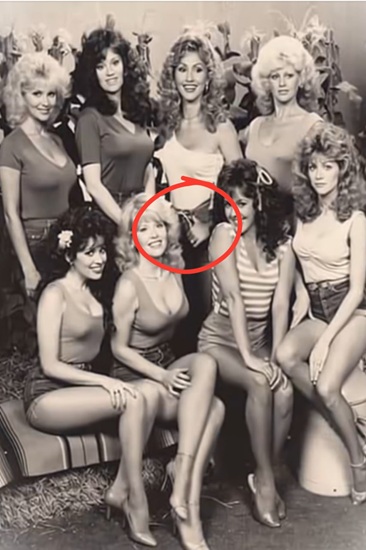
Hee Haw was far more than a television program; it evolved into a cultural touchstone that captured the spirit of rural America while entertaining millions of viewers with humor, music, and heartfelt storytelling.
Premiering in 1969, the show arrived during a period of social and cultural transformation in the United States, offering audiences a comforting and familiar escape rooted in tradition, community values, and lighthearted entertainment.
Created by Frank Peppiatt and John Aylesworth, Hee Haw was inspired by earlier variety shows but distinguished itself through its unique rural setting, blending comedy sketches with live country music performances in a format that felt both fresh and nostalgic.
Originally broadcast on CBS, the show ran for two seasons on the network before transitioning into first-run syndication, where it thrived for more than two decades, becoming one of the longest-running syndicated television programs in history.
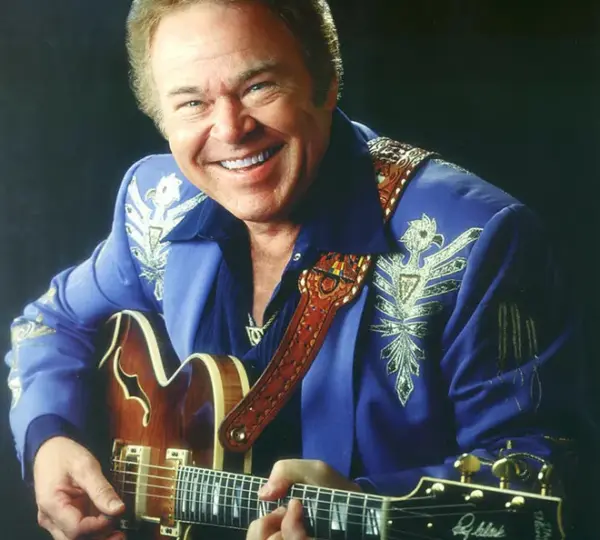
At its core, Hee Haw embraced a simple yet effective formula: recurring comedic segments, musical interludes, and a cast of beloved performers who created a sense of familiarity and connection with audiences across generations.
The show’s setting, often depicted as a stylized rural community, reflected an idealized version of small-town life, complete with cornfields, barns, and front porch gatherings that resonated with viewers seeking authenticity and warmth.
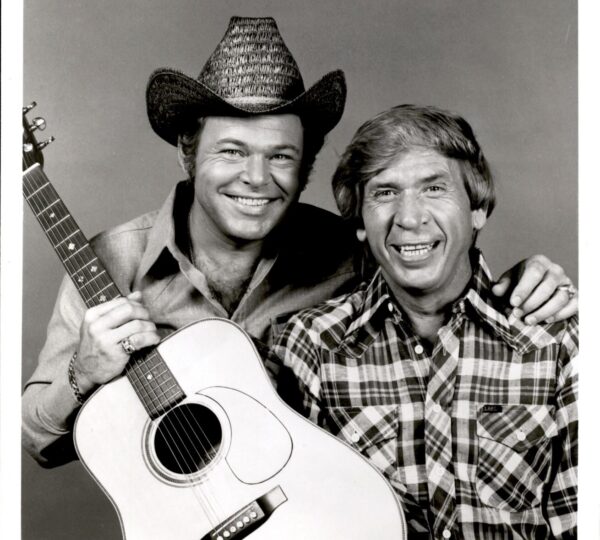
Central to Hee Haw’s success were its hosts, Roy Clark and Buck Owens, both accomplished musicians who brought credibility, charm, and humor to the program while serving as anchors for its diverse content.
Roy Clark, known for his extraordinary musical versatility, frequently showcased his skills on guitar, banjo, and fiddle, demonstrating technical brilliance while maintaining a relaxed and approachable stage presence.
Buck Owens, a pioneer of the Bakersfield sound, contributed his distinctive style and wit, helping to shape the show’s musical identity and reinforcing its connection to contemporary country music audiences.
The chemistry between Clark and Owens was instrumental in establishing the show’s tone, blending professionalism with a sense of spontaneity that made each episode feel lively and engaging rather than overly scripted.
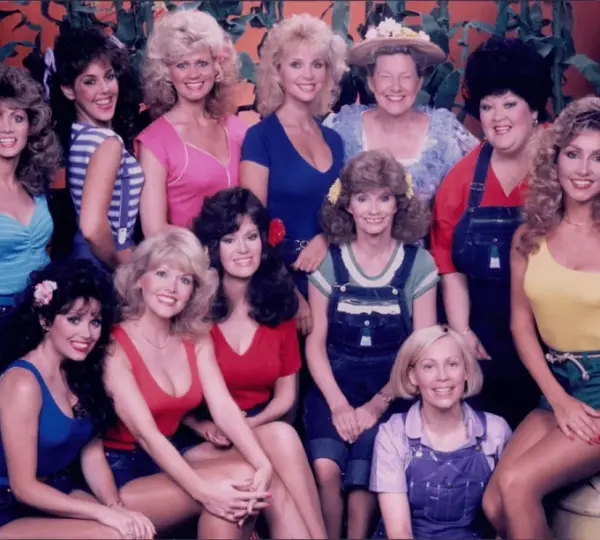
Hee Haw’s cast extended far beyond its hosts, featuring a rotating ensemble of comedians, musicians, and recurring characters who contributed to the show’s rich and varied entertainment experience.
Among the most recognizable personalities was Minnie Pearl, whose signature greeting and comedic timing made her one of the most beloved figures on the show and a lasting symbol of country humor.
Grandpa Jones, another fan favorite, combined musical talent with comedic storytelling, often performing traditional songs while embodying a character that celebrated rural heritage and generational wisdom.
The Kornfield Kounty segments became one of the show’s most iconic features, with cast members delivering quick, pun-filled jokes from behind rows of corn, creating a rhythmic and memorable comedic format.
These jokes, though simple and often intentionally corny, captured the essence of Hee Haw’s humor—accessible, family-friendly, and rooted in everyday experiences that audiences could easily recognize and enjoy.
In addition to its comedy, Hee Haw placed a strong emphasis on music, featuring performances that highlighted a wide range of styles, including country, bluegrass, gospel, and traditional American folk music.
Many episodes included guest appearances by prominent artists, providing a platform for both established stars and emerging talents to reach a broad audience and showcase their musical abilities.
The live performance aspect of the show contributed significantly to its authenticity, as musicians often performed without heavy editing, allowing viewers to experience the spontaneity and energy of real-time entertainment.
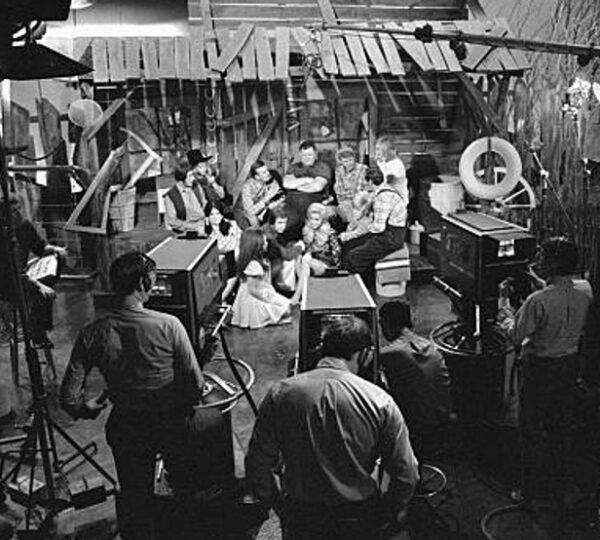
Hee Haw’s musical segments also played an important role in preserving traditional forms of American music, introducing new generations to styles and songs that might otherwise have faded from mainstream visibility.
The show’s commitment to showcasing genuine talent extended to its comedic elements, where performers were encouraged to embrace imperfection and natural interaction rather than striving for flawless delivery.
This approach helped create a sense of intimacy between the cast and the audience, making viewers feel as though they were part of the experience rather than passive observers.
Recurring sketches such as “Pfft! You Was Gone!” and “Gloom, Despair, and Agony on Me” added variety and structure to each episode, becoming fan favorites through repetition and familiarity.
These segments often incorporated musical elements into the humor, blending lyrics and comedy in a way that reinforced the show’s identity as a hybrid of variety entertainment and musical showcase.
Hee Haw’s visual style was deliberately unpolished, favoring a rustic aesthetic that aligned with its themes and reinforced its authenticity, distinguishing it from more polished urban-centric television productions.
Costumes, sets, and props were designed to evoke a sense of rural charm, contributing to the immersive quality of the show and enhancing its appeal to audiences seeking relatable and comforting content.
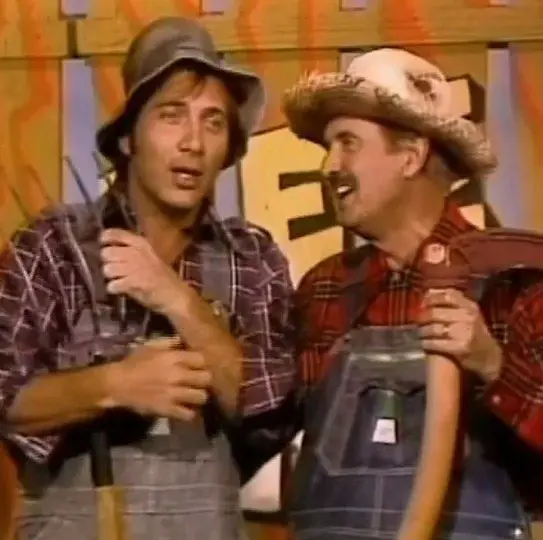
The show’s humor avoided cynicism and controversy, focusing instead on lighthearted observations of everyday life, making it suitable for viewers of all ages and fostering a shared family viewing experience.
Saturday nights became synonymous with Hee Haw for many households, as families gathered to watch together, creating traditions and memories that extended beyond the screen.
This communal aspect of the show’s appeal cannot be overstated, as it provided a rare opportunity for multiple generations to enjoy the same program and connect through shared laughter and enjoyment.
Despite initial skepticism from critics, who often dismissed the show’s rural humor as simplistic, Hee Haw consistently demonstrated strong audience loyalty and widespread popularity.
Its success in syndication allowed it to reach a broader audience than network television alone, ensuring its longevity and cementing its place in the landscape of American entertainment.
The show’s ability to adapt while maintaining its core identity contributed to its enduring relevance, as it incorporated new talent and evolving musical trends without losing its distinctive character.
Over time, Hee Haw became a launching pad for numerous performers, offering exposure and opportunities that helped shape careers in both music and comedy.
The program’s influence extended beyond television, impacting country music culture and reinforcing the genre’s presence in mainstream media during a period of significant industry growth.
Hee Haw also played a role in bridging cultural divides, introducing rural themes and perspectives to urban audiences and fostering a greater appreciation for diverse aspects of American life.
Its portrayal of rural communities, while idealized, emphasized values such as resilience, humor, and strong interpersonal connections, contributing to a broader cultural narrative about identity and belonging.
The show’s longevity allowed it to document changes in both entertainment and society, serving as a time capsule that reflects evolving tastes, styles, and cultural dynamics over several decades.
Even after its original run ended in 1993, Hee Haw continued to resonate with audiences through reruns, home video releases, and digital platforms that introduced the show to new viewers.
Younger generations discovering Hee Haw today can still appreciate its humor and musical performances, demonstrating the timeless nature of its content and the universal appeal of its themes.
The program’s emphasis on authenticity remains particularly relevant in an era dominated by highly produced and digitally enhanced entertainment, offering a refreshing contrast to modern media trends.
Hee Haw’s legacy is evident in the continued popularity of variety shows and music-centered programming, many of which draw inspiration from its format and approach to audience engagement.
Its influence can also be seen in the enduring appreciation for country music and its associated cultural traditions, which the show helped promote and preserve.
The combination of humor, music, and storytelling created a multifaceted entertainment experience that set Hee Haw apart from other programs and contributed to its lasting impact.
At a deeper level, the show celebrated the idea that entertainment does not need to be complex or extravagant to be meaningful, emphasizing the power of simplicity and sincerity.
The performers’ genuine camaraderie and visible enjoyment of their work translated into a positive viewing experience that resonated with audiences on an emotional level.
Hee Haw’s ability to balance humor with musical excellence ensured that it appealed to a wide range of viewers, from comedy enthusiasts to dedicated music fans.
The show also demonstrated the importance of representation, providing visibility for rural lifestyles and traditions that were often underrepresented in mainstream media.
Its enduring charm lies in its ability to capture moments of joy and connection, reminding viewers of the value of laughter, music, and shared experiences.
The authenticity that defined Hee Haw continues to inspire creators and performers who seek to connect with audiences in genuine and meaningful ways.
Through its decades-long run, the show built a legacy that extends beyond entertainment, influencing cultural perceptions and preserving elements of American heritage.
Hee Haw remains a testament to the idea that heartfelt storytelling, combined with talent and authenticity, can create a lasting and meaningful impact.
Its continued relevance highlights the enduring appeal of content that prioritizes human connection, humor, and artistic expression over spectacle and perfection.
Ultimately, Hee Haw stands as a celebration of community, creativity, and tradition, offering a timeless reminder that the simplest forms of entertainment can leave the most profound impressions.
