
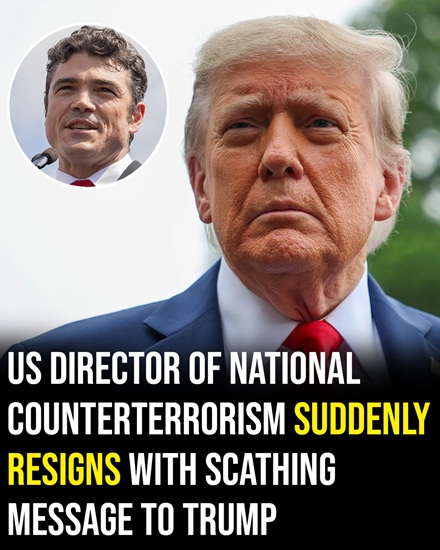
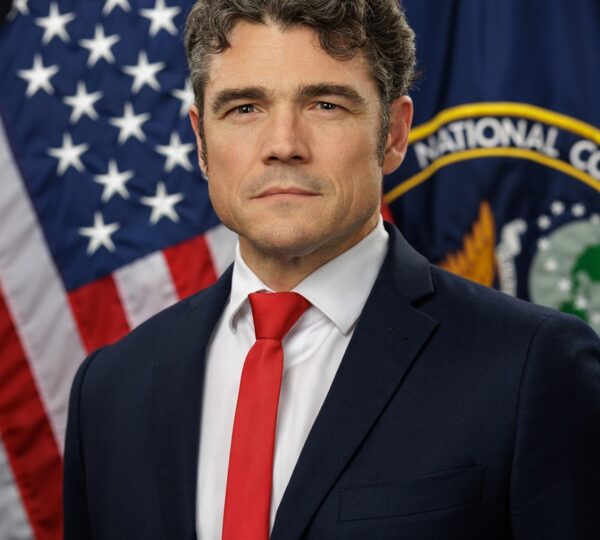
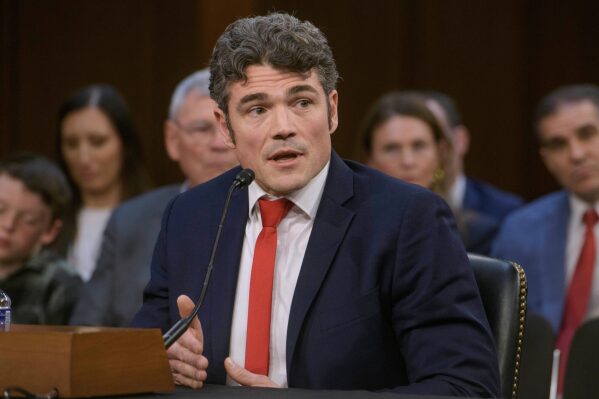
Joe Kent, a retired U.S. Army Green Beret and longtime supporter of former President Donald Trump, has resigned as the director of the National Counterterrorism Center, announcing his departure amid growing controversy over the United States’ ongoing war in Iran.
Kent’s resignation was made public on March 17, 2026, when he posted a letter on the social platform X explaining why he could no longer serve in his senior intelligence role under the current administration.
In his letter, Kent wrote that he “cannot in good conscience support the ongoing war in Iran” because he believed that Tehran posed “no imminent threat to our nation.” His comments marked a rare public break from a senior official in the Trump administration.
Kent directly challenged the administration’s stated justification for military action against Iran, asserting that the conflict was influenced by outside pressure rather than an immediate national security danger.
“Iran posed no imminent threat to our nation, and it is clear that we started this war due to pressure from Israel and its powerful American lobby,” Kent wrote, repeating a claim that has drawn intense attention and controversy.
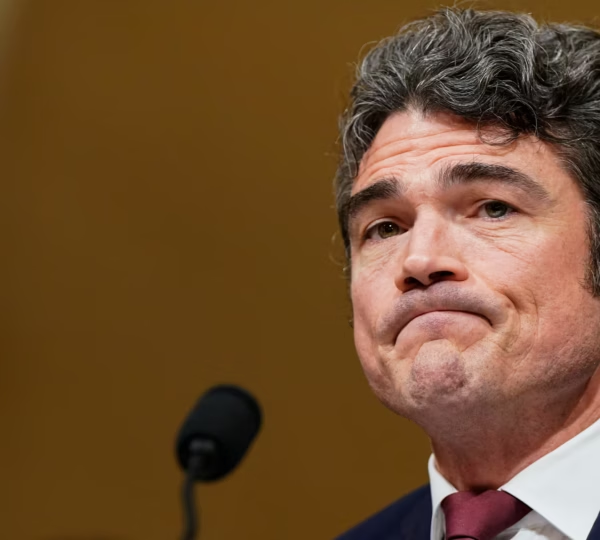
In addressing his resignation to former President Trump, Kent emphasized that he once supported many of Trump’s policy positions but could not continue endorsing what he terms an unnecessary war costing American lives and resources.
Kent’s letter also reflected on the administration’s foreign policy trajectory, suggesting that early reluctance to engage in prolonged conflicts had given way to deeper entanglement in the Middle East, including the ongoing Iran campaign.
Kent is a decorated military veteran who spent more than two decades in uniform, including service in U.S. Special Forces and the CIA, rising through the ranks and deploying repeatedly during the Global War on Terror.
Born in 1980 in Oregon, Joseph Clay Kent began his career in the U.S. Army and later worked with the Central Intelligence Agency before transitioning into political advocacy and public service.
After retiring in 2018, Kent became involved in conservative politics, running for Congress in Washington’s 3rd District in both 2022 and 2024, although he was unsuccessful in both campaigns.
In February 2025, then‑President Trump nominated Kent to lead the National Counterterrorism Center, the federal agency responsible for analyzing terror threats and coordinating intelligence across government.
The U.S. Senate confirmed Kent’s appointment in July 2025 in a closely divided vote, highlighting sharp partisan divisions over national security leadership and intelligence priorities.
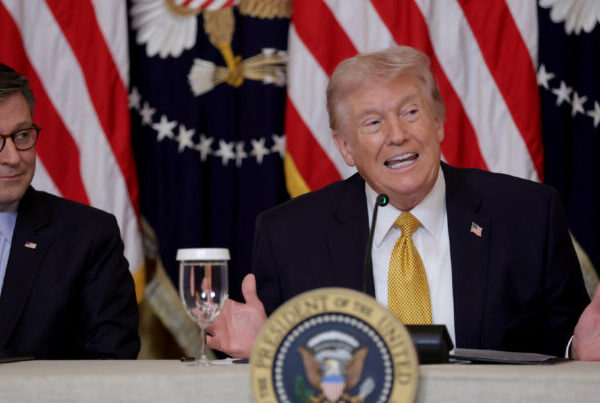
As director, Kent oversaw the agency charged with tracking known or suspected terrorists worldwide and advising policymakers on emerging threats, including extremist networks and geopolitical risks.
Kent’s resignation makes him one of the most senior government officials to publicly break with the Trump administration over its policies in the 2026 Iran war, a conflict that has drawn widespread debate across political lines.
The war erupted following military actions earlier in the year, and U.S. strikes on Iranian targets, including high‑profile leadership figures, have deeply divided opinion within Washington and across U.S. society.
In his letter, Kent also argued that the narrative justifying the war relied on misinformation, with foreign influence shaping policymakers’ perceptions of Iran’s threat to American security.
He recalled that past U.S. conflicts in the Middle East, particularly the Iraq War, were based on flawed or misleading claims, lessons he believes have been forgotten in the current administration.
For decades, Kent’s career reflected staunch support for strong U.S. national defense and robust counterterrorism efforts. His resignation signals a complicated shift in his views regarding prolonged foreign military engagement.
Kent also referenced his personal history in the context of war, including the death of his wife, Shannon Kent, a Navy cryptologic technician who was killed in a suicide bombing in Syria in 2019.
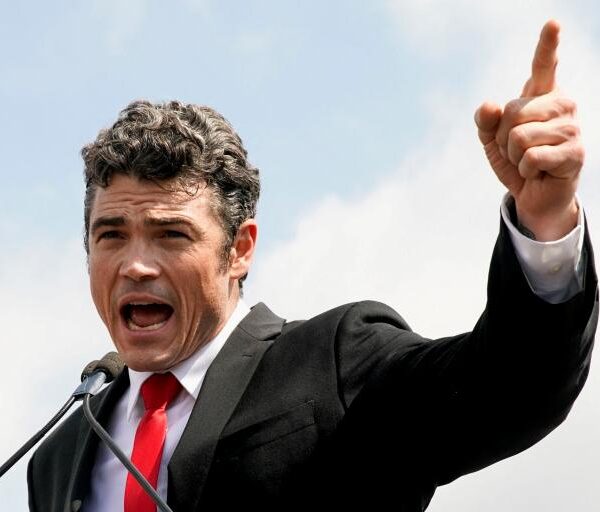
Many who have followed Kent’s career note that his stance represents a unique combination of military service, conservative political views, and profound personal losses tied to global conflicts.
Despite his earlier military and political alignment with hawkish policies, Kent’s resignation underscored a deeper concern about U.S. engagement in what he termed unnecessary wars that offer little strategic gain.
Administration officials have pushed back against Kent’s assertions. President Trump publicly criticized Kent’s resignation, dismissing his concerns and accusing him of being “weak on security,” a comment that reflects sharp tension within the administration.
In a rare direct response to media questions, the president reiterated his belief that strong action on foreign threats, including Iran, is necessary to protect U.S. interests and global stability.
Critics of Kent have also pointed to earlier controversies, including allegations that he pressured intelligence analysts to align their findings with political narratives rather than objective assessments, a charge he has denied.
The broader debate over the war in Iran has exposed deep divisions within U.S. political and intelligence communities, with some leaders echoing Kent’s concerns and others advocating for continued military engagement.
Opposition voices argue that prolonged conflict risks drawing the United States into a cycle of never‑ending wars, while supporters contend that confronting perceived threats is essential for national security.
Kent’s resignation letter also referenced a broader foreign policy philosophy he previously shared with Trump: skepticism toward prolonged American involvement in Middle Eastern wars, a stance that helped shape Trump’s early statements in office.
As the first senior national security official to resign over the Iran war, Kent’s departure is being closely watched by lawmakers, analysts, and foreign policy experts who see it as emblematic of larger fractures in U.S. strategy.
In his letter, Kent urged a reevaluation of U.S. objectives in the Middle East, arguing that the costs in both lives and resources outweigh any supposed strategic benefits of continued military engagement.
He also challenged traditional assumptions about alliances and influence in Washington, suggesting that certain foreign actors and political lobbying efforts have shaped U.S. policy more than transparent national interest considerations.
Analysts say Kent’s resignation may embolden other officials within the administration or intelligence community who quietly question the war’s rationale but have been reluctant to speak publicly.
Some members of Congress have since issued statements regarding Kent’s departure, reflecting a growing bipartisan discussion about the justification, conduct, and future direction of U.S. operations in Iran.
Others in the Republican Party continue to support the war, arguing that deterrence and proactive defense strategies are critical to maintaining global stability and U.S. strategic advantage.
On the diplomatic front, U.S. allies and foreign governments have also weighed in, with varied opinions on the legitimacy and consequences of the war, illustrating the complexity of international responses.
Kent’s resignation will likely remain a defining moment in the ongoing debate over U.S. foreign policy, serving as both an internal critique and public challenge to the administration’s strategy in the Middle East.
Whether his stance leads to policy shifts or further high‑level departures remains uncertain, but the episode has intensified scrutiny over how and why the United States conducts military operations abroad.
As the United States continues its military campaign in Iran, Kent’s critics and supporters alike acknowledge that his resignation has sparked broader conversations about patriotism, duty, and the role of military force in modern geopolitics.
His departure, effective immediately, leaves a vacancy at the top of the National Counterterrorism Center, with administrators naming an acting successor while the office searches for permanent leadership.
In announcing the leadership transition, government officials said they remain committed to national security objectives while respecting the diverse views within the intelligence community that such roles entail.
Kent’s resignation underscores the intense pressure on top officials tasked with balancing political directives, national security priorities, and ethical considerations in an era of complex global conflict.
Ultimately, the significance of Kent’s stand may lie less in its immediate policy impact and more in its ability to stimulate broader public debate about war, national interest, and the influence of international relationships on U.S. strategy abroad.
His departure marks a historic moment in contemporary American politics, one that will be analyzed in policy circles, academic forums, and media outlets as the 2026 Iran war continues to shape U.S. foreign affairs.
