This Young Girl Has Avoided Sugar Her Entire Life — See How She Looks Today
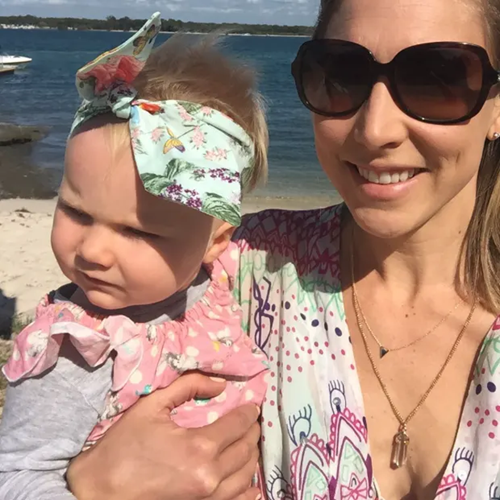
When Shan Cooper welcomed her daughter Grace into the world, she made a decisive choice about how to nourish her child. From day one, Grace was placed on a Paleo diet — a nutritional plan that bans grains and dairy products and instead emphasizes whole foods that our prehistoric ancestors might have eaten. This includes meats, fish, eggs, fruits, and vegetables. For Shan, this wasn’t just a passing fad or a diet trend; it was a deliberate lifestyle choice grounded in her background and beliefs about health and immunity.
Unlike many children her age, Grace’s typical meals don’t involve processed snacks, sugary treats, or conventional kid-friendly foods like peanut butter and jelly sandwiches with the crust cut off. Instead, her diet revolves around nutrient-dense, organic ingredients designed to fuel her body naturally and build a strong immune system. A Typical Day on the Paleo Diet: What Grace Eats.
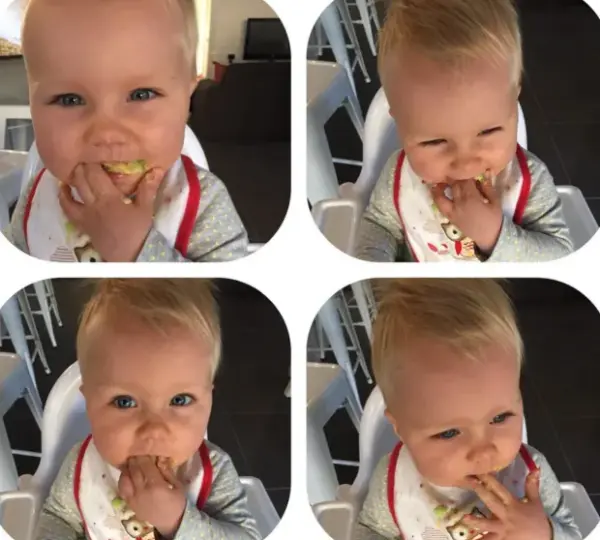
Breakfast for Grace is a colorful and nourishing plate: eggs fried in coconut oil provide healthy fats and protein, while roasted vegetables such as sweet potatoes, carrots, and potatoes add fiber and vitamins. Steamed broccoli, a quarter of a fresh avocado, and a small scoop of sauerkraut round out the meal with probiotics and essential nutrients. Lunch is similarly wholesome, usually consisting of organic roasted chicken paired with a variety of roasted and steamed vegetables, including broccoli and other seasonal greens. Grace’s snacking habits are simple and healthy; she reaches for fresh fruit throughout the day, with strawberries and bananas being her favorites.
Dinner brings a comforting but Paleo-friendly twist on classic dishes. One common meal is spaghetti Bolognese — but instead of traditional pasta, Shan makes it with zucchini noodles, topped with organic beef and a homemade organic tomato sauce. This way, Grace enjoys familiar flavors without the grains and processed additives found in conventional meals.
Health Benefits: A Strong Immune System and Rare Illnesses
Shan, who holds a degree in agricultural science and is the author of a healthy recipe e-book, attests to the positive impact this diet has had on Grace’s health. She recalls that since following this nutritional regimen, Grace has fallen ill only once — an impressive feat, especially considering the environment she grows up in.
Grace spends plenty of time around other children who often have colds, coughs, and runny noses, yet somehow, she rarely catches these illnesses. Shan confidently attributes this resilience to Grace’s nutrient-dense diet, which she believes is responsible for building a robust immune system. “It’s not because I’m sheltering her from anything,” Shan told the Daily Mail. “She’s around sick kids all the time, but she just doesn’t pick it up. I truly believe it’s the food giving her strength.”
Flexibility and a Balanced Approach
Despite the strictness of the Paleo diet, Shan maintains a relaxed and flexible attitude toward Grace’s eating habits. She recognizes that life is not just about rigid rules, especially when it comes to social events like birthday parties or family gatherings. Shan explained, “What she eats now isn’t weird or strange — it’s just normal, wholesome food. She loves it. I don’t feed her toast or cereal or other processed grains, but I’m not going to freak out if she eats a piece of bread one day. That’s not going to kill her.”
Her priority is to foster a healthy relationship with food — one that avoids disordered eating or obsessive behaviors. She is particularly mindful of the risks females face regarding eating disorders and wants Grace to learn to eat what makes her feel good physically and emotionally. “When I go out with friends, I eat what’s on the menu,” Shan said. “I’m not going to be difficult or judgmental. Grace will also learn to listen to her body and understand what works for her.”
Expert Opinions and Cautions
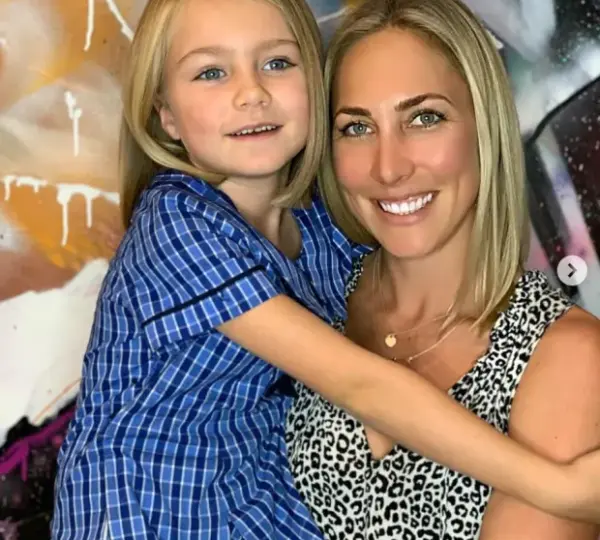
While Shan is confident in her approach, respected nutrition experts urge caution when it comes to placing children on highly restrictive diets without clear medical reasons. Dr. Rosemary Stanton, a well-known dietitian, expressed concern about such diets: “It’s generally not advisable to put a child on a highly restricted diet like Paleo unless there’s a valid reason. Children need a balanced diet that includes grains and legumes, which are essential sources of nutrients.” Dr. Stanton emphasized that cutting out entire food groups can make it difficult to ensure proper nutrition. She advises parents who are considering similar diets to consult with accredited dietitians to avoid potential deficiencies.
Responding to Criticism
Shan has faced criticism from some who view her dietary choices as extreme or unnecessary. Yet she remains unapologetic and passionate about feeding her child real, wholesome food. “Why eating real food is seen as a scandal is baffling to me,” Shan remarked. “If you want to feed your kid junk food, that’s your choice, and I’m not going to attack you online. But why should it be offensive for me to give Grace a plate of vegetables instead of a slice of bread? That’s what confuses me.” Her perspective highlights a broader debate about modern diets, processed foods, and the choices parents make in raising healthy children.
Conclusion: A Personal Journey Toward Health and Balance
Shan Cooper’s story is one of dedication, knowledge, and balance. While she follows a strict Paleo diet for her daughter, she remains flexible and open-minded, understanding that life is not always perfect or predictable. She wants Grace to have a healthy relationship with food — one that nourishes both body and mind. Ultimately, Shan’s experience sheds light on how dietary choices can impact health and immunity and serves as a reminder of the importance of education, moderation, and empathy when it comes to nutrition.
When Shan Cooper welcomed her daughter Grace into the world, she made a decisive choice about how to nourish her child. From day one, Grace was placed on a Paleo diet — a nutritional plan that bans grains and dairy products and instead emphasizes whole foods that our prehistoric ancestors might have eaten. This includes meats, fish, eggs, fruits, and vegetables. For Shan, this wasn’t just a passing fad or a diet trend; it was a deliberate lifestyle choice grounded in her background and beliefs about health and immunity.
Unlike many children her age, Grace’s typical meals don’t involve processed snacks, sugary treats, or conventional kid-friendly foods like peanut butter and jelly sandwiches with the crust cut off. Instead, her diet revolves around nutrient-dense, organic ingredients designed to fuel her body naturally and build a strong immune system. A Typical Day on the Paleo Diet: What Grace Eats.
Breakfast for Grace is a colorful and nourishing plate: eggs fried in coconut oil provide healthy fats and protein, while roasted vegetables such as sweet potatoes, carrots, and potatoes add fiber and vitamins. Steamed broccoli, a quarter of a fresh avocado, and a small scoop of sauerkraut round out the meal with probiotics and essential nutrients. Lunch is similarly wholesome, usually consisting of organic roasted chicken paired with a variety of roasted and steamed vegetables, including broccoli and other seasonal greens. Grace’s snacking habits are simple and healthy; she reaches for fresh fruit throughout the day, with strawberries and bananas being her favorites.
Dinner brings a comforting but Paleo-friendly twist on classic dishes. One common meal is spaghetti Bolognese — but instead of traditional pasta, Shan makes it with zucchini noodles, topped with organic beef and a homemade organic tomato sauce. This way, Grace enjoys familiar flavors without the grains and processed additives found in conventional meals.
Health Benefits: A Strong Immune System and Rare Illnesses
Shan, who holds a degree in agricultural science and is the author of a healthy recipe e-book, attests to the positive impact this diet has had on Grace’s health. She recalls that since following this nutritional regimen, Grace has fallen ill only once — an impressive feat, especially considering the environment she grows up in.
Grace spends plenty of time around other children who often have colds, coughs, and runny noses, yet somehow, she rarely catches these illnesses. Shan confidently attributes this resilience to Grace’s nutrient-dense diet, which she believes is responsible for building a robust immune system. “It’s not because I’m sheltering her from anything,” Shan told the Daily Mail. “She’s around sick kids all the time, but she just doesn’t pick it up. I truly believe it’s the food giving her strength.”
Flexibility and a Balanced Approach
Despite the strictness of the Paleo diet, Shan maintains a relaxed and flexible attitude toward Grace’s eating habits. She recognizes that life is not just about rigid rules, especially when it comes to social events like birthday parties or family gatherings. Shan explained, “What she eats now isn’t weird or strange — it’s just normal, wholesome food. She loves it. I don’t feed her toast or cereal or other processed grains, but I’m not going to freak out if she eats a piece of bread one day. That’s not going to kill her.”
Her priority is to foster a healthy relationship with food — one that avoids disordered eating or obsessive behaviors. She is particularly mindful of the risks females face regarding eating disorders and wants Grace to learn to eat what makes her feel good physically and emotionally. “When I go out with friends, I eat what’s on the menu,” Shan said. “I’m not going to be difficult or judgmental. Grace will also learn to listen to her body and understand what works for her.”
Expert Opinions and Cautions
While Shan is confident in her approach, respected nutrition experts urge caution when it comes to placing children on highly restrictive diets without clear medical reasons. Dr. Rosemary Stanton, a well-known dietitian, expressed concern about such diets: “It’s generally not advisable to put a child on a highly restricted diet like Paleo unless there’s a valid reason. Children need a balanced diet that includes grains and legumes, which are essential sources of nutrients.” Dr. Stanton emphasized that cutting out entire food groups can make it difficult to ensure proper nutrition. She advises parents who are considering similar diets to consult with accredited dietitians to avoid potential deficiencies.
Responding to Criticism
Shan has faced criticism from some who view her dietary choices as extreme or unnecessary. Yet she remains unapologetic and passionate about feeding her child real, wholesome food. “Why eating real food is seen as a scandal is baffling to me,” Shan remarked. “If you want to feed your kid junk food, that’s your choice, and I’m not going to attack you online. But why should it be offensive for me to give Grace a plate of vegetables instead of a slice of bread? That’s what confuses me.” Her perspective highlights a broader debate about modern diets, processed foods, and the choices parents make in raising healthy children.
Conclusion: A Personal Journey Toward Health and Balance
Shan Cooper’s story is one of dedication, knowledge, and balance. While she follows a strict Paleo diet for her daughter, she remains flexible and open-minded, understanding that life is not always perfect or predictable. She wants Grace to have a healthy relationship with food — one that nourishes both body and mind. Ultimately, Shan’s experience sheds light on how dietary choices can impact health and immunity and serves as a reminder of the importance of education, moderation, and empathy when it comes to nutrition.

