
Some of the simplest home hacks often trace back to old habits rather than new inventions. They are quiet, almost invisible strategies that solve everyday problems with elegance.
And the pillowcase drawer trick is a perfect example of this. This idea likely originated in households where resources were valued, and nothing was wasted.
Worn, soft pillowcases—once destined for disposal—were repurposed to serve as protective liners for drawers, offering an elegant solution that required no extra expense or effort.
Over time, this trick became a subtle household ritual. People discovered that pillowcase liners provided a soft, flexible surface that cushioned clothing and prevented friction, keeping delicate fabrics safe while maintaining organization and tidiness within the drawer.
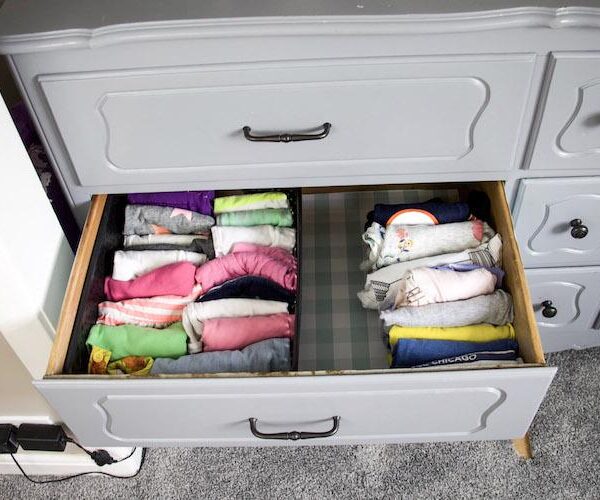
Pillowcase liners also help reduce dust accumulation. Drawers, especially in bedrooms or storage spaces, often gather fine particles that settle on clothing. Fabric barriers slow this process, keeping clothes cleaner and minimizing the need for frequent laundering.
Another subtle benefit is preventing sliding and shifting. Items inside drawers can move unpredictably when opened quickly or stacked unevenly. The pillowcase material adds friction that stabilizes folded clothing and makes the drawer feel more orderly.
The aesthetic effect is surprisingly satisfying. Even though the pillowcase liner is hidden from view, opening a drawer and finding neatly folded, protected items creates a sense of intentionality and control over personal space, enhancing daily comfort.
Using this hack requires nothing beyond what is already available in the home. There’s no need to purchase special organizers, liners, or materials. This encourages resourcefulness and mindfulness in everyday life, emphasizing utility over constant consumption.
Some households take the concept further by matching pillowcases to drawer sizes. Larger pillowcases are cut or folded to cover the bottom entirely, while smaller pillowcases serve as dividers or protective layers for individual sections within the drawer.
This approach is particularly useful for delicate fabrics such as silk, lace, or fine knitwear. The soft material prevents abrasion and extends the life of garments, making everyday clothing care simpler, more effective, and cost-efficient over time.
The practice is also environmentally conscious. By repurposing pillowcases, fewer textiles are discarded prematurely. This small action contributes to a more sustainable household, reducing waste and demonstrating a practical way to integrate eco-friendly habits seamlessly.
Beyond clothing drawers, pillowcase liners can be adapted for kitchen utensils, silverware, or even craft supplies. Any space that benefits from protection, organization, and cushioning can adopt this simple, versatile technique.
Some families even color-code pillowcase liners to aid in organization. For example, white or neutral liners for everyday clothing, patterned or colorful ones for seasonal items, or older pillowcases reserved for rarely used storage, making visual identification easier.
Over the years, this hack has maintained relevance precisely because it doesn’t require a guidebook or tutorial. It survives through observation, habit, and the quiet satisfaction of seeing its practical effects firsthand.
Children growing up with this practice often internalize the habit of repurposing and organization. They learn early that items can have multiple uses and that creativity and efficiency can coexist in everyday domestic life.
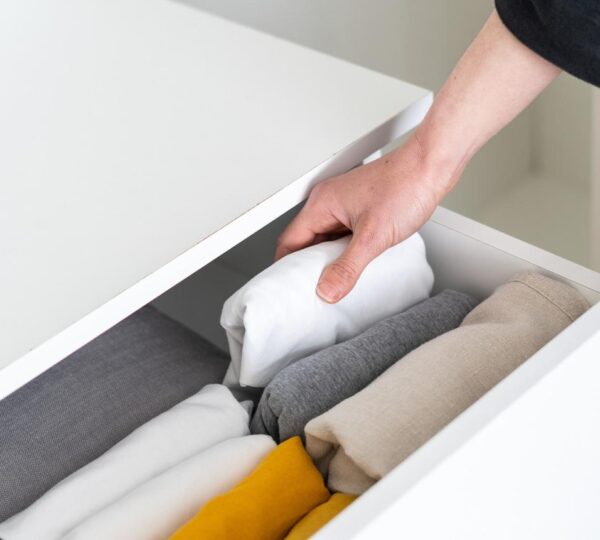
The trick reflects a mindset of ingenuity. It demonstrates how small adjustments, rooted in existing resources, can create meaningful improvements in functionality, appearance, and care, showing that effective solutions do not always need to be expensive or complex.
In modern homes filled with disposable products and high-tech organizers, this “old-school” approach feels refreshing. It encourages slowing down, observing materials at hand, and finding thoughtful ways to enhance living spaces without unnecessary spending.
Consistency enhances the benefits. Regularly updating, washing, or rotating pillowcase liners ensures they remain effective, preventing wear and tear from affecting clothing while maintaining the protective and organizational advantages that make the trick worthwhile.
The tactile experience of soft fabric under folded garments also adds subtle sensory satisfaction. There is a gentle comfort in knowing clothes are protected, slides are prevented, and drawers feel orderly, reinforcing a sense of domestic calm and control.
Beyond physical benefits, this hack encourages mindfulness. The act of preparing drawers with care fosters awareness, intentionality, and pride in maintaining one’s environment, highlighting the psychological rewards of small, thoughtful habits repeated consistently over time.
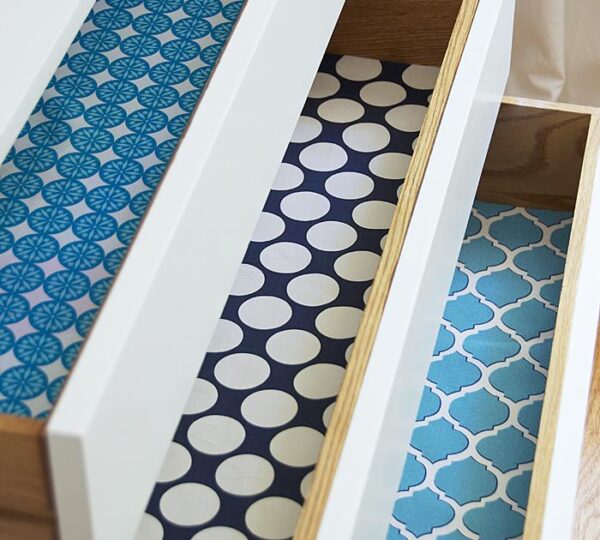
Some home organizers adapt the pillowcase technique for seasonal clothing storage. Sweaters, scarves, and other delicate items can be protected during off-seasons by lining storage drawers or boxes with pillowcases, providing insulation against dust, moisture, and friction.
Pet owners also benefit. Pillowcase liners help protect clothing from pet hair, dander, and light scratching, creating a buffer between fabrics and curious paws or claws, reducing cleaning effort while maintaining garment longevity.
The hack is adaptable to drawers of any size or material. Deep dresser drawers, shallow bathroom drawers, or nightstand compartments all gain stability, protection, and a sense of thoughtful design simply by lining them with repurposed pillowcases.
The versatility of this technique extends beyond function to creativity. Layering multiple pillowcases, folding them in decorative ways, or combining textures can turn an otherwise mundane space into one that feels organized, intentional, and visually pleasing.
Over decades, households that employ this trick report subtle but lasting benefits. Clothes remain in better condition, drawers feel lighter and easier to manage, and the simple act fosters an ongoing habit of creativity and resourcefulness.
The practice aligns with minimalist principles, maximizing utility while minimizing clutter. It demonstrates that efficiency does not require complex tools, technology, or expense, but can be achieved with simple, considered adjustments to daily routines.
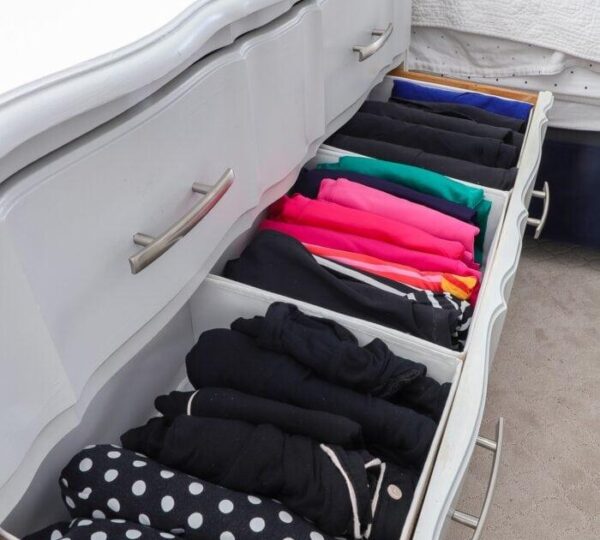
Furthermore, pillowcase liners can be paired with other organizational strategies. Small dividers, fabric pouches, or gentle folding techniques combine with the liners to create systems that optimize space while ensuring delicate or frequently used items remain protected.
Some interior designers highlight the hidden value of this approach. While invisible when drawers are closed, the sense of order and thoughtful protection enhances the overall perception of a well-maintained, intentional home environment.
The simplicity of the hack also encourages experimentation. Households might explore variations, such as scented pillowcases for a fresh aroma, quilted cases for extra cushioning, or even embroidered cases for a touch of elegance, blending functionality with personal style.
Ultimately, the pillowcase drawer trick is more than just a practical tip—it reflects a philosophy. It embodies resourcefulness, respect for materials, care for belongings, and the value of small actions producing meaningful results.
In a world dominated by disposable products, expensive organizers, and complex systems, this quiet hack reminds us that ingenuity often resides in what we already have. Sometimes, simplicity outperforms modern solutions in both effectiveness and satisfaction.
The joy comes not only from neat drawers but from the mindset it promotes: seeing opportunity in forgotten items, valuing subtle improvements, and cultivating a sense of mastery and comfort in one’s personal environment.
Once tried, this approach often sparks further creativity. Observers begin reconsidering other “useless” household items, experimenting with reuse, and exploring practical solutions that enhance everyday life while minimizing cost, clutter, and environmental impact.
By repurposing pillowcases, households protect clothing, reduce waste, and cultivate a thoughtful, intentional approach to organization. The ripple effect influences habits, encouraging mindfulness, resourcefulness, and an appreciation for the small but impactful improvements that improve daily life.
This small, humble technique continues to endure precisely because it works. It requires no purchases, minimal effort, and results in long-term benefits—demonstrating that timeless home hacks often have the most lasting impact.
Ultimately, the pillowcase drawer trick is a testament to human creativity, practicality, and adaptability. What seems ordinary at first glance reveals a wealth of utility, comfort, and satisfaction once observed, reminding us to value the simple solutions.
