

As long as humans have existed, music has remained a fundamental part of life, shaping cultures, expressing emotions, and connecting individuals across time, geography, and language in ways few other forms of expression can achieve.
From ancient chants to modern compositions, music has served as a universal language, capable of communicating joy, sorrow, hope, and resilience without requiring translation, making it one of humanity’s most powerful shared experiences.
Throughout history, societies have used music in ceremonies, celebrations, and storytelling, embedding it deeply into traditions while preserving cultural identity and passing values from one generation to the next.
Scientific studies have also shown that music can influence mood, reduce stress, and enhance memory, further explaining why it continues to hold such a meaningful place in everyday human life.
In today’s fast-paced world, where thousands of songs are released daily across streaming platforms, only a select few compositions manage to remain relevant and cherished across generations.
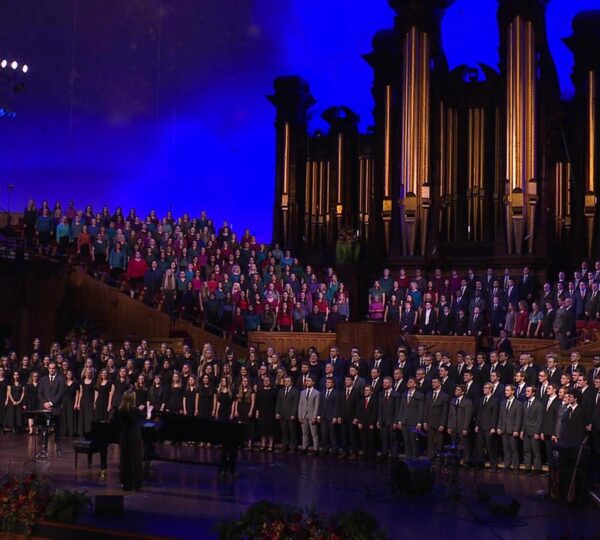
These enduring pieces stand out not because of trends or marketing, but because of their emotional depth, lyrical meaning, and ability to resonate with listeners on a deeply personal level.
One of the most remarkable examples of such a timeless composition is “Amazing Grace,” a hymn that has transcended centuries, cultures, and musical styles to remain one of the most beloved songs ever written.
The lyrics of “Amazing Grace” were written in 1772 by John Newton, an English poet and Anglican clergyman whose life story adds significant historical context to the song’s meaning and impact.
Newton, who once worked in the transatlantic slave trade, later experienced a profound spiritual transformation, which inspired him to write the hymn as a reflection of redemption, forgiveness, and grace.
The melody most commonly associated with “Amazing Grace” was paired with Newton’s lyrics decades later, creating the version that is widely recognized and performed today across the world.
Over time, the hymn has been adapted into countless musical styles, including gospel, folk, classical, and instrumental arrangements, each bringing a unique interpretation while preserving its emotional core.
Its message of hope and redemption has made it especially meaningful during times of hardship, allowing listeners to find comfort, reflection, and strength through its simple yet powerful words.
“Amazing Grace” has been performed at significant cultural and historical moments, including memorials, public ceremonies, and community gatherings, further cementing its place in collective memory.
The song’s structure, with its steady progression and memorable melody, makes it accessible to performers of all skill levels, contributing to its widespread popularity and enduring presence.
Among its many interpretations, performances featuring bagpipes have become particularly iconic, often associated with solemn occasions, remembrance ceremonies, and traditional gatherings.
The sound of the bagpipe, with its rich and resonant tone, adds a distinctive emotional depth to the hymn, amplifying its themes of reflection and reverence.
Large-scale performances involving multiple bagpipers create an even more powerful experience, as the combined sound produces a layered and immersive musical atmosphere.
In some well-known renditions, a single vocalist begins the performance, setting a calm and reflective tone before gradually being joined by instrumental accompaniment.
This progression allows the audience to connect with the lyrics on an intimate level before the music expands into a fuller and more dynamic arrangement.

As the performance builds, additional instruments or voices join in, creating a sense of unity and shared emotion that enhances the overall impact of the piece.
In performances featuring large groups of bagpipers, the transition from a solo introduction to a full ensemble creates a dramatic and memorable musical moment.
The coordinated playing of many musicians requires precision and practice, demonstrating the discipline and artistry involved in delivering such a powerful performance.
These large-scale renditions often take place at festivals, commemorations, or organized musical events, where audiences gather to experience the emotional resonance of the piece.
The visual element of a group of performers standing together also contributes to the experience, reinforcing themes of unity, tradition, and shared cultural expression.
For many listeners, hearing “Amazing Grace” performed in this way evokes a strong emotional response, often bringing feelings of nostalgia, gratitude, and reflection.
The song’s ability to inspire such reactions highlights the unique power of music to connect with human emotions on a profound and lasting level.
Even individuals who are not familiar with the song’s history can appreciate its melody and emotional tone, demonstrating its universal appeal.
In an era dominated by rapidly changing musical trends, the continued popularity of “Amazing Grace” serves as a reminder that meaningful art can endure beyond fleeting cultural moments.

Its simplicity is one of its greatest strengths, allowing listeners to focus on the message and emotion rather than complex musical arrangements.
At the same time, its adaptability enables musicians to reinterpret the piece in ways that keep it fresh and relevant for new audiences.
This balance between tradition and innovation has helped “Amazing Grace” maintain its place as a cornerstone of musical heritage.
The hymn’s presence in films, recordings, and public performances has further expanded its reach, introducing it to audiences who might not encounter it in traditional settings.
Its inclusion in educational contexts has also helped preserve its history, ensuring that future generations understand both its origins and its cultural significance.
Music educators often use “Amazing Grace” to teach melody, harmony, and emotional expression, highlighting its value as both an artistic and instructional piece.
For performers, the song offers an opportunity to connect with audiences on a meaningful level, regardless of the setting or scale of the performance.
Whether performed by a solo singer, a choir, or a large instrumental ensemble, the essence of the hymn remains consistent and impactful.
The enduring appeal of “Amazing Grace” also reflects a broader truth about music: that authenticity and emotional honesty are key to creating lasting connections with listeners.

In contrast to highly produced modern tracks, the hymn’s straightforward composition allows its message to shine through without distraction.
This quality makes it especially powerful in live settings, where the immediacy of performance enhances the emotional experience.
Audience members often find themselves deeply moved, sometimes even participating by singing along or reflecting quietly during the performance.
The communal aspect of such experiences reinforces the role of music as a unifying force, bringing people together regardless of background or belief.
For many, “Amazing Grace” is more than just a song; it is a personal and cultural touchstone that carries memories and meanings unique to each listener.
Its continued relevance in contemporary society demonstrates that certain works of art can transcend time while remaining deeply meaningful.
The hymn’s message of grace and redemption continues to resonate in a world that often seeks comfort, understanding, and hope.
As new generations discover and reinterpret the song, they contribute to its ongoing legacy, ensuring that it remains a living part of musical tradition.
Modern recordings and performances allow audiences to experience “Amazing Grace” in diverse ways, from intimate acoustic versions to grand orchestral arrangements.
Digital platforms have also made it easier than ever to access these interpretations, expanding the song’s reach to a global audience.
Despite these technological advancements, the core emotional impact of the hymn remains unchanged, highlighting the timeless nature of its composition.
Ultimately, “Amazing Grace” stands as a powerful example of how music can transcend its origins to become a universal expression of humanity.
Its ability to inspire reflection, evoke emotion, and bring people together ensures that it will continue to hold a special place in the world of music.
Through its many interpretations, including those featuring large ensembles of bagpipes, the hymn continues to captivate audiences and create memorable experiences.
In every performance, whether simple or grand, “Amazing Grace” reminds listeners of the enduring power of music to uplift, connect, and inspire across generations.
