
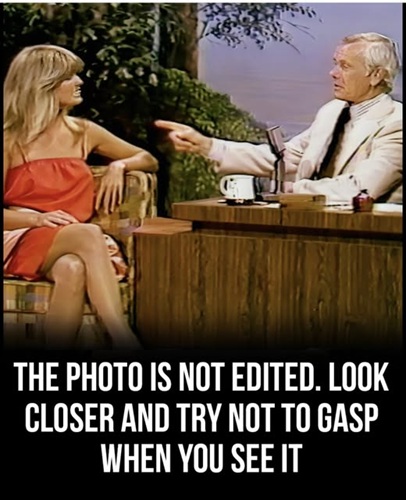
Farrah Fawcett didn’t merely exist in the 1970s — she embodied them. She was the embodiment of a decade’s ideal of beauty, independence, and optimism.
Long before social media or reality TV transformed fame into an incessant, 24-hour spectacle. In an era where celebrity culture was measured by magazine covers and television appearances rather than viral posts and trending hashtags.
Farrah Fawcett emerged as the quintessential American icon: approachable yet aspirational, glamorous yet wholesome. Her face was everywhere — pinned to bedroom walls, splashed across magazine covers, and captured in millions of photographs.
Her sunny confidence on Charlie’s Angels was magnetic, projecting a warmth that seemed both aspirational and attainable.
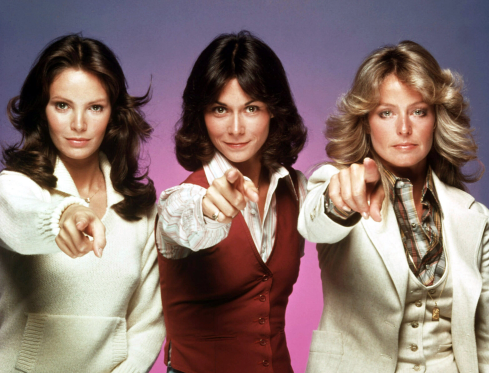
It wasn’t just her beauty that captivated audiences; it was the sense that Farrah radiated joy, independence, and a playful yet grounded personality.
Yet her life was far from simple. Beneath the golden hair and effortless smile was a woman navigating the pressures of fame, personal ambition, societal expectations, and later, the devastating reality of illness.
Her story is one of triumph, complexity, and resilience — a tale that extends far beyond the iconic red swimsuit poster for which she is most remembered.
Roots and Early Life: A Grounded Beginning
Born on February 2, 1947, in Corpus Christi, Texas, Farrah Fawcett was raised in a devout Catholic household by her mother, Pauline, and father, James Fawcett.
Despite the later glamour associated with her life in Hollywood, her upbringing was remarkably conventional. She spent her early years immersed in family routines, schoolwork, and church activities.
Interestingly, Farrah once confessed that she briefly contemplated a religious life, considering becoming a nun. In a 1979 interview, she candidly said: “I think I only wanted to be a nun for about a week. … It was a week.”
The idea of convent life appealed to her during adolescence, a time when she was wrestling with feelings and ambitions that seemed at odds with the strict religious environment of her youth.
She admired the quiet, structured life of her mother, who had been a devoted homemaker. Farrah later admitted: “There is a part of me… that is exactly like my mother — loves to cook and clean and get dinner ready.”
Yet even then, Farrah’s independent streak was evident. She was ambitious, curious, and fascinated by the broader world beyond the small-town life she knew.

That mix of groundedness and ambition would later define her career, allowing her to navigate the trappings of fame with a distinct blend of charm and determination.
The Spark of Recognition: Beauty and Early Attention
From a young age, Farrah’s beauty was striking. In high school, she was voted “Most Beautiful” three years in a row, a title she carried into her time at the University of Texas, Austin, where she majored in art education.
Despite the attention, Farrah often felt self-conscious, recalling that strangers frequently approached her mother in public to comment on her angelic looks.
Hollywood noticed quickly. Publicist David Mirisch recognized her potential and persistently encouraged her to leave Texas and try her luck in Los Angeles.
What began as a temporary modeling assignment soon turned permanent, setting the stage for a career that would span decades.
Before achieving fame, she even appeared on The Dating Game, where a staged scuffle between contestants underscored her emerging image as a highly desirable figure, even at a young age.
Yet Farrah’s rise was not merely the result of conventional beauty. Her charisma, playful energy, and ease in front of the camera made her instantly captivating, qualities that would translate into a unique brand of stardom.
The Iconic Poster: Red One-Piece Swimsuit
Farrah Fawcett’s first seismic breakthrough came not on television, but on a poster. Photographer Bruce McBroom captured the now-legendary image of her in a red one-piece swimsuit, a pose that would become synonymous with the era.
This image, far from accidental, was carefully curated. Farrah herself selected the one-piece suit rather than a bikini, subtly asserting control over how she wanted to be represented.

Millions of copies were sold worldwide, and it quickly became one of the defining visuals of 1970s American pop culture.
The poster’s ubiquity cemented her status as an icon — not just for beauty, but for a certain kind of approachable glamour that felt attainable to millions of admirers.
It was the first instance where Farrah demonstrated her instinct for navigating the intersection of personal agency and public perception — choosing her attire, her pose, and her expression, all while maintaining a sense of authenticity.
Hollywood and the “Farrah Flip”
While the red swimsuit poster solidified her image, her next breakthrough came on television. Charlie’s Angels, created by Aaron Spelling, made her a household name.
Farrah’s portrayal of Jill Munroe combined physical agility, charm, and intelligence, adding layers to her emerging persona. Interestingly, her tennis skills contributed to landing the role, demonstrating that talent often intersects with unexpected preparation.
One of the most enduring elements of her public persona was the “Farrah flip”, her feathered hairstyle that became a global trend.
The look was deceptively simple: stylist Allen Edwards explained that it involved blow-drying with a brush, clipping sections, and flipping the head upside down to create volume.
Millions of women attempted to replicate it at home, making her influence on beauty standards as profound as her impact on television.
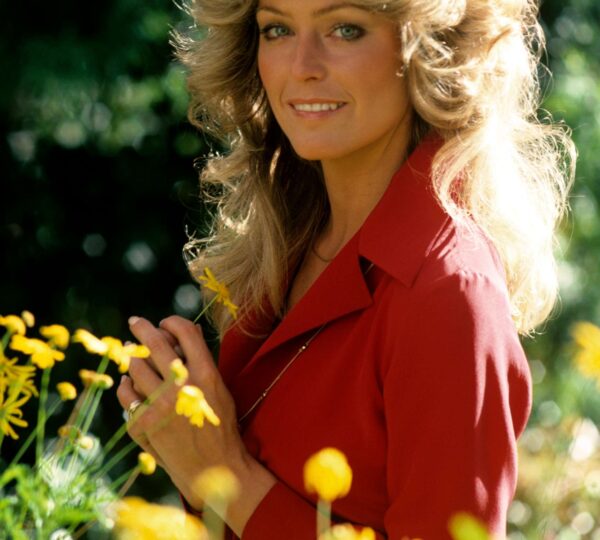
Despite her glamorous image, Farrah maintained a surprisingly low-maintenance approach. She preferred simplicity, sunlight, and beach settings, often styling her own hair and makeup.
This naturalness contributed to the perception that she was both aspirational and relatable — a combination rarely achieved in Hollywood.
Personal Life and Relationships
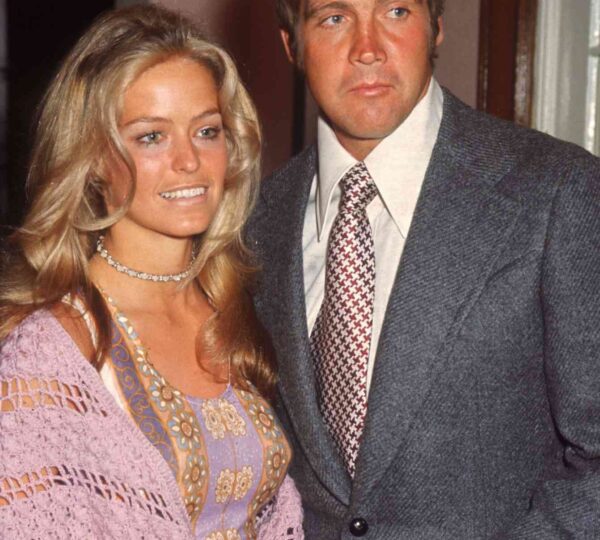
Farrah’s personal life was as scrutinized as her public image. She married actor Lee Majors in 1973, describing their connection as immediate and electrifying.
Yet the pressures of high-profile careers proved challenging, and the marriage ended in divorce in 1982.
Her later relationship with Ryan O’Neal attracted intense media attention, illustrating the challenges of maintaining privacy amid celebrity.
Farrah was candid about the strain of fame, acknowledging that personal relationships often became fodder for public consumption. Despite the scrutiny, she remained fiercely protective of her independence and professional integrity.
Farrah’s sense of loyalty and deep familial connection persisted throughout her life. She was devoted to her mother Pauline, whom she often described as her “best friend.”
Friends such as Alana Stewart remained close confidantes for decades, highlighting the importance of personal bonds amid the whirlwind of celebrity.
Breaking the “Sex Symbol” Mold
Despite being celebrated for her beauty, Farrah resisted being pigeonholed as a mere TV sex symbol. She was determined to pursue serious acting, taking on stage roles such as replacing Susan Sarandon in the off-Broadway play Extremities, earning critical praise for her performance.
She spoke openly about the challenges of navigating Hollywood as a woman whose appearance drew more attention than her craft. In interviews, she reflected: “The industry was furious with me… because I was a TV sex symbol who wanted to be an actress.”
Her persistence demonstrated a remarkable combination of courage, ambition, and self-awareness.
She understood her brand but refused to be constrained by it, a lesson in agency that continues to resonate for women in entertainment today.
Later Life and Final Years
In the years leading up to her death, Farrah faced an even greater challenge: illness. Diagnosed with cancer, she chose to allow cameras to document her battle, confronting public attention with characteristic courage.
According to her physician, Dr. Lawrence Piro, she fought with determination and agency, making medical choices on her own terms.
Her final chapter revealed a different kind of strength than the effortless glamour of the 1970s. It was quiet, human, and profoundly inspiring.
Farrah Fawcett demonstrated that true courage lies not in appearances but in confronting life’s hardest moments with honesty, dignity, and grace.
Artistry and Legacy Beyond Fame
Farrah’s life was not defined solely by television, posters, or hairstyles. She was an accomplished artist, studying under Charles Umlauf, a renowned sculptor, and producing works that reflected her thoughtful, creative nature.
Her artistic pursuits underscored the depth and complexity of her personality, challenging the stereotype of celebrities as one-dimensional.
Through decades of friendships, mentorships, and personal development, Farrah cultivated a rich, multifaceted life.
Her influence extended beyond her roles on-screen, shaping cultural trends, beauty standards, and perceptions of women’s agency in Hollywood.
Impact on Pop Culture
Farrah Fawcett’s cultural imprint is enduring. She was the first generation of television stars to bridge the gap between glamour and relatability, showing that a celebrity could be both iconic and approachable.
The red swimsuit poster, the “Farrah flip,” and her early television work remain reference points for media historians, fashion analysts, and generations of fans.
Her ability to navigate fame with authenticity set a standard for future celebrities, particularly women seeking to balance career ambition with public expectation.
Farrah’s life demonstrated that one could simultaneously embrace beauty, talent, intelligence, and independence — without sacrificing any of them.
Conclusion: A Life of Complexity and Courage
Farrah Fawcett was more than a symbol of a decade. She was a complex, deeply human figure who negotiated fame, personal ambition, family loyalty, and serious illness with remarkable grace.
From her early years in Corpus Christi to the heights of Hollywood stardom, she consistently balanced visibility with authenticity.
Her legacy is twofold: the pop culture icon — golden-haired, radiant, and unforgettable — and the resilient, determined woman who pursued her passions, nurtured relationships, and faced life’s challenges on her own terms.
Farrah Fawcett may have begun as a poster on bedroom walls, but she endured as a testament to courage, creativity, and individuality.
Even today, her image continues to resonate, reminding us that the most enduring icons are not defined solely by glamour, but by the character and resilience behind the smile.
