
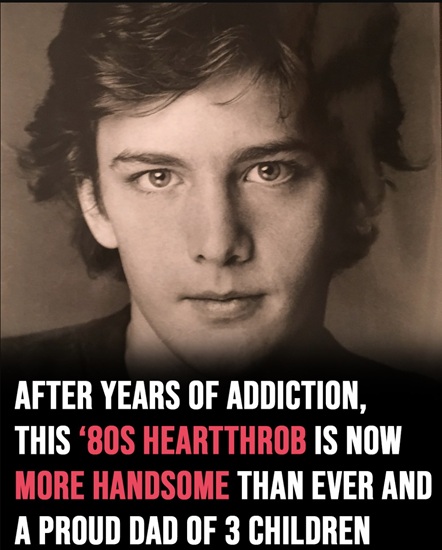
He was the boy every teenage girl swooned over in the ’80s, a face that appeared on posters, lunchboxes, and magazine covers, captivating hearts with a charm that seemed effortless and completely natural.
With tousled dark hair, sparkling eyes, and a disarming smile, he had a quiet charisma that made awkward high school crushes feel intimate and personal, as though he were reaching out directly to each admirer.
But behind the perfectly curated photos and heartthrob persona, a more complicated and often painful story was unfolding, hidden from the public eye and rarely understood by those who idolized him.
Born in 1962 in Westfield, New Jersey, he was the third of four boys in a typical, hardworking family; his mother worked at a newspaper, and his father dealt with investments and stock trading.
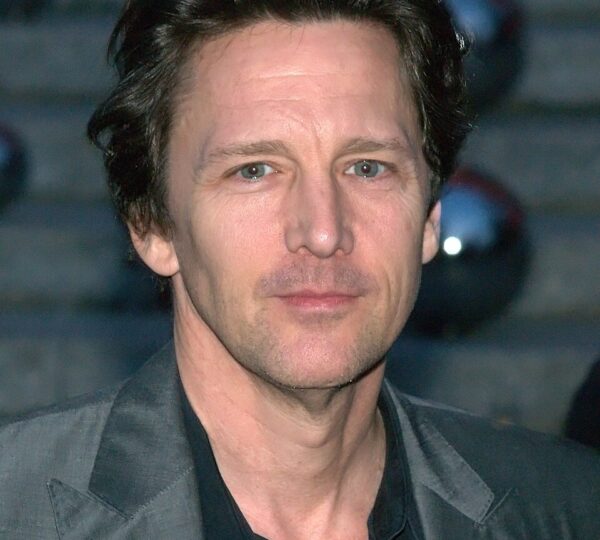
Growing up, he described himself as “totally unprepared” for any kind of fame, as he had never known anyone in his immediate circle who achieved celebrity or navigated Hollywood’s unique pressures and attention.
During his high school years, he discovered a strong passion for acting and performance, though socially he often felt isolated, misunderstood, and disconnected from the other students around him in New Jersey.
“I just felt sort of very lonely at school. I didn’t feel like I belonged,” he later recalled, describing the alienation that contrasted sharply with the glamorous roles he would eventually inhabit on screen.
After graduating, he enrolled at New York University to study acting formally, though his rebellious streak and difficulty with routine led to his expulsion after two years, leaving him at a crossroads in his young life.
“I didn’t really go to class,” he admitted, reflecting on his lack of discipline and readiness for the academic demands of college, a choice that unexpectedly set him up for an early Hollywood breakthrough.
Shortly after being dismissed from NYU, he responded to an open casting call for the film Class, which starred Jacqueline Bisset, a role that would suddenly launch him from anonymity into cinematic recognition.
“I waited for hours with 500 other kids, and they called me back. One week I was in school, the next I was acting alongside Jacqueline Bisset,” he recalled, astonished by the rapid turn of events.
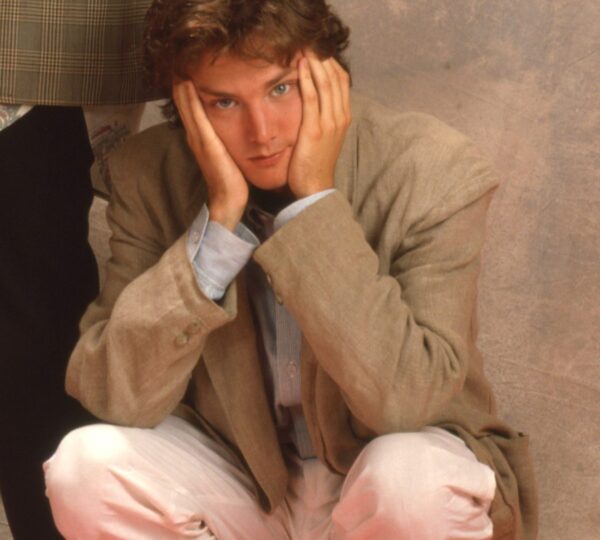
Portraying Jonathan, the character who romantically pursued his prep school roommate’s mother, he suddenly became the subject of Hollywood attention, proving that his talent was both immediate and magnetic in the industry’s eyes.
When NYU offered him a chance to return and apply the film as independent study credit, he famously rejected it, asserting his independence and determination to pursue a path on his own terms in the entertainment world.
By 1985, he achieved mainstream recognition with St. Elmo’s Fire, a film that, despite critical reviews, was a massive commercial hit and showcased the ensemble “Brat Pack,” including Rob Lowe, Judd Nelson, Emilio Estevez, and Demi Moore.
Despite the fame, he faced challenges as the “Brat Pack” label painted a mixed picture, with public perception emphasizing partying and arrogance, contrasting with his own sensitive and introspective personality that often clashed with Hollywood norms.
In 1986, acting alongside Molly Ringwald in Pretty in Pink, he further cemented his status as a teen heartthrob, combining understated charm with a grounded, relatable presence that audiences found compelling and sincere.
Though adored publicly, privately he struggled, and in his memoir Brat: An ’80s Story, he reflected on the intensity of Hollywood parties, Chateau Marmont stays, and wild social scenes that often masked inner turmoil and personal insecurities.
He recounted humorous yet revealing interactions, like attempting to converse with Courteney Cox at a hotel party, only to be rebuffed — moments highlighting both the surreal nature of fame and the isolation it sometimes amplified.
During this period, he gradually recognized that his social drinking and occasional drug use were evolving into a crutch, a way to cope with anxiety, insecurity, and the pressures of maintaining his public image.
“I was hungover during filming, but on screen I came across as sensitive and lovely. I was dying inside,” he admitted, revealing the personal toll of fame that the audience never saw behind the camera’s lens.
Alcohol became a source of “Dutch courage,” helping him feel confident, in control, and appealing — qualities he otherwise struggled to embody, creating a hidden dependency on substances to navigate both work and personal life.
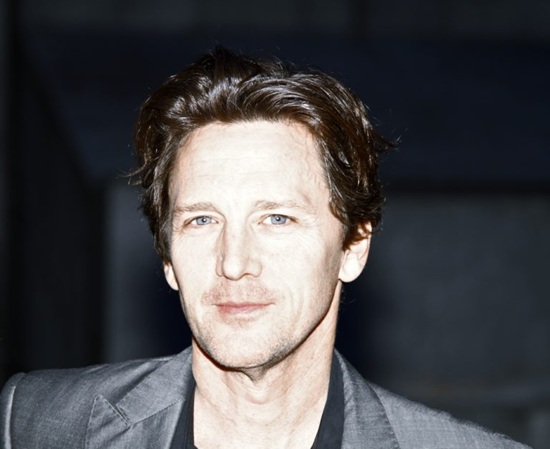
The turning point came in 1989, just before filming Weekend at Bernie’s, when he decided to quit drinking cold turkey, stepping back from Hollywood’s social whirl to protect himself and regain control over his life.
Being an introvert worked in his favor, as he was comfortable with solitude, allowing him to embrace periods of isolation without feeling lonely, while others struggled with the pressures of constant social engagement in Hollywood.
Despite efforts to maintain sobriety, temptation resurfaced while filming Jours tranquilles à Clichy, when a co-star offered him a beer, triggering three years of painful struggle with alcohol before realizing the depth of his dependence.
During this period, he also experimented briefly with cocaine, though he largely avoided drugs on set, explaining that his preexisting anxiety and alcohol struggles made further substance use dangerous and counterproductive to his recovery.
By 1991, he had adopted a more rugged, lived-in appearance, losing the boyish glow of his earlier roles, reflecting both the physical and emotional challenges he endured while attempting to rebuild his life and career.
At 29, he made the life-changing decision to enter rehab, complete a detox program, and commit fully to sobriety, marking a new chapter centered on self-awareness, personal growth, and rebuilding trust in himself and his craft.
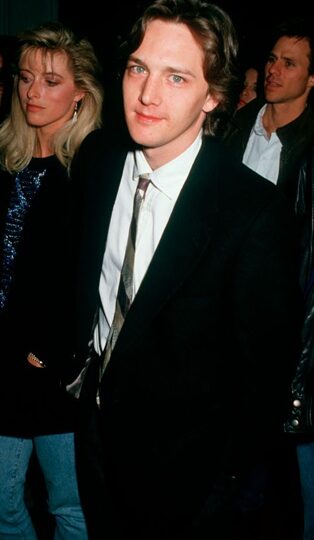
This period led to a gradual reinvention of his career, as he transitioned from teen star to respected actor, director, and storyteller, focusing on meaningful projects while avoiding the excesses that previously threatened his well-being.
He became a sought-after director for television, helming acclaimed series such as Orange Is the New Black and Gossip Girl, bringing depth, empathy, and storytelling sensibilities cultivated through both life experience and professional expertise.
Beyond acting and directing, he flourished as a writer and travel journalist, earning Travel Journalist of the Year in 2010 and contributing to outlets such as National Geographic Traveler and Men’s Journal, sharing personal insights and explorations.
“People ask how acting and travel writing connect. Both are storytelling; both are creative expression,” he explained, noting that travel allowed him to be fully present, vulnerable, and attuned to the world around him.
In his personal life, he rekindled relationships and sought lasting partnerships, marrying college sweetheart Carol Schneider in 1999 after reconnecting decades later, demonstrating patience and a capacity for love beyond youthful infatuation.
The couple welcomed a son, Sam, in 2002, who followed in his father’s footsteps into acting, reflecting a legacy of creativity and public engagement, though the marriage ended in divorce in 2005, marking another chapter of personal growth.
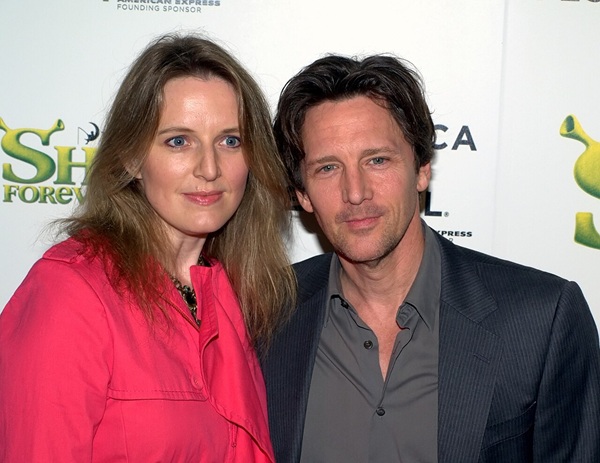
In 2011, he married Irish writer and director Dolores Rice, with whom he has two children, Willow and Rowan, creating a family life centered on stability, love, and nurturing creativity outside the pressures of Hollywood fame.
Today, nearly forty years after his breakout roles, he remains respected both for his iconic ’80s performances and for the life he consciously rebuilt, navigating challenges and addiction with honesty and perseverance.
His gaze now carries quiet intensity rather than youthful wonder, reflecting a Hollywood survivor who has developed resilience, perspective, and a thoughtful detachment from industry distractions and nostalgia.
Regarding his past films, he remains modest, acknowledging fan admiration while noting that the experience belongs more to the audience than to him, emphasizing his focus on present life and family over the allure of past fame.
Fans continue to celebrate him online, praising his enduring appearance, charm, and continued relevance, reinforcing the impact of his work while honoring the personal transformation behind the celebrity image.
In addition to acting and directing, he continues to explore storytelling through writing and travel, integrating life experience into creative projects that reflect both observation and lived authenticity, distinguishing him from peers.
As a father of three, he enjoys a grounded family life in New York’s West Village, balancing professional endeavors with parenting responsibilities, a testament to the stability he fought to create after years of turbulence.
He has openly expressed love and devotion to his children, emphasizing presence, guidance, and nurturing, illustrating the growth and priorities of a man who overcame both fame’s pitfalls and personal struggles.
Andrew McCarthy’s story is one of resilience, reinvention, and survival — a reminder that youthful fame often conceals deep personal challenges, yet with dedication, accountability, and creativity, it is possible to build a life of substance.
From the poster boy of the ’80s teen generation to a sober, grounded actor, director, and writer, McCarthy exemplifies personal growth, proving that Hollywood success is only meaningful when paired with integrity and self-awareness.
Ultimately, his journey demonstrates the power of reflection, perseverance, and choice, inspiring both fans and aspiring actors to navigate life’s pressures with honesty, resilience, and purpose, beyond superficial stardom.
