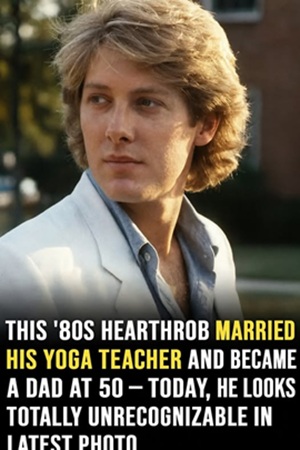
This ’80s Star Stayed in the Spotlight — But His Private Life Remains a Mystery.
James Todd Spader was born on February 7, 1960, in Boston, Massachusetts.
He is the youngest of three children, raised in a household where education and intellectual curiosity were deeply valued; both of his parents were schoolteachers.
Growing up in a family dedicated to learning, Spader attended private East-Coast schools, including Phillips Academy, a prestigious preparatory school.
Despite the academic environment, he displayed little interest in conventional schooling.
Instead, from an early age, he developed a fascination with theater and performance, showing a natural inclination toward storytelling, character study, and dramatic arts.

At age 17, Spader made the bold decision to leave Phillips Academy and relocate to New York City to pursue a career in acting full-time.
He supported himself through an eclectic array of jobs, including teaching yoga, bartending, driving trucks, loading railroad cars, and working as a stable hand.
These diverse experiences not only kept him afloat financially but also provided insight into human behavior and personalities — lessons that would later inform his acting.
While working these jobs, he also trained at acting studios and immersed himself in the city’s theater scene, building both skill and resilience in an industry known for its uncertainty.
Spader’s early forays into film began with supporting roles, such as his appearance in the 1981 drama Endless Love.
By the mid-1980s, he began gaining attention for leading roles in youth-oriented films.
In Tuff Turf (1985), he displayed a brooding charisma, but it was his performance as the arrogant and enigmatic Steff in Pretty in Pink (1986) that earned him recognition among teenage audiences and cemented his place as a rising star of the era.
While these roles brought him visibility, Spader soon sought projects that challenged his range and offered deeper exploration of human psychology.
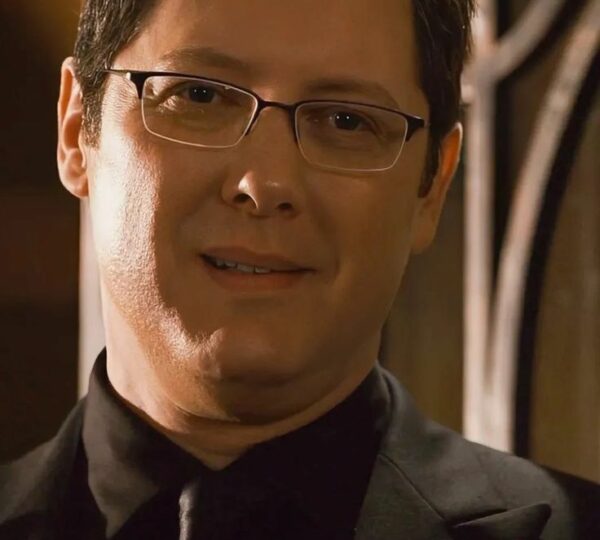
The critical turning point in Spader’s career came in 1989 with Steven Soderbergh’s Sex, Lies, and Videotape.
Playing the introspective and unconventional Graham Dalton, Spader delivered a nuanced performance that explored themes of intimacy, honesty, and emotional detachment.
His work was widely acclaimed, earning him the Best Actor award at the Cannes Film Festival — a milestone that positioned him as a serious actor capable of both subtlety and complexity, far beyond the teen roles of his early career.
Throughout the 1990s and 2000s, Spader built an eclectic and highly varied filmography. He alternated between mainstream blockbusters and provocative, independent films, demonstrating versatility and risk-taking.
Notable roles included Stargate (1994), where he played the determined and morally complex Dr. Daniel Jackson, and David Cronenberg’s Crash (1996), which delved into controversial and psychologically intense subject matter.
His choices showcased a willingness to explore unconventional narratives, embracing characters who were often morally ambiguous or emotionally complex.
On television, Spader achieved iconic status with his portrayal of Alan Shore, a brilliant yet morally ambiguous lawyer, in The Practice and its spin-off Boston Legal.
His performance was celebrated for its wit, charisma, and ability to balance humor with intense drama.

For the role, Spader won three Primetime Emmy Awards for Outstanding Lead Actor in a Drama Series (2004, 2005, and 2007), cementing his reputation as one of the medium’s most accomplished performers. Television Academy)
From 2013 to 2023, Spader starred as Raymond “Red” Reddington in NBC’s crime-drama series The Blacklist, a role that introduced him to a new generation of viewers.
As Red, he combined menace, charm, and intelligence, portraying a complex antihero whose unpredictability and sophistication became hallmarks of the show.
His performance earned both critical praise and a devoted fan following, demonstrating that even decades into his career, Spader continued to evolve and captivate audiences.
Despite decades of professional acclaim, Spader has remained fiercely protective of his private life.
He has often spoken about his preference for a quiet, low-profile lifestyle, avoiding social media and modern technology.
He seeks to let his work speak for itself, rather than relying on publicity or celebrity culture, a stance that has earned him respect in an era dominated by constant visibility.
In his personal life, Spader married Victoria Kheel, a decorator, in 1987.

The couple had two sons, born in 1989 and 1992, before divorcing in 2004.
In the early 2000s, he began a long-term relationship with actress and sculptor Leslie Stefanson, with whom he has a third son, born in 2008. Spader has openly emphasized his desire to shield his family, especially his children, from the pressures of fame, aiming to maintain a normal and stable home environment despite his public career.
At 65, James Spader is widely regarded as one of the most distinctive actors of his generation.
His craft reflects depth, precision, and a commitment to authenticity.
Known for his ability to portray characters who are simultaneously unsettling, charismatic, and human, Spader continues to be admired not only for his acting talent but also for his discipline, artistic integrity, and the rare combination of fame with deliberate privacy.
In an industry often dominated by exposure and oversharing, Spader remains a figure who lets his performances define him — a testament to his enduring skill and vision.
His career serves as an example of longevity achieved through thoughtful role selection, dedication to craft, and the courage to embrace complex, challenging characters.

Beyond awards and accolades, Spader’s legacy lies in his ability to create performances that are layered, compelling, and unforgettable, offering audiences a rare blend of intensity, vulnerability, and intelligence.
James Todd Spader was born on February 7, 1960, in Boston, Massachusetts.
He is the youngest of three children, raised in a household where education and intellectual curiosity were deeply valued; both of his parents were schoolteachers.
Growing up in a family dedicated to learning, Spader attended private East-Coast schools, including Phillips Academy, a prestigious preparatory school.
Despite the academic environment, he displayed little interest in conventional schooling.
Instead, from an early age, he developed a fascination with theater and performance, showing a natural inclination toward storytelling, character study, and dramatic arts.
At age 17, Spader made the bold decision to leave Phillips Academy and relocate to New York City to pursue a career in acting full-time.
He supported himself through an eclectic array of jobs, including teaching yoga, bartending, driving trucks, loading railroad cars, and working as a stable hand.
These diverse experiences not only kept him afloat financially but also provided insight into human behavior and personalities — lessons that would later inform his acting.
While working these jobs, he also trained at acting studios and immersed himself in the city’s theater scene, building both skill and resilience in an industry known for its uncertainty.
Spader’s early forays into film began with supporting roles, such as his appearance in the 1981 drama Endless Love.
By the mid-1980s, he began gaining attention for leading roles in youth-oriented films.
In Tuff Turf (1985), he displayed a brooding charisma, but it was his performance as the arrogant and enigmatic Steff in Pretty in Pink (1986) that earned him recognition among teenage audiences and cemented his place as a rising star of the era.
While these roles brought him visibility, Spader soon sought projects that challenged his range and offered deeper exploration of human psychology.
The critical turning point in Spader’s career came in 1989 with Steven Soderbergh’s Sex, Lies, and Videotape.
Playing the introspective and unconventional Graham Dalton, Spader delivered a nuanced performance that explored themes of intimacy, honesty, and emotional detachment.
His work was widely acclaimed, earning him the Best Actor award at the Cannes Film Festival — a milestone that positioned him as a serious actor capable of both subtlety and complexity, far beyond the teen roles of his early career.
Throughout the 1990s and 2000s, Spader built an eclectic and highly varied filmography. He alternated between mainstream blockbusters and provocative, independent films, demonstrating versatility and risk-taking.
Notable roles included Stargate (1994), where he played the determined and morally complex Dr. Daniel Jackson, and David Cronenberg’s Crash (1996), which delved into controversial and psychologically intense subject matter.
His choices showcased a willingness to explore unconventional narratives, embracing characters who were often morally ambiguous or emotionally complex.
On television, Spader achieved iconic status with his portrayal of Alan Shore, a brilliant yet morally ambiguous lawyer, in The Practice and its spin-off Boston Legal.
His performance was celebrated for its wit, charisma, and ability to balance humor with intense drama.
For the role, Spader won three Primetime Emmy Awards for Outstanding Lead Actor in a Drama Series (2004, 2005, and 2007), cementing his reputation as one of the medium’s most accomplished performers. Television Academy)
From 2013 to 2023, Spader starred as Raymond “Red” Reddington in NBC’s crime-drama series The Blacklist, a role that introduced him to a new generation of viewers.
As Red, he combined menace, charm, and intelligence, portraying a complex antihero whose unpredictability and sophistication became hallmarks of the show.
His performance earned both critical praise and a devoted fan following, demonstrating that even decades into his career, Spader continued to evolve and captivate audiences.
Despite decades of professional acclaim, Spader has remained fiercely protective of his private life.
He has often spoken about his preference for a quiet, low-profile lifestyle, avoiding social media and modern technology.
He seeks to let his work speak for itself, rather than relying on publicity or celebrity culture, a stance that has earned him respect in an era dominated by constant visibility.
In his personal life, Spader married Victoria Kheel, a decorator, in 1987.
The couple had two sons, born in 1989 and 1992, before divorcing in 2004.
In the early 2000s, he began a long-term relationship with actress and sculptor Leslie Stefanson, with whom he has a third son, born in 2008. Spader has openly emphasized his desire to shield his family, especially his children, from the pressures of fame, aiming to maintain a normal and stable home environment despite his public career.
At 65, James Spader is widely regarded as one of the most distinctive actors of his generation.
His craft reflects depth, precision, and a commitment to authenticity.
Known for his ability to portray characters who are simultaneously unsettling, charismatic, and human, Spader continues to be admired not only for his acting talent but also for his discipline, artistic integrity, and the rare combination of fame with deliberate privacy.
In an industry often dominated by exposure and oversharing, Spader remains a figure who lets his performances define him — a testament to his enduring skill and vision.
His career serves as an example of longevity achieved through thoughtful role selection, dedication to craft, and the courage to embrace complex, challenging characters.
Beyond awards and accolades, Spader’s legacy lies in his ability to create performances that are layered, compelling, and unforgettable, offering audiences a rare blend of intensity, vulnerability, and intelligence.


