
The kitchen has long been considered the heart of the home, serving as a hub for meals, family interactions, and quiet daily routines.
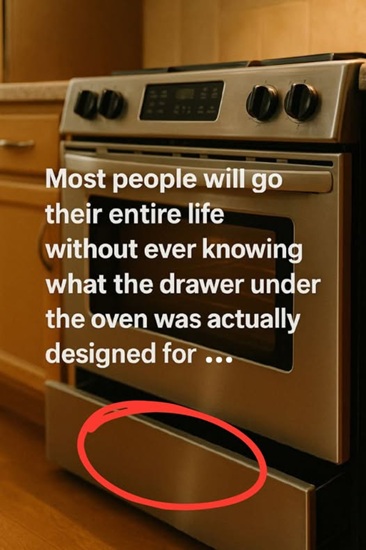
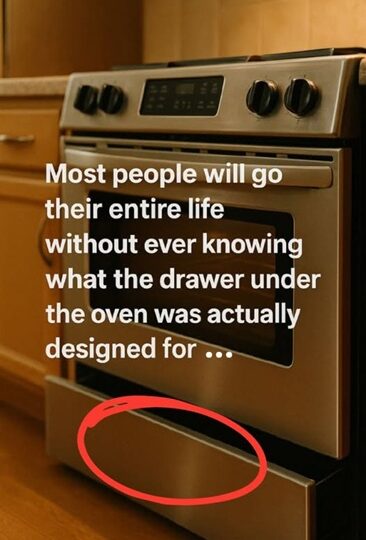
Among its many features, one element is frequently overlooked: the drawer beneath the oven, often misunderstood in its purpose.
For many homeowners, this drawer has become a convenient storage space. Baking sheets, roasting pans, and bulky cookware are commonly placed inside, and its low, accessible position reinforces the assumption that it exists primarily for storage convenience.
Historically, however, oven drawers were often designed with a different purpose. Many older gas and electric ovens included warming drawers, a feature meant to keep dishes warm without additional cooking, allowing flexibility for meal timing and service.
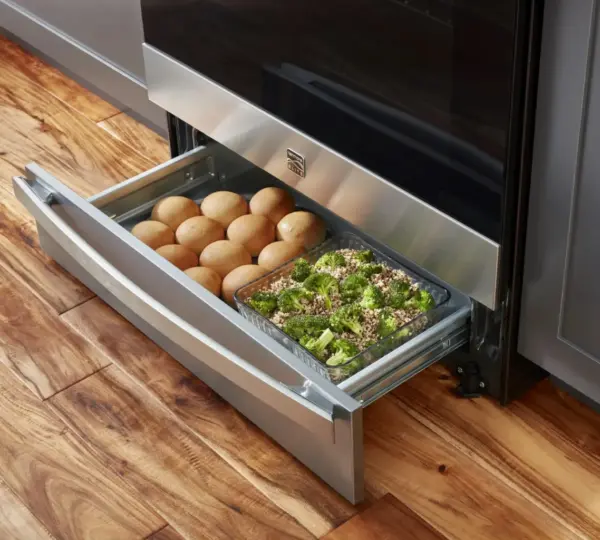
The warming drawer was typically engineered to maintain a low, steady temperature, ranging from 140°F to 200°F. This gentle heat keeps food at optimal serving temperature while other dishes finish cooking or while entertaining guests in a relaxed, timely manner.
Unlike conventional ovens, which rely on high heat to cook or bake food, a warming drawer provides controlled, consistent warmth. This ensures that foods retain moisture, flavor, and texture rather than drying out, overcooking, or burning during holding periods.
For home chefs and professionals alike, warming drawers offer practical advantages. They are invaluable during holiday gatherings, large family dinners, or multi-course meals where timing is critical and multiple dishes must be served simultaneously.
Modern ovens, however, present a mix of drawer types. Some contemporary appliances retain true warming drawers, complete with heating elements and temperature controls, while others include drawers meant exclusively for storage, creating potential confusion for users.
Visually, these drawers can appear nearly identical, making it difficult for the average homeowner to distinguish between storage and warming functionality. Without proper labeling, it is easy to assume all drawers serve the same purpose.
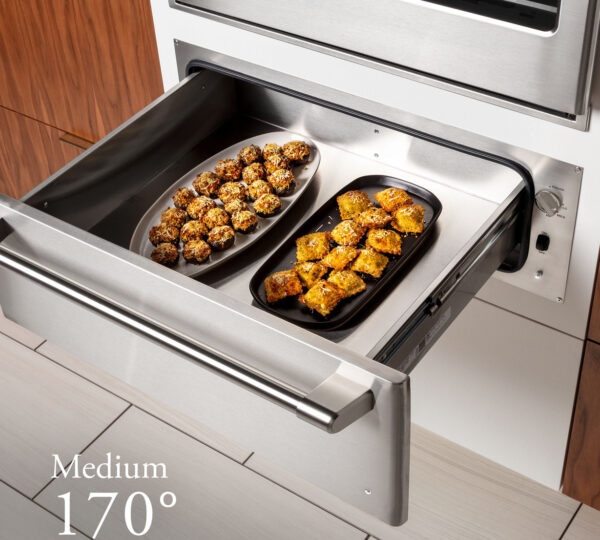
The key difference lies in construction. A genuine warming drawer includes heating elements, insulation, and sometimes integrated controls linked to the oven’s system. Storage drawers lack these features and function purely as a convenient space to keep cookware.
Many warming drawers also feature settings such as “Warm,” “Proof,” or “Keep Warm,” which clearly indicate their intended purpose. Consulting the oven’s user manual or manufacturer specifications is the most reliable method to confirm functionality.
Using a warming drawer improperly, especially for storing flammable or sensitive items, can pose significant safety risks. Even when not turned on, heat from the oven above may raise internal temperatures, potentially damaging cookware or creating fire hazards.
Additionally, obstructing airflow in the drawer can reduce appliance efficiency. Items stored inappropriately may lead to uneven heating, increased energy consumption, and accelerated wear on both the drawer and the main oven unit over time.
When used correctly, warming drawers are incredibly versatile. They can keep plates warm prior to serving, maintain side dishes at optimal temperatures, preserve bread, or even assist in proofing dough for baking, making them essential for culinary precision.
Professional chefs frequently rely on warming drawers for proofing dough because of the consistent low heat provided. This controlled environment supports yeast activity and encourages proper rising without overcooking or drying the dough’s surface.
Understanding how your oven drawer functions also reflects a broader trend in kitchen appliance design. Many homeowners leave features unused due to lack of knowledge, underutilizing tools intended to improve efficiency, safety, and cooking outcomes.
For families, a warming drawer can be a silent helper during busy weekdays. Plates can be preheated, sauces kept warm, and meals staged for quick serving, reducing stress and allowing more enjoyable shared dining experiences.
The drawer’s low placement offers ergonomic advantages as well. It minimizes bending while accessing hot dishes, providing a safer, more convenient method for transferring food from oven to table, particularly in busy kitchen environments.
From a design perspective, warming drawers were often conceived as a complement to multi-course cooking. Chefs can stage multiple dishes at different temperatures without interfering with active oven cooking, offering flexibility in timing and presentation.
In some advanced models, warming drawers include temperature zones or adjustable racks. These features allow simultaneous warming of items with varying heat requirements, such as keeping vegetables warm while maintaining crispness on roasted meats.
Proper use also extends to cleaning and maintenance. Residue from spills can reduce heating efficiency, while regular cleaning preserves the drawer’s functionality and longevity. Most manuals provide specific guidelines for safe, effective upkeep.
Historically, warming drawers were particularly popular in European designs before widespread adoption in North America. They reflected a culinary emphasis on presentation and timing, aligning with dining traditions that valued sequential courses and family-style meals.
Homeowners often overlook these practical benefits, treating drawers as storage by default. Misuse can lead to accidental overheating, damage to non-heat-resistant items, or even minor kitchen hazards, emphasizing the importance of proper identification.
Understanding drawer function also enhances meal preparation. By preheating plates or holding cooked foods, meals can be served at consistent temperatures, improving dining experiences and ensuring that flavors and textures remain optimal from kitchen to table.
Many modern ovens integrate digital controls or smart features with warming drawers. Timers, temperature presets, and alerts help automate food warming while providing users with confidence and precision during cooking routines.
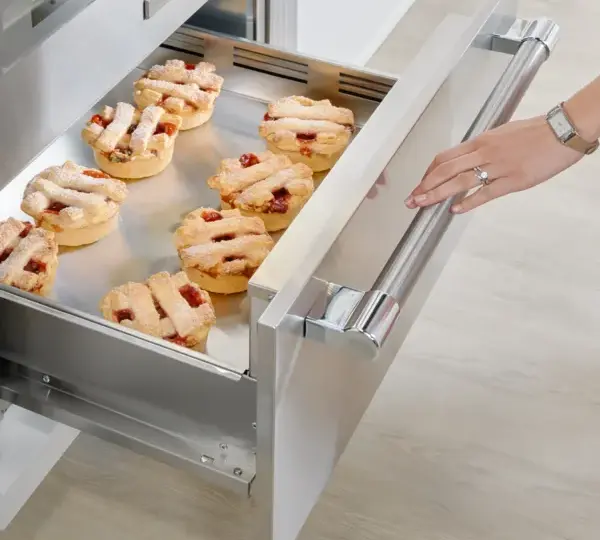
For bakers, the drawer’s ability to create a controlled environment is invaluable. Proofing dough, softening chocolate, or keeping delicate pastries warm are all tasks that benefit from consistent low heat without risk of overcooking.
Families with children may also appreciate the safety advantages. A warming drawer keeps dishes warm without exposing users to hot oven interiors, reducing the risk of burns and making multi-tasking during meal preparation safer.
Even for casual cooks, warming drawers support kitchen organization. Foods can be staged and held while other items finish cooking, reducing the need for repeated reheating and improving the flow of meal preparation, especially for busy households.
Some appliances include dual-function drawers, capable of serving as both warming compartments and storage when not in use. This flexibility enhances space utilization and maximizes the return on investment for homeowners seeking both function and convenience.
It is essential to remember that not all drawers under ovens are created equal. Identifying whether a drawer is a true warming drawer ensures safe usage, prevents accidental damage, and optimizes its intended function during meal preparation.
Misconceptions about oven drawers are widespread, reflecting a broader challenge in modern kitchens: understanding the purpose of multifunctional appliances. Education on appliance features improves both safety and culinary outcomes for home cooks of all levels.
In professional kitchens, warming drawers are indispensable tools. They provide predictable heat retention, support plated service, and reduce the risk of food safety issues, demonstrating their value beyond casual home use and into serious culinary environments.
The drawer beneath the oven is an example of thoughtful kitchen design. Its intended role—whether for warming or storage—represents a subtle yet critical component of a well-functioning, safe, and efficient cooking space.
By learning to use this feature correctly, homeowners can improve timing, maintain optimal food quality, and prevent unnecessary wear on appliances. Simple awareness transforms a previously overlooked drawer into a highly functional kitchen asset.
Ultimately, the warming drawer exemplifies how minor features in appliances are often underappreciated. Understanding and leveraging these components enhances the cooking experience, improves safety, and reflects the ingenuity embedded in modern kitchen design.
This small but significant feature is a reminder that knowledge transforms usability. What may appear as an ordinary storage compartment could be one of the most versatile, helpful, and safety-conscious tools in your kitchen when properly understood.
Even seasoned cooks often underestimate the impact of warming drawers. Their gentle, consistent heat can elevate meal presentation, ensure family satisfaction, and maintain food safety standards in ways that conventional ovens cannot replicate during simultaneous cooking.
Whether serving holiday feasts, hosting gatherings, or preparing weeknight dinners, a warming drawer allows for smooth coordination of multiple dishes, proper temperature management, and efficient workflow, highlighting its ongoing relevance in modern culinary practice.
In conclusion, the drawer beneath your oven is more than just a design element. Proper identification, understanding, and use unlock its potential as a warming drawer, improving safety, convenience, and overall cooking satisfaction for every household.
