...

They Mocked Me for My Prosthetic Leg — But Then the Black SUVs Showed Up.

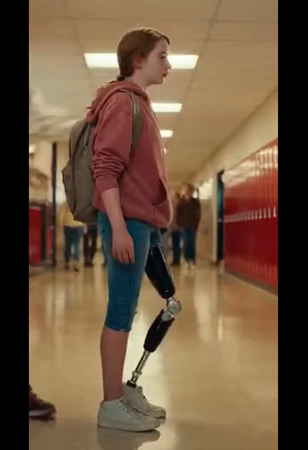
The high school hallway smelled like floor wax, stale cafeteria pizza, and cheap body spray—a combination that always made my stomach turn.

I held my history textbook against my chest like a shield, eyes down, counting the tiles on the floor. One, two, three. Breathe.

Just get to third period. I knew the routine better than anyone. Don’t make eye contact. Don’t react. Don’t exist.

But I heard them behind me. The heavy, rhythmic thud of Timberland boots… and the sharp click-whir of my own left leg.

“Yo, Robo-Cop! You squeaking today?” Tyler. Of course it was Tyler. The Creekwood High quarterback. Golden boy. Teflon-coated troublemaker wrapped in a varsity jacket.

His friends, tossing a foam football down the crowded hallway, burst into barking laughter.
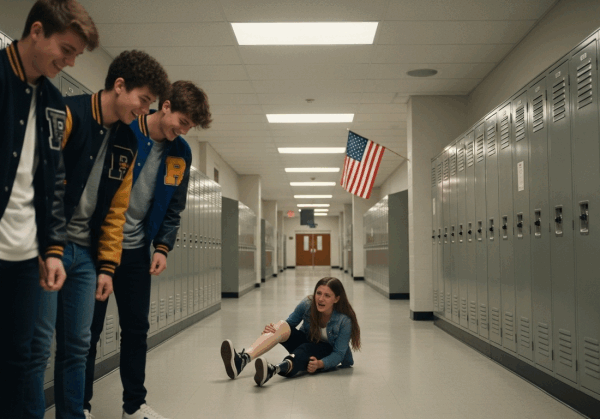
“Better plug yourself in, Carter! Battery’s low!” Brad jeered.

I bit my lip until I tasted blood. I was fifteen. I just wanted to be invisible. But you can’t be invisible when you walk with a mechanical gait that echoes off metal lockers.

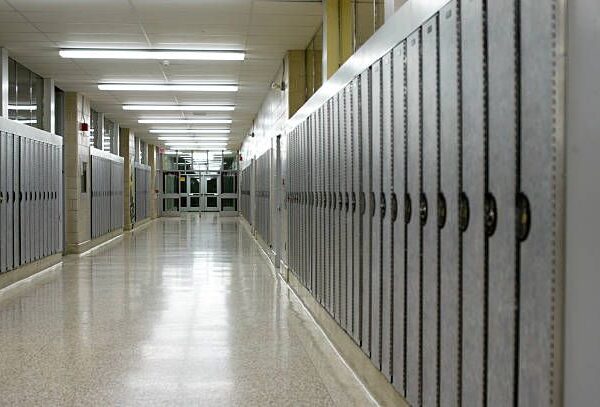
I sped up. The custom carbon-fiber joint my dad had machined in our garage worked overtime, the piston compressing under the strain. It should have felt like a triumph of engineering, but right now it felt like an anchor.

Three feet from rounding the corner. Three feet from the safety of the stairwell where teachers sometimes monitored hall traffic.

Then a varsity-jacketed shape moved into my peripheral vision.

A foot hooked my good ankle—my human ankle. It wasn’t a stumble. It was a takedown.

I hit the floor hard, my books skidding across the linoleum. My binder burst open, papers floating like frightened birds.

But the sound that froze the hallway wasn’t my fall. It was the CRACK.

Not bone. Metal. Titanium snapping under stress—a muffled gunshot of shearing alloy.

My prosthetic—the leg my dad had poured months of work, hope, and money into—was bent at an impossible angle beneath me. The main strut had snapped clean through near the ankle joint.
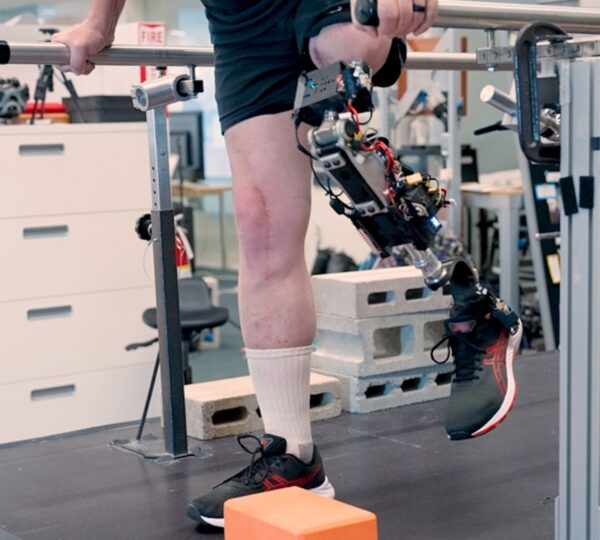
Laughter exploded instantly. Cruel. Deafening.

“She’s malfunctioning!” Tyler howled. “Call tech support! System failure on aisle four!”

I tried to stand, instinctively shifting weight to the left, but the prosthetic buckled. I fell again, scraping my palms raw. Tears blurred everything—tears of pain, humiliation, and something hotter: rage.

No sympathy. No shame. Only phones raised, recording. Tyler kicked my history book down the hall.

“Maybe your dad can build you training wheels next time,” he sneered, walking away with his pack.

I sat there surrounded by staring students who did nothing. Some looked away. Some kept filming.

They didn’t know. They saw a quiet mechanic’s daughter. A victim. A target.

They didn’t know who my dad had been before the garage, before the quiet life.

They didn’t know that breaking his work was the same as declaring war.

 The Assessment

I dragged myself to the nurse’s office, the broken strut grinding with every step. It felt like dragging a bag of rocks behind me. The nurse, Mrs. Gable, gasped and offered to call the principal, but I shook my head.

“Just call my dad,” I whispered. “Please.”

Calling Tyler out never worked. His father sat on the school board. His uncle was the town sheriff. Reporting him only made things worse.

My dad’s beat-up 2005 Ford F-150 pulled up to the curb. He stepped out—solid, steady, storm-weathered. He saw the wheelchair. He saw the detached leg in my lap.
He didn’t shout. Didn’t panic. He went still. The same stillness I had seen once when a stray dog lunged at me in our yard.

He loaded me gently into the truck and drove home in silence. No radio. No small talk. Just the hum of the tires.

In our garage—the place that usually felt like safety—he placed me on the stool by his workbench and inspected the broken prosthetic under the bright light.

“This didn’t happen from walking, Lily,” he said softly.

“I tripped,” I lied.

“No.” He measured the fracture with his calipers. “Physics doesn’t lie. This alloy takes three thousand pounds of vertical pressure to break. This was lateral force. Someone kicked it. Hard.”

When he finally met my eyes, his were shards of ice. “Who did this?”

I cracked. I told him everything. He didn’t yell. He just wiped his hands, walked to the locked bottom drawer of the red tool chest, and opened it.

No tools. Files. A lockbox. And an old satellite phone.

He extended the antenna and dialed a number from memory.

“We have a situation,” he said into the phone. His voice was not Dad. It was Commander. “Code Black. Family involved… Yes. I need legal first. Then persuasive.”

He hung up and kissed my forehead. “You’re staying home tomorrow,” he said. “I’ll fix the leg tonight.”

“Dad, don’t go to the school,” I begged. “You’ll get in trouble.” He smiled a tired, dangerous smile. “I’m not going alone.”

 The Arrival

The next morning, I stayed home, panicking about what might happen.

Then my phone exploded with messages.
SARAH: OMG LILY WHAT IS HAPPENING

SARAH: LOOK

She sent a photo taken from the library window.

Three large black Chevrolet Suburbans blocked the school’s front circle. Government-issue. Tinted windows. No police markings.

Standing beside the lead vehicle was my dad—in a suit—flanked by four men built like tactical statues.

Principal Higgins was outside, white as paper. Tyler’s dad looked like he might faint.

I stared at the photo, my heart pounding.

My dad wasn’t just a mechanic.

And Creekwood High was about to learn that.

 The Meeting

Sarah live-texted everything from the office aides.

My dad sat at the head of the conference table. His men lined the wall, arms crossed. Tyler hunched in a chair, pale. His father, Mr. O’Connell, blustered:

“This is ridiculous! Kids roughhouse! I’ll write a check! Five hundred bucks?”

Dad slid a folder across the table.

“The prosthetic costs eighty-five thousand dollars,” he said calmly. “But we’re not here for the money. We’re here for the assault.”

“It wasn’t assault!” O’Connell shouted.

Dad nodded to one of his men. Mike pulled up a high-definition video—the hallway footage—from a cloud backup none of them should have had access to.

The truth was undeniable. Dad turned to O’Connell. “I know about your zoning bribes.”

O’Connell fell silent.

Dad turned to Tyler. “Ivy League bound? Assault charges ruin transcripts. And federal investigations ruin futures.”

“What do you want?” O’Connell whispered. “I want her safe,” Dad said. “And I want him gone.” 

The Ghost in the Hallway

The next week, school felt different. Kids stepped aside when I walked. No comments. No snickers.

Sarah whispered, “Lily—Tyler’s gone. Locker empty. Instagram deleted.”

Power had shifted. My dad had dismantled the school’s entire bullying ecosystem.

But fear is a lonely crown. Still, for the first time, I ate lunch without bracing for impact. I could live with that.

Peace, however, is just the loading screen for the next level.

 The Midnight Visitor

Two weeks later, on a stormy night, a heavy diesel engine growled into our driveway.

Mr. O’Connell climbed out of his truck, drunk, furious, ruined.

“You destroyed me!” he screamed. Dad walked outside in pajamas, calm and deadly.

When O’Connell reached into his jacket, Dad moved—fast, precise, controlled. He disarmed him, dismantled him, and told him to leave.

When he came back inside, soaked through, he sat beside me on the stairs.

“I thought I left that life behind,” he said quietly.

“Who were you?” I asked. “The man they called when diplomacy failed,” he said.

Then he led me to the garage. “There’s something I need to show you.”

 The Blueprint Under the Floor

Dad pried up a hidden, lead-lined floor panel. Inside was a biometric-locked Pelican case.

Weapons. Cash. Passports. Hard drives.

And on top: a blueprint. My leg. But labeled:

PROJECT AEGIS – COMBAT INFANTRY EXOSKELETON — TOP SECRET

“You didn’t build this here,” I whispered.

“I finished it here,” he said. “But the tech… I took it with me when I left the service. I made you a limb worthy of your life—not one that limited it.”

I realized then why he had panicked when it broke.

“That alloy has a unique isotope signature,” he said. “When Tyler snapped it, the core was exposed. If anyone from my old world was scanning…”

“They’d find us,” I finished. He nodded. “That’s why I had to control the situation. Before they connected the dots.”

 Walking Tall

Six months later, at graduation, I walked across the stage with a silent, powerful stride. No limp. No fear.

Dad stood at the back of the gym, watching the exits, scanning the crowd.

He gave me one slow nod—the kind soldiers give each other after surviving something no one else understands. They had tried to break me.

But they didn’t understand the physics of pressure: The strongest metal doesn’t shatter. It pushes back.

I stepped off the stage ready for anything.

If someone tried to trip me again? They’d need more than a nurse. They’d need a plan.

The high school hallway smelled like floor wax, stale cafeteria pizza, and cheap body spray—a combination that always made my stomach turn.

I held my history textbook against my chest like a shield, eyes down, counting the tiles on the floor. One, two, three. Breathe.

Just get to third period. I knew the routine better than anyone. Don’t make eye contact. Don’t react. Don’t exist.

But I heard them behind me. The heavy, rhythmic thud of Timberland boots… and the sharp click-whir of my own left leg.

“Yo, Robo-Cop! You squeaking today?” Tyler. Of course it was Tyler. The Creekwood High quarterback. Golden boy. Teflon-coated troublemaker wrapped in a varsity jacket.

His friends, tossing a foam football down the crowded hallway, burst into barking laughter.

“Better plug yourself in, Carter! Battery’s low!” Brad jeered.

I bit my lip until I tasted blood. I was fifteen. I just wanted to be invisible. But you can’t be invisible when you walk with a mechanical gait that echoes off metal lockers.

I sped up. The custom carbon-fiber joint my dad had machined in our garage worked overtime, the piston compressing under the strain. It should have felt like a triumph of engineering, but right now it felt like an anchor.

Three feet from rounding the corner. Three feet from the safety of the stairwell where teachers sometimes monitored hall traffic.

Then a varsity-jacketed shape moved into my peripheral vision.

A foot hooked my good ankle—my human ankle. It wasn’t a stumble. It was a takedown.

I hit the floor hard, my books skidding across the linoleum. My binder burst open, papers floating like frightened birds.

But the sound that froze the hallway wasn’t my fall. It was the CRACK.

Not bone. Metal. Titanium snapping under stress—a muffled gunshot of shearing alloy.

My prosthetic—the leg my dad had poured months of work, hope, and money into—was bent at an impossible angle beneath me. The main strut had snapped clean through near the ankle joint.

Laughter exploded instantly. Cruel. Deafening.

“She’s malfunctioning!” Tyler howled. “Call tech support! System failure on aisle four!”

I tried to stand, instinctively shifting weight to the left, but the prosthetic buckled. I fell again, scraping my palms raw. Tears blurred everything—tears of pain, humiliation, and something hotter: rage.

No sympathy. No shame. Only phones raised, recording. Tyler kicked my history book down the hall.

“Maybe your dad can build you training wheels next time,” he sneered, walking away with his pack.

I sat there surrounded by staring students who did nothing. Some looked away. Some kept filming.

They didn’t know. They saw a quiet mechanic’s daughter. A victim. A target.

They didn’t know who my dad had been before the garage, before the quiet life.

They didn’t know that breaking his work was the same as declaring war.

 The Assessment

I dragged myself to the nurse’s office, the broken strut grinding with every step. It felt like dragging a bag of rocks behind me. The nurse, Mrs. Gable, gasped and offered to call the principal, but I shook my head.

“Just call my dad,” I whispered. “Please.”

Calling Tyler out never worked. His father sat on the school board. His uncle was the town sheriff. Reporting him only made things worse.

My dad’s beat-up 2005 Ford F-150 pulled up to the curb. He stepped out—solid, steady, storm-weathered. He saw the wheelchair. He saw the detached leg in my lap.

He didn’t shout. Didn’t panic. He went still. The same stillness I had seen once when a stray dog lunged at me in our yard.

He loaded me gently into the truck and drove home in silence. No radio. No small talk. Just the hum of the tires.

In our garage—the place that usually felt like safety—he placed me on the stool by his workbench and inspected the broken prosthetic under the bright light.

“This didn’t happen from walking, Lily,” he said softly.

“I tripped,” I lied.

“No.” He measured the fracture with his calipers. “Physics doesn’t lie. This alloy takes three thousand pounds of vertical pressure to break. This was lateral force. Someone kicked it. Hard.”

When he finally met my eyes, his were shards of ice. “Who did this?”

I cracked. I told him everything. He didn’t yell. He just wiped his hands, walked to the locked bottom drawer of the red tool chest, and opened it.

No tools. Files. A lockbox. And an old satellite phone.

He extended the antenna and dialed a number from memory.

“We have a situation,” he said into the phone. His voice was not Dad. It was Commander. “Code Black. Family involved… Yes. I need legal first. Then persuasive.”

He hung up and kissed my forehead. “You’re staying home tomorrow,” he said. “I’ll fix the leg tonight.”

“Dad, don’t go to the school,” I begged. “You’ll get in trouble.” He smiled a tired, dangerous smile. “I’m not going alone.”

 The Arrival

The next morning, I stayed home, panicking about what might happen.

Then my phone exploded with messages.

SARAH: OMG LILY WHAT IS HAPPENING

SARAH: LOOK

She sent a photo taken from the library window.

Three large black Chevrolet Suburbans blocked the school’s front circle. Government-issue. Tinted windows. No police markings.

Standing beside the lead vehicle was my dad—in a suit—flanked by four men built like tactical statues.

Principal Higgins was outside, white as paper. Tyler’s dad looked like he might faint.

I stared at the photo, my heart pounding.

My dad wasn’t just a mechanic.

And Creekwood High was about to learn that.

 The Meeting

Sarah live-texted everything from the office aides.

My dad sat at the head of the conference table. His men lined the wall, arms crossed. Tyler hunched in a chair, pale. His father, Mr. O’Connell, blustered:

“This is ridiculous! Kids roughhouse! I’ll write a check! Five hundred bucks?”

Dad slid a folder across the table.

“The prosthetic costs eighty-five thousand dollars,” he said calmly. “But we’re not here for the money. We’re here for the assault.”

“It wasn’t assault!” O’Connell shouted.

Dad nodded to one of his men. Mike pulled up a high-definition video—the hallway footage—from a cloud backup none of them should have had access to.

The truth was undeniable. Dad turned to O’Connell. “I know about your zoning bribes.”

O’Connell fell silent.

Dad turned to Tyler. “Ivy League bound? Assault charges ruin transcripts. And federal investigations ruin futures.”

“What do you want?” O’Connell whispered. “I want her safe,” Dad said. “And I want him gone.” 

The Ghost in the Hallway

The next week, school felt different. Kids stepped aside when I walked. No comments. No snickers.

Sarah whispered, “Lily—Tyler’s gone. Locker empty. Instagram deleted.”

Power had shifted. My dad had dismantled the school’s entire bullying ecosystem.

But fear is a lonely crown. Still, for the first time, I ate lunch without bracing for impact. I could live with that.

Peace, however, is just the loading screen for the next level.

 The Midnight Visitor

Two weeks later, on a stormy night, a heavy diesel engine growled into our driveway.

Mr. O’Connell climbed out of his truck, drunk, furious, ruined.

“You destroyed me!” he screamed. Dad walked outside in pajamas, calm and deadly.

When O’Connell reached into his jacket, Dad moved—fast, precise, controlled. He disarmed him, dismantled him, and told him to leave.

When he came back inside, soaked through, he sat beside me on the stairs.

“I thought I left that life behind,” he said quietly.

“Who were you?” I asked. “The man they called when diplomacy failed,” he said.

Then he led me to the garage. “There’s something I need to show you.”

 The Blueprint Under the Floor

Dad pried up a hidden, lead-lined floor panel. Inside was a biometric-locked Pelican case.

Weapons. Cash. Passports. Hard drives.

And on top: a blueprint. My leg. But labeled:

PROJECT AEGIS – COMBAT INFANTRY EXOSKELETON — TOP SECRET

“You didn’t build this here,” I whispered.

“I finished it here,” he said. “But the tech… I took it with me when I left the service. I made you a limb worthy of your life—not one that limited it.”

I realized then why he had panicked when it broke.

“That alloy has a unique isotope signature,” he said. “When Tyler snapped it, the core was exposed. If anyone from my old world was scanning…”

“They’d find us,” I finished. He nodded. “That’s why I had to control the situation. Before they connected the dots.”

 Walking Tall

Six months later, at graduation, I walked across the stage with a silent, powerful stride. No limp. No fear.

Dad stood at the back of the gym, watching the exits, scanning the crowd.

He gave me one slow nod—the kind soldiers give each other after surviving something no one else understands. They had tried to break me.

But they didn’t understand the physics of pressure: The strongest metal doesn’t shatter. It pushes back.

I stepped off the stage ready for anything.

If someone tried to trip me again? They’d need more than a nurse. They’d need a plan.