...

The Truth Behind This Hollywood Icon’s Passing

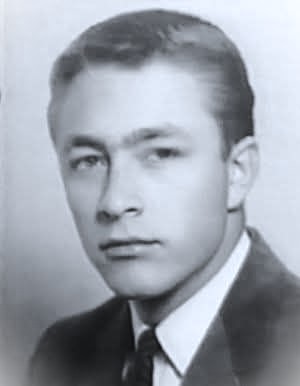
Bill Bixby: A Life of Talent, Tragedy, and Lasting Impact on Television

Born in 1934, Bill Bixby became one of America’s most beloved television actors and directors, with a career that spanned more than three decades.

He is best remembered as Dr. David Banner in The Incredible Hulk (1978–1982), a role that elevated him to iconic status and left an enduring mark on popular culture.

Bixby passed away in 1993 at the age of 59, leaving behind a legacy of memorable performances, heartfelt storytelling, and contributions to television both in front of and behind the camera.

Early Life and Passion for Acting

Wilfred Bailey Everett Bixby III was born in San Francisco, California, and developed an early interest in performing. From a young age, he displayed a natural charisma and a love for entertaining those around him.

His passion for acting led him to leave college in pursuit of a professional career, a decision that would set him on a path to national recognition.

Bixby’s early work included stage performances and small television appearances, where he honed his craft and developed the versatility that would become his hallmark.

Breakthrough in Television

Bixby’s big break came in 1963 when he was cast as Tim O’Hara on the popular sitcom My Favorite Martian, starring opposite Ray Walston.

The show, which ran for three seasons, brought him widespread attention and made him a household name.

His portrayal of the curious, good-hearted human character navigating life with an extraterrestrial roommate showcased both his comedic timing and dramatic instincts.

The role established him as a relatable and charismatic figure, laying the foundation for a career that would span genres and decades.

Career Highlights and Versatility

Following his success on My Favorite Martian, Bixby demonstrated remarkable versatility, moving seamlessly between comedy and drama.

He earned three Emmy nominations for his performance in The Courtship of Eddie’s Father, a series that highlighted his ability to convey warmth, humor, and nuanced emotion.

The show, which revolved around a widowed father raising his son, allowed Bixby to connect deeply with audiences, presenting a character that was both compassionate and engaging.

Bixby also starred in cult favorites like The Magician, in which he played a charismatic illusionist, further demonstrating his ability to adapt to different roles and genres.

Despite the variety of projects he undertook, it was his portrayal of Dr. David Banner in The Incredible Hulk that remained his most enduring role.

As Banner, he brought humanity, intellect, and empathy to a character struggling with a literal inner monster, creating a performance that resonated with viewers and defined an era of television drama.

He later revisited this role in several TV movies, two of which he directed, underscoring his dedication to the character and the story.

Personal Tragedy and Resilience

Behind the scenes, Bixby faced profound personal challenges. In 1981, his six-year-old son Christopher tragically passed away suddenly, a loss that shook him deeply.

The following year, his former wife, Brenda Benet, died by suicide, compounding the grief he was already navigating.

These tragedies could have derailed his career, yet Bixby continued to work, demonstrating resilience and professionalism in the face of unimaginable loss.

Transition to Directing

As his acting career progressed, Bixby also found a passion for directing.

He contributed to popular television shows such as Goodnight, Beantown, Sledge Hammer!, and Blossom, bringing the same dedication and attention to storytelling that he had demonstrated as an actor.

His work behind the camera allowed him to explore creative expression in new ways, influencing the direction of television productions and mentoring younger actors and crew members.

Bixby’s dual talent as both actor and director highlighted his versatility and his commitment to the craft of television.

Health Struggles and Advocacy

In 1991, Bixby was diagnosed with prostate cancer, a battle he faced with openness and courage. He spoke publicly about his illness to raise awareness and encourage early detection, demonstrating his willingness to use his personal experiences to help others.

His advocacy for health awareness added another dimension to his legacy, showing a commitment to public service and community impact beyond entertainment.

Marriage and Later Life

Bixby married Judith Kliban shortly before his passing in November 1993, finding personal happiness and companionship late in life.

Despite his declining health, he remained dedicated to his work, ensuring that his contributions to television would continue to influence and inspire.

His professionalism and dedication remained evident until the end, cementing his reputation as a consummate artist and compassionate human being.

Legacy and Influence

Bill Bixby’s impact on television and popular culture is enduring. His portrayal of Dr. David Banner remains a touchstone for humanizing complex characters, blending intellect, compassion, and vulnerability.

His comedic and dramatic performances alike continue to inspire actors and entertain audiences, demonstrating the lasting power of well-crafted storytelling.

Beyond acting, Bixby’s work as a director left a significant mark on television production, influencing both narrative style and the development of young talent in the industry.

His approach to directing emphasized character development, emotional depth, and authentic performances, reflecting the same dedication he brought to his acting roles.

Bixby’s personal resilience in the face of tragedy and illness serves as a model of strength and perseverance.

His openness about health challenges, advocacy for awareness, and dedication to his craft demonstrate a life lived with integrity and purpose.

Fans remember him not only for his talent but also for his humanity, warmth, and ability to connect with audiences on a deeply emotional level.

In addition to his professional achievements, Bixby’s influence extends to the way actors approach character-driven storytelling.

His ability to infuse roles with authenticity, vulnerability, and relatability set a standard for television acting, showing that emotional truth is as important as technical skill. His work continues to be studied and appreciated by both industry professionals and fans.

Conclusion

Bill Bixby’s life was a testament to talent, resilience, and enduring impact. From his early days as a young actor in San Francisco to his iconic portrayal of Dr. David Banner, he captivated audiences with charisma, skill, and heart.

Despite personal tragedy and health struggles, he continued to contribute meaningfully to television as both actor and director, leaving a legacy that remains influential decades after his passing.

His story is one of human triumph and vulnerability, illustrating the power of perseverance, authenticity, and dedication to one’s craft.

Bill Bixby remains a beloved figure whose life and work continue to inspire, entertain, and leave an indelible mark on the landscape of American television.

Through his performances, directorial work, and personal resilience, Bixby’s legacy endures, reminding future generations of the profound impact one individual can have on art, culture, and the human spirit.

Bill Bixby: A Life of Talent, Tragedy, and Lasting Impact on Television

Born in 1934, Bill Bixby became one of America’s most beloved television actors and directors, with a career that spanned more than three decades.

He is best remembered as Dr. David Banner in The Incredible Hulk (1978–1982), a role that elevated him to iconic status and left an enduring mark on popular culture.

Bixby passed away in 1993 at the age of 59, leaving behind a legacy of memorable performances, heartfelt storytelling, and contributions to television both in front of and behind the camera.

Early Life and Passion for Acting

Wilfred Bailey Everett Bixby III was born in San Francisco, California, and developed an early interest in performing. From a young age, he displayed a natural charisma and a love for entertaining those around him.

His passion for acting led him to leave college in pursuit of a professional career, a decision that would set him on a path to national recognition.

Bixby’s early work included stage performances and small television appearances, where he honed his craft and developed the versatility that would become his hallmark.

Breakthrough in Television

Bixby’s big break came in 1963 when he was cast as Tim O’Hara on the popular sitcom My Favorite Martian, starring opposite Ray Walston.

The show, which ran for three seasons, brought him widespread attention and made him a household name.

His portrayal of the curious, good-hearted human character navigating life with an extraterrestrial roommate showcased both his comedic timing and dramatic instincts.

The role established him as a relatable and charismatic figure, laying the foundation for a career that would span genres and decades.

Career Highlights and Versatility

Following his success on My Favorite Martian, Bixby demonstrated remarkable versatility, moving seamlessly between comedy and drama.

He earned three Emmy nominations for his performance in The Courtship of Eddie’s Father, a series that highlighted his ability to convey warmth, humor, and nuanced emotion.

The show, which revolved around a widowed father raising his son, allowed Bixby to connect deeply with audiences, presenting a character that was both compassionate and engaging.

Bixby also starred in cult favorites like The Magician, in which he played a charismatic illusionist, further demonstrating his ability to adapt to different roles and genres.

Despite the variety of projects he undertook, it was his portrayal of Dr. David Banner in The Incredible Hulk that remained his most enduring role.

As Banner, he brought humanity, intellect, and empathy to a character struggling with a literal inner monster, creating a performance that resonated with viewers and defined an era of television drama.

He later revisited this role in several TV movies, two of which he directed, underscoring his dedication to the character and the story.

Personal Tragedy and Resilience

Behind the scenes, Bixby faced profound personal challenges. In 1981, his six-year-old son Christopher tragically passed away suddenly, a loss that shook him deeply.

The following year, his former wife, Brenda Benet, died by suicide, compounding the grief he was already navigating.

These tragedies could have derailed his career, yet Bixby continued to work, demonstrating resilience and professionalism in the face of unimaginable loss.

Transition to Directing

As his acting career progressed, Bixby also found a passion for directing.

He contributed to popular television shows such as Goodnight, Beantown, Sledge Hammer!, and Blossom, bringing the same dedication and attention to storytelling that he had demonstrated as an actor.

His work behind the camera allowed him to explore creative expression in new ways, influencing the direction of television productions and mentoring younger actors and crew members.

Bixby’s dual talent as both actor and director highlighted his versatility and his commitment to the craft of television.

Health Struggles and Advocacy

In 1991, Bixby was diagnosed with prostate cancer, a battle he faced with openness and courage. He spoke publicly about his illness to raise awareness and encourage early detection, demonstrating his willingness to use his personal experiences to help others.

His advocacy for health awareness added another dimension to his legacy, showing a commitment to public service and community impact beyond entertainment.

Marriage and Later Life

Bixby married Judith Kliban shortly before his passing in November 1993, finding personal happiness and companionship late in life.

Despite his declining health, he remained dedicated to his work, ensuring that his contributions to television would continue to influence and inspire.

His professionalism and dedication remained evident until the end, cementing his reputation as a consummate artist and compassionate human being.

Legacy and Influence

Bill Bixby’s impact on television and popular culture is enduring. His portrayal of Dr. David Banner remains a touchstone for humanizing complex characters, blending intellect, compassion, and vulnerability.

His comedic and dramatic performances alike continue to inspire actors and entertain audiences, demonstrating the lasting power of well-crafted storytelling.

Beyond acting, Bixby’s work as a director left a significant mark on television production, influencing both narrative style and the development of young talent in the industry.

His approach to directing emphasized character development, emotional depth, and authentic performances, reflecting the same dedication he brought to his acting roles.

Bixby’s personal resilience in the face of tragedy and illness serves as a model of strength and perseverance.

His openness about health challenges, advocacy for awareness, and dedication to his craft demonstrate a life lived with integrity and purpose.

Fans remember him not only for his talent but also for his humanity, warmth, and ability to connect with audiences on a deeply emotional level.

In addition to his professional achievements, Bixby’s influence extends to the way actors approach character-driven storytelling.

His ability to infuse roles with authenticity, vulnerability, and relatability set a standard for television acting, showing that emotional truth is as important as technical skill. His work continues to be studied and appreciated by both industry professionals and fans.

Conclusion

Bill Bixby’s life was a testament to talent, resilience, and enduring impact. From his early days as a young actor in San Francisco to his iconic portrayal of Dr. David Banner, he captivated audiences with charisma, skill, and heart.

Despite personal tragedy and health struggles, he continued to contribute meaningfully to television as both actor and director, leaving a legacy that remains influential decades after his passing.

His story is one of human triumph and vulnerability, illustrating the power of perseverance, authenticity, and dedication to one’s craft.

Bill Bixby remains a beloved figure whose life and work continue to inspire, entertain, and leave an indelible mark on the landscape of American television.

Through his performances, directorial work, and personal resilience, Bixby’s legacy endures, reminding future generations of the profound impact one individual can have on art, culture, and the human spirit.