
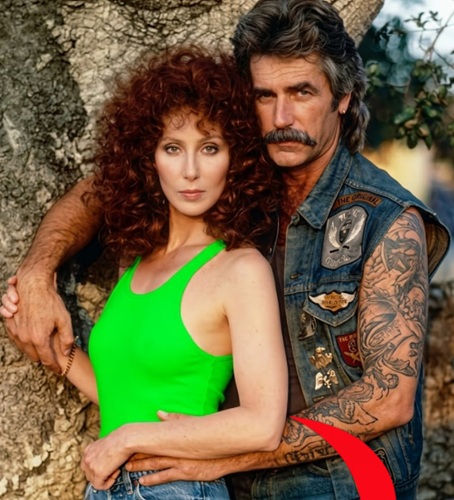
Released on March 8, 1985, Mask remains one of the most emotionally resonant dramas of its era, combining powerful performances with a deeply human true story that continues to move audiences across generations.
Directed by Peter Bogdanovich and written by Anna Hamilton Phelan, the film brings together compelling storytelling and grounded realism, offering a sensitive portrayal of life, difference, and unconditional love.
At the heart of the film is the real-life story of Roy L. Dennis, a teenager who lived with a rare medical condition that significantly altered his physical appearance and shortened his life expectancy.
Rocky was born with Craniodiaphyseal dysplasia, an extremely rare genetic disorder that causes abnormal bone growth, particularly in the skull, leading to distinctive facial differences and serious health complications.
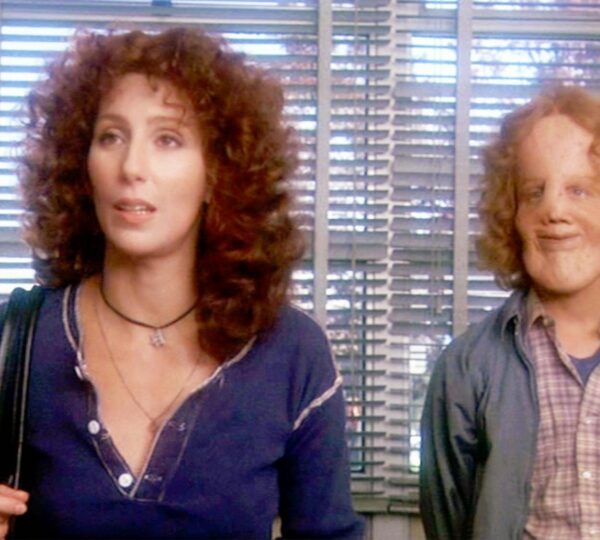
Despite medical predictions that he would not survive beyond early childhood, Rocky defied expectations, living until the age of sixteen and demonstrating remarkable resilience, intelligence, and emotional strength throughout his life.
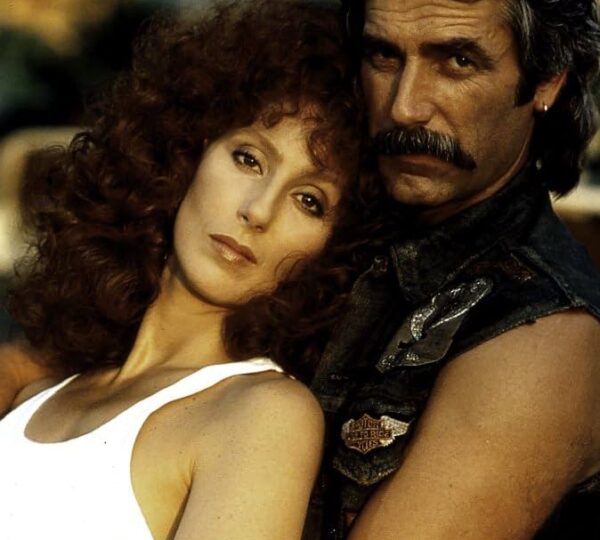
The film stars Cher as Florence “Rusty” Dennis, Rocky’s mother, whose unconventional lifestyle and fierce devotion play a central role in shaping his experiences and opportunities.
Rusty is portrayed as a strong, independent woman who refuses to let societal judgment define her son’s life, choosing instead to advocate for his inclusion, dignity, and right to experience the world fully.
Eric Stoltz delivers a transformative performance as Rocky, capturing not only the physical challenges of the condition through extensive prosthetic makeup, but also the character’s humor, intelligence, and emotional depth.
The makeup work in the film was widely praised and earned the Academy Award for Best Makeup, recognized for its realism and its contribution to creating an authentic and respectful portrayal of Rocky’s condition.

Sam Elliott appears as Gar, a supportive figure in Rusty and Rocky’s lives, offering stability and compassion while helping balance the more turbulent aspects of their environment.
In addition, Laura Dern plays Diana, a visually impaired girl who befriends Rocky, forming a connection based on understanding and emotional honesty rather than appearance.
One of the film’s most powerful themes is its exploration of how society responds to visible differences, highlighting both the prejudice Rocky encounters and the kindness he inspires in those willing to look beyond appearances.
Rocky’s journey through school and social life reflects real challenges faced by individuals with visible conditions, including curiosity, misunderstanding, and at times cruelty, balanced by moments of acceptance and genuine connection.
Importantly, the film portrays Rocky not as a victim, but as an active participant in his life, someone who pursues education, friendships, and personal growth despite the obstacles placed before him.
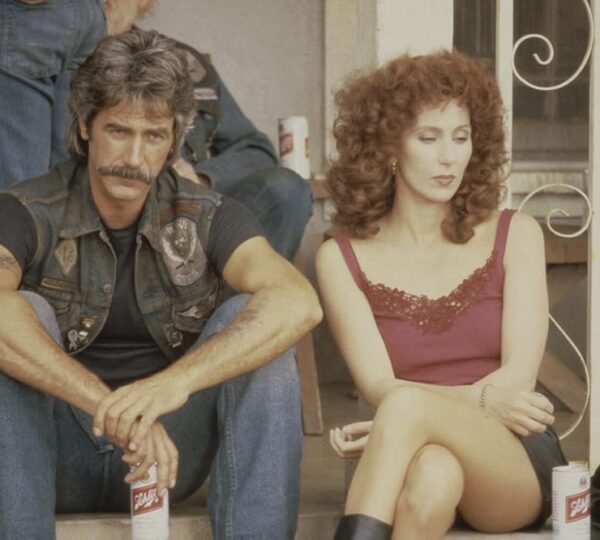
Rusty’s parenting approach is central to this narrative, as she chooses openness over protectionism, encouraging Rocky to engage with the world rather than shielding him from it entirely.
Her determination to enroll Rocky in public school, rather than isolating him, reflects a broader message about inclusion, opportunity, and the importance of treating individuals with dignity.
The film also touches on the complexities of Rusty’s personal life, portraying her as a flawed but deeply loving parent, whose choices are shaped by both her circumstances and her unwavering commitment to her son.
Behind the scenes, the production of Mask involved filming in locations that reflected the real environment in which Rocky lived, adding authenticity to the film’s visual and emotional tone.
The soundtrack of the film has an interesting history, as it was originally intended to feature music by Bruce Springsteen, whose songs Rocky reportedly admired.
However, due to licensing challenges at the time of release, the theatrical version instead included music by Bob Seger, which contributed to the film’s atmosphere.
Years later, a director’s cut restored the use of Springsteen’s music, aligning more closely with the original creative vision and the real-life preferences associated with Rocky’s story.
Upon its release, Mask received strong critical acclaim, particularly for its performances and its sensitive handling of emotionally complex subject matter rooted in real-life experiences.
Cher’s portrayal of Rusty earned her the Best Actress award at the Cannes Film Festival in 1985, solidifying her reputation as a serious dramatic actress beyond her musical career.
Both Cher and Eric Stoltz also received Golden Globe nominations, further highlighting the impact of their performances and the film’s resonance with audiences and critics alike.
While the film is grounded in real events, it is important to note that certain elements were dramatized or adapted for storytelling purposes, as is common in biographical films.
Some scenes and character interactions were simplified or fictionalized to enhance narrative clarity, while maintaining the core emotional truth of Rocky’s life and relationships.
For example, specific events depicted in the film may not have occurred exactly as shown, but they serve to represent broader truths about Rocky’s experiences and the challenges he faced.
Despite these adaptations, the film remains widely regarded as a respectful and heartfelt portrayal that honors the spirit of the real individuals involved.
At its core, Mask is not only a story about a medical condition, but also a reflection on identity, acceptance, and the universal desire to be seen and valued for who we are.
The relationship between Rocky and his mother stands as one of the film’s most enduring elements, illustrating the strength of familial love in the face of adversity.
Their bond is portrayed with nuance and authenticity, capturing both the struggles and the moments of joy that define their shared journey.
The film also raises broader questions about societal standards of beauty and normalcy, encouraging viewers to reconsider assumptions based on appearance.
By focusing on Rocky’s intellect, humor, and emotional insight, the narrative shifts attention away from physical differences and toward the qualities that truly define a person.
Over time, Mask has maintained its place in film history as a meaningful and impactful drama that continues to resonate with new audiences.
Its themes remain relevant, particularly in ongoing conversations about inclusion, representation, and the importance of empathy in diverse societies.
The film’s lasting appeal lies in its ability to connect on a deeply human level, offering a story that is both specific in its details and universal in its message.
Even decades after its release, Mask is frequently revisited by film enthusiasts and scholars who recognize its contribution to socially conscious storytelling.
Its success at the box office and its continued presence in cultural discussions reflect the enduring power of stories rooted in real human experiences.
Ultimately, Mask stands as a testament to resilience, compassion, and the profound impact that love and understanding can have in overcoming life’s challenges.
It reminds audiences that behind every visible difference is a unique individual with dreams, emotions, and a story worth telling and remembering.
