
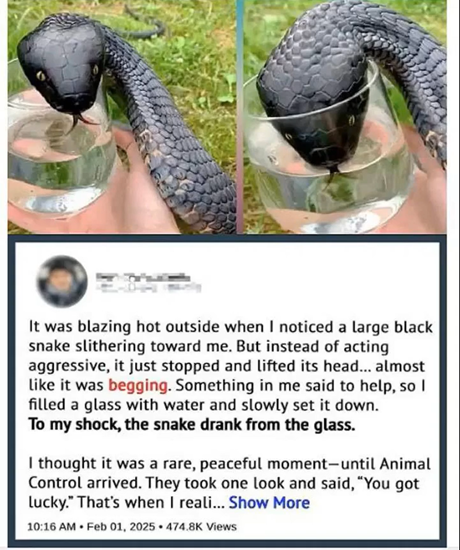
Jake had been visiting his favorite lake for years, enjoying the serene water, the chirping birds, and the gentle rustle of leaves. That morning, sunlight danced on the ripples, reflecting peaceful skies above.
He had brought a thermos of coffee, a notebook, and a fishing rod, planning to spend hours immersed in quiet reflection and occasional fishing. Nature’s rhythm had always offered him solace and inspiration.
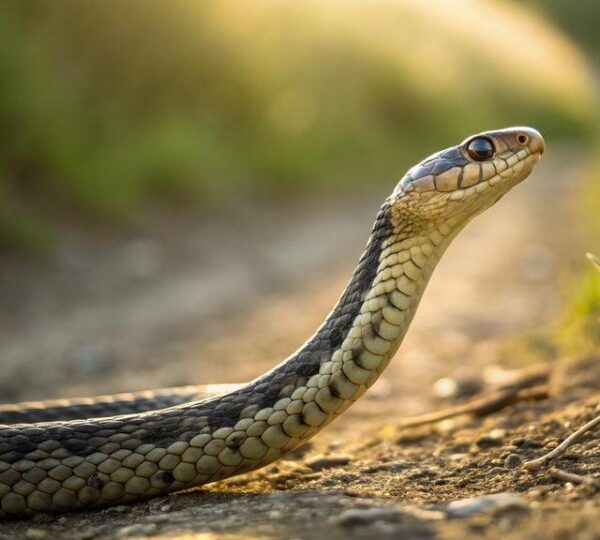
As he settled on the shore, he noticed movement near the rocks. At first, he assumed it was a harmless garden snake, but its unusually large size and solid black color caught his attention immediately.
The snake’s approach was slow yet purposeful. Its head rose above the ground, scanning its surroundings, and its tongue flicked rapidly, a sign that it was assessing the air for scents and signals.
Jake instinctively froze. His heart raced, unsure whether the snake was curious, defensive, or hungry. He recalled safety advice about snakes: never startle them, keep distance, and avoid sudden movements that might trigger aggression.
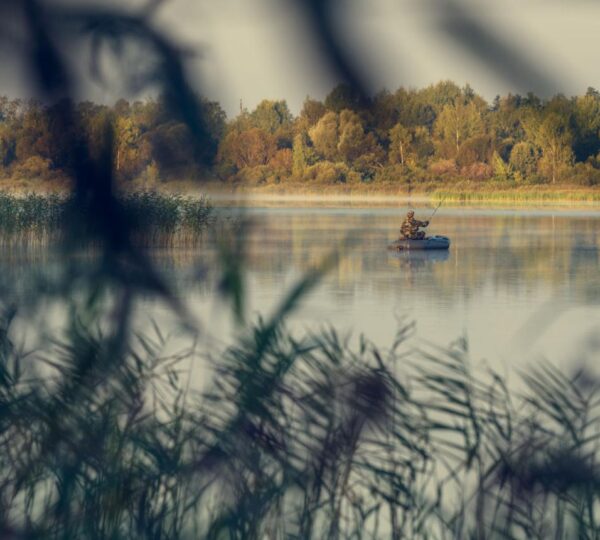
The snake stopped about three feet from him and, surprisingly, remained motionless for several moments. Its gaze seemed focused and almost pleading. Jake hesitated, then remembered that animals sometimes seek water when dehydrated.
He carefully filled a small glass with water from his thermos, keeping his movements deliberate and calm. Slowly, he placed the glass a safe distance from the snake without making any sudden gestures.
To his astonishment, the snake extended its head toward the glass and began drinking. There was no striking motion, no signs of aggression, only a quiet, almost ritualistic consumption of the water.
Jake felt a mixture of amazement and unease. While the snake’s behavior was calm, something about its persistence and stillness suggested that it might not be an ordinary encounter.
Concerned, Jake called local animal control, explaining the situation as accurately as possible. He worried that the snake might be sick, stressed, or reacting to environmental toxins affecting wildlife in the area.

Within twenty minutes, an officer named Mark arrived. Tall and composed, Mark carried a long-handled snake hook and wore protective gloves. His presence immediately reassured Jake, though a tension in the air remained.
Mark knelt slowly, observing the snake without disturbing it. His experience with reptiles allowed him to interpret subtle cues that Jake could not notice, including breathing patterns and tongue-flicking behavior.
“This isn’t normal,” Mark said quietly. “Even calm snakes react predictably. This one’s behavior suggests distress or exposure to something unusual in its habitat.” His tone made Jake pay closer attention to the surroundings.
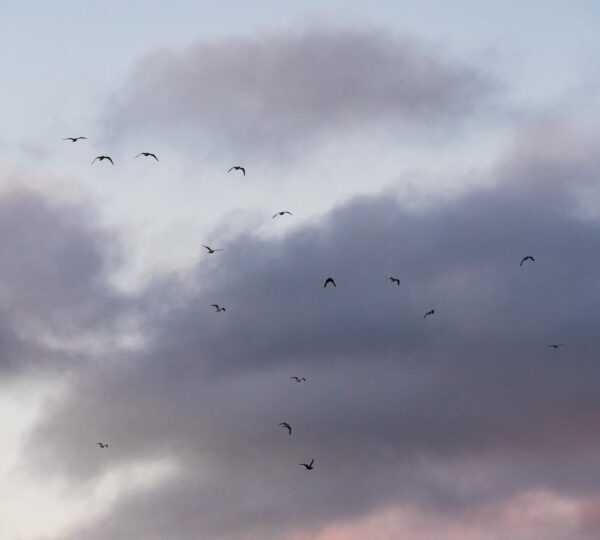
Suddenly, the peaceful lake environment changed. A flock of birds exploded into the air nearby, as if sensing danger before humans could perceive it. The rustling of leaves and distant splashes intensified the feeling of alertness.
Mark signaled for silence. Both men watched intently as the snake remained still, but its body twitched slightly, responding to subtle environmental cues invisible to the human eye. Jake felt a chill run down his spine.
The lake, once a haven of calm, now seemed mysterious and unpredictable. Even the gentle lapping of water against the shore sounded different, more purposeful, echoing the tension that nature itself appeared to express.
Mark emphasized caution. “Even the most docile animals can react defensively when stressed or exposed to environmental changes. Keep your distance. Observe, but do not intervene unless necessary.” Jake nodded, understanding the gravity.
As the sun climbed higher, shadows shifted, revealing more wildlife reacting subtly. Frogs croaked with urgency, insects flew erratically, and small mammals retreated. It was clear that something had temporarily unsettled the natural balance.
The snake drank steadily but remained alert, occasionally flicking its tongue to reassess its surroundings. Its calm consumption contrasted sharply with the underlying tension in the ecosystem, a reminder of nature’s duality: serenity and unpredictability.
Jake marveled at the encounter. He had always appreciated wildlife, but witnessing a large snake drink water peacefully while remaining fully alert gave him a profound sense of connection and respect.
He also realized the importance of expert intervention. Without Mark’s knowledge and cautious approach, the situation could have escalated quickly, endangering both Jake and the snake. Experience and training mattered immensely.
Time passed slowly as they observed. The lake’s atmosphere returned gradually to normal, yet Jake felt changed. Moments like these offered lessons about patience, attentiveness, and the delicate interconnection between species.
Eventually, the snake slithered away, disappearing into the reeds at the lake’s edge. It left no harm, no trace of aggression—only a silent impression that lingered in Jake’s mind long after the encounter.
Jake walked home thoughtfully. He reflected on how quickly calm can shift to tension in the natural world, and how paying attention to subtle cues can provide crucial insight into animal behavior.
The day had begun as ordinary but ended as a lesson in humility and respect. He realized that even creatures often feared or misunderstood could offer moments of wonder and teach valuable lessons.
He shared the story later with friends, emphasizing that it wasn’t fear or bravery that defined the encounter, but observation, patience, and respect for the natural instincts of animals.
For Jake, the lake was no longer just a place of solitude—it was a classroom of life, where even a black snake could convey messages through behavior, timing, and interaction without words.
The experience reinforced his belief that humans and wildlife coexist on delicate terms. Observing rather than intervening often reveals more about nature than attempting control or immediate action.
Jake also appreciated the broader lesson about unpredictability. Nature can change rapidly, often without warning, and survival sometimes depends on careful attention, calm decision-making, and an understanding of subtle signals.
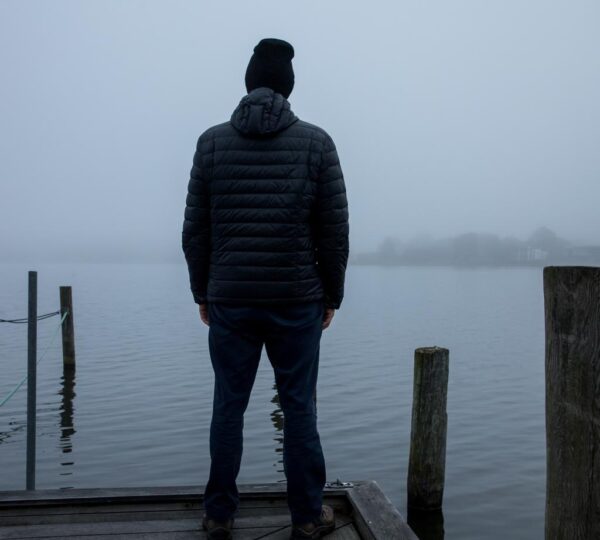
Mark left with a reminder to report any further unusual behavior, highlighting the importance of tracking wildlife health. Environmental conditions, pollution, or disease can affect animals in ways humans might not immediately perceive.
As he reflected later, Jake understood that the encounter had lasting implications for his awareness and approach to outdoor exploration. Respect, caution, and mindfulness would guide future visits to the lake.
In the end, the day became more than a story about a snake drinking water—it was an immersive lesson in observation, patience, and the quiet, often unseen communication between humans and the natural world.
Jake walked away with newfound reverence. He appreciated that wildlife often signals imbalance subtly, through behavior that can be easily overlooked, reminding humans that even ordinary moments hold extraordinary lessons.
The lake retained its beauty, yet Jake saw it differently. Every ripple, shadow, and rustle now carried meaning. He carried the experience as both caution and inspiration, a reminder that curiosity must be tempered with respect.
Ultimately, the encounter at the lake was a transformative experience. The black snake’s calm but unusual behavior, combined with Mark’s intervention and the reactions of surrounding wildlife, offered lessons in coexistence and awareness.
Jake returned home that evening, grateful for the encounter, understanding that the natural world communicates continuously. Humans may not always comprehend it, but careful attention reveals insights that can shape respect, knowledge, and caution.
