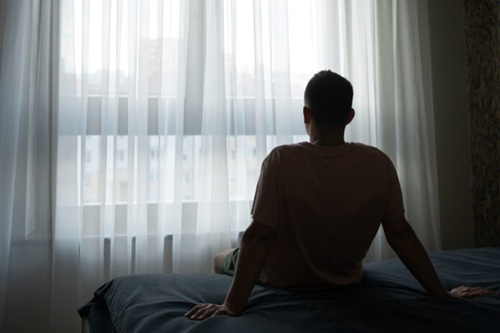
The ‘Ghost Boy’ Comes Out of a 12-Year Coma and Unveils a Haunting Truth
Imagine being trapped inside your own body, completely unable to move or speak, yet fully conscious of everything happening around you. You are aware of your family’s voices, the sounds of the world outside your window, and the passing of time—but you cannot signal to anyone that you are still there. This is not a scene from a horror movie, but a real and terrifying experience lived by some individuals. For many, it would be the worst nightmare imaginable. Unfortunately, for Martin Pistorius, this became his reality.
Martin was an ordinary 12-year-old boy from South Africa when his life took a tragic turn. He began suffering from a mysterious neurological illness, which doctors were unable to diagnose precisely at the time. The illness rapidly progressed, leaving Martin unable to control his movements or speak. His body gradually became unresponsive, and soon he appeared to be in a deep coma. His family, friends, and doctors believed that Martin had lost consciousness and that his mind was no longer active. For them, he was gone, trapped in a state with no hope of recovery.
But Martin’s experience was vastly different. Although his body was paralyzed and silent, his mind remained awake and aware throughout the entire period. He was trapped inside his own body—a condition known as “locked-in syndrome.” This meant he was fully conscious but unable to communicate or interact with the world around him. It is difficult to imagine the sheer frustration and despair of being locked inside a silent, immobile body with no way to let anyone know you are still present.
The process of Martin regaining awareness was slow and gradual. He described it as a dawning realization, not a sudden awakening. In an interview, he explained, “My awareness was something that happened gradually, so it wasn’t like one moment I was asleep and the next moment I was awake. As my awareness returned, it took me a while to fully comprehend that I was trapped inside my body.” This gradual return of consciousness was bittersweet: on one hand, he knew he was alive and aware; on the other hand, he was utterly helpless to communicate this reality to the people around him.
For many years, Martin’s doctors and family believed he was in a vegetative state, unaware and unresponsive. It wasn’t until later, when advances in medical technology and careful observation revealed signs of his awareness, that they realized he was conscious. This discovery was both shocking and hopeful. It highlighted the need for improved diagnostic techniques for patients with severe neurological injuries and emphasized the importance of never assuming a lack of responsiveness means a lack of awareness.
Over time, Martin made some remarkable physical progress. He regained limited movement and was eventually able to walk. However, his ability to speak was lost permanently due to the severity of his condition. To communicate, Martin uses a computer-assisted device that allows him to type and convert text to speech, giving him a voice where he had none before.
Despite the immense challenges he faced, Martin built a fulfilling life. He lives in Essex, United Kingdom, where he runs his own business from home. Martin is also married, a testament to his determination to lead a full and meaningful life. His story is one of extraordinary resilience, courage, and hope.
Martin’s experience inspired him to share his story with the world. He authored a bestselling memoir titled Ghost Boy: My Escape from a Life Locked Inside My Own Body, published by Simon & Schuster. In the book, Martin offers an intimate, firsthand account of his journey from being trapped inside a motionless body to regaining control over his life. The book has touched the hearts of readers around the globe, offering rare insight into the inner world of those with locked-in syndrome and serving as an inspiration to many.
His story gained further recognition through a widely viewed interview with NBC News, which has been watched by over 10 million people worldwide. Martin’s courage in speaking openly about his experience has helped raise awareness about neurological disorders, the challenges faced by those with locked-in syndrome, and the importance of empathy and support for individuals with severe disabilities.
Martin’s journey serves as a powerful reminder of the strength of the human spirit. It challenges society to reconsider how we understand consciousness, disability, and recovery. His life is a testament to the idea that even in the darkest moments, hope and resilience can prevail.
Today, Martin continues to inspire others through his story. He actively participates in advocacy and education, helping to change perceptions about disability and encouraging people to appreciate the value and dignity of every human life, regardless of physical limitations. His message is one of hope, perseverance, and the profound importance of never giving up.
For anyone interested in learning more about Martin’s incredible story, there are video interviews and documentaries available that provide deeper insight into his experience. Sharing Martin’s story helps spread awareness and inspires people to face their own challenges with courage and determination.
Martin Pistorius’s life reminds us all that the human mind and spirit can endure even the most unimaginable hardships—and that with support, love, and determination, remarkable recovery and a meaningful life are possible.
Imagine being trapped inside your own body, completely unable to move or speak, yet fully conscious of everything happening around you. You are aware of your family’s voices, the sounds of the world outside your window, and the passing of time—but you cannot signal to anyone that you are still there. This is not a scene from a horror movie, but a real and terrifying experience lived by some individuals. For many, it would be the worst nightmare imaginable. Unfortunately, for Martin Pistorius, this became his reality.
Martin was an ordinary 12-year-old boy from South Africa when his life took a tragic turn. He began suffering from a mysterious neurological illness, which doctors were unable to diagnose precisely at the time. The illness rapidly progressed, leaving Martin unable to control his movements or speak. His body gradually became unresponsive, and soon he appeared to be in a deep coma. His family, friends, and doctors believed that Martin had lost consciousness and that his mind was no longer active. For them, he was gone, trapped in a state with no hope of recovery.
But Martin’s experience was vastly different. Although his body was paralyzed and silent, his mind remained awake and aware throughout the entire period. He was trapped inside his own body—a condition known as “locked-in syndrome.” This meant he was fully conscious but unable to communicate or interact with the world around him. It is difficult to imagine the sheer frustration and despair of being locked inside a silent, immobile body with no way to let anyone know you are still present.
The process of Martin regaining awareness was slow and gradual. He described it as a dawning realization, not a sudden awakening. In an interview, he explained, “My awareness was something that happened gradually, so it wasn’t like one moment I was asleep and the next moment I was awake. As my awareness returned, it took me a while to fully comprehend that I was trapped inside my body.” This gradual return of consciousness was bittersweet: on one hand, he knew he was alive and aware; on the other hand, he was utterly helpless to communicate this reality to the people around him.
For many years, Martin’s doctors and family believed he was in a vegetative state, unaware and unresponsive. It wasn’t until later, when advances in medical technology and careful observation revealed signs of his awareness, that they realized he was conscious. This discovery was both shocking and hopeful. It highlighted the need for improved diagnostic techniques for patients with severe neurological injuries and emphasized the importance of never assuming a lack of responsiveness means a lack of awareness.
Over time, Martin made some remarkable physical progress. He regained limited movement and was eventually able to walk. However, his ability to speak was lost permanently due to the severity of his condition. To communicate, Martin uses a computer-assisted device that allows him to type and convert text to speech, giving him a voice where he had none before.
Despite the immense challenges he faced, Martin built a fulfilling life. He lives in Essex, United Kingdom, where he runs his own business from home. Martin is also married, a testament to his determination to lead a full and meaningful life. His story is one of extraordinary resilience, courage, and hope.
Martin’s experience inspired him to share his story with the world. He authored a bestselling memoir titled Ghost Boy: My Escape from a Life Locked Inside My Own Body, published by Simon & Schuster. In the book, Martin offers an intimate, firsthand account of his journey from being trapped inside a motionless body to regaining control over his life. The book has touched the hearts of readers around the globe, offering rare insight into the inner world of those with locked-in syndrome and serving as an inspiration to many.
His story gained further recognition through a widely viewed interview with NBC News, which has been watched by over 10 million people worldwide. Martin’s courage in speaking openly about his experience has helped raise awareness about neurological disorders, the challenges faced by those with locked-in syndrome, and the importance of empathy and support for individuals with severe disabilities.
Martin’s journey serves as a powerful reminder of the strength of the human spirit. It challenges society to reconsider how we understand consciousness, disability, and recovery. His life is a testament to the idea that even in the darkest moments, hope and resilience can prevail.
Today, Martin continues to inspire others through his story. He actively participates in advocacy and education, helping to change perceptions about disability and encouraging people to appreciate the value and dignity of every human life, regardless of physical limitations. His message is one of hope, perseverance, and the profound importance of never giving up.
For anyone interested in learning more about Martin’s incredible story, there are video interviews and documentaries available that provide deeper insight into his experience. Sharing Martin’s story helps spread awareness and inspires people to face their own challenges with courage and determination.
Martin Pistorius’s life reminds us all that the human mind and spirit can endure even the most unimaginable hardships—and that with support, love, and determination, remarkable recovery and a meaningful life are possible.