

Christina Applegate is one of Hollywood’s most recognizable and respected actresses, known for her remarkable versatility, wit, and resilience.
Her life story — from a tumultuous upbringing in Los Angeles’ famed Laurel Canyon to becoming a beloved television and film star — is one marked by early talent, career highs, personal challenges, and extraordinary courage in the face of illness.
Applegate’s journey is complex and deeply human — a blend of childhood hardship, iconic roles, physical and emotional pain, and the ongoing battle to redefine herself beyond the screen.
Early Life: Born Into Hollywood, Raised in Chaos
Christina Applegate was born on November 25, 1971, in Los Angeles, California, into a family already enmeshed in the entertainment industry.
Her father, Robert Applegate, worked as a record producer and executive, and her mother, Nancy Priddy, was a singer and actress — both immersed in the creative culture of Hollywood during the 1970s and 1980s.
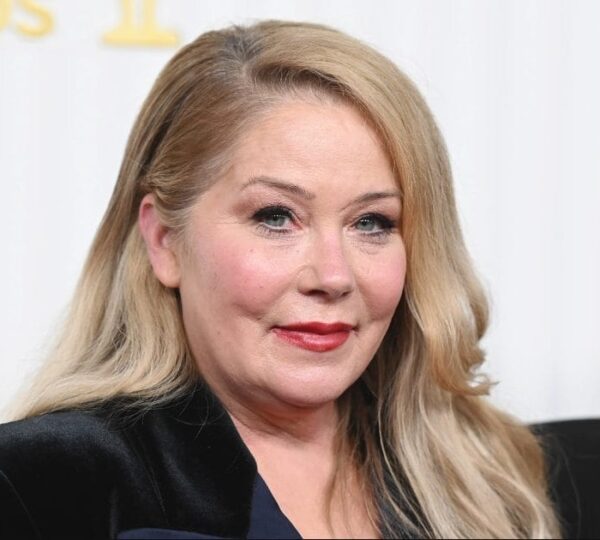
Although her parents separated soon after her birth, Applegate’s earliest years were shaped by her mother’s continued involvement in show business and the lively, bohemian world of Laurel Canyon — an area known for its rich musical and artistic community.
That environment gave her an unusual childhood backdrop, filled with creativity but also instability. Applegate began working almost as soon as she could walk.
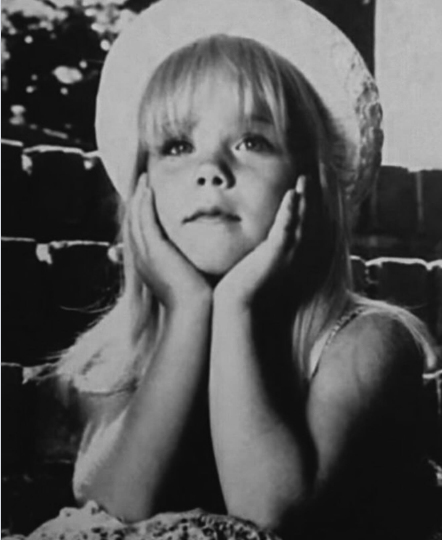
She appeared in her first television spot as an infant and later as a toddler in a commercial for Playtex baby bottles — performing before she could fully remember it.
By the time she was in kindergarten, she had already joined the Screen Actors Guild, reflecting an early immersion into professional acting.
Her mother’s personal struggles complicated the glamour. Applegate has spoken candidly about watching her mother battle heroin addiction, deal with abusive partners, and go through cycles of instability that made home life unpredictable.
In interviews and in her memoir You With the Sad Eyes, she reflects on what she describes as a chaotic household: “Single moms, men coming in and out, drugs. It’s always fun to see your mom crying on the floor and you not being taken care of,” she wrote ruefully.
Applegate also revealed she experienced sexual abuse from a caregiver at a young age, adding another layer of trauma to her early life — an experience she addresses in her memoir and has said shaped her deeply.
Despite the hardships, Applegate learned early how to adapt, perform, and survive — lessons that would follow her throughout her life and career.

Childhood Roles and Early Success in Hollywood
Applegate’s career blossomed rapidly as a child actor. She appeared in popular television programs in the 1980s, including guest spots on shows such as Charles in Charge, Silver Spoons, and Family Ties, gaining industry experience and exposure at a young age.
By age 15, she landed the role that would define her early career: Kelly Bundy on the long‑running Fox sitcom Married… with Children, which debuted in 1987.
Her portrayal of the blonde, ditzy, and sassy Kelly — the teenage daughter in the dysfunctional Bundy family — quickly made her a pop culture fixture and brought her into millions of homes weekly.
While the character became iconic, Applegate has often spoken about the difference between Kelly and her own identity.
She once explained in interviews that playing Kelly was easier than it might seem because “growing up here in Los Angeles, you meet a lot of people like that at clubs.”
During the show’s 11‑season run, Applegate’s natural comedic timing and natural screen presence helped establish her as a generational talent.
She credited her co‑stars — especially Ed O’Neill (Al Bundy) and Katey Sagal (Peggy Bundy) — for being like a family on set, with O’Neill often described as a mentor.
Building a Versatile Career: Beyond Kelly Bundy
After Married… with Children ended in 1997, Applegate’s career continued to evolve. She transitioned seamlessly between television and film roles, proving her range as an actress.
In the late 1990s and early 2000s she starred in several notable projects:
-
Jesse (1998–2000) — a sitcom where she played a single mother, earning her first Golden Globe nomination.
-
The Sweetest Thing (2002) — a romantic comedy that became a cult favorite.
-
Anchorman: The Legend of Ron Burgundy (2004) and its 2013 sequel — portraying Veronica Corningstone, a pioneering news anchor with sharp wit.
-
Guest appearances on Friends, winning a Primetime Emmy Award for Outstanding Guest Actress in a Comedy Series.
Her ability to move between genres — from slapstick and romantic comedy to dramatic roles — kept her career vibrant and enduring.
In the late 2010s, Applegate added another standout project to her résumé: Dead to Me (2019–2022), a dark tragicomedy on Netflix.

Her performance as a grieving mother navigating unexpected friendship earned her multiple award nominations and widespread critical acclaim.
Personal Struggles: Abuse, Relationships, and Patterns of Pain
Despite her public success, Applegate experienced deeper emotional turbulence in her personal life. In her memoir and interviews, she has reflected candidly on how her childhood experiences influenced her adult relationships.
She shared that for much of her early adulthood, she was drawn to partners with instability or addiction — people she described as “broken birds” she wanted to fix.
“I never was with anyone who had a real job,” she said. “I always was with these broken birds that I wanted to fix … And you know what? You can’t.”
Applegate also endured a long‑term relationship with an abusive boyfriend in her late teens, an experience she said left lasting emotional scars.
Health Battles: Cancer and Multiple Sclerosis Diagnosis
Applegate’s life has been marked not only by emotional trauma but serious health challenges.
In 2008, at age 36, she was diagnosed with breast cancer. Facing the disease head‑on, she underwent a double mastectomy and later had her ovaries and fallopian tubes removed to reduce future cancer risk.
Her openness about that experience helped raise awareness about cancer prevention and treatment, and she supported related charity efforts afterward.
Then, in 2021, Applegate announced another life‑altering diagnosis: multiple sclerosis (MS), a chronic autoimmune disease that affects the central nervous system. In a candid announcement on social media, she called the diagnosis a “strange journey” and emphasized how challenging the road has been.
Multiple sclerosis typically disrupts nerve function, causing symptoms such as muscle weakness, vision problems, fatigue, and pain.
Applegate has since spoken publicly about the toll the condition has taken on her daily life — including her mobility, strength, and ability to perform physically demanding tasks.
In interviews and on her podcast MeSsy, which she co‑hosts with fellow MS advocate Jamie‑Lynn Sigler, Applegate has described the disease as one of the hardest battles of her life.
She revealed that she has been hospitalized numerous times for symptoms linked to MS, including severe pain and digestive challenges, and continues to manage unpredictable flare‑ups and discomfort.
The Memoir: You With the Sad Eyes
In 2026, Applegate published her memoir, You With the Sad Eyes, a deeply personal account of her life, unfiltered and honest about her emotional journey.
The book covers her unstable childhood in Laurel Canyon, early fame, battles with personal relationships, and the profound impact of her MS diagnosis.
Applegate has described the memoir as “not inspirational in the typical sense,” but instead a raw reflection on perseverance and resilience.
She explained that her intention was to be real and unvarnished about the pain, grief, humor, and strength that have shaped her life.

Family Life and Parenthood
Applegate is a devoted mother to her daughter Sadie Grace Applegate LeNoble, born in 2011, whom she shares with musician Martyn LeNoble, her partner whom she married in 2013.
As her MS progressed, Applegate has described the emotional difficulty of not being as physically active with her daughter as she once was.
Simple routines like driving Sadie to school or settling in for bedtime have become poignant moments in their relationship — symbols of both love and limitation. In discussing her daily life, she said, “I tell myself, ‘Just get her there safely and get home so you can get back into bed.’ And that’s what I do.”
Legacy, Philanthropy, and Creative Resilience
Despite the many challenges she has faced — personal, emotional, and physical — Applegate remains engaged with meaningful causes and creative pursuits.
She has supported a range of organizations over the years, including breast cancer research initiatives, educational nonprofits, animal protection efforts, and advocacy groups for LGBTQ+ youth.
Her podcast MeSsy serves not only as a platform for candid conversation about MS but also as a lifeline for many who live with invisible illness, fostering community and awareness.
Although her ability to act on camera has been curtailed by MS, Applegate continues to work on projects that don’t require her physical presence, including voice acting and creative development roles. She has also discussed the possibility of participating in animated projects related to her earlier work.
Conclusion: A Life of Complexity, Courage, and Truth
Christina Applegate’s life story defies simple narrative. She is not just the blonde teenager from a hit sitcom or a film actress known for comedy; she is a deeply reflective, candid artist whose experiences encompass triumph, pain, adaptation, and perseverance.
From the instability of her early years to the dizzying success of her career, through personal loss and chronic illness, Applegate has continued to speak honestly and openly about what it means to live with both external success and internal struggle.
Her memoir, her advocacy work, her willingness to share painful parts of her life — all of this reflects an artist determined not just to entertain, but to connect, uplift, and normalize the messy reality of the human experience.
Applegate’s journey reminds us that strength is not the absence of struggle, but the determination to continue in the face of it — a lesson she makes unmistakably clear with every chapter of her life
